Snowboarding is a thrilling winter sport, but it comes with real risks. Every year, thousands of snowboarders get injured—many of these injuries could be prevented or reduced by using the right safety gear. If you’re new to snowboarding, or even if you’re a seasoned rider, knowing what gear to wear is essential for your safety on the slopes. This guide covers everything you need to know about snowboarding safety gear—what’s necessary, why it matters, and how to choose the best options for your needs.
Why Safety Gear Matters For Snowboarders
Snowboarding involves high speeds, sharp turns, icy patches, and sometimes unexpected obstacles like rocks or trees. Falls are common, especially for beginners. According to a study from the American Academy of Orthopaedic Surgeons, about 100,000 snowboarding injuries occur each year in the United States alone. The most common injuries are to the wrists, shoulders, and head. Wearing proper safety gear can significantly reduce the risk of serious harm and help you enjoy your day on the mountain with more confidence.
Essential Snowboarding Safety Gear
Not all gear is created equal, and some items are more critical than others. Here’s a breakdown of the most important safety equipment every snowboarder should have.
1. Helmet
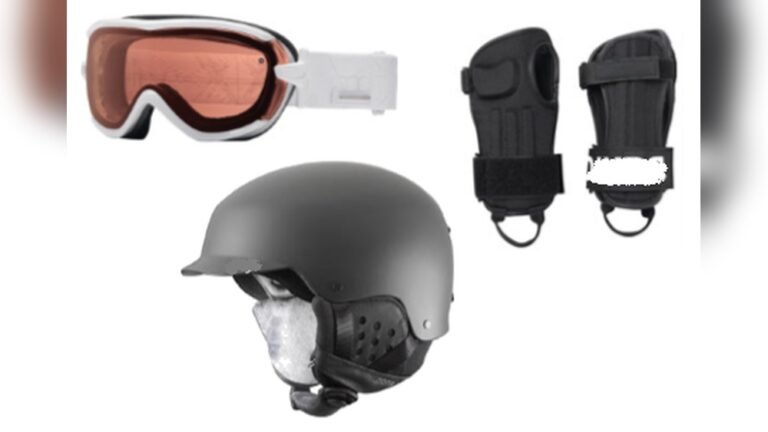
A helmet is the single most important piece of safety gear. Head injuries can be life-changing or fatal. Modern snowboarding helmets are lightweight, comfortable, and designed to absorb impacts. Look for helmets that meet safety certifications like ASTM F2040 or CE EN1077.
Key Features To Consider:
- Adjustable fit system for comfort
- Removable liners for washing
- Ventilation for temperature control
- Ear protection
Non-obvious tip: Many injuries happen when boarders remove their helmets for a break or to take pictures. Always keep your helmet on while on the slopes.
2. Wrist Guards
Wrist injuries are one of the most common snowboarding injuries, especially for beginners who instinctively use their hands to break a fall. Wrist guards stabilize the wrist and distribute impact forces, reducing the chance of sprains or fractures.
Choosing Wrist Guards:
- Must fit comfortably under gloves
- Should not restrict movement completely
- Look for guards made specifically for snowboarding (not skateboarding)
Beginner insight: Some snowboard gloves come with built-in wrist protection for added convenience.
3. Impact Shorts
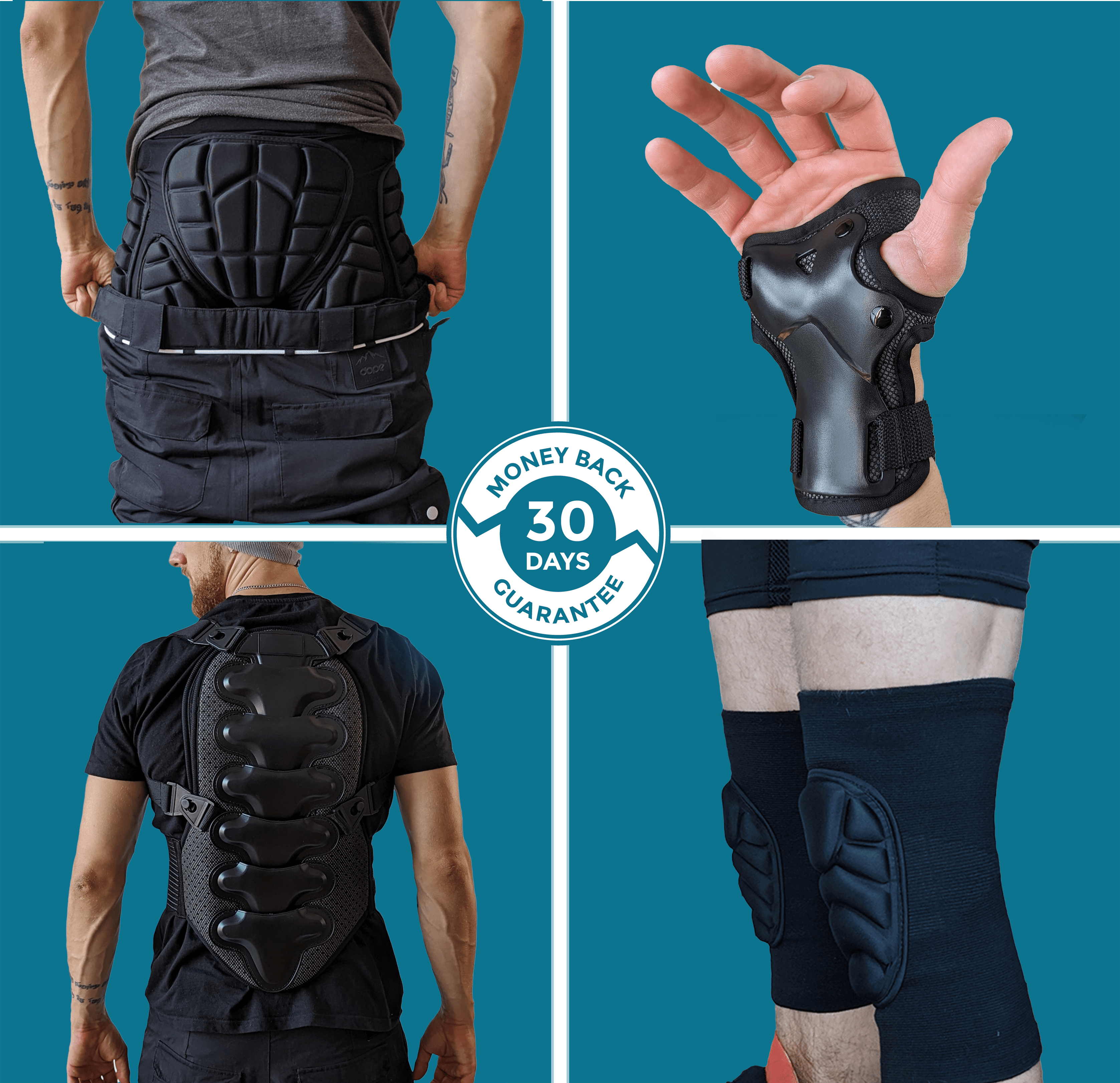
Impact shorts are padded shorts worn under snow pants. They protect your tailbone, hips, and thighs from bruises and fractures during falls. This gear is especially popular among freestyle riders and beginners who fall more often.
What To Look For:
- Breathable fabric
- Padding that covers key areas but doesn’t bulk up too much
- Machine washable materials
4. Back Protector
A back protector is not required at all resorts, but it’s becoming more common, especially for terrain park riders. These protectors shield your spine from hard impacts and can prevent serious injuries.
Important Features:
- Flexible design for freedom of movement
- Adjustable straps
- Certified to EN1621-2 (motorcycle standard, also used for snow sports)
Expert tip: Even if you’re not riding in the park, a back protector can help on steep slopes or icy days.
5. Knee Pads
Falling on your knees is painful and can result in long-term damage. Knee pads are often overlooked by snowboarders but offer excellent protection, especially for beginners and freestyle riders.
How To Choose:
- Low-profile pads fit under snow pants
- Good balance of cushioning and flexibility
- Moisture-wicking fabric
6. Elbow Pads
Elbow pads are less common, but they are useful if you’re learning, attempting tricks, or have a history of elbow injuries.
Points To Consider:
- Slim design to fit under clothing
- Lightweight but strong padding
- Adjustable straps for a snug fit
7. Snowboard-specific Gloves Or Mittens
Your hands are exposed to cold, wet conditions and potential impacts. Snowboard gloves or mittens provide warmth, waterproofing, and sometimes extra protection for your wrists and knuckles.
Features To Look For:
- Waterproof and breathable materials (e.g., Gore-Tex)
- Reinforced palm and knuckle areas
- Wrist leash to prevent losing gloves on lifts
Insight for all riders: Mittens are warmer than gloves but reduce finger dexterity. Choose based on your priorities.
8. Goggles
Goggles protect your eyes from snow, wind, UV rays, and flying debris. Good visibility is crucial for safety on the mountain.
Key Factors:
- UV protection (look for 100% UVA/UVB)
- Anti-fog lens coating
- Wide field of view
- Comfortable, adjustable strap
Extra tip: Choose lens color based on weather (yellow/orange for low light, dark for sunny days).
9. Mouthguard
A mouthguard may not be standard gear, but it protects your teeth and jaw during falls or collisions. This is especially useful for freestyle riders or those with braces.
Selection Advice:
- Custom-fit mouthguards are more comfortable
- Boil-and-bite versions are affordable and easy to use
10. Avalanche Safety Gear (for Backcountry Snowboarding)
If you ride outside marked resort areas, avalanche safety gear is essential. This includes:
- Avalanche beacon: Sends and receives signals to locate buried riders
- Probe: For pinpointing location in the snow
- Shovel: For digging out victims
Critical point: Never go into avalanche terrain without formal training and all three pieces of gear.

Comparing Key Snowboarding Safety Gear
To better understand how different gear protects you, here’s a comparison of helmet, wrist guard, and impact shorts features:
| Gear | Protection Area | Common Materials | Who Needs It Most |
|---|---|---|---|
| Helmet | Head | EPS foam, polycarbonate | Everyone |
| Wrist Guard | Wrists | Plastic, foam, nylon | Beginners, freestyle riders |
| Impact Shorts | Hips, tailbone, thighs | EVA foam, Lycra | Beginners, park riders |
Additional Gear For Safety And Comfort
While the above gear is essential, there are other items that add both safety and comfort.
Neck Gaiter Or Balaclava
A neck gaiter or balaclava protects your face and neck from windburn, frostbite, and sun exposure. Look for moisture-wicking and breathable materials.
Protective Base Layers
Some base layers come with built-in padding at the knees, elbows, or hips. These can give extra protection without adding bulk.
Snowboard Boots
Snowboard boots are not just for performance—they provide ankle support, reduce the chance of sprains, and keep feet warm and dry. Always choose boots that fit snugly without pressure points.
Snowboard Leash
Some resorts require a leash that attaches your board to your leg. This prevents your board from sliding down the hill if you detach it.
How To Choose The Right Safety Gear
Picking safety gear is not just about buying the most expensive items. Focus on these factors:
- Fit: Gear should fit snugly without causing discomfort. Ill-fitting gear can shift during a fall and fail to protect you.
- Certifications: Look for safety standards, especially with helmets and back protectors.
- Compatibility: Make sure your helmet fits well with your goggles, and wrist guards fit under your gloves.
- Climate: Choose gear with appropriate insulation and waterproofing for the weather conditions where you ride.
- Personal riding style: Freestyle riders need more impact protection than those who stick to gentle slopes.
Common mistake: Skipping safety gear on warmer days or “easy” runs. Accidents can happen anytime.
Real-world Data: Injury Reduction By Gear Type
Consider this data on injury reduction from various studies:
| Safety Gear | Injury Reduction (%) | Most Effective Against |
|---|---|---|
| Helmet | Up to 60% | Head injuries |
| Wrist Guards | 53% | Wrist fractures, sprains |
| Impact Shorts | 35% | Hip/tailbone injuries |
Maintenance And Replacement Of Safety Gear
Good safety gear lasts for years if cared for, but it does not last forever.
- Helmet: Replace after any hard impact or every 3-5 years, whichever comes first.
- Padding (shorts/knees/elbows): Check for compression or cracks in foam; replace if worn out.
- Gloves: Repair small tears, but replace if waterproofing fails.
- Goggles: Clean lenses with a soft cloth; replace if visibility is compromised.
Tip: Always air-dry gear after use to prevent mold and odor.
Cost Comparison: Budget Vs. Premium Gear
Snowboarding safety gear ranges from affordable to high-end. Here’s a general price comparison:
| Item | Budget Price (USD) | Premium Price (USD) |
|---|---|---|
| Helmet | 50 | 250 |
| Wrist Guards | 20 | 70 |
| Impact Shorts | 30 | 100 |
| Back Protector | 60 | 200 |
| Goggles | 30 | 180 |
Insight: Premium gear often offers better materials, more comfort, and longer durability—but even budget items are far better than none at all.

Training And Mindset: The Most Overlooked “gear”
No amount of equipment can replace good judgment and proper technique. Take lessons, ride within your limits, and always check weather and avalanche forecasts. Practicing safe snowboarding habits is as important as the gear you wear.
For more detailed safety recommendations and statistics, you can visit the Centers for Disease Control and Prevention.
Frequently Asked Questions
What Is The Most Important Piece Of Snowboarding Safety Gear?
The helmet is the most critical piece of safety gear. It protects your head from serious injury, which can happen even on easy slopes or at low speeds.
Are Wrist Guards Really Necessary For Snowboarders?
Yes, wrist guards are highly recommended, especially for beginners. Most snowboarding falls happen backward or to the side, causing riders to instinctively use their hands to catch themselves, leading to wrist injuries.
Can I Use Regular Ski Gear For Snowboarding?
Some ski gear, like helmets and goggles, can be used for snowboarding. However, snowboard-specific gloves, wrist guards, and impact shorts are designed for the unique movements and falls of snowboarding.
How Often Should I Replace My Helmet?
Replace your helmet every 3-5 years, or immediately after a significant impact, even if there are no visible cracks. The protective foam inside can compress and lose effectiveness after a crash.
Do I Need Avalanche Gear At All Resorts?
You only need avalanche gear (beacon, probe, shovel) if you are snowboarding in the backcountry or off-piste areas outside of managed ski resort boundaries. Resorts with controlled slopes do not require avalanche gear.
Snowboarding is exciting and rewarding, but safety should always come first. Wearing the right gear, maintaining your equipment, and riding responsibly can make all the difference between a great day and a painful accident. Whether you’re just starting or pushing your limits in the park, invest in your safety—and enjoy more days on the mountain.
