Skydiving is an experience that mixes excitement, fear, and freedom all at once. Many people dream of jumping from a plane, feeling the rush of wind and the joy of freefall. But before you leap, there’s an important detail: minimum jump height. Why is this number so important? What happens if you jump from too low? Understanding the rules around skydiving heights can keep you safe and make the experience truly unforgettable.
Why Minimum Height Matters In Skydiving
The minimum height for a skydive is not just a random number. It’s based on physics, human reaction time, and the way parachutes work. If the jump is too low, there might not be enough time for the parachute to open fully and slow you down safely. That’s why skydiving centers and regulators set strict rules.
Skydivers use different types of parachutes, and each has its own opening time. For example, a sport parachute opens faster than a large military parachute. Weather, body position, and equipment also affect how much height you need to jump safely. The right minimum height allows for:
- Enough time to deploy the parachute
- Time to handle emergencies
- A safe margin for mistakes or delays
Standard Minimum Heights For Skydiving Jumps
The most common minimum height for a skydive is 2,500 feet (about 760 meters) above ground level (AGL). But this number can change based on the type of jump, equipment, and country regulations.
Here are some typical minimum heights:
| Jump Type | Minimum Height (feet) | Minimum Height (meters) |
|---|---|---|
| Solo Static Line | 2,500 | 760 |
| Tandem Jump | 8,000 | 2,438 |
| Accelerated Freefall (AFF) | 10,000 | 3,048 |
| Military Jump | 800 | 244 |
You can see that the height depends on the style of jump and the equipment used. Let’s look at why these numbers are different.
Different Types Of Skydiving And Their Height Requirements
Static Line Skydiving
In static line jumps, the parachute is attached to the plane, and it opens automatically when you exit. These jumps are often used for training. The minimum height is usually set at 2,500 feet because the parachute opens quickly, but you still need time for a safe landing.
Tandem Skydiving
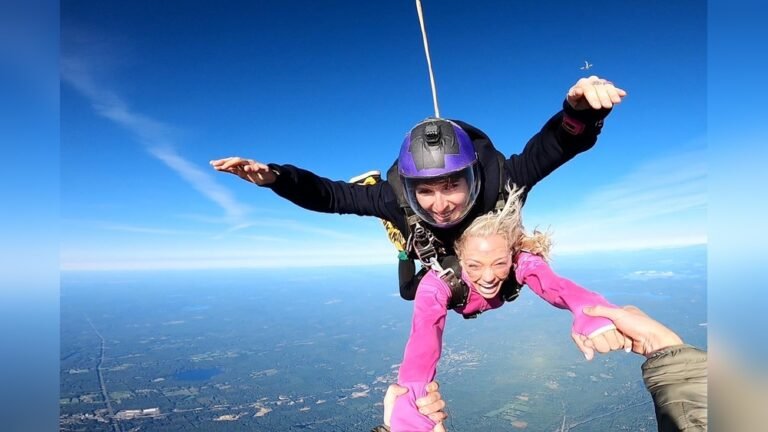
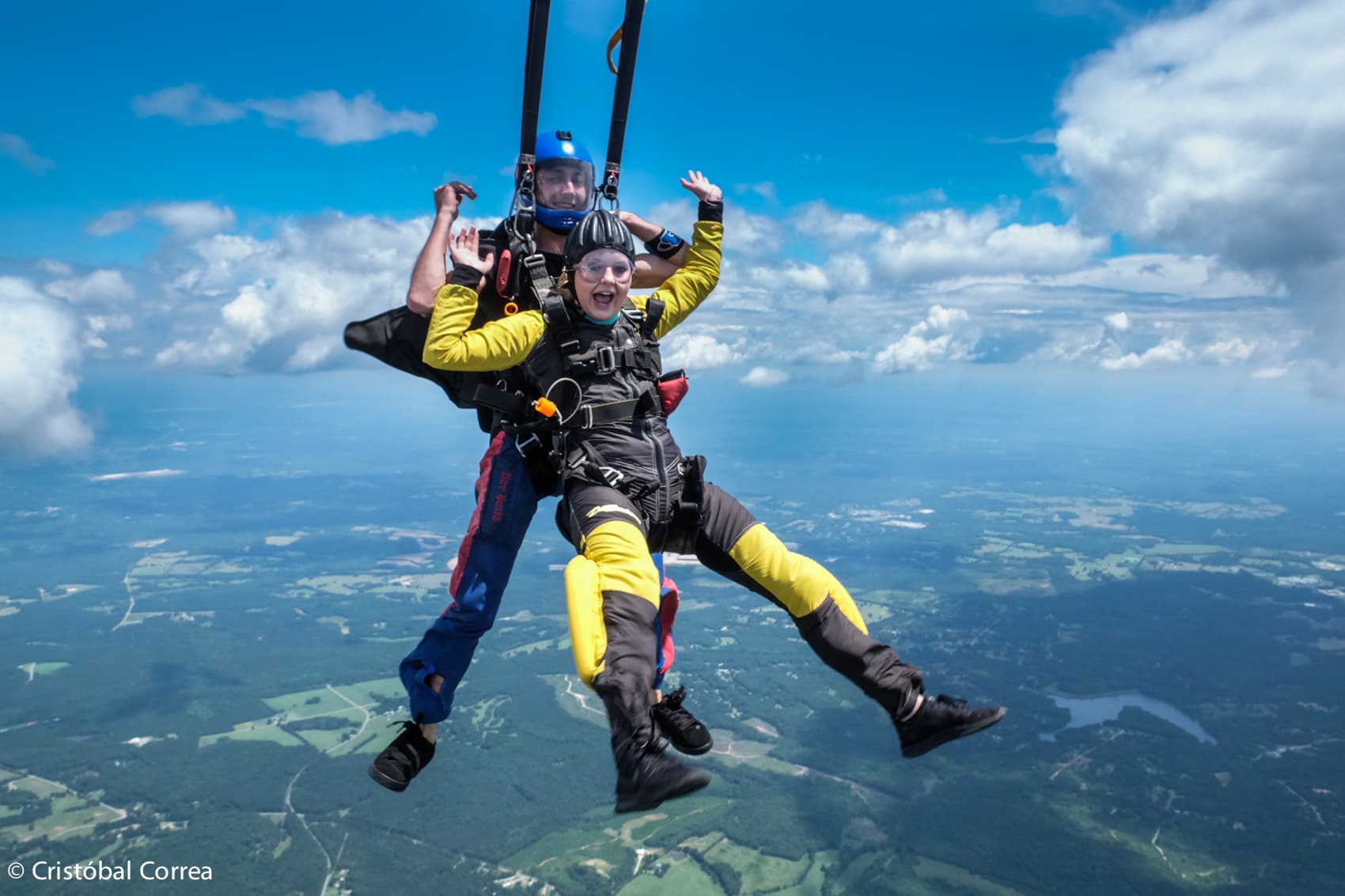
Tandem jumps are popular with beginners. You are attached to an instructor, and you jump together. The minimum height is higher, usually 8,000 feet or more. Why? Because you need time for freefall, for the instructor to deploy the main parachute, and for a safe descent.
Accelerated Freefall (aff)
AFF is a method where the student is in freefall, guided by instructors. The minimum height is often 10,000 feet. This gives enough time for training, freefall maneuvers, and to fix problems if they happen.
Military Jumps
The military sometimes jumps from lower heights, around 800 feet. These jumps are usually for special missions, and the focus is speed, not enjoyment. The risk is higher, and the parachutes are designed to open very quickly.
How Parachutes Work And Why Height Is Important
A parachute needs a certain amount of time—and height—to slow you down. When you pull the ripcord, the parachute must:
- Open completely (called “canopy deployment”)
- Slow your fall speed safely
- Let you steer and land
A typical sport parachute might take 600 to 1,000 feet to open fully and slow you down enough for a safe landing. If you pull the ripcord too low, the parachute might not open in time.
Let’s compare the opening altitudes and times for different parachutes:
| Parachute Type | Average Opening Height Needed (feet) | Deployment Time (seconds) |
|---|---|---|
| Sport Parachute | 600–1,000 | 2–4 |
| Reserve Parachute | 500–800 | 1.5–3 |
| Military T-10 Parachute | 300–500 | 1–2 |
This shows why most skydivers are taught to open their parachutes no lower than 2,500 feet.
Emergency Procedures And Height Margins
Skydiving is about enjoying the fall, but also about managing risk. Sometimes, things go wrong: the main parachute may not open, or there could be a tangle. Every skydiver wears a reserve parachute for these emergencies.
Skydivers are taught to pull their main parachute at a set “deployment altitude”. If there’s a problem, they need time to cut away the main chute and open the reserve. This safety margin is why the rules say never to deploy below a certain height.
For example:
- Most solo jumpers deploy at 3,000–3,500 feet
- Reserve deployment should not be below 1,500 feet
If you wait too long, the reserve might not open in time.
Regulations Around The World
Different countries have their own skydiving rules. Most follow the guidelines set by the United States Parachute Association (USPA) or similar groups.
- In the United States, the Federal Aviation Administration (FAA) says solo jumpers must open their parachute above 2,500 feet (source: FAR 105.43).
- In Europe, the European Union Aviation Safety Agency (EASA) often requires similar or higher minimums.
- In Australia and New Zealand, rules are nearly the same as the US.
These rules exist for good reason: they keep you safe, even if you’re distracted or if equipment fails.
How Weather And Location Affect Minimum Jump Height
Skydiving is not just about numbers—it’s about real conditions. Weather can change how safe a jump is. Wind, clouds, and temperature all matter.
- High winds: You may need more height to manage your landing.
- Cloud cover: Regulations often require you to jump above clouds for clear sight of the landing area.
- High-altitude drop zones: If the ground is already high (for example, in the mountains), the minimum jump height above ground is the main factor, not sea level.
Sometimes drop zones set their own rules, higher than the legal minimums, to give extra safety.
Common Mistakes When Considering Minimum Height
Many beginners make simple but dangerous mistakes about minimum height:
- Confusing aircraft altitude with ground altitude: Planes use “above sea level,” but skydivers need “above ground level.” Always check the real distance to the ground.
- Not planning for emergencies: Jumping at the bare minimum leaves no time for mistakes.
- Trusting automatic systems too much: Devices like automatic activation devices (AAD) help, but they’re not perfect. You still need to pull at the right time.
A non-obvious insight: Even experienced jumpers can misjudge their altitude due to excitement or distraction. Always use a reliable altimeter and stay focused.

Special Cases: Low-altitude And High-altitude Jumps
Low-altitude Jumps
Sometimes people ask if it’s possible to skydive from very low heights, like 1,000 feet. In most cases, this is not allowed for civilians. The parachute would have to open instantly, leaving no room for error. Only trained military jumpers with special gear do this, and the risks are much higher.
High-altitude Jumps
On the other end, some jumps are made from 15,000 feet or even higher, such as famous “HALO” jumps. These give more freefall time and a bigger safety margin, but require oxygen above 15,000 feet due to thin air.
Here’s a comparison of jump types by altitude:
| Jump Type | Typical Altitude (feet) | Main Purpose |
|---|---|---|
| Low-Altitude (Military) | 800–1,500 | Stealth, Speed |
| Standard Sport Jump | 10,000–14,000 | Fun, Training |
| High-Altitude (HALO/HAHO) | 15,000–30,000+ | Special Operations, Records |
How Minimum Height Affects The Skydiving Experience
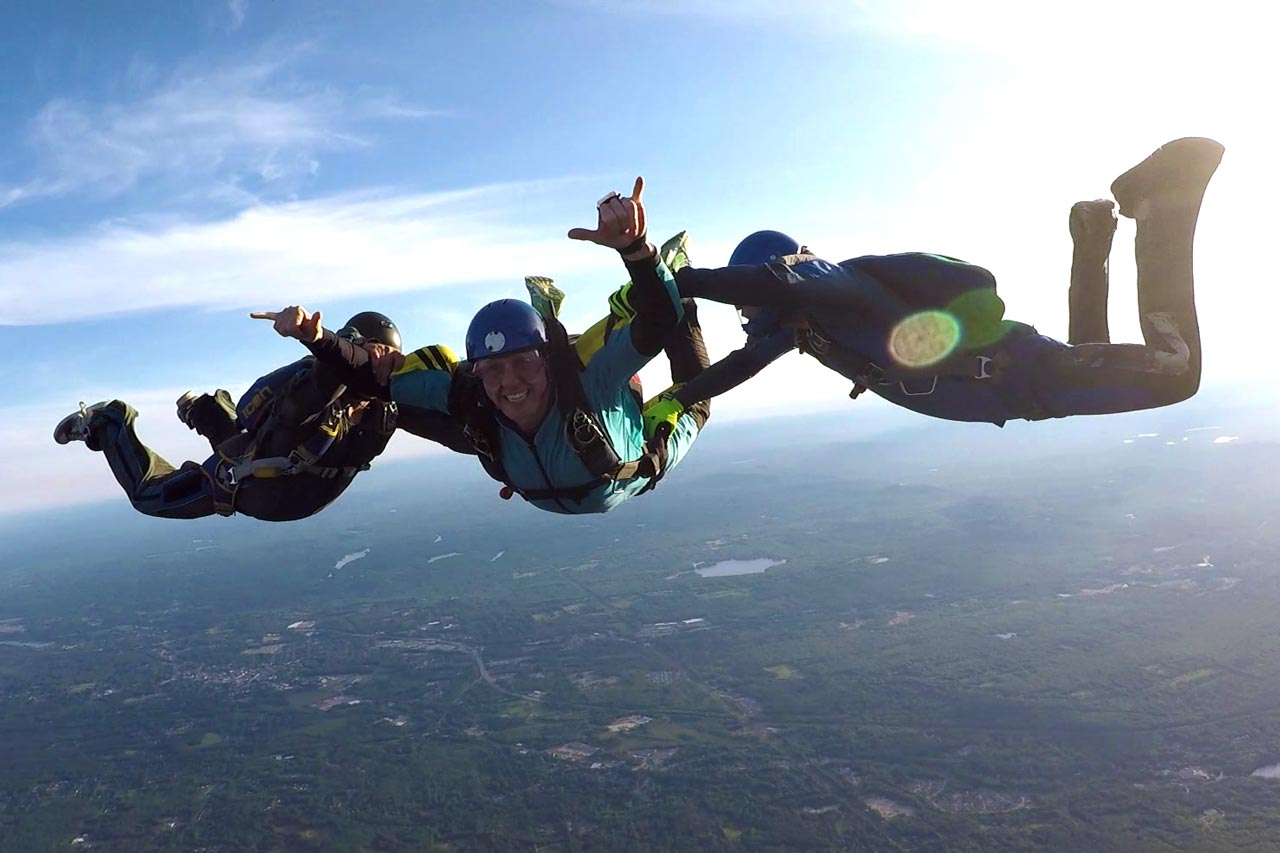
The minimum jump height shapes your whole experience. From 2,500 feet, you have almost no freefall—just a quick exit and parachute opening. From 10,000 feet, you get 30–45 seconds of freefall, which many say is the “real” skydiving thrill.
If you want a longer freefall, ask for a higher jump. But remember, every extra foot adds to cost and logistics.
A tip beginners often miss: The exit altitude is not the same as the deployment altitude. You might jump from 10,000 feet, but your parachute opens at 3,500 feet, so your freefall lasts only as long as the distance between those points.
Safety Devices Related To Minimum Height
Modern skydiving uses technology to help keep you safe:
- Altimeter: Shows your height above ground. Wrist, chest, or digital options.
- Audible Altimeter: Beeps when it’s time to deploy.
- Automatic Activation Device (AAD): Opens the reserve parachute automatically if you haven’t pulled by a certain height (usually 750–1,000 feet).
These devices don’t remove the need for training. They are backup systems. For more on skydiving safety, check the Wikipedia page on Skydiving.
Training And Preparation: What Beginners Need To Know
If you’re new to skydiving, you’ll learn about minimum heights during ground school. Instructors will show you:
- How to read your altimeter
- When to deploy your main parachute
- What to do if your main parachute fails
- How to recognize when you are too low
Practice is key. Many schools use simulators or mock-ups to help you react automatically in the air.
A practical insight: Even with all the training, the first few seconds after you jump can feel overwhelming. Stay calm, breathe, and trust your training.
Frequently Asked Questions
What Is The Absolute Minimum Height You Can Skydive From?
The absolute minimum for sport skydiving is usually 2,500 feet. Military jumps can go as low as 800 feet, but these are for trained professionals with special gear. Civilian skydivers should always stick to the recommended minimums for their safety.
Why Can’t You Skydive From 1,000 Feet Like In Movies?
In most movies, stunts are done with special equipment or effects. At 1,000 feet, there is barely enough time for the parachute to open—almost no freefall. For regular skydivers, this is not allowed because it is too dangerous.
Does The Minimum Height Change With Different Parachutes?
Yes. Sport parachutes often need more height to open than military types. Reserve parachutes can open slightly faster, but you should always use the correct minimum based on your equipment and training.
How Long Is The Freefall From The Minimum Height?
If you jump from 2,500 feet and deploy immediately, there is almost no freefall—just parachute descent. From 10,000 feet, you might freefall for 30–45 seconds before opening your parachute.
Are There Exceptions To Minimum Height Rules?
Some exceptions exist for military operations or special stunts, but these are not for the public. Civilian jumpers must always follow the standard minimums for their own safety and legal reasons.
Skydiving is thrilling, but safety comes first. Understanding the minimum jump height can be the difference between a great memory and a dangerous mistake. Always listen to your instructors, double-check your equipment, and respect the rules. The sky will always be there—make sure you enjoy it safely.
