Scuba diving opens a new world under the sea. The idea of breathing underwater and exploring marine life excites many, including children. But not everyone can start scuba diving at any age. Safety is very important, and there are strict rules about who can learn to dive. One of the most common questions is: What is the minimum age for scuba diving? The answer is not as simple as a single number. Different organizations, countries, and types of scuba courses have their own age limits. This guide covers everything you need to know about the minimum age for scuba diving, why these limits exist, and how young divers can safely enjoy this adventure.
Why Age Limits Matter In Scuba Diving
Scuba diving is not just swimming with a tank. It involves special equipment, safety training, and the ability to manage unexpected situations underwater. Young children may not have the strength, understanding, or maturity to handle these challenges. Setting a minimum age helps protect young divers from risks like decompression sickness, panic, and ear injuries.
It’s also important to remember that children’s bodies are still growing. Their lungs, ears, and sinuses are more sensitive to pressure changes. This is why dive organizations and medical experts carefully study and set age rules. Some parents might think their child is ready, but following the official guidelines is always safer.
Minimum Age By Major Scuba Diving Organizations
Many people start scuba diving through popular training agencies. Each agency has its own rules for the minimum age. Here’s a comparison of the most recognized organizations:
| Organization | Minimum Age (Entry-Level) | Course Name |
|---|---|---|
| PADI | 10 years | Open Water Diver |
| SSI | 10 years | Open Water Diver |
| NAUI | 10 years | Junior Scuba Diver |
| BSAC | 12 years | Ocean Diver |
| CMAS | 8 years (Intro); 14 years (1-Star Diver) | Intro Scuba; 1-Star Diver |
As you can see, 10 years old is a common starting age for most organizations’ main beginner courses. Some offer special programs for younger children, but with extra limits.
Scuba Diving Programs For Young Children
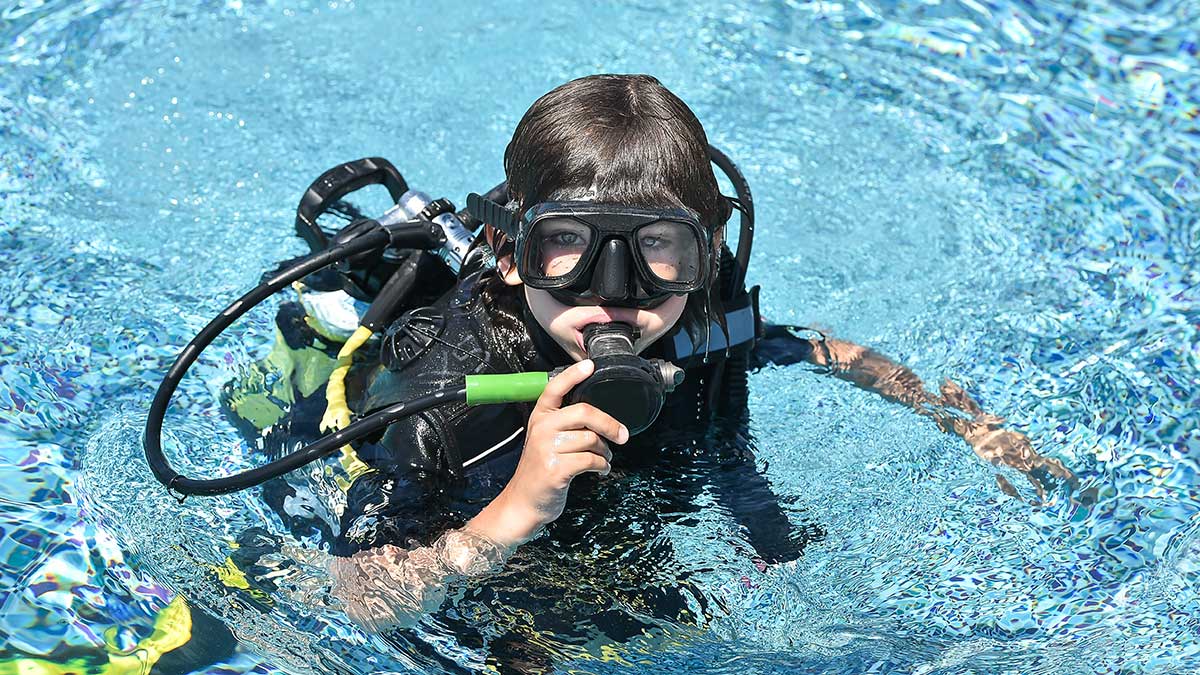
Children under 10 can still experience scuba diving, but usually only in very shallow water and under close supervision. Here are some popular youth programs:
- PADI Bubblemaker: For children 8 years and above, this program lets kids try scuba in a pool or shallow water (maximum depth: 2 meters/6 feet).
- SSI Scuba Rangers: Also for ages 8 and up, this is a fun, pool-only introduction to scuba skills.
- BSAC Dolphin Snorkeller: Starts at 6 years old but focuses on snorkeling, not scuba with tanks.
- CMAS Intro Scuba: Begins at 8 years, with very controlled, shallow dives.
These programs are designed to be safe, short, and playful. They are not full certifications but help children build comfort and interest in diving.
Junior Certification: How It Works
When a child completes a scuba course at age 10 or 12, they usually receive a junior certification. This means their diving is allowed, but with special restrictions. Here’s how junior certifications work:
- Depth Limits: Juniors can only dive to shallower depths. For example, PADI Junior Open Water Divers (10–11 years) are limited to 12 meters (40 feet). From age 12, the limit increases to 18 meters (60 feet).
- Supervision Required: Children must dive with a certified parent, guardian, or professional instructor.
- Upgrading Certification: At age 15 (for most agencies), juniors can upgrade to a standard adult scuba certification, removing the extra rules.
This approach gives young divers a safe path to learn and gain experience before taking on deeper or more complex dives.
Minimum Age Requirements By Country
Some countries have their own laws about the minimum age for scuba diving, which can be stricter than agency rules. Here’s a quick look at a few examples:
| Country | Minimum Age | Notes |
|---|---|---|
| United States | 10 years (varies by state) | Agency rules usually followed |
| Australia | 12 years | Legal minimum for open water courses |
| France | 8 years (limited); 12 years (full) | Strict supervision for under 12 |
| Egypt | 10 years | Some operators require 12+ |
| Thailand | 10 years | Agency minimums common |
Always check local laws before booking a course, as dive shops must follow the strictest rule (agency or government).
Physical And Mental Readiness
Age is only one part of readiness for scuba diving. Children (and adults) must also meet health and maturity requirements. Before starting, ask these questions:
- Can the child swim 200 meters and float for 10 minutes?
- Does the child listen well to instructions?
- Can the child stay calm under stress or new situations?
- Is the child comfortable wearing a mask and breathing through a snorkel or regulator?
Some kids are ready at 10, while others may need more time. Dive instructors look for understanding, confidence, and safety awareness, not just age. If a child is not ready, waiting a year or two is always the safer choice.
:max_bytes(150000):strip_icc()/scuba_turtle_160382899-56a8468d5f9b58b7d0f1ec11.jpg)
Common Risks For Young Divers
Young divers face unique risks compared to adults. Here are some key concerns:
- Barotrauma (ear and sinus injuries): Children’s ears are more sensitive to pressure changes.
- Panic or stress: Young minds can react quickly to fear underwater.
- Equipment fit: Standard gear may not fit smaller bodies, causing leaks or discomfort.
- Dehydration and cold: Kids lose body heat faster and may not notice dehydration.
- Following rules: Young divers might forget or ignore safety steps.
Good dive centers reduce these risks by using child-sized gear, keeping dives shallow, and giving lots of supervision.
Tips For Parents Considering Scuba For Their Children
If your child is asking to dive, here are important tips:
- Try snorkeling first: Build comfort in water before moving to scuba.
- Choose a certified dive shop: Look for instructors with experience teaching kids.
- Check equipment: Ask if they have wetsuits, masks, and fins in children’s sizes.
- Be patient: If your child is scared or unsure, don’t force them.
- Stay involved: Many agencies allow or require parents to dive with their children.
One non-obvious insight: Children grow quickly, so a mask or wetsuit that fits today might not fit in six months. Always check gear before each dive trip.
:max_bytes(150000):strip_icc()/sea-water-ocean-person-boy-summer-748946-pxhere.com-5c5c915b46e0fb000158743a.jpg)
Certification Upgrades And Lifelong Diving
Junior certifications are not permanent. Once a diver reaches age 15 (sometimes 14 for some agencies), they can upgrade to the full adult certification. This usually involves a simple paperwork process, though some agencies may ask for a review or a refresher dive.
The upgrade removes depth and supervision limits.
Diving as a teenager or young adult opens doors to more advanced courses, such as Advanced Open Water Diver or Rescue Diver. These courses require maturity, focus, and sometimes more challenging skills—so the early experience as a junior diver helps build strong safety habits.
Special Programs For Teens
For teenagers, many dive centers offer special camps or trips. These programs mix diving with marine biology, underwater photography, or even conservation work. They are great for building confidence and responsibility. Some even offer college credits or career advice for those interested in marine sciences.
If your child dreams of becoming a marine biologist or underwater photographer, starting with junior scuba certification can be the first step. Real-world practice in safe, supervised dives is much better than just reading about the ocean in books.
What If My Child Is Not Ready?
Not every child is ready for scuba at the minimum age. That’s okay. There are many ways to enjoy the water and learn about the ocean:
- Snorkeling: Less equipment, shallower water, and easy to learn.
- Pool sessions: Practice breathing and swimming with fins and masks.
- Aquariums and marine programs: Learn about fish and reefs on land first.
- Family snorkeling vacations: Build comfort in the ocean together.
Forcing a child to dive before they are ready can create fear or bad habits. Diving should always be fun and safe, not a race to start early.
Global Scuba Diving Age Facts
Here are some interesting facts about age and scuba diving worldwide:
- The youngest certified divers are usually 10 years old (with junior certification).
- Some countries, like Australia, require divers to be at least 12 years old for open water certification.
- The oldest recorded diver to earn a certification was over 90 years old—there is no upper age limit if you are healthy.
- About 60% of new divers are between 18 and 39 years old, but junior programs are growing every year.
Scuba Diving Medical Checks For Children
Before any scuba course, a medical questionnaire is required. For children, a doctor’s approval is sometimes mandatory, especially if the child has asthma, ear infections, or other health conditions. If in doubt, ask for a dive doctor’s check-up. Never hide health details to speed up the process—safety always comes first.
One insight many beginners miss: Some common childhood illnesses (like colds or allergies) can make diving unsafe. If your child has a stuffy nose or ear problems, postpone the course until they are fully healthy.
How To Prepare For A Child’s First Dive
Preparation helps reduce stress and boosts safety. Here’s a basic checklist for parents:
- Practice swimming and snorkeling together.
- Visit the dive shop to see and try on equipment.
- Talk about safety and what to do if your child feels uncomfortable underwater.
- Pack water and snacks—kids get hungry and thirsty quickly after diving.
- Plan for short dives at first, with plenty of breaks.
Let your child ask questions and express concerns. A child who feels heard and supported will have a much better diving experience.
Frequently Asked Questions
What Is The Youngest Age A Child Can Try Scuba Diving?
Most agencies allow children as young as 8 years old to try scuba in a pool through special programs like PADI Bubblemaker. However, for full open water certification, the usual minimum age is 10 years.
Can A 10-year-old Dive In The Ocean?
Yes, but only with a junior certification and under close supervision. There are depth limits (often 12 meters/40 feet) and the child must dive with a certified adult or instructor.
Are There Any Risks For Children In Scuba Diving?
Yes. Children can face risks like ear injuries, panic, and problems with ill-fitting gear. Choosing a reputable dive center, following age limits, and using child-sized equipment reduces these risks.
Do Children Need A Medical Check Before Diving?
Yes. All divers complete a medical questionnaire. For children, a doctor’s approval is sometimes required—especially if there is a history of asthma, allergies, or ear problems.
Where Can I Learn More About Scuba Diving Safety For Kids?
For the most trusted information, visit the Wikipedia page about scuba diving or ask your local dive center for guidance.
Starting scuba diving is an exciting journey for children and families. By understanding the minimum age, following safety rules, and supporting your child’s readiness, you can help create safe and unforgettable underwater memories.
