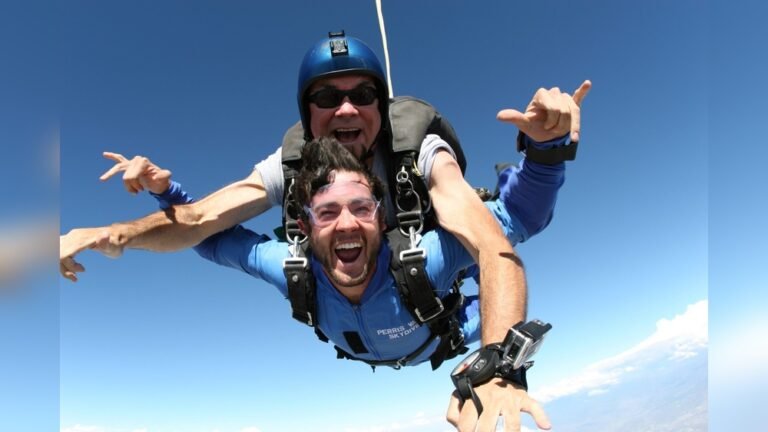
Tandem skydiving is one of the most thrilling experiences you can have, even if you’ve never jumped out of an airplane before. It’s the easiest and safest way for beginners to try skydiving, and it’s grown in popularity around the world.
But what exactly is tandem skydiving? How does it work, what should you expect, and what makes it different from other types of skydiving? Let’s explore everything you need to know, from the basics to the details that even many beginners miss.
What Is Tandem Skydiving?
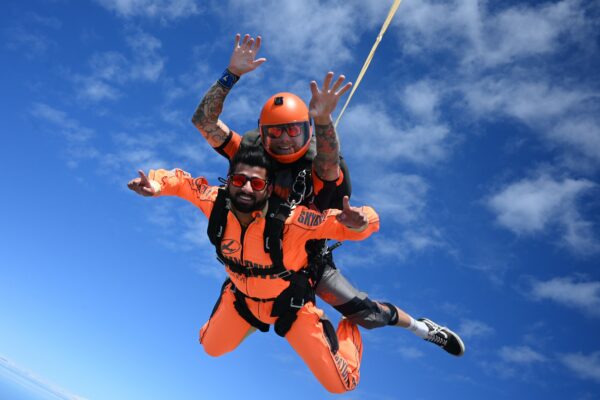
Tandem skydiving is a type of parachute jump where a student is securely harnessed to a professional instructor during the entire experience. Unlike solo skydiving, you don’t have to control the jump, deploy the parachute, or worry about navigation. The instructor takes care of all the technical parts, so you can just enjoy the sensation of freefall and the breathtaking views.
This method was developed in the late 1970s and became widely available in the 1980s. It’s now the standard introduction to skydiving for first-timers. More than 500,000 tandem jumps happen each year in the United States alone, making it the most common way to try skydiving safely.
How Does Tandem Skydiving Work?
The process is simple but carefully planned for safety and enjoyment. Here’s how a typical tandem skydive unfolds:
- Briefing and Training: Before you jump, you’ll get a short training session (usually 15–30 minutes). The instructor explains body position, what to expect, and basic safety instructions.
- Suiting Up: You put on a jumpsuit, harness, goggles, and sometimes a helmet. The instructor checks all gear for a secure fit.
- Boarding the Aircraft: You and your instructor board a small plane. Other pairs may join if it’s a group jump.
- Climbing to Altitude: The plane climbs to around 10,000–15,000 feet (3,000–4,500 meters). This takes about 15–20 minutes.
- The Jump: When the door opens, you and your instructor move to the edge and jump together. Most first-timers feel a rush of adrenaline but are reassured by the instructor’s presence.
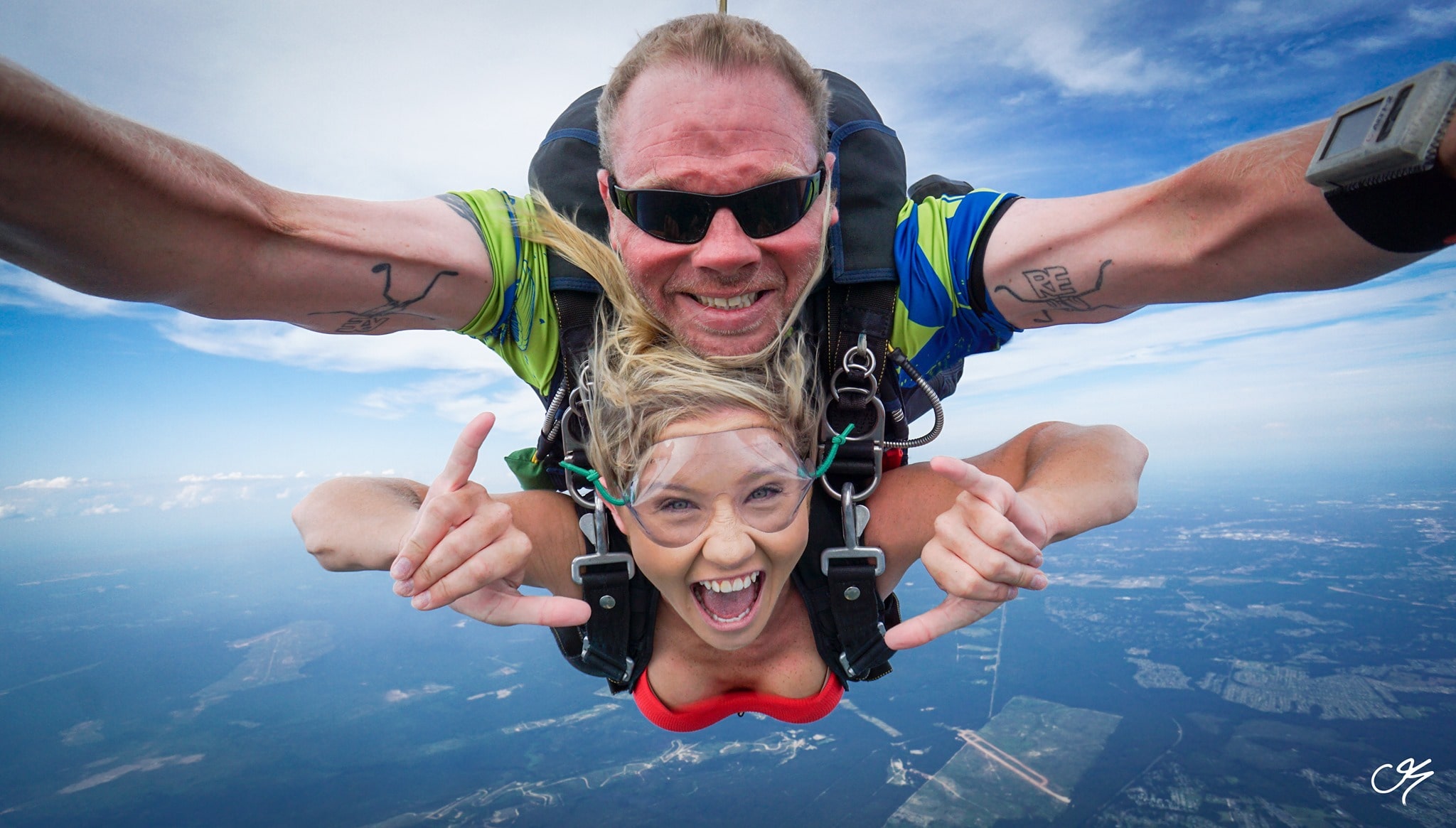
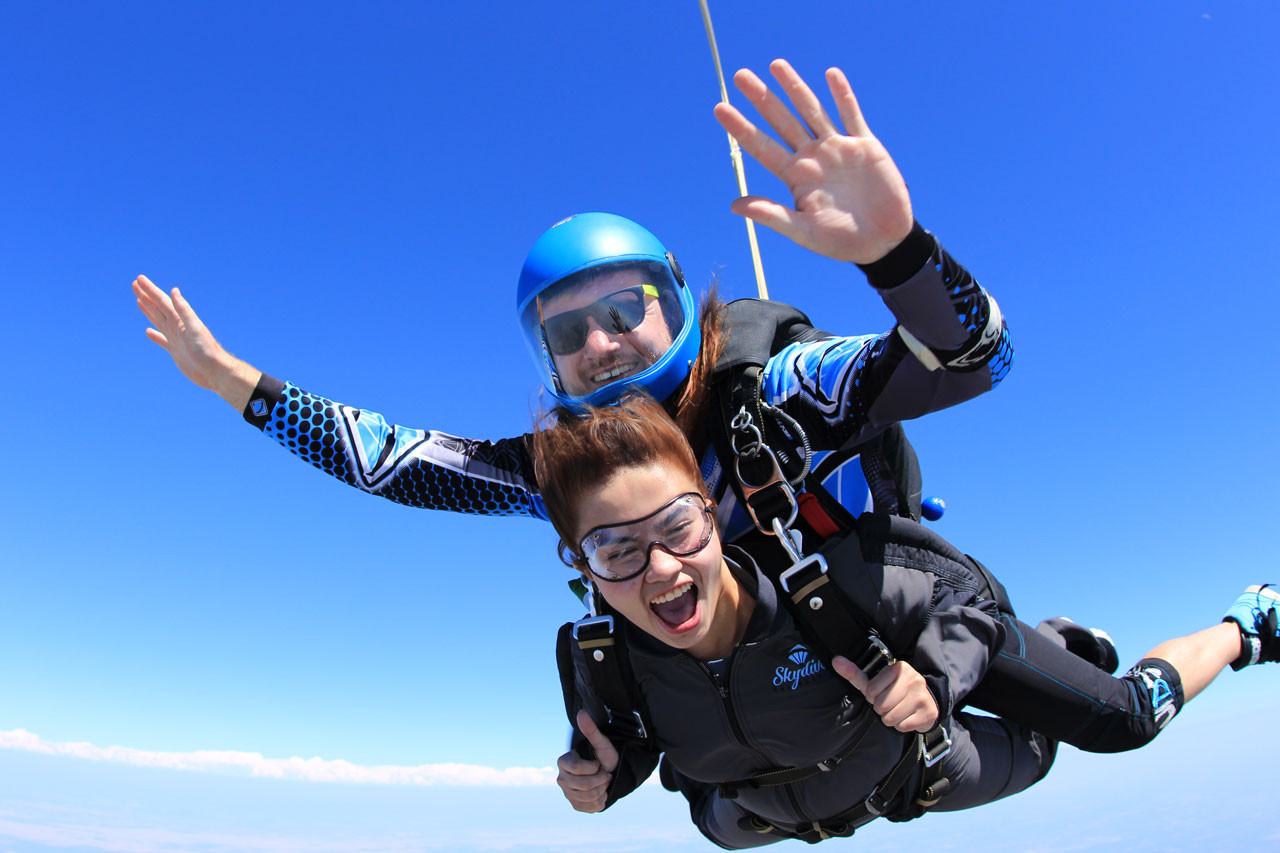
- Freefall: You’ll experience about 30–60 seconds of freefall at speeds up to 120 mph (193 km/h). The instructor maintains stability and position.
- Parachute Deployment: At about 5,000 feet (1,500 meters), the instructor deploys the main parachute. You slow down quickly and begin a gentle descent.
- Canopy Ride: The parachute ride lasts 4–6 minutes. You can enjoy the scenery and even steer under the instructor’s supervision.
- Landing: Your instructor handles landing, guiding you on how to lift your legs or assist as needed for a safe touch-down.
Why Choose Tandem Skydiving?
Safe For Beginners
Tandem skydiving has an excellent safety record. In 2021, the United States Parachute Association reported only 0. 003 student fatalities per 1,000 tandem jumps. This is much safer than solo skydiving for first-timers, mainly due to the experience of the instructor and the use of modern safety equipment.
No Experience Needed
You don’t need any previous training or skills. The instructor manages everything technical, making this the perfect choice for people who want to try skydiving without weeks of lessons.
Lower Stress
Because you’re attached to a pro, there’s less pressure and anxiety. Most people find they can relax and enjoy the excitement rather than worry about procedures.
Quick And Accessible
Most drop zones offer tandem skydiving packages that can be completed in a few hours. It’s a popular choice for birthdays, bucket lists, and team-building events.
Key Equipment Used In Tandem Skydiving
Your safety and enjoyment depend on special gear designed for two people.
Tandem Harness
The tandem harness is a strong system that connects you to your instructor. It has four main attachment points and is adjustable to fit different body sizes.
Tandem Parachute
The main parachute for tandem jumps is larger than solo rigs—usually 350–400 square feet—to support the weight of two adults. There’s also a reserve parachute for emergencies.
Automatic Activation Device (aad)
An AAD is an electronic safety backup. If the instructor doesn’t deploy the parachute by a certain altitude, the AAD automatically opens the reserve canopy.
Drogue Chute
A small drogue chute is deployed right after exit. It slows down the freefall speed, making the descent safer and more comfortable for two people.
Altimeter
The altimeter helps the instructor know exactly when to deploy the main parachute, ensuring a safe jump.
How Tandem Skydiving Compares To Other Skydiving Types
Skydiving has several formats. Here’s a quick comparison between tandem, static line, and Accelerated Freefall (AFF):
| Type | Experience Needed | Jump Height | Who Controls Parachute | Freefall Time | Main Audience |
|---|---|---|---|---|---|
| Tandem | None | 10,000–15,000 ft | Instructor | 30–60 sec | First-timers |
| Static Line | Brief Training | 3,000–4,000 ft | Student | Little/No Freefall | Military/Training |
| AFF | 1-day Course | 10,000–15,000 ft | Student (with instructors nearby) | 30–60 sec | Solo License Seekers |
The Tandem Skydiving Experience: What To Expect
Booking Your Jump
Most skydiving centers let you book online or by phone. It’s wise to check the age and weight limits before you reserve. Most places require you to be at least 18 years old and under 220–250 lbs (100–113 kg), though limits may vary.
Arrival And Check-in
Arrive early to fill out paperwork, show identification, and meet your instructor. You’ll sign a waiver explaining the risks.
Safety Briefing
The instructor will show you how to position your body during freefall and landing. They’ll answer questions and help calm any nerves.
Suiting Up
You’ll put on a jumpsuit, harness, and goggles. The instructor checks all gear for a snug, secure fit. If needed, you’ll get a helmet.
Plane Ride
As the plane climbs, you might feel excitement or nerves. The instructor will review the jump plan and remind you of the key steps.
The Jump
The plane door opens, and you shuffle to the edge. Most people say the moment right before jumping is the most intense. Once you leave the plane, fear often turns into pure excitement.
Freefall
Freefall lasts 30–60 seconds, depending on the jump altitude. The wind is loud, and you’ll feel like you’re flying, not falling. Your instructor keeps you stable and safe.
Parachute Ride
When the parachute opens, the world becomes quiet. You’ll float gently, with time to enjoy the view. Some instructors let you try turning the canopy.
Landing
Your instructor will guide you on the landing technique. Most landings are gentle, like sitting down on the ground.
Safety In Tandem Skydiving
Tandem skydiving is one of the safest ways to experience the sport. Here are some facts that show why:
- In 2021, there were only 10 fatal accidents in over 3.5 million jumps in the US.
- Equipment is designed for two people and is checked regularly.
- Instructors are certified, with hundreds or thousands of jumps before they can take students.
- Every tandem rig has a reserve parachute and an AAD.
Common Safety Features
| Feature | Purpose | How It Helps |
|---|---|---|
| Reserve Parachute | Backup system | Opens if main canopy fails |
| AAD | Automatic activation | Ensures reserve opens if needed |
| Drogue Chute | Slows freefall | Makes descent safer for two |
| Certified Instructors | Expert supervision | Keeps jumpers safe |
Non-obvious Safety Insights
- Weather matters: Most accidents happen when jumpers ignore weather warnings. If your instructor cancels due to wind or clouds, it’s for your safety.
- Altitude awareness: Instructors constantly check their altimeter. Beginners often don’t notice how focused they are on height, not just the view.
Who Can Do Tandem Skydiving?
Most healthy adults can try tandem skydiving. Here’s what you need to know:
- Age: Most countries require you to be at least 18. Some places allow 16+ with parental consent.
- Weight: Limits are set for safety and equipment. If you’re over the limit, ask about options—some centers can accommodate heavier jumpers with special gear.
- Health: You should be in general good health. If you have heart problems, severe asthma, or recent surgery, check with your doctor first.
- Disabilities: Many centers welcome jumpers with disabilities. Call ahead to discuss your needs.
Costs And What’s Included
A tandem skydive usually costs $200–$300 in the United States, with prices varying by location, altitude, and extras like video or photos.
What’s Included
- Training session
- All gear and equipment
- Aircraft ride to altitude
- Instructor’s services
- Parachute jump and landing
Extras
- Video and photos ($80–$150 extra)
- “Repeat jump” discounts
- Upgrades to higher altitudes
Some centers offer group rates or special packages for birthdays and events.
Tandem Skydiving Myths Vs. Reality
Many people have fears or wrong ideas about skydiving. Here are some common myths and the facts:
| Myth | Reality |
|---|---|
| Parachutes often fail | Main canopies are reliable; every rig has a reserve and AAD for backup |
| It feels like a roller coaster drop | Freefall feels more like floating, not a stomach drop |
| Landing is dangerous | Most landings are gentle, especially with an experienced instructor |
| You can’t breathe during freefall | You can breathe normally; just remember to exhale and relax |
Tips For First-time Tandem Skydivers
- Eat normally: Don’t skip meals, but avoid heavy or greasy food before your jump.
- Dress comfortably: Wear athletic clothes and lace-up shoes.
- Listen carefully: Pay attention during the briefing—your instructor’s tips make a difference.
- Stay relaxed: Trust your instructor and enjoy the moment.
- Ask questions: If you’re unsure, ask. Instructors want you to feel confident.
- Arrive early: Give yourself time to settle in and avoid stress.
- Bring friends: Watching others jump can boost your confidence.
- Check the weather: Call ahead if the forecast looks bad.
- Go for the video: The jump goes by fast. Video lets you relive the experience.
Tandem Skydiving Around The World
Tandem skydiving is available in most countries, with stunning drop zones over beaches, mountains, and cities. Famous locations include:
- Interlaken, Switzerland (mountain views)
- Queenstown, New Zealand (lakes and peaks)
- Palm Jumeirah, Dubai (urban and sea views)
- Hawaii, USA (ocean and volcano vistas)
Each drop zone offers a unique experience and scenery. If you travel, consider making a tandem jump part of your adventure.
Frequently Asked Questions
What’s The Minimum Age For Tandem Skydiving?
Most countries set the minimum age at 18 years old. Some drop zones allow 16-year-olds with parental consent. Always check local rules before booking.
Can You Breathe During Freefall?
Yes, you can breathe normally during freefall. The wind is strong, but just relax and exhale. If you feel breathless, open your mouth slightly and turn your head to the side.
What Should I Wear For Tandem Skydiving?
Wear comfortable, close-fitting clothes and athletic shoes. Avoid sandals, boots with hooks, or anything that might come loose. The drop zone will provide a jumpsuit and goggles.
How Safe Is Tandem Skydiving?
Tandem skydiving is very safe for beginners. With certified instructors, modern gear, and strict regulations, the risk is low. According to the United States Parachute Association, the fatality rate is about 1 in 500,000 jumps.
Where Can I Learn More About Tandem Skydiving Safety?
For more detailed safety stats and guidelines, visit the United States Parachute Association website.
Tandem skydiving offers a life-changing thrill in a safe, accessible way. With expert instructors, reliable equipment, and stunning views, it’s an adventure almost anyone can try. If you’ve ever dreamed of flying, this is your chance to experience it—securely harnessed to someone who knows exactly how to make your jump unforgettable.
