
Ice climbing is a sport that often catches the imagination. People see climbers moving up frozen waterfalls, icy cliffs, and snow-packed rock faces. But within ice climbing, there are different ways to climb and protect yourself. One of the most exciting and challenging methods is lead climbing. For those interested in adventure, understanding what lead climbing means in ice climbing can open a whole new world of knowledge and safety.
Lead climbing in ice climbing is not just about strength or courage—it’s about skill, planning, trust in your equipment, and good judgment. If you want to move from following someone else’s lead (called “top roping”) to taking charge of your own climb, it’s important to know exactly how lead climbing works, why it’s different, and what risks and rewards it brings.
This article will break down everything you need to know about lead climbing in ice climbing, using clear explanations, practical examples, and helpful comparisons.
What Is Lead Climbing In Ice Climbing?
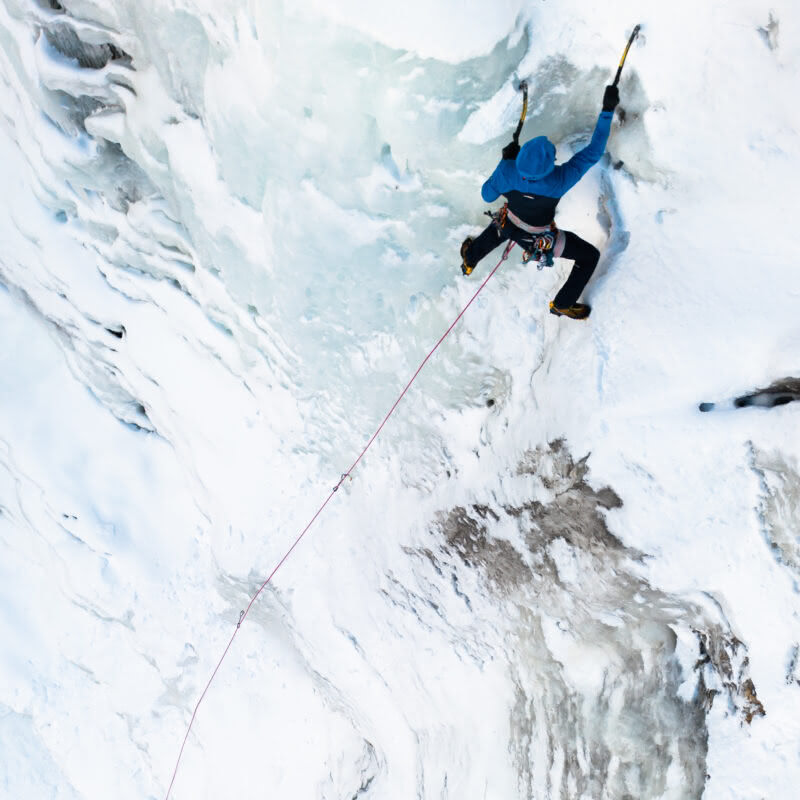
Lead climbing is a method where the climber ascends a vertical or near-vertical ice route while attaching protection as they go. The climber starts at the bottom, ties into a rope, and clips the rope into pieces of protection (like ice screws) placed in the ice.
If the climber falls, the last piece of protection will catch the fall—up to the point where the rope is clipped.
In ice climbing, lead climbing is considered more advanced and risky than top roping because the climber is above their last protection point. This means a fall can be longer, and poor protection can make a fall more dangerous.
Key elements of lead climbing in ice climbing:
- The climber leads the route, placing protection while climbing.
- The belayer stays below, managing the rope.
- The climber is exposed to the risk of a “lead fall,” which may be longer and more dangerous than in rock climbing.
- Good technique and careful gear placement are critical for safety.
Differences Between Lead Climbing And Top Roping
Many beginners start ice climbing with top roping, where the rope is already anchored at the top, and the climber is always protected from above. Lead climbing, in contrast, means the climber makes the route as they go.
Here’s a simple comparison:
| Aspect | Lead Climbing | Top Roping |
|---|---|---|
| Protection Placement | Placed by climber during climb | Pre-set at top of route |
| Fall Risk | Higher, longer falls possible | Lower, short falls |
| Technical Skill Needed | High | Basic to moderate |
| Responsibility | Climber leads, places protection | Climber follows existing rope |
In lead climbing, the climber must decide where and when to place protection. The choices made can mean the difference between a safe fall and a dangerous one.
Essential Gear For Ice Lead Climbing
If you want to try lead climbing in ice climbing, you need specific gear. Each piece has a purpose and must be used correctly.
Basic gear includes:
- Climbing rope: Usually 60-70 meters, dry-treated to resist water.
- Ice axes or ice tools: Two, one for each hand.
- Crampons: Spiked devices that fit on boots for grip.
- Helmet: Protects against falling ice and gear.
- Ice screws: Tubular anchors that twist into the ice for protection.
- Quickdraws or alpine draws: Used to connect the rope to screws.
- Harness: For attaching the climber to the rope.
- Belay device: For the partner to manage the rope.
- Sling or cordelette: For building anchors at belay stations.
In addition to these, proper gloves, warm clothing, and protective eyewear are important. Ice climbing is often cold and wet, so keeping dry and warm is essential.
Example Of A Typical Ice Lead Climbing Rack
| Item | Quantity | Purpose |
|---|---|---|
| Ice Screws | 6-12 | Protection points |
| Quickdraws | 8-12 | Clipping rope to screws |
| Locking Carabiners | 3-5 | Anchors and belay setup |
| Cordelette | 1-2 | Building anchors |
Non-obvious insight: Many beginners bring too few ice screws, not realizing that poor ice quality may require extra placements or backups.
The Lead Climbing Process Step By Step
Lead climbing in ice climbing follows a careful process. Missing a step or rushing can increase risk.
- Route assessment: Before climbing, study the ice for thickness, structure, and possible hazards.
- Gear preparation: Organize gear for easy access. Screws should be at the front of the harness.
- Belayer communication: Clear communication signals (“On belay?”, “Climbing!”) are vital.
- First moves: The climber starts, using ice tools and crampons to move upward.
- Protection placement: Every few meters, the climber stops to place an ice screw, attaches a quickdraw, and clips the rope.
- Managing rope slack: The belayer feeds rope carefully, not too much or too little.
- Dealing with pump and fatigue: The climber must rest and shake out arms when possible.
- Anchor building: At the end of a rope length (pitch), the climber builds a secure anchor to belay the second climber.
- Second climber ascends: The belayer now climbs, removing the screws as they go.
Non-obvious insight: New leaders often place protection too close together (wasting gear) or too far apart (increasing fall risk). Good judgment takes experience.
Risks And Challenges Unique To Ice Lead Climbing
Lead climbing on ice is not just rock climbing with different tools. Ice is a living, changing surface. Risks include:
- Screw failure: Ice screws can sometimes rip out if placed poorly or if the ice is weak.
- Falling ice: The leader may knock down chunks of ice, endangering the belayer.
- Changing ice conditions: Sun, temperature, and water flow can change ice quality quickly.
- Longer falls: Because of the distance between screws, a fall can be 5-10 meters or more.
Example Of A Potential Fall
If a climber places a screw every 3 meters and falls just after passing the last screw, the fall can be:
- 3 meters down to the last screw
- Plus rope stretch (dynamic rope)
- Plus slack in the system
The total fall can be 6-8 meters or more, possibly hitting the ice or ledges below.
Practical tip: Always test ice before placing a screw. Tap with the axe; if the ice sounds hollow or cracks, move to a better spot.
Skills Needed For Lead Climbing In Ice Climbing
Lead climbing is not just about physical fitness. It requires judgment, technical skill, and mental control.
- Efficient movement: Each swing and kick should count. Wasted movement increases fatigue.
- Fast, secure protection placements: Place screws quickly and confidently.
- Rope management: Avoid tangles and excessive slack.
- Risk assessment: Learn to read the ice and weather.
- Self-control under stress: Lead falls are scary; panic can make things worse.
Many climbers practice on easy routes before trying to lead harder ice.
Example: Start by leading short, low-angle ice before tackling steep waterfalls.

Building Safe Anchors In Ice
Anchors are the foundation of safety in lead climbing. At the end of a pitch, the leader must make a secure anchor.
Common anchor methods:
- V-thread (Abalakov anchor): Two ice holes connected with cord.
- Multiple ice screws: Usually two or three screws, equalized with a sling.
| Anchor Type | Best Use | Strength |
|---|---|---|
| V-thread | Descent/rappelling | Very strong when done right |
| Two Screws Equalized | Belay anchor | Strong if screws are good |
| Three Screws Redundant | Poor ice conditions | Extra safety margin |
Pro tip: Always check each screw for solid placement. If in doubt, add another.
Common Mistakes And How To Avoid Them
Beginners often repeat similar mistakes, putting themselves and partners at risk.
- Placing screws in poor ice: Clear away snow and check for solid blue ice before placing.
- Over-gripping tools: This causes faster fatigue (“pumped” arms).
- Not practicing placements: Slow, clumsy placements mean longer exposure to risk.
- Ignoring rope drag: Zig-zagging the rope increases drag. Try to keep placements in a straight line.
- Not wearing safety glasses: Ice chips can damage eyes during placements.
Insider tip: Practice placing screws with your gloves on, hanging from one tool, before trying on real climbs.
Training For Lead Climbing In Ice Climbing
You don’t need to be a super athlete, but good preparation helps. Focus on:
- Grip strength: Practice with hang boards or grip trainers.
- Cardio fitness: Climbing at altitude or in cold weather is tiring.
- Practice on top rope: Place screws while on top rope to build confidence.
- Learn from experts: Take courses or climb with experienced leaders.
If possible, join a climbing club or take instruction from certified guides. This is one of the best ways to learn safe technique.
Mental Aspects Of Leading On Ice
The psychological challenge is real. Leading on ice feels different from following. You must make decisions under pressure.
- Fear management: Accept that some fear is normal. Focus on the process, not the outcome.
- Positive self-talk: Remind yourself of your skills and training.
- Visualization: Picture each move and screw placement before you do it.
Real-life example: Many climbers talk themselves through hard sections out loud—“Swing, step, breathe, place screw.”

When Is The Right Time To Start Lead Climbing On Ice?
There’s no perfect answer, but here are some signs you may be ready:
- You can climb ice routes on top rope without falls.
- You place ice screws smoothly and confidently on practice.
- You understand anchor-building basics.
- You can manage fear and stay calm under stress.
If you’re not sure, ask a guide or experienced climber for feedback.
Lead Climbing Ethics And Environmental Responsibility
Ice climbing takes place in fragile environments. As a lead climber, you have a responsibility to:
- Avoid damaging trees and plants.
- Leave anchors (like V-threads) only when necessary.
- Pack out all trash.
- Respect local rules and access guidelines.
For more about ice climbing ethics and best practices, visit the American Alpine Club.
Frequently Asked Questions
What Makes Lead Climbing On Ice More Dangerous Than On Rock?
Lead climbing on ice has extra risks because ice is less predictable than rock. Ice screws can pull out more easily if the ice is thin or brittle. Also, falling ice and changing weather can create sudden dangers.
How Do You Know If The Ice Is Good For Screw Placement?
Look for clear, dense, blue-colored ice. Avoid white, aerated, or hollow-sounding sections. Always tap with your axe and listen for a solid sound before placing a screw.
How Often Should You Place Protection When Lead Climbing On Ice?
Most climbers place a screw every 2-4 meters, but it depends on ice quality and fall potential. Place more screws if the ice is poor or the consequences of a fall are high.
Can You Practice Ice Lead Climbing Indoors?
There are few indoor options, but you can practice key skills such as placing screws (in wood or special walls), grip strength, and anchor building. Real ice practice is still necessary for full preparation.
What Happens If You Run Out Of Screws Before The Top?
This is a serious mistake. Plan your climb so you always have enough screws to protect the route. If you’re running low, build an anchor and belay from there or down-climb to recover screws.
Taking the step to lead climbing in ice climbing is a big and rewarding move. With the right skills, gear, and mindset, it brings new adventure and responsibility. Learn carefully, practice often, and always climb with safety as your top priority.
