
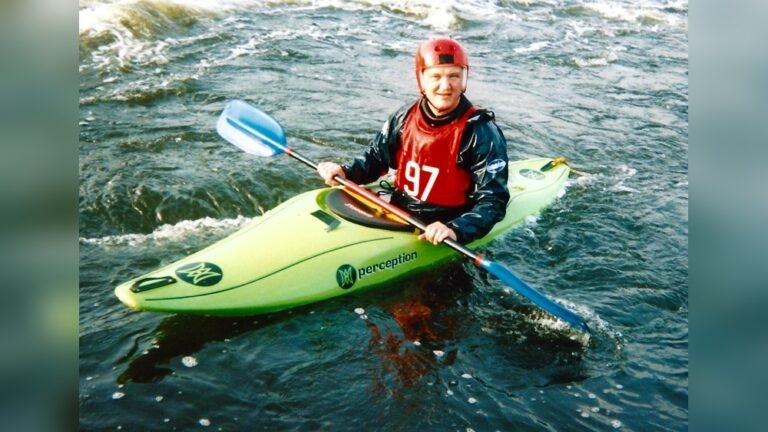
Kayaking is more than just a water sport—it’s an adventure, a workout, and a way to explore nature up close. Whether you glide across a calm lake, ride river rapids, or paddle near the coast, kayaking offers something for everyone.
But what exactly is kayaking? How did it start, what types exist, and what should you know before grabbing a paddle? This guide will help you understand the world of kayaking with clear, simple explanations and practical advice.
What Is Kayaking?
At its core, kayaking is moving through water using a small, narrow boat called a kayak. The paddler sits facing forward and uses a double-bladed paddle to propel and steer the kayak. Unlike canoes, where paddlers usually kneel or sit on a raised seat and use a single-bladed paddle, kayaks keep the paddler low and inside the boat.
Kayaking can be done on different types of water—rivers, lakes, seas, or even whitewater rapids. Some people kayak for relaxation, others for exercise, adventure, or competition.
A Brief History Of Kayaking
Kayaks have a long history. Originally, indigenous peoples in Arctic regions (like the Inuit and Aleut) built the first kayaks thousands of years ago. They used driftwood or animal bones and covered them with animal skins. These early kayaks helped hunters move quietly across water to catch seals and fish.
In the 1800s, kayaking spread to Europe. It became popular for sport and leisure, and the designs changed to use new materials like wood and later, plastic and fiberglass. Today, kayaking is a global activity, with many types and styles suited for different environments and skill levels.
Types Of Kayaks
Choosing the right kayak depends on where you want to paddle and your goals. Here are the main types:
| Type | Best For | Main Features |
|---|---|---|
| Recreational Kayak | Lakes, calm rivers | Wide, stable, easy to use |
| Touring/Sea Kayak | Open water, long trips | Long, narrow, fast, storage space |
| Whitewater Kayak | Rivers with rapids | Short, maneuverable, strong material |
| Inflatable Kayak | Easy transport, casual use | Lightweight, packs small, less durable |
| Fishing Kayak | Anglers | Wide, stable, rod holders, storage |
| Tandem Kayak | Two paddlers | Longer, two seats, stable |
Not all kayaks are the same. For example, whitewater kayaks are much shorter and easier to turn, which helps in fast-moving water. Touring kayaks are made for straight-line speed and can carry gear for camping. Before buying or renting, think about where you’ll paddle and what you want to do.
Essential Kayaking Equipment
To enjoy kayaking safely and comfortably, you need some basic gear:
- Kayak – The boat itself, chosen for your activity and water type.
- Paddle – Usually lightweight, with blades on both ends.
- Personal Flotation Device (PFD) – A life jacket designed for paddling.
- Spray Skirt – Keeps water out in rough or cold conditions (mainly for sit-inside kayaks).
- Helmet – Essential for whitewater and rocky areas.
- Dry Bags – Waterproof bags for keeping clothes, food, or electronics dry.
- Proper Clothing – Quick-drying, water-resistant layers or wetsuits in cold water.
Some beginners overlook the importance of a good-fitting PFD. It’s not just a safety rule—if your PFD is uncomfortable, you’ll be distracted and less likely to wear it. Try on different types before buying.

How To Kayak: Basic Techniques
Learning to kayak is easier than it seems. Here are the key steps:
Getting In And Out
- Place the kayak parallel to the shore in shallow water.
- Hold the paddle behind you, resting on the kayak and the shore for balance.
- Sit down first, then bring your legs in.
Holding The Paddle
- Hands shoulder-width apart, knuckles aligned with the top of the blade.
- Keep your grip relaxed to avoid tired arms.
Forward Stroke
- Dip one blade in the water near your feet.
- Pull the paddle back alongside the kayak, keeping your arms straight.
- Alternate sides for each stroke.
Turning
- Use a wider sweep stroke: Reach the paddle forward, make a big arc outward.
- For sharp turns, place the paddle blade near the back and push outward.
Stopping
- Paddle backward in short strokes to slow down or stop.
Balancing
- Keep your body relaxed.
- Look ahead, not down at the paddle or water.
A common beginner mistake is using only your arms. In fact, good kayaking uses your core muscles. Rotate your upper body with each stroke to paddle longer without getting tired.
Popular Places To Kayak
Kayaking is enjoyed all over the world. Here are a few great spots:
- Lake Louise, Canada – Crystal clear mountain lake, great for beginners.
- Dalmatian Coast, Croatia – Sea kayaking with islands and caves.
- Grand Canyon, USA – Famous for challenging whitewater.
- Ha Long Bay, Vietnam – Paddling among limestone islands.
- Norwegian Fjords – Dramatic cliffs and calm waters.
Many cities also have rivers or lakes where you can rent a kayak for an hour or two. Local clubs often run guided trips for all skill levels.
Health Benefits Of Kayaking
Kayaking is not only fun—it’s also healthy:
- Low-impact exercise – Good for joints, less risk of injury.
- Strengthens core and upper body – Shoulders, back, and arms work together.
- Improves heart health – Regular paddling boosts endurance.
- Reduces stress – Being on the water can calm the mind and reduce anxiety.
- Burns calories – A moderate hour of paddling can burn 300–500 calories.
Some people worry that you need to be very fit, but kayaking can suit almost anyone. Start slow, and you’ll get stronger as you go.
Kayaking For All Ages And Abilities
One of the best things about kayaking is its accessibility. Kids, adults, and even seniors can enjoy paddling. Many areas have adaptive equipment for people with disabilities, such as hand controls for those with limited leg use or stabilizers for extra balance.
If you’re nervous, start on calm water with an instructor or group. You don’t need to be a strong swimmer, but you should be comfortable in water and always wear a PFD.
Safety Tips For Kayaking
Safety is very important. Here’s how to stay safe:
- Always wear a PFD – Even strong swimmers can get in trouble.
- Check the weather – Wind, storms, and cold water can be dangerous.
- Know your limits – Start with easy routes and build experience.
- Tell someone your plan – Let a friend know where you’ll be.
- Stay visible – Bright clothes and a whistle help others see and hear you.
- Learn how to get back in – Practice re-entering your kayak from the water.
- Avoid alcohol – It affects balance and judgment.
A detail beginners miss: cold water is more dangerous than cold air. Hypothermia can set in quickly if you fall in. Dress for the water temperature, not just the weather.
Kayak Vs. Canoe: Key Differences
Many people confuse kayaks and canoes. Here’s a quick comparison:
| Feature | Kayak | Canoe |
|---|---|---|
| Paddler Position | Sits inside, legs extended | Sits or kneels on bench |
| Paddle Type | Double-bladed | Single-bladed |
| Enclosed Deck | Usually enclosed | Open top |
| Speed | Faster, more efficient | Slower, more stable |
| Uses | Rivers, lakes, sea, whitewater | Lakes, calm rivers |
Kayaks are better for solo trips and rough water, while canoes carry more gear or people and are easier for beginners to get in and out of.
Common Mistakes Beginners Make
To enjoy your first paddling trips, watch out for these common errors:
- Gripping the paddle too tightly – Causes tired hands and arms.
- Leaning too far – Makes the kayak unstable.
- Ignoring the weather – Wind and waves can make paddling much harder.
- Not practicing self-rescue – Take time to learn how to get back in your kayak.
- Wearing the wrong clothes – Jeans and cotton shirts stay wet and cold.
Experienced paddlers know that preparation makes a big difference. Check your gear, plan your route, and always have a backup plan.
Competitive And Extreme Kayaking
Kayaking is also a competitive sport. Here are some of the main types:
- Sprint Kayaking – Flatwater racing over short distances.
- Slalom Kayaking – Navigating through gates on a whitewater course.
- Freestyle Kayaking – Performing tricks on river features.
- Sea Kayak Racing – Long-distance ocean racing.
Some athletes take kayaking to the extreme—paddling down waterfalls or through dangerous rapids. These activities require advanced training and safety skills.
The sport is included in the Olympic Games, showing its worldwide popularity and skill level. For more about competitive kayaking, visit the Wikipedia page on kayaking.

How To Start Kayaking
If you’re interested in trying kayaking, here’s how to begin:
- Find a local outfitter or club – Many offer lessons for beginners.
- Rent before buying – Try different kayaks to see what you like.
- Take a class – A few hours of instruction will boost your confidence.
- Start on calm water – Avoid strong currents or big waves at first.
- Go with a friend or guide – Paddling is safer and more fun together.
Many people are surprised by how relaxing and enjoyable kayaking can be. It’s a great way to connect with nature and stay active.
Environmental Impact And Responsible Kayaking
Kayaking has a small environmental footprint, but it’s important to practice Leave No Trace principles:
- Carry out all trash.
- Avoid disturbing wildlife.
- Stay in designated launch areas.
- Clean your kayak and gear to prevent spreading invasive species.
By respecting the water and land, you help keep these places beautiful for everyone.
Frequently Asked Questions
What Should I Wear For Kayaking?
Wear clothes that dry quickly and protect you from the sun. On cold water, use a wetsuit or dry suit. Avoid cotton—it stays wet and cold. Always wear a personal flotation device.
Can I Kayak If I Can’t Swim Well?
Yes, but you should be comfortable around water and always wear a properly fitted PFD. Start in calm, shallow water. Taking a class can help build your skills and confidence.
How Do I Transport A Kayak?
Most kayaks can be carried on a car roof rack with straps. Inflatable kayaks fit in a car trunk. Make sure your kayak is tied down securely and follow local transport laws.
Is Kayaking Safe For Children?
Kayaking is safe for children if you choose calm water, use the right-sized life jackets, and supervise them closely. Many clubs and outfitters have special programs for kids.
How Long Does It Take To Learn Kayaking?
Most people can learn the basics in a few hours. With regular practice, you’ll improve quickly. Taking a lesson helps avoid bad habits and boosts confidence from the start.
Kayaking opens a world of adventure and connection with nature. Whether you want a peaceful paddle or an extreme challenge, there’s a style for you. Remember to stay safe, start slow, and enjoy each journey on the water.
