Ice hockey is a fast, physical sport that grabs attention with its speed and intensity. One of the most unique aspects is body checking—a move that separates ice hockey from many other team games. If you’re new to hockey, you might wonder: What is body checking? Is it safe? Why is it allowed? Understanding body checking gives you a clearer picture of how ice hockey is played, how players stay safe, and why the sport is so exciting.
What Is Body Checking In Ice Hockey?
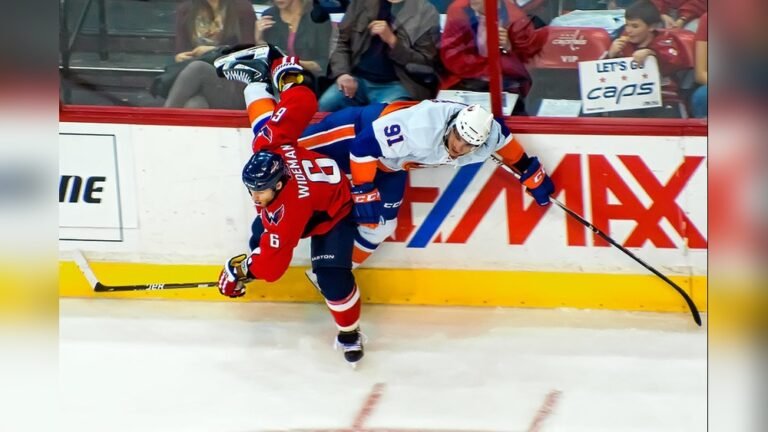
Body checking is a defensive technique where a player uses their body to stop, slow down, or disrupt an opponent. The main goal is to separate the opponent from the puck or force them off balance. Unlike rough play or fighting, body checking is a legal move when done within the rules. It’s a skill that requires timing, strength, and awareness.
A body check usually happens when a player skates towards an opponent with the puck, then makes shoulder-to-shoulder contact. The key is that the check must target the player’s body, not their head or legs, and must avoid dangerous hits.
Body checking is allowed in most men’s leagues, including the NHL, but is restricted in women’s hockey and youth games.
Types Of Body Checking
Different situations call for different types of checks. The most common include:
1. Shoulder Check
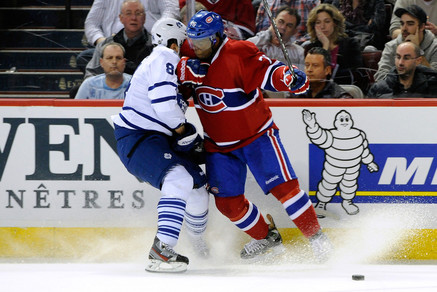
The player uses their shoulder to make contact, aiming for the opponent’s torso. It’s the safest and most popular check.
2. Hip Check
The defender swings their hips into the opponent, usually along the boards. This move can knock the opponent off balance, but it requires precise timing.
3. Open-ice Check
Happens away from the boards, often in the center of the rink. It’s harder to predict and can be more forceful, so players must be careful to avoid penalties.
4. Boarding Check
When a player is checked into the boards. This move is risky; if done dangerously, it leads to penalties.
5. Pinning
The defender uses their body to hold the opponent against the boards, preventing them from moving or passing the puck.
Each check has its own risks and benefits. Shoulder checks are safer, while hip and open-ice checks can be more dramatic but riskier.

Why Is Body Checking Used?
Body checking is not just about aggression. It’s a tactical part of ice hockey. Here’s why teams use it:
- Regain possession: By knocking the puck carrier off balance, defenders can steal the puck.
- Slow down attacks: Checks force fast-moving opponents to stop or change direction.
- Protect teammates: Checking dangerous opponents keeps them from scoring.
- Set the game’s tone: Physical play can intimidate opponents and energize the crowd.
A well-timed check can change the momentum of a game. Coaches teach players to use checking as a tool, not just a weapon.
Rules And Safety Of Body Checking
Body checking is allowed—but only under strict rules. Violating these can lead to penalties or injuries.
- Legal checks must target the body, not the head or knees.
- No checking from behind: Hitting a player who cannot see the check coming is illegal.
- No charging: Players must not skate from far away to deliver a check with excessive force.
- No elbowing or kneeing: These moves can cause serious injury.
The NHL and other leagues monitor checks closely. In youth hockey, checking is often banned until players reach a certain age (usually 13 or older). Women’s hockey bans body checking to reduce injury risk.
Here’s a quick comparison of checking rules in different leagues:
| League | Body Checking Allowed? | Age Requirement |
|---|---|---|
| NHL (Men) | Yes | 18+ |
| IIHF Women’s | No | All ages |
| Youth Hockey (USA) | Only 13+ | 13+ |
| High School | Yes | 14+ |

Common Injuries And Prevention
Body checking can lead to injuries like bruises, sprains, or concussions. However, many injuries happen when checks are illegal or poorly timed. Proper training and safety gear help protect players.
- Helmets: Reduce head injury risk.
- Shoulder pads: Absorb impact.
- Mouthguards: Protect teeth and jaw.
Players are also taught to keep their heads up and avoid dangerous positions. Coaches focus on teaching legal checks and how to receive them safely.
How Body Checking Impacts The Game
Body checking changes the pace and physicality of ice hockey. It makes games more intense and strategic. Teams with strong checkers can control the puck and limit their opponents’ chances.
Let’s look at some real NHL data:
| Team | Average Checks/Game | Win Percentage |
|---|---|---|
| Boston Bruins | 26 | 62% |
| Vegas Golden Knights | 29 | 58% |
| Chicago Blackhawks | 18 | 41% |
Teams with higher checking rates often have better defense but sometimes take more penalties. The balance between physical play and discipline is important.
Skills Needed For Effective Body Checking
Body checking is a skill, not just brute force. Here’s what players need:
- Balance: Players must stay upright during impact.
- Timing: Delivering a check too early or late leads to penalties.
- Awareness: Knowing where opponents are and how to avoid injury.
- Strength: Core and upper-body strength help absorb impacts.
One non-obvious insight: Many beginners think checking is only about strength. In reality, positioning and timing matter more. Small players can be effective checkers if they use speed and angles.
Body Checking Vs. Other Defensive Moves
Some beginners confuse body checking with other moves. Here’s a simple comparison:
| Move | Main Purpose | Allowed in All Leagues? |
|---|---|---|
| Body Checking | Disrupt or separate opponent | No |
| Stick Checking | Steal puck using stick | Yes |
| Poke Checking | Poke puck away | Yes |
| Blocking Shots | Stop puck with body/stick | Yes |
Body checking is more physical. Stick checking and poke checking use the stick and are allowed everywhere.
Evolution Of Body Checking In Hockey
The rules and style of body checking have changed over time. In the early days, hits were more violent, with fewer safety regulations. Now, leagues use video review and stricter penalties to protect players.
Another insight: Advanced analytics show that body checking has become more strategic. Coaches track check statistics, teaching players when to check and when to focus on puck control.
For more on the history and rules of body checking, see Wikipedia.
Frequently Asked Questions
What Is The Main Purpose Of Body Checking In Ice Hockey?
The main purpose is to stop or disrupt the opponent with the puck, regain possession, and protect the defensive zone.
Is Body Checking Allowed In All Hockey Leagues?
No, it’s banned in women’s hockey and most youth leagues. Adult men’s leagues allow it, but with strict rules.
How Can Players Avoid Injuries From Body Checking?
Players should use proper protective gear, learn safe checking techniques, and keep their heads up during play.
What Happens If A Body Check Is Illegal?
Illegal checks can result in penalties, suspensions, or fines. Dangerous hits may lead to injury and strict punishment.
Are Smaller Players Able To Body Check Effectively?
Yes, smaller players can use speed, positioning, and timing to deliver effective checks, even against bigger opponents.
Body checking is a unique, tactical part of ice hockey. It adds excitement, but safety and skill matter most. Understanding the rules and techniques helps fans appreciate the game and players stay safe on the ice.
