

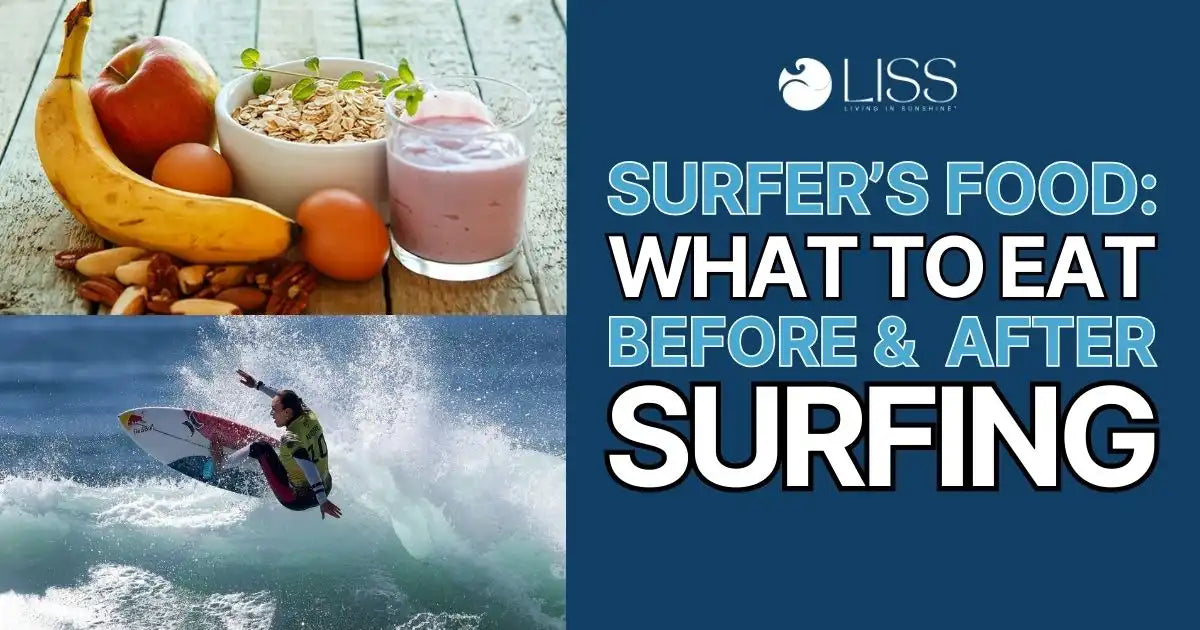
Surfing is not only a sport—it’s a full-body workout that demands quick reactions, strong muscles, and sharp focus. Whether you are riding waves for fun or aiming for competition, what you eat before and after surfing can change everything. Some foods give you long-lasting energy; others help you recover faster. But which foods actually help surfers stay energized for hours in the water?
Many beginners think energy comes from sugary snacks or energy drinks. In reality, these can make you feel tired after a short burst. Surfers need steady energy that lasts, supports muscle strength, and keeps their minds sharp. Choosing the right foods is just as important as choosing the right surfboard. Let’s explore what foods help surfers feel strong, focused, and ready for the waves.
The Science Behind Surfer Nutrition
Surfing burns between 250 and 500 calories per hour, depending on wave size, water temperature, and your skill level. It involves paddling, balancing, jumping, and sometimes swimming against currents. This means you need foods that provide:
- Carbohydrates for quick and lasting energy
- Protein for muscle repair
- Healthy fats for endurance
- Vitamins and minerals for hydration and focus
A poor diet can leave you feeling weak, slow, or even dizzy in the water. Not eating enough, or eating the wrong foods, can also increase your risk of cramps or injury. Surfers who eat well often report better stamina and faster recovery after sessions.
Best Foods For Energy Before Surfing
What you eat before heading out determines how you perform. Here are the top foods to power up your surf session:
1. Oatmeal
Oatmeal is a complex carbohydrate that releases energy slowly. It keeps you full and steady for hours. Add banana slices or berries for extra nutrients.
- Tip: Prepare oatmeal with water or milk for extra protein.
2. Bananas
Bananas are rich in potassium, which prevents muscle cramps. They also provide natural sugar for quick energy and are easy to digest.
- Tip: Eat a banana 30–60 minutes before surfing for best results.
3. Whole Grain Bread
Whole grain bread gives you fiber and slow-release carbs. It’s perfect for a pre-surf sandwich with nut butter or eggs.
- Tip: Avoid white bread; it spikes blood sugar then drops quickly.
4. Greek Yogurt
Greek yogurt is high in protein and calcium. It helps muscles stay strong and supports recovery. It also contains probiotics for gut health.
- Tip: Mix with honey or fruit for added energy.
5. Eggs
Eggs are a complete protein source. They contain all essential amino acids and healthy fats. Scrambled or boiled eggs are easy to digest and prepare.
- Tip: Pair eggs with veggies for extra vitamins.
6. Brown Rice
Brown rice is another slow-burning carb. It keeps your energy stable, unlike white rice. It’s also rich in magnesium, which supports muscle function.
- Tip: Eat with lean meat or tofu for a balanced meal.
7. Nut Butters
Peanut, almond, or cashew butter is full of healthy fats and protein. It’s great for spreading on bread or adding to smoothies.
- Tip: Choose natural nut butters without added sugar.

Hydration: The Forgotten Factor
Many surfers focus on food, but hydration is just as important. Dehydration leads to fatigue, poor focus, and sometimes dizziness. Saltwater and sun can dry you out fast. Drink water before and after surfing, and consider foods rich in water:
- Watermelon: Contains 92% water, plus vitamins
- Cucumber: Refreshing and hydrating
- Coconut water: High in electrolytes for quick recovery
Hydration Comparison
Here’s a quick comparison of popular drinks for surfers:
| Drink | Electrolytes | Sugar Content | Hydration Level |
|---|---|---|---|
| Water | None | 0g | Excellent |
| Coconut Water | High | 6g per cup | Very Good |
| Sports Drink | Medium | 14g per cup | Good |
| Soda | None | 26g per cup | Poor |
Notice how coconut water outperforms sports drinks in electrolyte content with less sugar. Water is still the best for staying hydrated.
Foods To Eat During Longer Surf Sessions
For sessions longer than two hours, or for competitions, surfers need snacks that are easy to carry and eat. Here are smart choices:
1. Energy Bars
Look for bars made with whole grains, nuts, and dried fruit. Avoid those with too much sugar or artificial ingredients.
- Tip: Choose bars with 15–20g carbs and 5–10g protein.
2. Trail Mix
A mix of nuts, seeds, and dried fruit gives you a balance of carbs, fats, and protein. It’s easy to pack and won’t spoil quickly.
- Tip: Avoid chocolate if surfing in hot weather; it melts.
3. Dates
Dates are rich in natural sugars and potassium. They’re small but pack a strong energy punch.
- Tip: Eat 2–3 dates for a quick boost without a crash.
4. Rice Cakes
Rice cakes are light, easy to digest, and provide quick carbs. Top them with nut butter or avocado for extra energy.
- Tip: Bring in a waterproof bag to avoid sogginess.
5. Fresh Fruit
Apples, oranges, or grapes are portable and hydrating. They give quick energy and vitamins.
- Tip: Pre-cut fruit for convenience.

After Surfing: Recovery Foods
Surfing can leave you tired and sore. Recovery foods help muscle repair and refill energy. What should you eat after the session?
1. Lean Meats
Chicken, turkey, or fish are rich in protein. They help muscles recover and prevent soreness.
- Tip: Grill or bake for healthier meals.
2. Quinoa
Quinoa is a complete protein and contains magnesium, iron, and fiber. It’s great for rebuilding strength.
3. Sweet Potatoes
Sweet potatoes are full of complex carbs and vitamin A. They help restore energy and support immune health.
4. Avocado
Avocado offers healthy fats and potassium. It keeps you full and supports heart health.
5. Spinach
Spinach is rich in iron, magnesium, and antioxidants. It helps fight inflammation and supports recovery.
6. Berries
Blueberries, strawberries, and raspberries are packed with antioxidants. They help reduce soreness and speed up recovery.
7. Milk Or Plant-based Milk
Milk gives you protein, calcium, and electrolytes. Plant-based milks (like almond or oat) are good alternatives for lactose-intolerant surfers.
Comparing Pre- And Post-surf Meals
To make things clearer, here’s a table comparing ideal meals before and after surfing:
| Meal Time | Best Foods | Main Benefit | Recommended Portion |
|---|---|---|---|
| Pre-Surf | Oatmeal, banana, eggs, whole grain bread | Sustained energy | 1–2 hours before surfing |
| During Surf | Energy bar, trail mix, dates, fruit | Quick boost, hydration | Small snacks every hour |
| Post-Surf | Lean meat, quinoa, sweet potato, spinach | Muscle repair, recovery | Within 30–60 minutes after surfing |
This approach ensures you get steady energy, quick boosts when needed, and faster recovery after the waves.
Common Mistakes In Surfer Diets
Many surfers make nutrition mistakes that lower their performance:
- Skipping breakfast: Leads to early fatigue and poor concentration.
- Eating only sugary snacks: Causes energy spikes and crashes.
- Not drinking enough water: Increases risk of cramps and dizziness.
- Ignoring protein: Slows muscle repair and recovery.
- Eating heavy meals right before surfing: Can cause stomach problems and sluggishness.
One non-obvious mistake is using commercial energy drinks with high sugar. These can dehydrate you and make you feel tired after the initial rush. Another is eating too much fiber right before surfing, which may upset your stomach.
Practical Tips For Surfer Nutrition
- Plan meals ahead: Prepare snacks and meals the night before.
- Pack light snacks: Keep them in waterproof containers.
- Listen to your body: If you feel tired, eat a small snack or drink water.
- Balance carbs, protein, and fats: Don’t focus on one group only.
- Check weather and water temperature: Cold water burns more calories, so eat extra carbs.
An insight many beginners miss: saltwater increases your need for electrolytes. Even if you don’t sweat much, your body loses minerals. Eating foods rich in potassium, magnesium, and sodium helps replace what is lost. Also, eating fermented foods like Greek yogurt or kimchi helps keep your gut healthy, which is key for energy.
Comparing Healthy Snacks Vs. Unhealthy Snacks
For surfers, not all snacks are equal. Here’s a quick comparison:
| Snack | Energy Quality | Added Sugar | Digestibility |
|---|---|---|---|
| Trail mix | High, long-lasting | Low | Easy |
| Energy bar (natural) | Moderate, steady | Low | Easy |
| Chocolate bar | Quick, short | High | Medium |
| Soda | Quick, crash | Very high | Poor |
| Fresh fruit | Moderate, steady | None | Easy |
Choose snacks that give steady energy and are easy to digest. Avoid those with lots of added sugar.
Frequently Asked Questions
What Are The Best Foods To Eat Before Surfing?
Oatmeal, bananas, whole grain bread, Greek yogurt, and eggs are ideal. They give slow-release energy and are easy to digest. Eat 1–2 hours before your surf session.
How Much Water Should Surfers Drink?
Surfers should drink at least 500–750ml (about 2–3 cups) before surfing, and more after. If the weather is hot or the session is long, increase water intake. Coconut water is a good option for extra electrolytes.
Are Energy Drinks Good For Surfers?
Most commercial energy drinks are not recommended. They contain high sugar and can cause a quick energy crash. Natural options like coconut water or homemade smoothies are better.
What Foods Help With Muscle Recovery After Surfing?
Lean meats, quinoa, sweet potatoes, avocado, spinach, and berries help muscle repair and reduce soreness. Eat these within 30–60 minutes after surfing.
Can Surfers Eat Fast Food For Energy?
Fast food gives short-term energy but often leads to sluggishness and poor recovery. It lacks essential nutrients and can upset digestion. Choose whole foods for lasting energy and better performance.
Surfing is demanding, but with the right foods, you can feel strong, focused, and ready for every wave. Smart nutrition makes your surf sessions safer, more enjoyable, and helps you recover faster. Always listen to your body, plan ahead, and use nutrition as your secret weapon on the water. For more on sports nutrition, check out Eat Right.
