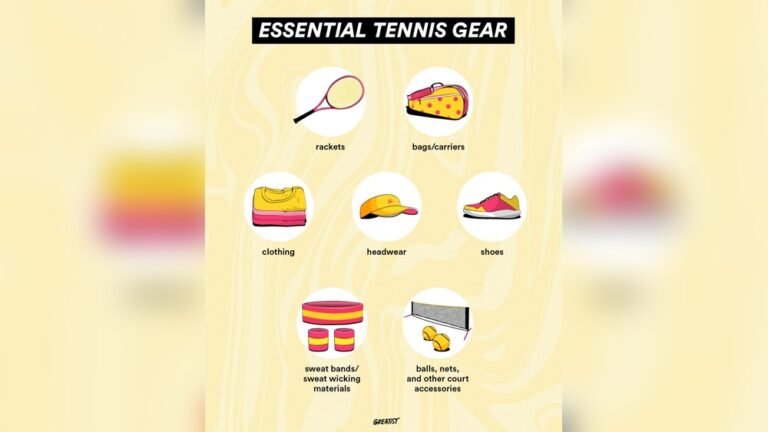
Playing tennis is more than just hitting a ball across a net. To enjoy the game, improve your skills, and stay safe, you need the right equipment. Whether you’re a beginner or have played for years, understanding what gear is essential can make a big difference in your performance and enjoyment.
Many new players focus only on the racquet, but tennis involves much more. From shoes designed for quick movement to sweat-absorbing accessories, every piece of gear has a purpose. This guide explores all the equipment you need to play tennis, explains why each item matters, and offers practical tips for choosing the best options for your needs.
Tennis Racquet: The Heart Of The Game
The most important piece of equipment in tennis is the tennis racquet. Without it, you simply can’t play. Racquets come in different sizes, weights, and materials, and the right racquet depends on your skill level, playing style, and physical strength.
Key Features To Consider
- Head size: Larger heads (over 100 square inches) give a bigger sweet spot, making it easier for beginners to hit the ball. Smaller heads offer more control for advanced players.
- Weight: Lighter racquets (9-10 ounces) are easier to swing but may cause arm strain if they vibrate too much. Heavier racquets (over 11 ounces) offer more stability and power but require more strength.
- Grip size: The grip should fit comfortably in your hand. Too small or too large can cause blisters or wrist pain.
- String pattern: Open string patterns give more spin, while dense patterns offer more control.
Tips For Choosing Your First Racquet
If you’re new, avoid buying the cheapest option. Test a few racquets if possible. Many clubs or shops let you borrow demo racquets before you buy. Pay attention to how the racquet feels after 20-30 minutes, not just the first few swings.
Common Mistake
Many beginners choose a racquet based on price or color. A poor match can cause injuries or make tennis less enjoyable. It’s better to ask for advice at a tennis store or from a coach.
Tennis Balls: More Than Just Yellow Spheres
Tennis balls are another must-have. While they may look similar, not all tennis balls are equal. The type you choose affects bounce, speed, and even your learning curve.
Types Of Tennis Balls
- Pressurized balls: Most common. They have a lively bounce and are used in official matches. However, they lose pressure after a few weeks, even if unused.
- Pressureless balls: Good for practice because they last longer. They feel heavier and slower but keep their bounce for months.
- Beginner balls: Some are softer or larger to slow down the game, making learning easier.
Key Factors
- Surface type: Use balls suited for your court surface. For example, clay-court balls have a different felt texture than hard-court balls.
- Bounce consistency: Good quality balls bounce the same way every time. Cheap balls can be unpredictable.
Tennis Shoes: Support For Quick Moves
Regular sneakers might seem okay for your first few games, but they can lead to injuries. Tennis shoes are built for side-to-side movement, quick stops, and protecting your feet.
What Makes Tennis Shoes Special?
- Lateral support: Tennis involves a lot of sideways movement. Shoes with strong side support prevent ankle rolls.
- Durable soles: The sole pattern is designed for the specific court type—clay, grass, or hard.
- Shock absorption: Good shoes absorb impact, protecting your knees and joints.
- Toe protection: Many players drag their toes when serving, so reinforced toes help shoes last longer.
Choosing Your Shoes
Always try on shoes at the end of the day when your feet are largest. Wear the same socks you’ll use on court. Walk, jog, and try lateral movements to check comfort.
Typical Mistake
Wearing running shoes on a tennis court increases the risk of slipping and injury, especially during sudden direction changes.
Proper Tennis Clothing
Your clothing affects both comfort and performance. Tennis apparel is made for flexibility, breathability, and wicking away sweat.
Men’s And Women’s Clothing Essentials
- Shirts: Lightweight, moisture-wicking fabric like polyester blends.
- Shorts/skirts: Should allow full range of motion. Many have built-in liners or pockets for balls.
- Socks: Thicker, cushioned socks reduce friction and prevent blisters.
- Sports bra: For women, a good sports bra provides support during fast movements.
Sun Protection
For outdoor play, wear a hat or visor and consider UV-protective clothing. Long sleeves or leggings can also help protect skin from sunburn.
Tennis Bags: Keeping Gear Organized
A tennis bag keeps all your equipment together and protected. Tennis bags range from simple single-racquet sleeves to large backpacks and duffels.
Features To Look For
- Racquet compartments: Most bags have padded sections to protect your racquet(s) from damage.
- Shoe pocket: Keeps dirty shoes separate from clean clothes.
- Accessory pockets: For balls, grips, water bottles, and personal items.
- Backpack straps: Make carrying easier, especially if you bike or walk to the court.
Example
If you play after work, a bag with a wet/dry compartment helps store sweaty clothes without soaking everything else.
Grips And Overgrips
The grip is the part of the racquet you hold. Over time, it wears down or becomes slippery. Overgrips are thin wraps that go over the original grip, providing extra comfort and sweat absorption.
Why Use Overgrips?
- Better control: A fresh overgrip prevents the racquet from twisting in your hand.
- Hygiene: Overgrips can be changed often, keeping your handle clean.
- Personalization: Some players prefer tacky grips, others like dry, absorbent types.
Signs You Need A New Grip
If the grip feels hard, shiny, or slippery, it’s time to replace or add an overgrip. Most active players change grips every few weeks.
Vibration Dampeners
A vibration dampener is a small accessory placed between the strings near the racquet’s throat. It reduces the “ping” sound and some vibration when you hit the ball.
Do You Need One?
While dampeners don’t prevent injuries, they can make hitting feel more comfortable, especially for beginners. Some players love the solid feel, others prefer the feedback of an undampened racquet.
Not A Substitute
If you have arm pain, don’t rely on a dampener alone. It’s better to check your racquet weight, string tension, and technique.
Tennis Strings: The Hidden Engine
Few beginners think about tennis strings, but they affect power, spin, and comfort more than most realize.
Types Of Strings
- Synthetic gut: Good balance of feel and price. Suitable for most beginners.
- Polyester: Durable and great for spin, but can be harsh on the arm.
- Natural gut: Expensive, but offers maximum comfort and power.
String Tension
Looser strings give more power and a softer feel, while tighter strings offer control and less bounce. The standard range is 50-60 pounds of tension.
When To Restring
If you play twice a week, restring every 2-3 months. If you notice a drop in performance, it’s time for new strings.
Headbands, Wristbands, And Hats
Sweat can quickly become a problem, making your grip slippery or getting into your eyes. Headbands and wristbands absorb sweat, while hats offer shade.
Why They Matter
- Headbands: Keep sweat from running into your eyes.
- Wristbands: Let you wipe your face without using your shirt or hand.
- Hats/visors: Protect your eyes from the sun, improving visibility.
Water Bottle And Hydration
Tennis is physically demanding, especially in hot weather. Staying hydrated is essential for performance and safety.
Choosing A Water Bottle
- Size: At least 24 ounces for an hour of play.
- Insulation: Keeps water cool in summer.
- Easy to open: Flip-tops are best for quick sips during changeovers.
Practical Tip
Bring an electrolyte drink for long matches, not just water, to replace lost minerals.
Towel
A towel is a simple but often overlooked piece of tennis equipment. Wiping off sweat keeps your grip steady and prevents slipping.
What To Look For
- Size: Hand towels fit in your bag, but a larger towel can be better for long sessions.
- Material: Microfiber towels dry quickly and absorb more sweat.
Tennis Socks: Don’t Settle For Ordinary
Many new players wear regular athletic socks, but tennis socks are designed to reduce friction and cushion your feet.
Key Features
- Thickness: Extra padding at the heel and toe, where most blisters form.
- Moisture-wicking: Keeps feet dry, reducing chafing.
- Arch support: Reduces fatigue during long matches.
Protective Eyewear
While not required, protective eyewear can prevent eye injuries, especially for juniors or those playing doubles.
Who Should Use Them?
- Juniors: Young players are more likely to be hit by stray balls.
- Doubles players: More bodies on court means a higher risk of accidental hits.
- Indoor court users: Walls can reflect balls quickly, increasing risk.
Sunscreen
Outdoor tennis means hours in the sun. Sunscreen is essential to protect your skin from harmful UV rays.
What To Choose
- SPF 30 or higher: Reapply every two hours.
- Sweat-resistant: Stays effective during long matches.
Tennis Ball Hopper Or Basket
If you practice alone or hit a lot of balls, a ball hopper or basket saves time and energy picking up balls.
Features
- Capacity: Most hold 50-80 balls.
- Handles: Folding handles let you carry or stand the hopper.
- Durability: Metal hoppers last longer, but plastic is lighter.
Optional Equipment For Advanced Players
As you improve, you might want extra gear to enhance your game or comfort.
Advanced Options
- Stringing machine: Lets you customize tension and experiment with different strings.
- Ball machine: Fires balls at different speeds and angles for solo practice.
- Smart sensors: Attach to your racquet to track swing speed, spin, and other stats.
- Compression sleeves: Reduce muscle fatigue and support joints.

Comparing Key Tennis Equipment
To help you see the main differences between equipment types, here are a few useful comparison tables.
Racquet Head Sizes
| Head Size | Sweet Spot | Control | Power |
|---|---|---|---|
| Mid (85-97 sq in) | Small | High | Low |
| Midplus (98-104 sq in) | Medium | Balanced | Balanced |
| Oversize (105+ sq in) | Large | Lower | High |
Tennis Shoe Types By Court Surface
| Shoe Type | Best for Surface | Sole Pattern | Durability |
|---|---|---|---|
| Clay Court | Clay | Herringbone | Medium |
| Hard Court | Hard | Thicker, durable | High |
| Grass Court | Grass | Nubs or pimples | Low |
Tennis Ball Types
| Type | Best For | Bounce | Durability |
|---|---|---|---|
| Pressurized | Matches | Lively | Low |
| Pressureless | Practice | Consistent | High |
| Beginner/Stage Balls | Juniors, new players | Softer | Medium |
Two Insights Many Beginners Miss
- The Importance of Proper Grip Size: Choosing the wrong grip size is a common mistake. Too small or large can cause wrist, elbow, or shoulder pain. Always check your grip size before buying a racquet. Most shops have sizing guides or will help you measure your hand.
- Not All Socks Are Equal: Standard athletic socks don’t provide enough cushioning for tennis. Tennis socks have extra padding in key areas, reducing blisters and foot fatigue during long matches.
Practical Tips For Building Your Tennis Kit
- Start with essentials: Don’t buy every accessory at once. Begin with a racquet, three balls, shoes, and comfortable clothes.
- Upgrade over time: As you play more, add overgrips, a better bag, and sweatbands.
- Try before you buy: Whenever possible, test different racquets and shoes. Comfort leads to better play.
- Keep receipts: Some equipment, like shoes or racquets, may not feel right after a few uses. Many stores allow returns or exchanges within a short period.
Where To Buy Tennis Equipment
You can find tennis gear at local sporting goods stores, online retailers, and specialty tennis shops. If you’re just starting, visit a store where you can try gear in person. Staff can offer advice and help you avoid beginner mistakes. For more advanced equipment or reviews, sites like the International Tennis Federation offer valuable resources.

Frequently Asked Questions
What Is The Minimum Equipment Needed To Start Playing Tennis?
At the very least, you need a tennis racquet, three tennis balls, and comfortable tennis shoes. Wear athletic clothes that allow movement. If playing outdoors, bring a water bottle and sunscreen.
How Do I Pick The Right Tennis Racquet For A Beginner?
Choose a midplus or oversize racquet with a larger sweet spot (98-110 square inches). Go for a lighter model (around 9.5-10.5 ounces) and check the grip size by holding the racquet—there should be a finger’s width between your fingers and palm.
Can I Use Running Shoes For Tennis?
It’s not recommended. Tennis shoes are designed for side-to-side movement and sudden stops. Running shoes lack this support and can cause slips or rolled ankles.
How Often Should I Replace Tennis Balls?
For matches, use new balls every session. For practice, pressurized balls last about 1-2 weeks of regular play, while pressureless balls can last several months but may feel heavier.
Do I Need A Tennis Bag As A Beginner?
Not immediately, but as you collect more gear, a tennis bag makes carrying and protecting your racquet, balls, shoes, and clothing much easier. It also helps you stay organized and ready for each session.
Playing tennis is more enjoyable and safer with the right equipment. By understanding what you need and why, you set yourself up for faster improvement and fewer injuries. Invest in quality where it matters, and remember, the best gear is the one that helps you play your best game.
