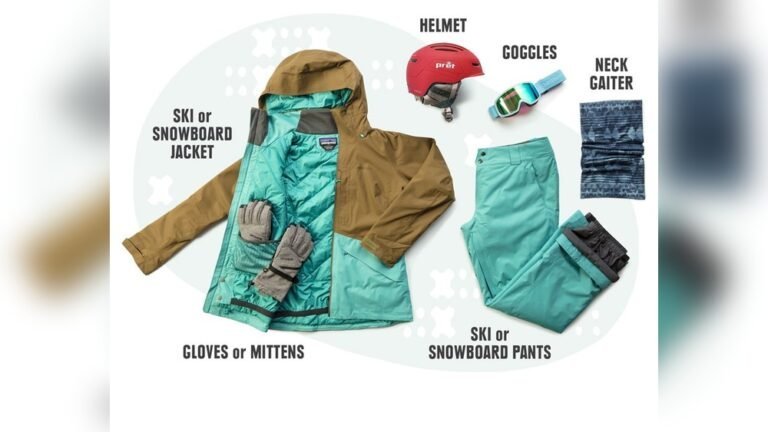
Snowboarding is more than just a thrilling winter activity; it’s a sport where the right clothing can mean the difference between an unforgettable adventure and a miserable day on the slopes. Whether you’re a beginner or a seasoned rider, understanding what clothes you should wear snowboarding is essential for comfort, safety, and performance. The wrong layers can leave you cold, wet, or overheated. The right choices keep you dry, warm, and able to focus on the mountain.
Many newcomers make costly mistakes, like wearing cotton hoodies or jeans, which can soak up water and chill your body quickly. Others might buy the priciest gear, thinking it’s always better, but miss the crucial details that actually matter for snowboarding.
This guide will give you clear, practical advice on every piece of clothing you need, how to layer properly, and which features are worth your money.
The Basics Of Snowboarding Clothing
Choosing snowboarding clothes isn’t just about looking cool. Functionality is the top priority. The best clothing keeps you warm but not sweaty, dry but not restricted, and protected without feeling bulky. The solution is layering: wearing several pieces of clothing that work together. Each layer has a specific job.
- Base layer: Moves sweat away from your skin.
- Mid layer: Holds your body heat.
- Outer layer: Blocks wind, snow, and water.
A lot of beginners miss the importance of each layer. Sometimes, they wear three thick sweaters instead of technical layers, which makes movement hard and doesn’t keep you dry. Understanding the purpose of each layer will help you dress smartly and enjoy snowboarding in any weather.
Base Layer: Your Foundation For Warmth
The base layer sits directly against your skin. Its main job is to manage moisture. When you sweat, especially during intense runs or sunny days, the base layer pulls sweat away so you don’t get cold.
Materials To Choose
- Merino wool: Naturally warm, odor-resistant, and dries quickly.
- Synthetic fabrics: Like polyester or polypropylene. These are excellent at wicking moisture and cost less than wool.
What To Avoid
Never wear cotton as a base layer. Cotton holds water and dries slowly, making you cold and uncomfortable fast.
Recommended Base Layer Pieces
- Long-sleeve top: Choose one that fits snugly but is not tight.
- Thermal leggings: Should fit close to the legs for easy movement.
Mid Layer: Trapping Heat
The mid layer adds insulation. It keeps your body warmth in, but should still let moisture escape.
Best Materials
- Fleece: Lightweight, breathable, and keeps you warm even if a bit wet.
- Lightweight down or synthetic jackets: Very warm, but can be bulky under a shell.
When To Adjust
On warmer days, you might skip the mid layer. On cold days, a thicker fleece or insulated jacket helps a lot.
Common Mid Layer Mistakes
Many riders think thicker is always better. But a very bulky mid layer can restrict arm movement. Choose a layer that is warm, but also lets you move freely.
Outer Layer: Weather Protection
The outer layer is your armor against snow, wind, and rain. It includes your snowboard jacket and pants.
Key Features To Look For
- Waterproofing: Measured in millimeters (mm). A higher number means better water resistance. 5,000mm is the minimum, but 10,000mm+ is better for wet conditions.
- Breathability: Let’s sweat escape. Look for jackets with vents (zippers under the arms).
- Windproof: Keeps cold air out.
- Taped seams: Stops water getting in through stitching.
Types Of Outerwear
- Shell jackets/pants: Lightweight, no insulation, good for layering.
- Insulated jackets/pants: Built-in warmth, less flexible for changing weather.
Example Comparison
Here’s a quick look at how different outerwear types perform:
| Feature | Shell Jacket | Insulated Jacket |
|---|---|---|
| Warmth | Low (add layers) | High (built-in insulation) |
| Weight | Light | Heavier |
| Versatility | High | Medium |
| Price | Often higher | Medium |
Snowboard-specific Outerwear Features
Snowboarding clothes have features that make a big difference on the mountain:
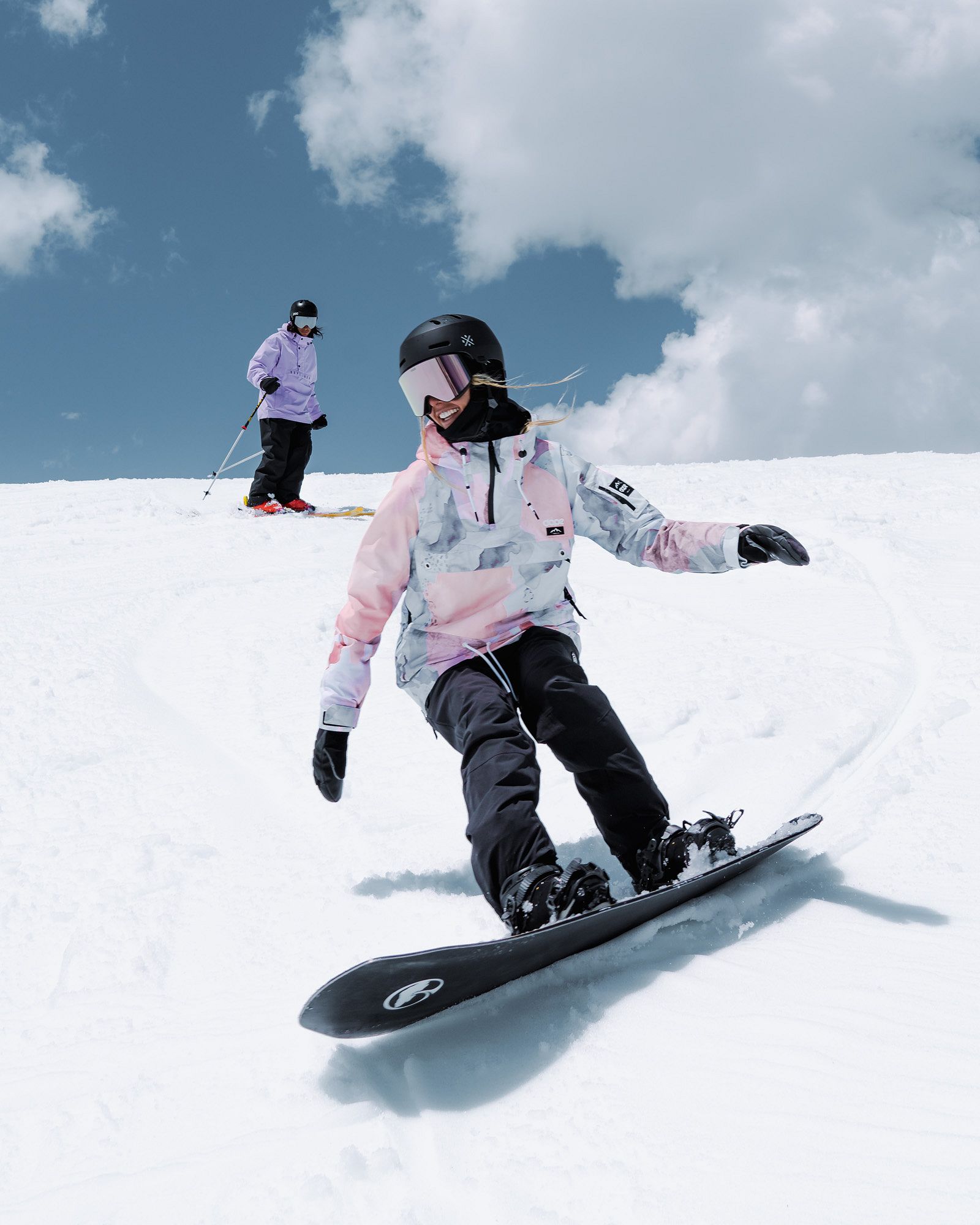
- Powder skirt: Keeps snow from going up your back if you fall.
- Lift pass pocket: Easy access for scanning at lifts.
- Reinforced cuffs: Resists cuts from board edges.
- Extra-long zippers: For venting heat.
These details are often missed by beginners. They might buy a ski jacket, which sometimes lacks these snowboard-specific extras.
Snowboard Pants: What Matters
Snowboard pants should match your jacket in weather protection and mobility.
Key Factors
- Waterproof and breathable: Like jackets, look for 10,000mm+ and ventilation zips.
- Fit: Snowboard pants are looser than ski pants, allowing for more movement and tricks.
- Reinforced cuffs: Protect against sharp edges and boot wear.
- Gaiters: Inner cuffs that go over your boots to keep snow out.
Common Mistake
Some people wear regular winter pants. These get wet fast, don’t stay up after falls, and lack the features that help on the hill.
Socks: One Good Pair
Snowboard socks are often overlooked, but they matter a lot. Cold feet can ruin your day.
What To Look For
- Material: Wool or synthetic blends. Never cotton.
- Thickness: Medium is best. Thick socks can cause blisters because boots fit less snugly.
- Height: Should go above the boot for protection.
Pro Tip
Only wear one pair of socks. Doubling up causes friction and blisters. High-quality snowboard socks are designed to work alone.
Gloves Or Mittens: Warm And Dry Hands
Hands get cold fast, especially on lifts. The right gloves or mittens keep you riding longer.
Gloves Vs Mittens
| Feature | Gloves | Mittens |
|---|---|---|
| Dexterity | High (easy for buckles) | Low |
| Warmth | Medium | Very high |
| Drying time | Faster | Slower |
Important Features
- Waterproof membrane: Like Gore-Tex or similar technology.
- Long cuffs: Tuck under your jacket to keep snow out.
- Wrist leash: Stops you from dropping a glove off the lift.
Non-obvious Tip
Bring a backup pair for wet days or if you drop one in the snow.

Helmet: Essential Protection
A helmet is not just for beginners—everyone should wear one. It protects your head from falls, which are common in snowboarding.
Choosing A Helmet
- Snug fit: Should not move when you shake your head.
- Ventilation: Adjustable vents prevent overheating.
- Goggle compatibility: Sits well with your goggles.
Why Not A Beanie?
A beanie alone cannot protect you from impact. Most resorts now require helmets for lessons and parks.
Goggles: Clear Vision In All Weather
Goggles protect your eyes from sun, wind, and snow. They help you see in flat light and when it’s snowing.
Key Features
- Anti-fog coating: Keeps vision clear.
- UV protection: Mountain sun is strong, even on cloudy days.
- Changeable lenses: For different light conditions.
Pro Tip
Bring an extra lens for sudden weather changes. Yellow or rose lenses are great for cloudy, low-light days.
Face And Neck Protection
Cold wind and snow can burn your face. Use balaclavas, neck warmers, or face masks.
Choosing The Right Face Cover
- Material: Breathable, moisture-wicking fabric.
- Fit: Should cover your nose and mouth without slipping.
- Fogging: Make sure it does not direct breath into your goggles.
Underwear And Sports Bras
What you wear under your layers matters for comfort and mobility.
- Moisture-wicking underwear: Avoid cotton.
- Sports bras: Should offer support but not restrict movement.
Layering For Different Weather
Snowboarding can mean bright sun, heavy snow, or icy winds—all in one day. Adjust your layers for the day’s conditions.
Example Layering Setups
| Condition | Base Layer | Mid Layer | Outer Layer |
|---|---|---|---|
| Cold & Snowy | Merino top/bottom | Thick fleece | Insulated jacket/pants |
| Warm & Sunny | Synthetic top/bottom | None or light fleece | Shell jacket/pants |
| Wet & Windy | Wool base | Fleece or light down | Waterproof shell |
Other Important Gear
A few more items can make your day better:
- Snowboard-specific beanie: For after riding.
- Wrist guards: Useful for beginners (most falls are on hands).
- Back protection: For park or off-piste riding.
- Sunscreen and lip balm: High UV on the slopes.
Common Mistakes To Avoid
- Wearing jeans or sweatpants: These get wet and cold.
- Overdressing: Too many thick layers cause sweating and chill.
- Ignoring waterproof ratings: Not all jackets are truly waterproof.
- Wrong sock choice: Cotton socks will freeze your feet.
- No backup gloves or face cover: Wet items can end your day early.
Where To Buy And How To Choose
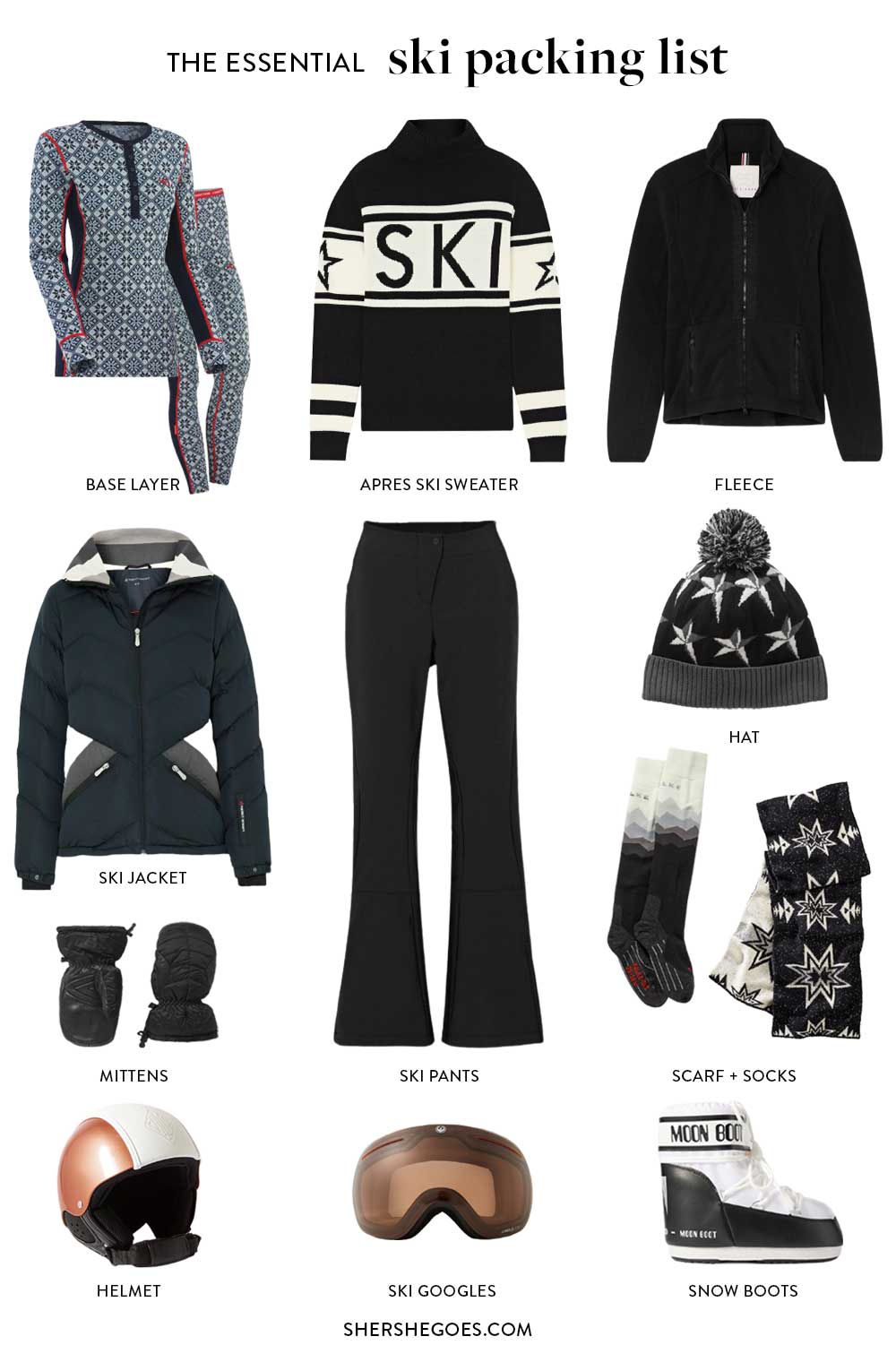
You don’t need the most expensive gear. Focus on fit and features that match your riding style. Try on clothes before buying, and check reviews for durability. Consider renting outer layers if you’re just starting. For more detailed advice on gear selection, check the REI Co-op guide.
Frequently Asked Questions
What Should You Not Wear Snowboarding?
Avoid cotton clothing, including t-shirts, hoodies, and jeans. Cotton absorbs water and keeps you wet and cold. Also, avoid regular winter gloves and socks, as they lack waterproofing and breathability.
Can I Use Ski Clothes For Snowboarding?
Yes, but snowboard-specific gear often has features like longer cuts, reinforced areas, and specialized pockets. Ski jackets and pants work, but may not be as durable for falls and park tricks.
How Many Layers Should I Wear Snowboarding?
Most riders use three layers: base, mid, and outer. Adjust by adding or removing the mid layer based on weather. Never skip the base layer, even on warm days.
Do I Need Special Underwear For Snowboarding?
Yes, pick moisture-wicking underwear. Avoid cotton. For women, a supportive sports bra that allows full movement is best.
How Do I Keep My Hands And Feet Warm?
Wear one pair of wool or synthetic socks and waterproof, insulated gloves or mittens. Use hand warmers if needed, and change out wet items during the day.
Snowboarding is much more enjoyable when you’re warm, dry, and comfortable. With the right clothing, you’ll be able to stay out longer, try more runs, and have a safer experience. Think about each layer, adjust for the day’s conditions, and don’t be afraid to invest in high-quality socks and gloves—they’re small items that make a big difference.
With these tips, you’re ready for the mountain, whatever the weather throws your way.
