Ice hockey is a fast, exciting sport, but it is also very physical. Players move at high speeds, making contact with each other and the boards. Because of this, there are strict rules to keep the game fair and safe.
When someone breaks these rules, referees call penalties. Penalties play a big role in every game. They give the other team an advantage and can change the outcome quickly. If you are new to ice hockey, understanding the most common penalties is important.
It helps you enjoy the game more and see why the referee blows the whistle.
What Is A Penalty In Ice Hockey?
A penalty is a punishment given when a player breaks a rule during play. The player must leave the ice for a set time, and their team must play with one less player. This situation is called a power play for the other team. Penalties can be minor, major, or misconduct, depending on how serious the violation is.
The Most Common Minor Penalties
Minor penalties are the most frequent in ice hockey. They usually last two minutes. Here are the most common types:
1. Tripping
A player uses their stick, skate, or body to make an opponent fall. This is called tripping. It usually happens when a defender tries to stop an attacking player who has the puck.
2. Hooking
When a player uses their stick to slow down or hold an opponent, it is called hooking. The stick is usually around the waist or hands, stopping the opponent from skating freely.
3. Slashing
If a player swings their stick at an opponent, hitting them or their stick, it is slashing. Even if the target is just the stick and not the body, referees will call slashing if it looks dangerous.
4. Interference
Players are not allowed to block or slow down opponents who do not have the puck. Doing this is interference. It is called often, especially when players try to stop others from chasing the puck.
5. Holding
When a player grabs another player’s body, jersey, or stick to stop them, this is holding. It is different from hooking because the hands, not just the stick, are used.
6. High-sticking
If a player’s stick comes up above the shoulders and hits another player, it is high-sticking. This can be dangerous, so referees watch for it closely.
7. Boarding
When a player checks another player dangerously into the boards, it is called boarding. This can cause serious injuries, so referees do not hesitate to call it.
8. Elbowing
Using the elbow to hit an opponent is not allowed. Elbowing is called when a player raises their arm and makes contact with the opponent.
9. Roughing
This penalty is for small fights or unnecessary rough play. If two players push and hit after a whistle, they may both get a roughing penalty.
10. Too Many Men On The Ice
A team can only have six skaters (including the goalie) on the ice. If more are present, the team gets a bench penalty, and a player must serve it.
Major Penalties And Misconduct
Major penalties are more serious. They usually last five minutes. Misconduct penalties can last ten minutes or more and are given for dangerous or disrespectful actions.
1. Fighting
Physical fights are common in ice hockey, but they are not allowed by the rules. Both players involved in a fight get a five-minute major penalty.
2. Checking From Behind
Hitting a player from behind, especially near the boards, is very dangerous. It is punished with a major penalty and sometimes a game misconduct.
3. Spearing
Jabbing an opponent with the stick blade is called spearing. It is rare but very serious. It always gets a major penalty and often a game misconduct.
4. Butt-ending
Hitting an opponent with the top end of the stick is called butt-ending. Like spearing, it brings a major penalty and sometimes a misconduct.
5. Match Penalty
If a player tries to injure someone on purpose, they get a match penalty. They are removed from the game, and their team must play short-handed for five minutes.
Penalty Types Compared
Here is a quick comparison to show how long players are off the ice for each penalty.
| Penalty Type | Time Off Ice | Common Example |
|---|---|---|
| Minor | 2 minutes | Tripping, Hooking |
| Major | 5 minutes | Fighting, Checking from Behind |
| Misconduct | 10 minutes | Abusive Language |
| Match | Out for Game | Attempt to Injure |
Impact Of Penalties On The Game
Penalties can quickly change the momentum of a game. When a team is short-handed, it is harder to defend, and the other team often scores. Statistics show that teams score about 20% of the time on a power play. Some penalties, like match penalties, can lead to suspensions or fines after the game.
Here is a look at how often common penalties happen in professional ice hockey:
| Penalty | Average Calls per NHL Game |
|---|---|
| Tripping | 1.7 |
| Hooking | 1.2 |
| Slashing | 0.9 |
| Interference | 0.8 |
| Fighting | 0.2 |
Less Obvious Penalties
Some penalties are less common, but they still matter:
- Delay of Game: Shooting the puck out of play from the defensive zone leads to a penalty.
- Unsportsmanlike Conduct: Arguing with referees or faking an injury can be penalized.
- Goaltender Interference: Players cannot block or touch the goalie in the crease.
Many beginners do not realize that even small actions, like closing your hand on the puck or using illegal equipment, can result in penalties. Also, repeated minor penalties by the same player can lead to more severe punishment.
How Referees Call Penalties
Referees use hand signals to show what kind of penalty was committed. For example, a referee will tap their knee for tripping or make a chopping motion for slashing. These signals help fans and players understand the call right away.
How Teams React To Penalties
When a penalty is called, the penalized team plays short-handed (with one less player) until the penalty time is over or the other team scores. This is called a “penalty kill.” The other team tries to score during their “power play.” Teams practice both situations a lot because penalties are common.
Why Penalties Are Important
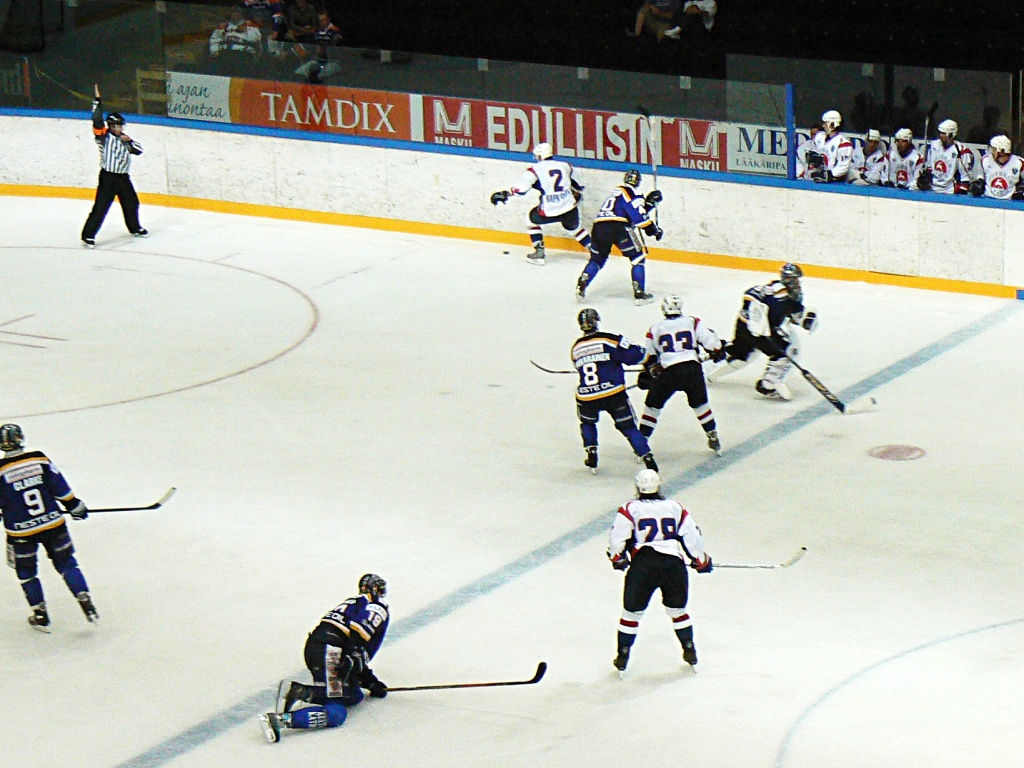
Without penalties, ice hockey would be unsafe and unfair. The rules protect players and make sure the game is played with skill, not just strength. Understanding penalties helps fans appreciate the strategy and discipline needed in every game.
If you want to know more about the official rules, check the Wikipedia page on Ice Hockey Penalties.
Frequently Asked Questions
What Is The Most Common Penalty In Ice Hockey?
The most common penalty is tripping, where a player causes another to fall using their stick or body.
Can A Team Play With More Than Two Players Short?
No, a team cannot have fewer than three skaters (not counting the goalie) on the ice, even if they get multiple penalties.
What Happens If A Goalie Gets A Penalty?
The goalie does not leave the ice. A teammate serves the penalty time for them.
Do Penalties Carry Over Into Overtime?
Yes, if a penalty is not finished in regular time, the remaining seconds carry over into overtime.
Are All Penalties Called The Same In Every League?
No, rules can change slightly between different leagues and countries, but most common penalties are similar everywhere.
Ice hockey penalties keep the game safe and fair. Learning about them helps you enjoy every match, understand referee decisions, and see why discipline is just as important as skill.