
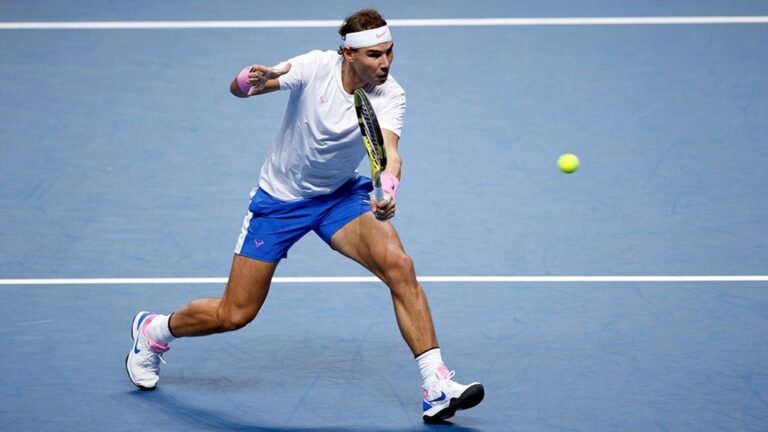
Tennis is a sport known for its speed, strategy, and skill. Every match is a dance of movement and tactics, with players using a variety of shots to outsmart their opponents. If you are new to tennis or just starting to watch it, understanding the main shots is essential.
These shots are not just random swings; each has a purpose and technique. Some shots are about power, others about control, and a few are all about surprise. In this article, you will learn about the main shots in tennis, how they are played, when they are used, and what makes them unique.
Whether you dream of playing better or simply want to enjoy the game more, knowing these shots will open up a new way to watch and understand tennis.
The Forehand
The forehand is the most common shot in tennis and often the first one beginners learn. To play a forehand, a player swings the racket across their body with their dominant hand, hitting the ball after it bounces. Most players use an open stance today, which allows for more power and faster recovery. The shot can be played with either a flat or topspin motion.
Forehands are powerful because the player can use their whole body, especially their legs and shoulders. Top players like Roger Federer and Rafael Nadal are famous for their strong forehands. Federer’s forehand is smooth and fast, while Nadal adds heavy topspin, making the ball jump high off the court.
A good forehand can control rallies and finish points. Beginners often struggle with keeping the ball in the court, especially if they swing too hard. Practicing with focus on balance and timing helps improve accuracy.
The Backhand
The backhand is hit on the opposite side of the body from the forehand. There are two main styles: one-handed and two-handed. Players like Stan Wawrinka use a one-handed backhand, which allows for reach and slice, while Novak Djokovic’s two-handed backhand is known for power and stability.
Backhands are important for handling balls hit to your weaker side. Many beginners find the backhand difficult at first because it uses less natural power and coordination. The two-handed backhand gives more control, especially for returning strong shots, while the one-handed backhand offers flexibility for advanced players.
An effective backhand keeps your opponent guessing. For example, Ashleigh Barty uses her backhand slice to change the pace and make the ball stay low, which forces errors.

The Serve
The serve starts every point in tennis. It is the only shot where the player has complete control, as they toss the ball and hit it into the opponent’s service box. There are three main types of serves: flat, slice, and kick.
- Flat serves are fast and direct, often used for aces.
- Slice serves curve to the side, pulling opponents wide.
- Kick serves bounce high, making return difficult.
Serving well is crucial for winning points quickly and keeping your opponent under pressure. For example, Serena Williams is known for her powerful and accurate serve, often winning free points.
A common mistake is focusing only on speed. Placement and variation are just as important. Practicing different types of serves can make your game more unpredictable.
The Volley
A volley is a shot where the player hits the ball before it bounces. Volleys are usually played close to the net and are used to finish points quickly. Good volley technique requires soft hands and quick reflexes.
There are two main types of volleys:
- Forehand volley
- Backhand volley
Players like Martina Navratilova and Stefan Edberg were masters of volleying, often coming to the net to attack. Today, volleying is less common, but it is still important, especially in doubles.
A strong volleyer can pressure their opponent and shorten rallies. The key is to keep the racket head above the wrist and use a short, controlled swing. Beginners often swing too much, sending the ball long or into the net.
The Overhead Smash
The overhead smash is a powerful shot used to finish points when the ball is high in the air. It is similar to a serve, but played during rallies when the opponent tries to lob the ball over your head.
A good smash requires quick footwork to get into position. The player swings over their head, aiming to hit the ball downwards with force. Pete Sampras and Venus Williams were famous for their strong overheads.
The smash is a clear signal to your opponent that their lob did not work. However, beginners often miss smashes by mistiming the swing or losing track of the ball in the sun.
The Slice
A slice is a shot where the player uses a backspin to make the ball float and stay low. Slices are usually played with a continental grip and a downward swing. They can be hit on both the forehand and backhand sides.
Slice shots are used to change the rhythm of a rally, break an opponent’s timing, or approach the net. They are especially useful on grass courts, where the ball stays low. Players like Roger Federer and Ashleigh Barty use the slice to great effect.
A good slice is not just a defensive shot. It can be used offensively to move opponents forward or create angles. Beginners often make the mistake of slicing too much, which can turn into a weak shot if not executed well.

The Drop Shot
The drop shot is a soft, delicate shot played just over the net, forcing your opponent to run forward. It is the opposite of a power shot and requires excellent touch and timing.
Drop shots are most effective when your opponent is far behind the baseline. Rafael Nadal and Simona Halep use drop shots to surprise opponents and break their rhythm.
To play a good drop shot, hold the racket lightly and brush under the ball. The goal is to make the ball bounce twice before the opponent can reach it. Overusing drop shots can make you predictable, so use them as a surprise weapon.
The Lob
A lob is a high, arching shot played over the opponent’s head, often when they are at the net. Lobs can be defensive or offensive, depending on the situation.
Defensive lobs give you time to recover, while offensive lobs aim to win the point directly. Players like Andy Murray and Martina Hingis are known for their clever lobs.
A well-placed lob can frustrate aggressive net players. However, a short lob gives your opponent an easy overhead smash. Practicing depth and height is key for a successful lob.
The Passing Shot
A passing shot is played when your opponent is at the net. The goal is to hit the ball past them, either down the line or cross-court. Passing shots require accuracy, timing, and sometimes a bit of risk.
Roger Federer and Novak Djokovic are excellent at passing shots, often threading the ball through small gaps. The passing shot is a counter-attack, turning defense into offense.
Choosing the right moment and direction is important. Hitting too close to the opponent gives them an easy volley. Mixing speed and spin can make your passing shots more effective.
The Approach Shot
An approach shot is played when you want to come to the net and finish the point with a volley. It is usually a deep, aggressive shot that pushes your opponent back.
Approach shots can be hit with topspin, slice, or flat, depending on the situation. Pete Sampras and Martina Navratilova used approach shots to set up their net play.
The key is to move forward quickly after hitting the shot. If you wait, your opponent has time to pass you. Many beginners forget to follow their shot, losing the advantage.
The Return Of Serve
The return of serve is the first shot after the opponent’s serve. It is one of the most important shots, as a good return puts pressure on the server. Andre Agassi and Serena Williams were known for their aggressive returns.
A return can be blocked, driven, or even sliced, depending on the speed and spin of the serve. Anticipation and quick reaction are crucial.
Beginners often stand too far back or too close, making it hard to adjust. Watching the server’s toss and body position can give clues about where the serve is going.
The Drive
A drive is a flat, powerful groundstroke, hit with little spin. Drives are used to hit through the court and force errors from the opponent. Both forehand and backhand drives are common.
Players like Maria Sharapova and Juan Martin del Potro use drives to dominate rallies. Drives are best played with good preparation and timing.
Too much force without control can send drives out. The secret is to use your body and keep the swing smooth.
The Half-volley
A half-volley is hit just after the ball bounces, almost as it leaves the ground. It is one of the most difficult shots, requiring quick reflexes and soft hands.
Half-volleys are often played near the net, especially when the opponent hits a low ball. Roger Federer is famous for his ability to play half-volleys under pressure.
The challenge is keeping the racket face stable and not swinging too much. Practicing half-volleys builds confidence for tough situations.
The Topspin Shot
Topspin is a way of hitting the ball so it rotates forward, making it dip into the court. Topspin can be added to forehands, backhands, and even serves.
Players like Rafael Nadal use heavy topspin to push opponents back and make the ball jump high. Topspin shots are safer, as the spin helps keep the ball in the court.
Beginners often struggle to generate enough spin. The key is to brush up the back of the ball, not just hit through it. Topspin also helps on slow surfaces like clay.
The Sliced Serve
A sliced serve is a type of serve with side spin. The ball curves away from the opponent, making it hard to return. Sliced serves are popular on grass and fast courts.
Left-handed players, like Rafael Nadal, use the sliced serve to pull right-handed opponents wide. Sliced serves are also good for opening up the court.
The main mistake is not hitting through the ball enough, causing weak serves. Focus on slicing across the ball while keeping good speed.
The Kick Serve
A kick serve is a serve with topspin and side spin, making the ball bounce high and kick away from the returner. It is mostly used as a second serve.
Players like Pete Sampras and Andy Roddick used kick serves to avoid double faults and keep opponents off balance. The ball jumps up, making it hard to attack.
Kick serves require good technique and a high toss. Many beginners do not toss the ball high enough or hit up on the ball, resulting in flat serves.
The Flat Serve
A flat serve is a powerful, straight serve with little spin. It is the fastest type of serve and used to win free points. Players like Ivo Karlovic and Serena Williams have strong flat serves.
Flat serves are risky, as the margin for error is small. They are best used on the first serve, when you can take more risk.
The challenge for beginners is keeping the ball in. Focus on aiming for larger targets and not just speed.
The Drop Volley
A drop volley is a soft, short volley played just over the net. It combines the skills of volleying and drop shots. Drop volleys are used when the opponent is far behind the baseline.
Players like Tim Henman and Martina Hingis used drop volleys to surprise opponents and finish points quickly.
The key is to relax your grip and use a gentle touch. Overhitting the drop volley turns it into an easy shot for your opponent.
The Block Return
A block return is a defensive return of serve, where the player simply blocks the ball back using the racket’s strings. It is used against very fast serves.
Players like Novak Djokovic use block returns to neutralize big servers and stay in the point.
The aim is to keep the racket firm and use the server’s power. Beginners often swing too much, losing control. Short, simple movement works best.
The Defensive Lob
A defensive lob is played when you are under pressure and need time to recover. It is high and deep, buying time to get back into position.
Defensive lobs are not meant to win points directly, but to reset the rally. They are important when playing against aggressive net players.
A weak defensive lob can give your opponent an easy smash. Focus on height and depth to make it effective.
Comparing Main Tennis Shots
To help you see how these shots differ, here is a comparison based on power, control, and typical use:
| Shot | Power | Control | Common Situation |
|---|---|---|---|
| Forehand | High | Medium-High | Baseline rally, attack |
| Backhand | Medium | High | Baseline rally, defense |
| Serve | Very High | Medium | Start of point |
| Volley | Medium | High | Net play |
| Slice | Low | High | Change pace, defense |
| Drop Shot | Low | Very High | Surprise, opponent deep |
| Lob | Low | Medium | Opponent at net |
| Overhead Smash | Very High | Medium | Punish short lobs |
Spin Effects In Tennis Shots
Spin is a big part of tennis. Here’s a look at how different spins affect the ball:
| Spin Type | Effect on Ball | Common Shots |
|---|---|---|
| Topspin | Dips ball into court, bounces high | Forehand, Backhand, Kick Serve |
| Backspin (Slice) | Floats, stays low | Slice, Drop Shot, Defensive Lob |
| Sidespin | Curves sideways | Sliced Serve, Some Lobs |
| No Spin (Flat) | Fast, low margin for error | Flat Serve, Drive |
When To Use Each Shot
The best players know when to use each shot. Here are examples of situations:
- Use a forehand or backhand to build a rally or attack a weak ball.
- Serve with variety: Flat for power, slice to move the opponent, kick for safety.
- Volleys and overhead smashes are best at the net to finish points quickly.
- Use a drop shot or slice when your opponent is deep behind the baseline.
- A lob is perfect when the other player is at the net.
- Passing shots help when you are under pressure and the opponent attacks the net.
- Defensive lobs and block returns are for survival when you are out of position.
Common Mistakes And How To Avoid Them
Many beginners struggle with these main shots. Here are some mistakes to watch for:
- Trying to hit every shot with full power. Focus on control and placement first.
- Using the same shot every time. Mix up your game to keep your opponent guessing.
- Not moving your feet. Good footwork is key for timing and balance.
- Overusing defensive shots like the slice or lob. Use them with a plan, not just to survive.
- Forgetting to watch the ball. Keep your eyes on the ball until you finish your swing.
Two non-obvious insights:
- The grip changes for different shots are small but make a big difference. Even a small adjustment can turn a forehand into a slice or a flat serve into a kick serve.
- Your preparation before hitting the ball (split step, racket back, body position) is just as important as the actual swing. Many points are lost before the swing even starts.
The Importance Of Practice And Match Play
Learning the main shots in tennis is only the start. Practicing these shots with a coach or on your own helps build muscle memory. Match play shows you when and how to use each shot. Watching professional matches is also useful; you can see how the best players choose their shots and adjust their tactics.
For those looking to improve, focus on one shot at a time. For example, spend a week working on just your serve, then move to volleys. Use drills to build confidence under pressure.
Shot Selection: The Art Of Tennis
Tennis is not just about technique. Choosing the right shot at the right time is what separates good players from great ones. Factors like your opponent’s position, the court surface, your strengths, and the score all influence your decision.
For example, on clay courts, topspin and high lobs work well, while on grass, slices and flat serves are more effective. If your opponent has a weak backhand, aim your shots there. If you are under pressure, use a defensive lob or slice to stay in the point.
The Role Of Equipment
Your racket, strings, and even shoes can affect how you play each shot. Heavier rackets give more power on serves and drives, while lighter rackets are better for quick volleys and touch shots. String tension changes how much spin and control you have.
Professional players often adjust their equipment for different tournaments. Amateurs should test different setups to find what works best for their game.
Learning From The Pros
Studying top players is one of the best ways to improve your shot selection and technique. For example, Novak Djokovic’s backhand, Rafael Nadal’s topspin forehand, and Roger Federer’s slice all show what is possible with practice and skill.
Many matches are won not by power, but by smart use of the main shots. Watching slow-motion replays and reading match analysis helps you see the small details that make a big difference.
If you want to dive deeper into the mechanics and history of tennis shots, check out Wikipedia’s tennis page for more.
Frequently Asked Questions
What Is The Difference Between A Forehand And A Backhand?
A forehand is hit on your dominant side with your palm facing the net, while a backhand is played on the opposite side with the back of your hand facing the net. Some players use one hand for the backhand, others use two. Forehands usually generate more power, but backhands offer more reach and variety.
How Do I Choose When To Use A Slice Or Topspin Shot?
Use a slice when you want the ball to stay low, slow down the rally, or approach the net. It works well on fast or low-bouncing surfaces. Use topspin to make the ball dip into the court, bounce high, and push your opponent back, especially on clay or when attacking.
What Is An Ace In Tennis?
An ace is a serve that lands in the service box and is not touched by the opponent. It is the most effective way to win a point on serve. Flat and well-placed serves are most likely to produce aces.
Why Are Volleys Important In Doubles?
In doubles, the net is crowded and points are shorter. Volleys allow you to finish points quickly and control the net. Good volley skills are essential for aggressive doubles teams and for defending against lobs and passing shots.
How Can I Improve My Return Of Serve?
Stand with a balanced stance, watch the server’s toss, and react quickly. Practice blocking fast serves and driving slower ones. Focus on placement rather than power. Anticipating patterns and practicing with different types of serves will also help improve your return of serve.
Tennis is a game of many shots, each with its own technique, purpose, and strategy. Mastering the main shots gives you the tools to play better, enjoy matches more, and appreciate the skill of professional players. Whether you are just starting or want to take your game to the next level, understanding these shots is the foundation of your tennis journey.
