
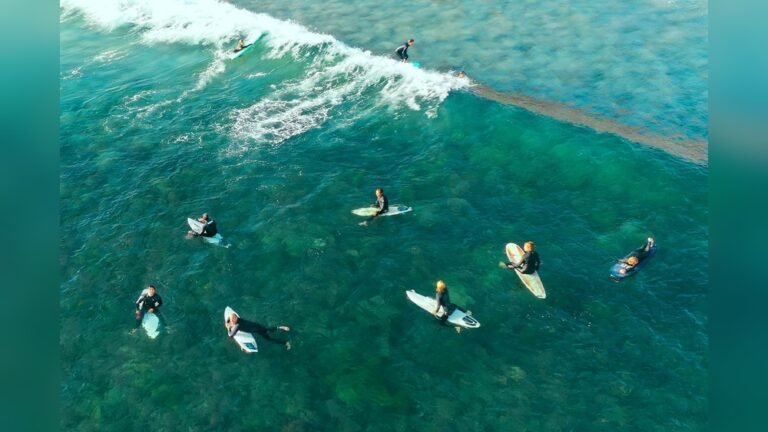
California’s coastline is legendary among surfers worldwide. From powerful breaks in the north to sunny southern beaches, the state offers an unmatched variety of waves for every skill level. Whether you’re new to surfing or a seasoned pro, finding the best surfing beaches in California can change your experience.
Some spots are famous for big competitions, while others are hidden gems loved by locals. This guide explores the top surfing beaches in California, highlighting what makes each spot unique, and sharing tips that even some experienced surfers might overlook.
Grab your board—let’s dive into the best waves the Golden State has to offer.
Huntington Beach
Known as Surf City, USA, Huntington Beach sits at the heart of Southern California’s surf culture. The city has more than 10 miles of sandy coastline, with consistent swells almost year-round. The Huntington Beach Pier is the main attraction for surfers, offering both left and right breaks. The summer south swells can create powerful, hollow waves perfect for advanced riders, while the winter brings more mellow conditions for intermediates.
The city often hosts world-class competitions, including the US Open of Surfing. Surf shops, rentals, and schools line the beachfront, making it easy for beginners to join the action. One insight beginners miss: the currents near the pier can be strong—always check the tide and ask lifeguards about local conditions before paddling out.
Malibu Surfrider Beach
Few places are as iconic as Malibu Surfrider Beach. This spot is famous for its long, right-hand point break, which can provide rides up to 300 yards on a good day. Malibu attracts everyone from Hollywood stars to local legends, and its waves are gentle enough for beginners but also fun for experienced longboarders.
There are three main breaks—First Point, Second Point, and Third Point—each with its own vibe. First Point is best for long, mellow rides. The summer south swells bring out the best in Malibu, but crowds can be intense. Arriving early in the morning can help you find a less crowded lineup.
Many beginners don’t realize that Malibu works best on a rising mid-tide; check the tide charts before planning your session.
Trestles
Trestles in San Clemente is a dream destination for serious surfers. It’s home to several famous breaks, including Lower Trestles, which is known for its perfect A-frame waves. The area is a regular stop on the World Surf League tour, attracting top talent from around the globe.
Trestles requires a 15-20 minute walk from the parking area, so pack light and bring plenty of water. The waves are consistent and work well in both summer and winter, but the best conditions usually arrive with a clean south swell. One advanced tip: Trestles’ cobblestone bottom creates fast, rippable waves, but can be rough on bare feet—consider wearing surf booties if you’re new to rocky entries.
Rincon
Rincon is often called the “Queen of the Coast.” Located near Santa Barbara, Rincon delivers one of the longest right-hand point breaks in California. On a good winter swell, you can ride a single wave for several hundred yards, transitioning smoothly through multiple sections.
The wave at Rincon is fast but smooth, making it ideal for advanced maneuvers and long rides. It’s best from November to March, when northwest swells light up the point. However, crowds can be heavy, and local etiquette is strict—wait your turn and respect the lineup. A less obvious detail: the inside section near the highway offers shorter rides perfect for practicing takeoffs before joining the main crowd.
Steamer Lane
Steamer Lane is the pride of Santa Cruz. This spot is known for its powerful right-hand reef break and dramatic cliffside views. It’s divided into four main zones: Indicators, Middle Peak, The Slot, and The Point. Each section offers different wave shapes and sizes, so you can find a spot that matches your skill level.
Winter brings the biggest and most consistent swells, but Steamer Lane can work year-round. The cliffs make it easy for spectators to watch, but getting in and out of the water can be tricky—there’s a staircase and a jump-off spot, so observe others before attempting entry. One thing many overlook: strong currents can push you toward the rocks if you’re not careful, especially on bigger days.
Blacks Beach
Blacks Beach in San Diego is famous for its powerful, fast, and sometimes intimidating waves. The break sits below steep cliffs near the University of California, San Diego campus. The beach faces west, catching large winter swells that can produce waves over 10 feet high.
This spot is best for advanced surfers who are comfortable with heavy surf and strong currents. The long paddle out and shifting peaks require confidence and fitness. There’s also a clothing-optional section, so don’t be surprised by the local scene. One insight: the best waves often form at the southern end, where underwater canyons focus energy into hollow peaks.

Swami’s
Swami’s in Encinitas is a classic point break, named after the nearby meditation center. It’s known for its long, peeling right-hand waves that are ideal for both shortboard and longboard surfing. Swami’s works best during winter swells, especially when northwest energy wraps into the point.
The wave here is mellow at the takeoff but speeds up as it moves down the line. The parking lot fills up quickly, so arrive early or be ready to walk a bit. The reef can be shallow at low tide—check your surroundings before paddling out.
Many new surfers miss the fun inside reforms that are great for practicing cutbacks and carves.
Pleasure Point
Located in Santa Cruz, Pleasure Point is a favorite among locals for its variety of breaks and relaxed atmosphere. The area features several peaks along a stretch of reef, with waves for all skill levels. The inside sections are excellent for beginners, while the outer reefs challenge advanced riders.
Pleasure Point works on most swells, but northwest and west swells bring out its best shape. The kelp beds help smooth the surface, reducing wind chop. If you’re new, avoid paddling out at low tide when rocks are exposed. Many overlook the smaller “Middles” section, which often has fewer surfers and fun, fast waves.
Mavericks
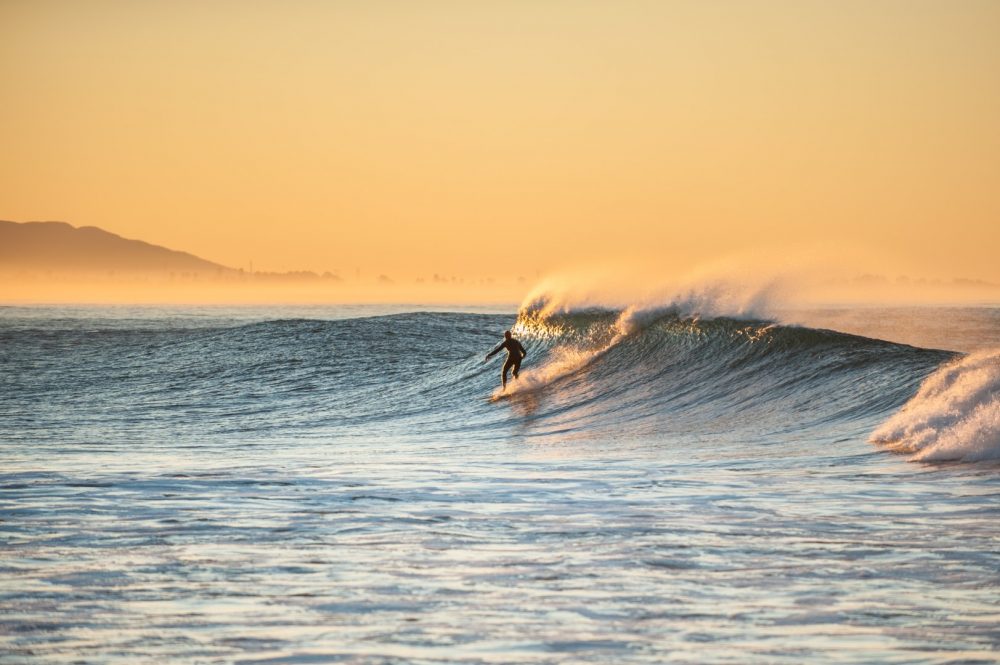
When it comes to big wave surfing, Mavericks near Half Moon Bay is in a league of its own. This spot is reserved for the world’s best surfers, with waves reaching 25-60 feet during peak winter storms. Mavericks is famous for its cold water, huge sets, and dangerous conditions.
Only expert surfers should even consider tackling Mavericks. The takeoff zone is treacherous, with unpredictable waves and a rocky bottom. Jet ski support and safety teams are common during swells. For most people, watching from the bluff is the best option.
If you do surf here, proper training, equipment, and a safety plan are essential.
Salt Creek
Salt Creek in Dana Point is a versatile surf spot with multiple peaks and a friendly local scene. It offers both beach and point break waves, making it suitable for various skill levels. The main break, called “The Point,” delivers fast lefts and rights over a sandy bottom.
Salt Creek works well with southwest swells, especially in spring and summer. The beach is family-friendly, with lifeguards and plenty of amenities. New surfers should watch for the rip currents that form near the rocks—always check conditions before paddling out. A tip: the inside reform waves are perfect for practicing your pop-up and getting comfortable in the water.
Cardiff Reef
Cardiff Reef near Encinitas is a classic reef break known for its friendly vibe and easy access. The waves are soft and rolling, ideal for longboarders and beginners. Cardiff works best during winter and spring swells, offering long rides with a mellow takeoff.
The area has a wide, sandy beach and a large parking lot, making it popular with families. The reef is covered in sea grass, which can be slippery—wearing booties can help prevent falls when entering or exiting the water. One local secret: the “Kook” statue nearby is a fun photo spot after your session.
Ocean Beach
Ocean Beach in San Francisco is a challenging beach break famous for its powerful waves and cold water. The beach stretches for three miles, providing plenty of room but also strong rip currents and shifting sandbars.
Ocean Beach works best in the fall when offshore winds clean up the surf and northwest swells arrive. It’s not ideal for beginners due to heavy surf and tricky conditions. Advanced surfers love the big barrels and long rides. A less obvious detail: the south end near the Cliff House often has more manageable waves when the main beach is maxed out.
San Onofre State Beach
San Onofre, or “San O,” is one of California’s most laid-back surfing spots. The beach has several breaks: The Point, Old Man’s, and Dog Patch are the most popular. The waves are slow and rolling, making them perfect for longboarding and learning to surf.
San O is known for its friendly crowd and mellow atmosphere. It works best during south swells in summer and is suitable for all ages. Parking can fill up fast, especially on weekends, so arrive early. One tip: bring a bike or skateboard—the walk from the parking lot to the breaks can be long.
Zuma Beach
Zuma Beach in Malibu offers wide, sandy shores and consistent waves. It’s less crowded than Surfrider, making it great for intermediate surfers looking for space. The beach break can produce punchy peaks, especially during west and northwest swells.
Lifeguards patrol the area, and the water quality is usually excellent. Zuma’s open beach can be windy in the afternoons; morning sessions are often cleaner. Many overlook the north end, which sometimes has better-shaped waves and fewer people.
Newport Beach (the Wedge)
The Wedge in Newport Beach is legendary for its massive, shore-pounding waves. When south swells hit just right, the wedge-shaped jetty creates waves that can reach over 20 feet. These waves break close to shore with incredible power, making The Wedge a spot for experts only.
Bodyboarders and bodysurfers also flock here, but surfing is allowed when the conditions are right. The Wedge is famous for its “sidewash”—a wave that bounces off the jetty and creates unique, unpredictable peaks. One insight: always check the surf report before heading out—conditions can change quickly, and even experienced surfers can get caught off guard.
California Surfing Beach Comparison
To help you compare, here’s a quick look at some important factors for each spot:
| Beach | Wave Type | Best Season | Skill Level |
|---|---|---|---|
| Huntington Beach | Beach Break | Summer | All |
| Malibu Surfrider | Point Break | Summer | All |
| Trestles | Reef/Point | Summer/Fall | Intermediate/Advanced |
| Rincon | Point Break | Winter | Intermediate/Advanced |
| Steamer Lane | Reef Break | Winter | Intermediate/Advanced |
What To Consider When Choosing A Surfing Beach
Not all California beaches are the same. Before heading out, consider these important factors:
- Wave size and type: Some spots are gentle and great for learning, while others have fast, heavy waves.
- Crowds: Popular beaches like Malibu and Huntington can get crowded, especially on weekends.
- Local rules and etiquette: Always respect the lineup and follow any posted guidelines.
- Facilities: Some beaches offer showers, rentals, and lessons; others are more rugged.
- Parking and access: Parking can be limited at top spots. Arriving early helps.
Here’s a quick overview of amenities and crowds:
| Beach | Facilities | Crowd Level | Parking |
|---|---|---|---|
| Malibu Surfrider | Showers, Rentals | High | Limited |
| San Onofre | Restrooms, Campground | Medium | Moderate |
| Mavericks | None | Low (Surfers) | Street |
| Cardiff Reef | Restrooms, Parking | Medium | Good |
| The Wedge | Restrooms | High | Limited |
Practical Tips For Surfing In California
- Wetsuit needed: Even in summer, California water can be chilly. A 3/2mm wetsuit works for most of the year; in winter, you may need a 4/3mm.
- Check the surf report: Websites and apps give live updates on swell, wind, and tides. Use these before heading out.
- Respect the locals: Many spots have strong local communities. Be polite, wait your turn, and don’t drop in on other surfers.
- Protect your valuables: Car break-ins can happen at popular beaches. Don’t leave valuables in your vehicle.
- Be aware of wildlife: Seals, dolphins, and even sharks can be found in California waters. Stay calm and give wildlife space.
Frequently Asked Questions
What Is The Best Month To Surf In California?
The best months are usually September to November. During this period, the water is warmest, offshore winds are common, and swells are consistent. However, different beaches have their own peak seasons.
Can Beginners Surf At All These Beaches?
Not all beaches are beginner-friendly. San Onofre, Malibu Surfrider, and Cardiff Reef are great for learning. Avoid spots like Mavericks or The Wedge unless you’re highly experienced.
Is It Safe To Surf Alone In California?
It’s safer to surf with a friend, especially if you’re new to the area or the conditions are rough. Always let someone know where you are, and check for lifeguard presence.
Do I Need A Wetsuit In California?
Yes, most of the year. Water temperatures range from 50°F to 70°F. A wetsuit keeps you warm and protects against sun and scrapes.
Where Can I Find More Information About Surfing Beaches?
For more details and live surf reports, visit the official Surfrider Foundation website.
California’s surfing beaches offer something for everyone, from gentle longboard waves to powerful breaks for experts. Whether you’re chasing your first wave or looking for a challenge, the Golden State’s coastline is waiting. Respect the ocean, follow local etiquette, and enjoy the ride—your next great surf session is just a beach away.
