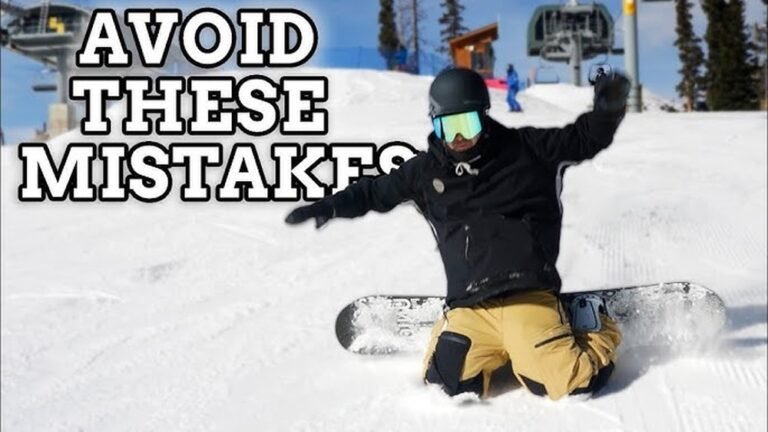
Snowboarding feels like pure freedom. You glide over snow, carve sharp turns, and sometimes, you fall and laugh. But every snowboarder starts as a beginner. In the early days, mistakes are common—and some can make learning harder or even dangerous.
Knowing what these mistakes are can save you from frustration, help you progress faster, and keep you safe on the mountain.
Many beginners focus only on having fun, but understanding technique and mountain rules is just as important. If you want to avoid bad habits and build your skills, it’s smart to learn from the most common beginner mistakes. Let’s explore these mistakes, why they happen, and how to fix them—so you can ride with more confidence and less pain.
Choosing The Wrong Equipment
Selecting the right gear is one of the first steps for any snowboarder. A common mistake is picking equipment that doesn’t fit your body or skill level.
Many new riders rent boards that are too long or stiff, thinking bigger means better control. In reality, a board that is too large makes turning and stopping difficult. Boots that are too loose can lead to poor control, while boots that are too tight cause pain and numbness.
Bindings also matter—a poor setup can lead to uncomfortable riding or even injury.
Here’s a simple guide to sizing a snowboard:
| Rider Height | Board Length |
|---|---|
| 150-160 cm | 140-148 cm |
| 160-170 cm | 145-153 cm |
| 170-180 cm | 150-158 cm |
| 180+ cm | 155-163 cm |
Key insight: Try multiple boot sizes and board lengths before buying. Small differences can completely change your comfort and progress.
Skipping Basic Lessons
Some beginners believe they can learn by watching videos or copying friends. While this works for a few, most riders need proper instruction. Skipping basic lessons can lead to bad habits—like poor stance or unsafe falling technique.
A certified instructor not only teaches you how to move, but explains why certain motions matter. They will show you how to strap in, how to fall safely, and how to control your speed. You’ll also learn mountain safety and etiquette, which is often missed when learning alone.
Non-obvious tip: Even one or two professional lessons will help you avoid bad habits that are hard to fix later.

Poor Stance And Balance
Many new snowboarders stand too upright, lean back, or bend at the waist. The right stance is a relaxed, athletic position—knees bent, back straight, arms out for balance.
Standing too straight makes you stiff, while leaning too far back causes the board to shoot out from under you. Over-bending at the waist puts weight on your toes or heels in the wrong way. These mistakes make turning, stopping, and balance much harder.
Practical fix: Practice your stance on flat ground before riding. Feel the board under both feet, bend your knees, and keep your weight centered.
Looking Down At The Board
It feels natural to look at your feet as you ride, but doing so ruins your balance. Your body follows your eyes—so if you look down, you’ll shift weight forward or backward and lose control.
Instead, look where you want to go. Focus on the path ahead, not your board. This keeps your body aligned and helps you react to changes in the terrain.
Common beginner insight: Looking ahead also helps you spot obstacles and other riders in time to avoid them.
Ignoring Edge Control
Snowboards have two main edges: toe edge and heel edge. Beginners often stay on a flat base, afraid to tilt the board. This leads to sliding out of control or catching an edge.
Learning to use your edges is key for turning and stopping. Gently shift your weight to engage the edge you want, without digging in too hard. Practice rolling your ankles and feeling the edge bite into the snow.
| Edge | Used For | Common Mistake |
|---|---|---|
| Toe Edge | Turning, slowing down | Leaning too far forward, catching edge |
| Heel Edge | Turning, stopping | Leaning too far back, falling backward |
Non-obvious tip: Practice “edge rolls” on flat snow before hitting the slopes. Feel the difference between toe and heel edge engagement.
Not Learning To Fall Safely
Falling is part of snowboarding. Beginners often put out their hands or fall backward with stiff arms, risking wrist or tailbone injuries.
The safer way to fall is to keep arms tucked and try to land on your forearms and knees if falling forward, or to “sit down” if falling backward. Wearing wrist guards and padded shorts reduces injury risk.
Pro insight: Practice falling on soft, flat snow intentionally—this builds confidence and muscle memory for real falls.
Relying Too Much On The Back Foot
Many beginners press down on their back foot, trying to steer or slow down. This habit—called “riding in the back seat”—makes the board harder to control and increases the chance of falling.
Proper turning and stopping require even weight on both feet. Shifting weight smoothly from foot to foot is how you steer. Relying on the back foot tires your leg and limits progress.
How to fix: Focus on keeping your hips centered between both bindings, and trust your front foot to guide the board.
Fear Of Speed
It’s normal to feel nervous about going fast. Some new riders brake constantly or zigzag across the slope to slow down. This makes riding more tiring and sometimes less safe, because you’re not going with the flow of the slope.
Speed actually helps with balance. The board glides more smoothly, and turns become easier. The key is learning to control your speed with turns, not by scraping the edge or stopping often.
Data point: Studies show that beginners who practice turning at moderate speed gain confidence twice as fast as those who always ride slowly.
Not Using The Whole Body For Turning
Turning a snowboard isn’t just about moving your feet. Your whole body, from shoulders to knees, works together. Beginners often twist only their ankles or hips, leading to weak or jerky turns.
To turn well, look where you want to go, rotate your shoulders, and let your hips and knees follow. The board will respond naturally if your movement is smooth and connected.
Common mistake: Trying to force turns with your back foot alone—this leads to poor edge control.
Forgetting To Check Binding Angles
Bindings connect your boots to the board. Their angle affects comfort and control. Beginners sometimes use factory settings or copy a friend, not realizing what works for one person may not work for another.
Most beginners do well with a “duck stance”—both feet angled out slightly. This is comfortable for riding both directions. A poor angle can cause knee pain or make turning harder.
Practical tip: Ask a rental tech or instructor to help set your angles. Adjust if you feel pain or lack of control.
Not Respecting Slope Etiquette
Mountain slopes have rules to keep everyone safe. Beginners sometimes stop in the middle of a run, cut in front of others, or forget to look uphill before starting.
Respecting etiquette means:
- Always stop on the side, not in the middle.
- Look uphill before starting.
- Yield to riders below you.
- Help if someone falls.
Ignoring these rules can lead to collisions or upset more experienced riders.
Insider tip: Read the posted signs and learn the “Responsibility Code” at every ski area.
Not Warming Up Or Stretching
Cold muscles are stiff and slow to react. Beginners often skip warm-ups, leading to more falls and higher injury risk. Taking five minutes to stretch your legs, back, and arms increases blood flow and flexibility.
Quick warm-up routine:
- Leg swings
- Arm circles
- Gentle squats
- Ankle rolls
This simple habit can help prevent sprains and strains, especially on your first few days.
Wearing The Wrong Clothing
Snowboarding is an outdoor sport, and mountain weather can change fast. Beginners sometimes overdress, underdress, or wear cotton layers that stay wet.
Wear moisture-wicking base layers, an insulated jacket, and waterproof pants. Good gloves and goggles are essential. Don’t forget a helmet for safety.
Unexpected tip: Bring a neck warmer or balaclava—wind and sun can burn skin quickly, even in cold weather.
Ignoring Fatigue And Overdoing It
Riding all day without breaks feels exciting, but fatigue leads to bad decisions and more falls. Beginners often push through tiredness, risking injury.
Listen to your body. Take breaks, drink water, and eat snacks. If you feel sore or dizzy, rest. Muscle fatigue is a main cause of afternoon injuries.
| Time on Slope | Injury Risk | Recommended Breaks |
|---|---|---|
| 1-2 hours | Low | 1 break |
| 3-4 hours | Medium | 2 breaks |
| 5+ hours | High | 3+ breaks |
Pro advice: Quality practice beats long hours. Short, focused sessions help you learn faster and stay safe.
Not Practicing Regularly
Snowboarding skills fade without practice. Beginners sometimes ride once a season and expect to improve. Like any sport, muscle memory and balance develop with repetition.
If possible, ride several days in a row when learning. Even an hour of practice on a small hill helps. Video yourself to spot mistakes and track your progress.
Unexpected insight: Practicing on indoor slopes or using a balance board at home keeps your skills sharp between trips.
Neglecting Safety Gear
Helmets, wrist guards, padded shorts, and impact vests may not look cool, but they prevent serious injuries. Some beginners skip these, thinking they don’t need them at slow speeds.
Fact: Most beginner injuries happen at low speeds, often from simple falls. Wearing safety gear builds confidence and helps you bounce back from mistakes.
For more on snowboard safety, you can visit Wikipedia’s snowboarding page.

Trying Tricks Too Soon
It’s tempting to attempt jumps or boxes after a few runs. But skipping the basics leads to bad technique and higher injury risk. Tricks require strong control, balance, and edge skills.
Focus first on smooth turns, stopping safely, and riding switch (opposite direction). When you’re ready, start with small features and always wear safety gear.
Pro tip: Watch experienced riders and ask instructors for advice before trying park features.
Overlooking Weather And Snow Conditions
Beginners sometimes ignore weather reports or snow conditions. Icy or slushy snow makes turning and stopping harder, while fresh powder feels slower and softer.
Check the weather before you ride. Adjust your technique for conditions—on ice, keep movements smooth and avoid sharp edge changes. In powder, lean back slightly to keep the nose up.
Helpful insight: Be aware of changing conditions throughout the day. Afternoon sun can turn hardpack into slush.
Frequently Asked Questions
Why Do I Keep Falling Backward When Learning To Snowboard?
Falling backward is common for beginners because they lean too much on their heel edge or stand too upright. Focus on bending your knees, keeping your weight centered, and practicing safe falling techniques.
How Long Does It Take To Learn Basic Snowboarding Skills?
Most people need 2-3 days of practice to make basic turns and stop with control. Progress depends on your fitness, lessons, and practice frequency.
What Is The Best Way To Avoid Catching An Edge?
To avoid catching an edge, always keep your edges engaged when turning and avoid riding flat. Practice smooth weight shifts and look ahead, not down at your board.
Are Wrist Guards Necessary For Beginners?
Yes, wrist guards are highly recommended. Many beginner injuries involve the wrists. Guards provide extra support and reduce injury risk during falls.
Can I Snowboard If I Am Not Athletic?
Absolutely. Snowboarding is for all ages and fitness levels. Start with gentle slopes, take it slow, and focus on learning basic skills before moving to harder terrain.
Snowboarding is a journey, not a race. By understanding and avoiding these common mistakes, you’ll stay safer, have more fun, and progress faster. Every rider was once a beginner—embrace the process, learn from your falls, and enjoy the ride.
