
Basketball is a fast-paced, exciting sport loved by millions around the world. From playground games to professional leagues, players push their bodies to jump higher, run faster, and change direction in an instant. But this speed and intensity can lead to injuries, whether you are a beginner or an experienced athlete. Understanding common basketball injuries and knowing how to prevent them can keep you on the court, enjoying the game and improving your skills.
The Most Common Basketball Injuries
Playing basketball puts a lot of stress on the body, especially the legs and feet. While any part of the body can get hurt, some injuries happen more often than others. Let’s look at the most common types and why they happen.
1. Ankle Sprains
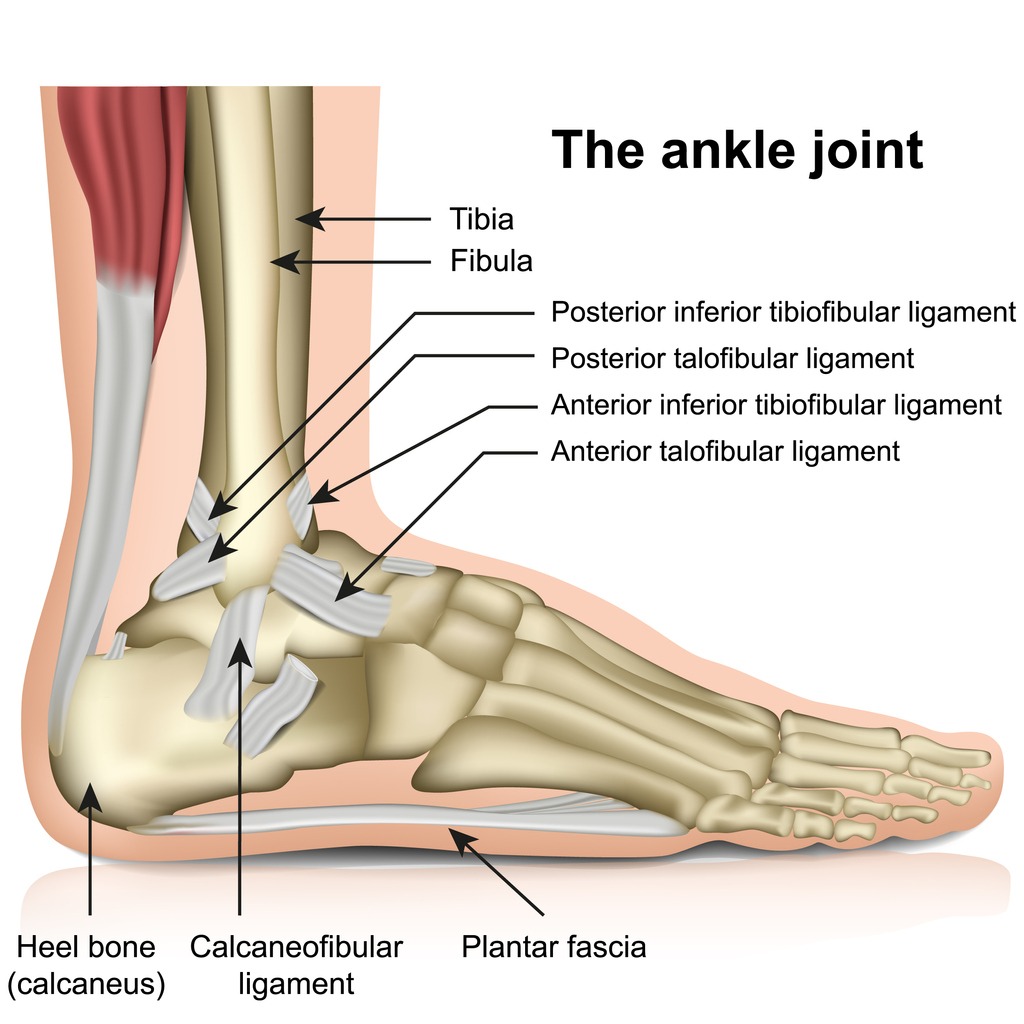
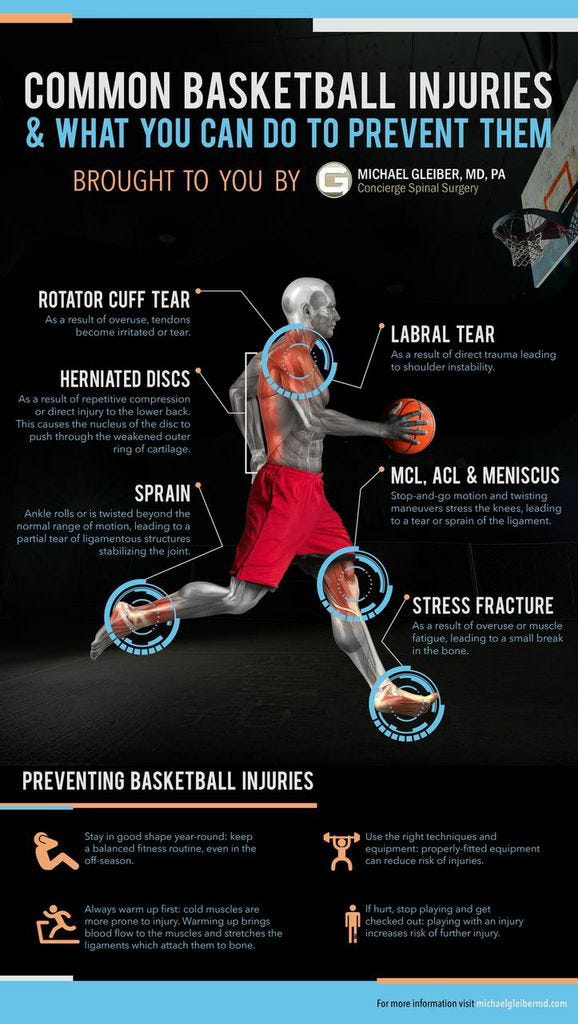
Ankle sprains are the top injury in basketball. They happen when the foot rolls or twists beyond its normal range, stretching or tearing the ligaments. Usually, this occurs when a player lands awkwardly after a jump or steps on another player’s foot.
- Symptoms: Pain, swelling, bruising, and difficulty walking.
- Data: According to the NBA, nearly 25% of all basketball injuries are ankle sprains.
2. Knee Injuries
Basketball demands sudden stops, pivots, and jumps, which put pressure on the knees. The most common knee injuries include:
- Patellar tendinitis (“jumper’s knee”): Inflammation of the tendon connecting the kneecap to the shinbone.
- ACL tears: A tear of the anterior cruciate ligament, which stabilizes the knee.
- Meniscus tears: Damage to the cartilage that cushions the knee joint.
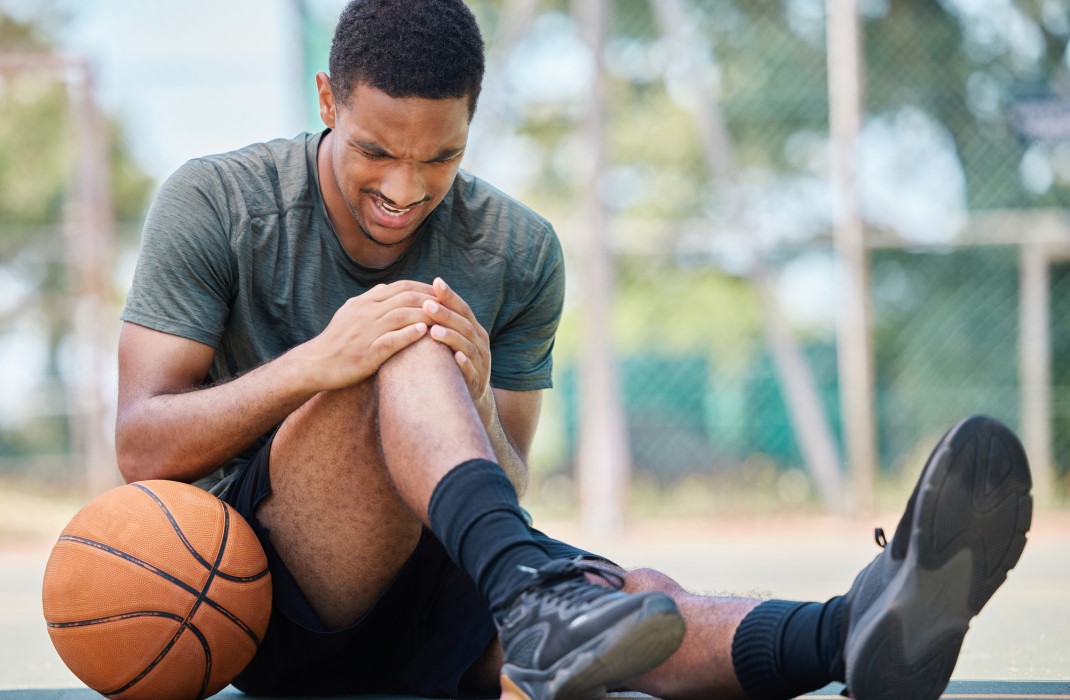
Knee injuries can be serious and may require surgery or long recovery times.
3. Finger Injuries
The ball moves fast, and players often jam their fingers against it or another player. This can cause:
- Jammed fingers: Swelling and pain from impact.
- Dislocations: The finger joint pops out of place.
- Fractures: Broken bones in the finger.
These injuries may seem minor but can affect grip and shooting.
4. Muscle Strains
Basketball players use almost every muscle group. Quick sprints, jumps, and direction changes can lead to strains—small tears in muscle fibers—especially in the:
- Hamstrings
- Quadriceps
- Calves
- Groin
Muscle strains often result from not warming up properly or overuse.
5. Shin Splints
Pain along the shinbone (tibia) is called shin splints. This is common in basketball due to frequent running and jumping on hard surfaces.
- Symptoms: Dull, aching pain in the front of the lower leg.
- Risks: Playing on hard courts, improper shoes, or sudden increases in activity.
6. Achilles Tendon Injuries
The Achilles tendon connects the calf muscles to the heel. Overuse or explosive movements can cause:
- Tendinitis: Swelling and pain in the tendon.
- Rupture: A complete tear, often requiring surgery.
Older players and those who play on hard surfaces are at higher risk.
7. Concussions And Head Injuries
While less common, basketball players can get concussions from falls or collisions.
- Symptoms: Headache, dizziness, confusion, nausea.
- Note: Even mild head injuries should be taken seriously.
8. Facial Injuries
Elbows, hands, or the ball itself can hit the face, causing:
- Nosebleeds
- Cuts
- Eye injuries
- Broken noses
Wearing protective gear can help reduce these risks.
9. Back Injuries
Jumping, bending, and twisting can put a strain on the back, leading to:
- Muscle strains
- Herniated discs
Back injuries can become chronic if not managed early.
10. Foot Injuries
Basketball shoes take a beating, and the feet often do too. Common issues are:
- Plantar fasciitis: Heel pain from inflammation.
- Stress fractures: Small cracks in foot bones from overuse.
11. Overuse Injuries
These are injuries caused by doing the same movement too much without enough rest. Examples include:
- Tendinitis
- Stress fractures
- Bursitis
Overuse injuries often develop slowly but can become serious.
Injury Frequency: A Quick Comparison
To understand which injuries happen most often, here is a comparison based on data from high school and college basketball:
| Injury Type | % of Total Injuries | Most Affected Body Part |
|---|---|---|
| Ankle Sprains | 24% | Ankle |
| Knee Injuries | 18% | Knee |
| Finger Injuries | 14% | Fingers/Hand |
| Muscle Strains | 12% | Legs/Thighs |
| Shin Splints | 7% | Lower Leg |
| Other Injuries | 25% | Various |
Why Do Basketball Injuries Happen?
Understanding the causes of injuries helps you prevent them. The most common reasons include:
- Quick direction changes: High risk for ankles and knees.
- Jumping and landing: Stress on legs and feet.
- Contact with other players: Leads to finger, face, and head injuries.
- Poor warm-up or cool-down: Muscles are not ready for intense activity.
- Improper equipment: Worn-out shoes or slippery courts increase risk.
- Overuse: Repeating the same moves without enough rest.
Many injuries are a mix of these factors.
How To Prevent Basketball Injuries
Prevention is always better than treatment. While you can’t avoid every injury, you can lower your risk by following some proven strategies.
1. Warm-up And Cool Down
A good warm-up prepares your body for action and helps prevent muscle strains and sprains. Spend at least 10 minutes on:
- Light jogging or skipping
- Dynamic stretches (leg swings, arm circles)
- Short sprints
After playing, cool down with slow jogging and static stretches to help muscles recover.
2. Wear Proper Basketball Shoes
Shoes should fit well, provide ankle support, and have good grip. Replace them if you notice:
- Worn-out soles
- Weak ankle support
- Poor cushioning
Old shoes increase the chance of slips and ankle injuries.
3. Strengthen Muscles And Joints
Strong muscles support your joints and absorb impact. Focus on:
- Leg strength: Squats, lunges, calf raises
- Core strength: Planks, bridges
- Balance exercises: Single-leg stands
Many players skip balance training, but it’s key for ankle and knee health.
4. Improve Landing Technique
Learning to land safely is a hidden skill many beginners ignore. Practice landing with:
- Knees bent
- Feet shoulder-width apart
- Weight evenly on both feet
Avoid stiff landings that put extra stress on joints.
5. Use Protective Equipment
Mouthguards, knee pads, and finger tape can protect against direct hits and falls. Most players think only professionals need them, but even in casual games, accidents happen.
6. Rest And Recovery
Listen to your body. If you feel pain or fatigue, take a break. Overtraining leads to overuse injuries.
7. Hydration And Nutrition
Dehydration and poor nutrition can increase muscle cramps and fatigue, leading to mistakes and injuries. Drink water before, during, and after games. Eat foods rich in protein, carbohydrates, and healthy fats.
8. Play On Safe Surfaces
Check that the court is clean, dry, and free of debris. Avoid playing on slippery or uneven surfaces.
9. Avoid Playing While Injured
Trying to “play through pain” can make injuries worse. Always treat minor injuries early so they don’t become major problems.
10. Regular Medical Check-ups
Regular check-ups can catch small problems before they become serious. Physical therapists or sports doctors can recommend exercises to strengthen weak areas.
Comparing Prevention Methods: What Works Best?
Some methods are more effective for certain injuries. Here is a comparison of prevention strategies and the injuries they help prevent:
| Prevention Strategy | Most Effective For | Extra Benefits |
|---|---|---|
| Warm-Up/Cool Down | Muscle Strains, Sprains | Improves flexibility, reduces soreness |
| Proper Shoes | Ankle & Foot Injuries | Better grip, joint support |
| Strength Training | Knee, Ankle Injuries | Enhances performance |
| Protective Gear | Facial, Finger Injuries | Builds confidence |
| Rest/Recovery | Overuse Injuries | Boosts energy, prevents burnout |
Two Non-obvious Tips For Injury Prevention
Most players know about warming up and wearing good shoes, but here are two tips many beginners miss:
- Include balance and proprioception exercises in your training. Simple activities like standing on one foot or using a balance board train your body to react quickly to changes, preventing many ankle and knee injuries.
- Focus on sleep quality. Your body repairs itself during sleep. Poor sleep increases your risk of injury and slows down healing. Aim for at least 7-8 hours of restful sleep, especially during busy playing periods.
Real Example: Injury Prevention In Professional Basketball
Professional teams invest a lot in injury prevention. For example, NBA players often use custom orthotics (shoe inserts), personalized stretching routines, and advanced monitoring of their training loads. The result? Many teams have reduced their injury rates and kept players healthier throughout long seasons.
This shows that even small changes in your routine can make a big difference in staying injury-free.
When To See A Doctor
Not every injury needs a hospital visit, but you should see a doctor if:
- Pain is severe or getting worse
- You cannot put weight on your leg or foot
- There is visible deformity
- Numbness or tingling is present
- Symptoms do not improve after a few days
Early treatment can speed up recovery and prevent further problems.
Frequently Asked Questions
What Is The Most Common Injury In Basketball?
The most common injury in basketball is an ankle sprain. This happens when the ankle is twisted or rolled, often during landing or changing direction quickly.
How Can I Prevent Knee Injuries While Playing Basketball?
To prevent knee injuries, focus on strengthening your leg muscles, especially the quadriceps and hamstrings. Practice safe landing techniques and always warm up before games. Wearing proper shoes also helps.
Are Mouthguards Necessary In Basketball?
While not required in most leagues, mouthguards protect your teeth and reduce the risk of mouth injuries. They are especially helpful in competitive or contact-heavy games.
What Should I Do If I Get A Minor Injury During A Game?
If you suffer a minor injury, stop playing immediately. Use the RICE method: Rest, Ice, Compression, and Elevation. If pain or swelling does not improve, see a doctor.
How Often Should I Replace My Basketball Shoes?
Basketball shoes should be replaced every 6 to 12 months or sooner if you notice loss of grip, support, or cushioning. Worn-out shoes increase the risk of foot and ankle injuries.
Basketball is a thrilling sport that brings people together, builds fitness, and teaches teamwork. But with all its benefits, injuries can quickly take the fun away. By understanding the most common basketball injuries and following smart prevention methods, you can protect your body and enjoy many seasons on the court. For more information on sports injury prevention, check out the resources at CDC: Basketball Injury Prevention. Stay safe, play smart, and keep scoring!
