
Snowboarding is more than just standing on a board and sliding down a mountain. Every detail, from your stance to your gear, can change how you ride. One of the most important—but often confusing—choices is your binding angle. The way your bindings are angled can affect your balance, turning, control, and even comfort. Whether you are a beginner or a seasoned rider, understanding the best angles for your style and body will help you get the most out of your time on the slopes.
This guide will explain everything you need to know about snowboard binding angles. You will learn what binding angles mean, how they impact your riding, and how to choose the right setup for you. We will also cover common mistakes, pro tips, and answer the biggest questions riders have. By the end, you will feel confident setting your bindings for your next snowboarding adventure.
What Are Snowboard Binding Angles?
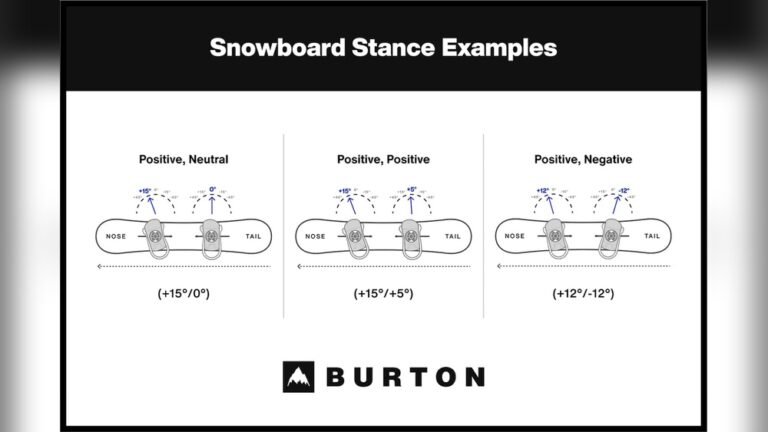
Binding angles describe how your feet are positioned on the snowboard. When you look down at your board, imagine a clock face. A straight line across the board is 0°. If you turn your toes outward, the angle increases in the positive direction. If you point your toes inward (toward each other), the angle is negative.
- Front binding: The angle of your lead foot (the one pointing downhill).
- Back binding: The angle of your rear foot.
A typical way to write angles is +15°/-6°. The first number is the front foot, the second is the back foot.
Why Do Binding Angles Matter?
Your angles control several key things:
- Balance: The right angle helps you stay stable.
- Turning: Certain angles make it easier to turn or carve.
- Comfort: Your knees and hips feel better with the right setup.
- Injury prevention: Wrong angles can stress your joints.
Choosing the right angle is personal. It depends on your riding style, body type, and what feels natural.
Common Snowboard Binding Angles
There is no perfect angle for everyone, but there are popular setups that most riders use. Here are the most common options:
Beginner Angles
If you are just starting, comfort and control are most important.
- Front foot: +15° to +21°
- Back foot: 0° to -6°
This stance helps you learn, keeps your knees safe, and makes turning easier.
Freestyle Stance
Freestyle riders like to do tricks, jumps, and ride both directions.
- Front foot: +12° to +15°
- Back foot: -12° to -15°
This is called a duck stance. Both feet point outward. It helps with balance on rails, boxes, and riding switch (backwards).
All-mountain Stance
If you want to ride everywhere—groomers, powder, park—use a mixed stance.
- Front foot: +15° to +18°
- Back foot: 0° to -9°
This stance is great for most riders. It feels natural and works for all conditions.
Alpine/carving Stance
If you love fast turns and carving, you want a forward stance.
- Front foot: +18° to +27°
- Back foot: +6° to +15°
Both feet point forward. It helps you lean into turns and control your edges.
How To Choose Your Binding Angles
Picking the right angles is not just about copying the pros. It’s about your body and what feels best. Here’s a step-by-step guide:
- Stand on the floor with your feet shoulder-width apart. Turn your toes out until it feels natural, like you are ready to jump.
- Notice the angle your feet make with an imaginary line. This is a good starting point.
- Test on your board. Try standing on the snowboard with these angles. Bend your knees, lean forward and back, and see how it feels.
- Adjust and ride. Take a few runs and adjust the angles if needed. Small changes can make a big difference.
Factors To Consider
- Flexibility: Some people have tight hips or knees. A higher angle can help.
- Boot size: Bigger boots may need more angle to avoid toe drag.
- Snowboard width: Narrow boards need less angle; wide boards may need more.
- Riding style: Tricks and park? Go duck. Racing? More forward.
Example Binding Angle Setups
Here is a comparison of different setups for various riding styles:
| Riding Style | Front Foot Angle | Back Foot Angle | Notes |
|---|---|---|---|
| Beginner | +15° | 0° | Easy to learn, less knee strain |
| Freestyle/Park | +15° | -15° | Duck stance for switch riding |
| All-Mountain | +18° | -6° | Versatile, good for all terrain |
| Carving/Alpine | +24° | +9° | Both feet forward, for sharp turns |
Pros And Cons Of Different Binding Angles
Every angle setup has benefits and drawbacks. Here’s a quick look:
| Angle Type | Pros | Cons |
|---|---|---|
| Neutral (0°/0°) | Feels natural for beginners, less stress on joints | Harder to turn, poor edge control |
| Duck (+15°/-15°) | Great for switch, stable for tricks | Less power in forward turns |
| Forward (+21°/+6°) | Best for speed, strong carves | Harder to ride switch or do tricks |

How Binding Angles Affect Performance
Turning And Carving
Higher front foot angles let you lean further into a turn. This is great for carving or racing. However, too much angle can feel awkward and stress your knees.
Riding Switch
If you want to ride both directions, a duck stance (equal angles, toes out) is best. It lets you balance and control the board either way.
Jumps And Tricks
Freestyle riders use duck stance because it helps you land jumps and spin in either direction. It also makes rails and boxes easier.
Comfort And Injury
Angles that are too extreme can hurt your knees, hips, or ankles. Always listen to your body. If you feel pain, adjust your angles or stance width.
Setting And Adjusting Your Bindings
Changing your angles is easy, but you need a screwdriver and a few minutes. Here’s how:
- Loosen the screws on your bindings.
- Turn the binding plate to the angle you want. Most plates have marks every 3°.
- Tighten the screws firmly, but do not over-tighten.
- Double-check that the bindings do not move.
Tip: Always check your stance width (distance between bindings) too. Most riders use shoulder-width.

Stance Width And Binding Angles
Your stance width and angles work together. If your feet are too close or too wide, even the best angle will feel wrong. Here’s a general guide:
- Shoulder-width apart is a good starting point.
- For more control at high speed, try a slightly wider stance.
- For quick turns and tricks, a narrower stance can help.
Real-world Examples From Snowboarders
Many pro riders have shared their angles:
- Shaun White (Olympic gold medalist): +18° front / -6° back
- Jamie Anderson (X Games champion): +12° front / -12° back
- Average all-mountain rider: +15° front / -9° back
Remember, these are just starting points. Even pros adjust their angles for comfort and performance.
Common Mistakes Beginners Make
- Copying others without testing. Just because your friend uses +21°/-6° does not mean it’s right for you.
- Using extreme angles too soon. Start with moderate settings, then adjust.
- Forgetting stance width. Both width and angle must feel comfortable together.
- Not checking after each ride. Screws can loosen. Always check before your next run.
- Ignoring pain or discomfort. If your knees or ankles hurt, stop and adjust.
Advanced Tips And Non-obvious Insights
- Small changes matter. Even a 3° shift can change your balance a lot.
- Try different setups. Spend a day with one angle, then change and compare.
- Your riding may change. As you improve, you may want to adjust your angles for new tricks or terrains.
- Boot overhang. If your boots stick out past the board’s edge, try a higher angle to avoid catching the snow.
- Ask for advice. Rental shops and instructors have seen many setups and can suggest what might work for you.
When To Change Your Binding Angles
- Pain or discomfort: Never ignore joint pain.
- New snowboard: Different boards may need different angles.
- Changing riding style: Switching from park to powder? Adjust your stance.
- Trying new tricks: Duck stance can help with spins and switch landings.
Learning Resources
For more details on snowboarding gear and stance, you can visit the official Wikipedia Snowboarding page. It provides technical information and links to related topics.
Frequently Asked Questions
What Does +15°/-6° Mean For Snowboard Bindings?
+15°/-6° means your front foot is angled 15 degrees out, and your back foot is angled 6 degrees in. This is a common stance for all-mountain riding, giving good balance and comfort.
How Do I Know If My Binding Angles Are Wrong?
If you feel pain in your knees, hips, or ankles, your turns feel awkward, or you struggle to stay balanced, your angles may be wrong. Try changing them in small steps until you feel better control and comfort.
Can I Use The Same Binding Angles For Park And Powder?
You can, but many riders adjust their angles depending on terrain. For park (tricks), duck stance works best. For powder (deep snow), a more forward stance can help with float and control.
What Is A Duck Stance In Snowboarding?
Duck stance means both feet are angled outward (like +15°/-15°). It is popular for freestyle riders who want to ride switch and do tricks.
Should I Change My Angles If I Get New Boots Or A New Board?
Yes, it’s a good idea. Different boots and boards can change how your stance feels. Always test your angles and adjust for comfort and performance.
Setting your snowboard binding angles is one of the most important choices you can make before hitting the slopes. Take your time, test different setups, and listen to your body. The right angles will help you ride with more confidence, control, and fun—no matter your level.
