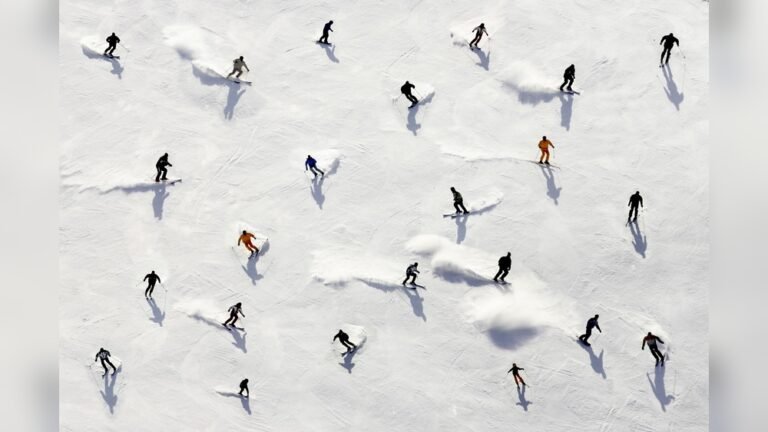
If you’ve ever watched a skier glide down a snowy hill, you may wonder: is skiing just fun, or is it actually a good workout? Many people think of skiing as a winter sport for thrill seekers, but it’s much more. Skiing offers a unique combination of cardio, strength, flexibility, and balance training—all wrapped into one activity. Whether you’re a beginner or a seasoned athlete, skiing challenges your body in ways that surprise most newcomers. Let’s explore why skiing is considered a top-notch workout, what muscles it targets, how many calories you can burn, and why it stands out among popular fitness activities.
Physical Benefits Of Skiing
Skiing is famous for its physical demands. Unlike some sports that focus on just one area, skiing works the whole body. When you ski, you must constantly adjust your posture, balance, and movements to stay upright and control your speed. This makes it a powerful workout for both muscles and the heart.
Muscle Groups Used
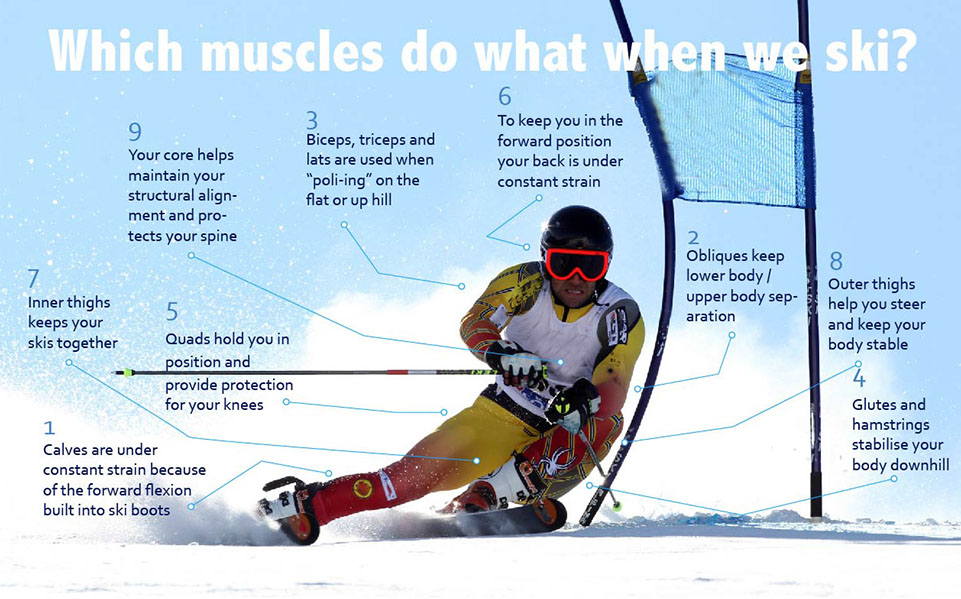
Downhill skiing uses more muscles than you might expect. Here’s a breakdown:
- Legs: Your quadriceps, hamstrings, calves, and glutes work hard to bend, stabilize, and push during turns.
- Core: Skiing requires a strong core (abs and lower back) for balance and control.
- Arms and Shoulders: Using ski poles engages your triceps, biceps, and shoulders, especially when navigating tricky terrain.
Even your feet and ankles play a role, helping you adjust to changing snow and slope conditions. This full-body engagement is rare in most sports.
Cardiovascular Fitness
Skiing is not just about strength—it’s also a great cardio workout. You breathe heavily as you ski, especially on long slopes or challenging runs. Your heart pumps faster, delivering oxygen to your muscles. Studies show that skiing can raise your heart rate to 70–80% of its maximum, which is similar to brisk running or cycling.
Flexibility And Balance
To ski well, you need to be flexible and have good balance. The twisting, turning, and bending movements help stretch your muscles and improve your flexibility. At the same time, balancing on skis teaches your body to react quickly, preventing falls and injuries.
Calorie Burn: How Skiing Compares
Many people want to know how many calories they’ll burn skiing. The answer depends on your speed, terrain, skill level, and the type of skiing you do.
Downhill Skiing
Downhill skiing is the most popular type. According to the Harvard Medical School, a person weighing 70 kg (about 155 lbs) burns around 350 calories per hour during moderate downhill skiing. If you ski aggressively, you can burn up to 500 calories per hour.
Cross-country Skiing
Cross-country skiing is even more demanding. It involves constant movement, using both arms and legs. The same person can burn 500–700 calories per hour, depending on the intensity.
Skiing Vs. Other Activities
Let’s compare skiing to other common exercises:
| Activity | Calories Burned (1 hour, 70 kg person) |
|---|---|
| Downhill Skiing | 350–500 |
| Cross-Country Skiing | 500–700 |
| Running (6 mph) | 600 |
| Cycling (moderate) | 400–500 |
| Swimming | 400–600 |
As you can see, skiing matches or even beats many popular workouts when it comes to calorie burn.
How Skiing Improves Strength And Endurance
Skiing is not just about burning calories—it also builds muscle strength and endurance. The repetitive motion of skiing, especially when turning and stopping, forces your muscles to work against gravity and friction.
Strengthening Legs And Core
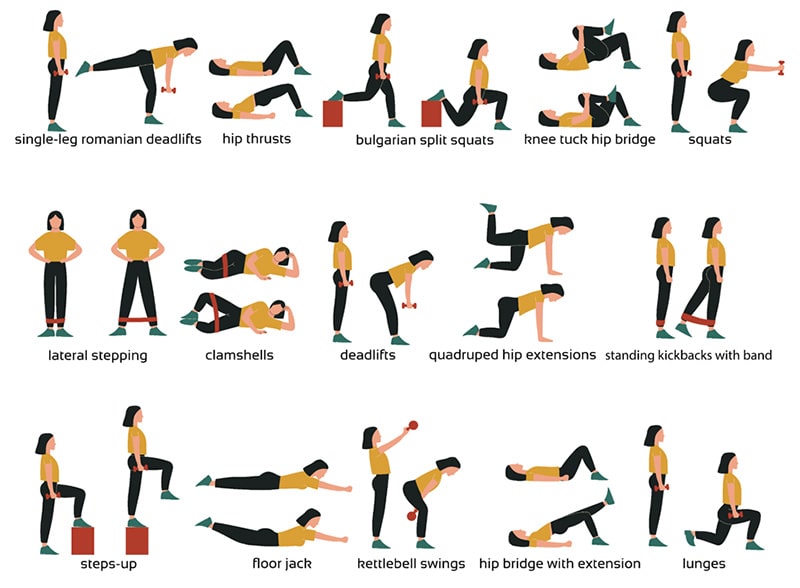
Your leg muscles are constantly engaged. Each turn and jump puts pressure on your quadriceps and glutes, making them stronger over time. The core muscles stabilize your body, allowing you to ski smoothly and avoid injuries.
Building Endurance
Skiing is often done for several hours at a time. This long duration increases your stamina. After a day on the slopes, most people feel tired—but with regular practice, you’ll notice you can ski longer without getting exhausted.
Skiing For Beginners: What To Expect
If you’re new to skiing, you may worry about the workout being too hard. Beginners often start on gentle slopes, learning basic movements and balance. Even on easy runs, you’ll feel your muscles working and your heart beating faster.
Common Surprises For New Skiers
- Leg fatigue: Many beginners notice their thighs and calves burning after just a short session.
- Balance challenges: Staying upright is harder than it looks. Your core and lower back work overtime.
- Breathing rate: Even simple skiing makes you breathe harder due to cold air and effort.
It’s normal to feel tired after your first day. With practice, your body adapts, and skiing becomes easier.
Skiing’s Mental And Health Benefits
While most people focus on the physical side, skiing offers surprising mental health benefits.
Stress Relief
Being outdoors, surrounded by snow and mountains, helps reduce stress. The fresh air and beautiful scenery make skiing a calming experience. Many people report feeling happier and more relaxed after skiing.
Boosting Mood
Physical activity releases endorphins, which improve your mood. The challenge of learning new skills also builds confidence and motivation.
Coordination And Reaction Time
Skiing improves your coordination and reaction time. You must react quickly to changes in terrain, speed, and obstacles. This training can help you in other sports and daily life.
Comparing Skiing To Other Workouts
Skiing stands out because it combines many fitness elements at once. Let’s see how it stacks up against other popular workouts.
| Workout | Strength | Cardio | Flexibility | Balance |
|---|---|---|---|---|
| Skiing | High | High | Medium | High |
| Running | Medium | High | Low | Medium |
| Cycling | Medium | High | Low | Low |
| Swimming | Medium | High | High | Low |
| Yoga | Low | Low | High | High |
Skiing is one of the few activities that requires strength, cardio, flexibility, and balance at the same time.
Skiing For Weight Loss
Because skiing burns a lot of calories and uses many muscles, it can help with weight loss. However, it’s important to ski regularly and combine it with healthy eating.
Practical Weight Loss Tips
- Ski often: Try to ski several times per week during the season.
- Mix skiing types: Combine downhill and cross-country for best results.
- Eat smart: Choose healthy meals before and after skiing to support your body.
- Stay hydrated: Cold weather can hide thirst, so drink water often.
Many beginners miss this: skiing can lead to increased appetite, so watch your portions after a long day on the slopes.
Injury Prevention And Recovery
While skiing is a good workout, it can be tough on your joints and muscles if you’re not careful.
Common Injuries
- Knee injuries: Twists and falls can strain or tear knee ligaments.
- Muscle soreness: Legs and lower back may feel sore after skiing.
- Sprains and fractures: Ankles and wrists are at risk, especially for beginners.
Preventing Injuries
- Warm up: Always stretch before skiing. Focus on your legs, back, and shoulders.
- Use proper gear: Well-fitted boots, bindings, and poles reduce injury risk.
- Take lessons: Learning correct technique prevents falls and strains.
- Listen to your body: Stop if you feel pain or fatigue.
If you get injured, rest and see a doctor. Most muscle soreness disappears after a few days.
Non-obvious Insights About Skiing As Exercise
Many people overlook some key facts about skiing as a workout:
- Altitude effect: Skiing at high altitudes can make your body work harder due to thinner air. You may burn more calories and tire faster.
- Cold burns more energy: Your body uses extra calories just to stay warm in cold weather, adding to the workout.
- Interval training: Skiing naturally includes bursts of intense effort (turns, jumps) and short rests (waiting in line or on lifts), which mimics interval training and boosts fitness gains.
These hidden aspects make skiing even more effective than many realize.
Skiing For Older Adults And Special Groups
You don’t have to be young or super fit to enjoy skiing. Many older adults and people with disabilities ski safely.
Tips For Older Skiers
- Start slow: Choose gentle slopes and shorter sessions.
- Focus on balance: Exercises like yoga or tai chi can help prepare.
- Use adaptive equipment: Special skis and poles are available.
Skiing is an inclusive sport, with options for almost everyone.
Environmental And Social Benefits
Skiing is not just about fitness; it also connects you with nature and people.
Nature Connection
Being in the mountains helps you appreciate the environment. Skiing teaches respect for weather, terrain, and wildlife.
Social Aspect
Skiing is often done in groups. You meet new people, share experiences, and build friendships. The social side can boost motivation and make workouts more fun.
Frequently Asked Questions
What Muscles Does Skiing Work The Most?
Skiing mainly works your quadriceps, glutes, hamstrings, and calves. Your core muscles (abs and lower back) are also used for balance. Arm muscles help with pole movement and turns.
How Many Calories Can I Burn Skiing?
Most people burn 350–700 calories per hour, depending on the type (downhill or cross-country), speed, and skill level. Cross-country skiing usually burns more.
Is Skiing Safe For Beginners?
Yes, skiing is safe if you take lessons, use proper gear, and start on easy slopes. Injuries are rare if you follow basic safety rules and listen to your body.
Can Skiing Help With Weight Loss?
Definitely. Skiing is a high-calorie, whole-body workout. Combined with healthy eating, it can help you lose weight. The cold weather and altitude also boost calorie burn.
How Does Skiing Compare To Other Workouts?
Skiing combines strength, cardio, flexibility, and balance. It matches or exceeds many popular workouts like running, cycling, and swimming. It’s also unique because of the outdoor and social aspects.
Skiing is more than a winter sport—it’s a complete workout for your body and mind. It burns calories, builds strength, improves balance, and boosts your mood. Whether you’re looking for fitness, fun, or a new challenge, skiing delivers. If you want more data on skiing as exercise, you can check the Wikipedia page on skiing for even deeper insights. So, next time you see snowy slopes, remember: you’re not just playing—you’re getting one of the best workouts around.

