Have you ever paused before squatting all the way down, wondering if it’s truly safe? You’re not alone.
Many people, whether beginners or seasoned gym enthusiasts, question the safety of this common exercise move. Squats are powerful; they can transform your lower body strength, improve your balance, and boost your fitness level. But what about the risks? This article is here to clear the air and help you make informed decisions about your workout routine.
We’ll dive into the myths and truths surrounding the full squat, so you can squat with confidence. Your health and fitness journey deserve clarity and assurance. Ready to discover what really happens when you go all the way down? Keep reading to find out!
Benefits Of Deep Squats
Deep squats make muscles work hard. Legs, hips, and back join together. It helps strengthen the body. Every muscle plays a part. Even small muscles wake up. This helps with better balance. It is like a team working.
Squatting low helps joints move. Hips, knees, and ankles get flexible. Movements become easy. The body feels more free and relaxed. Joints like to move. It is good for daily tasks. The body feels young.
Deep squats build power for real life. Lifting things gets simple. Walking and running feel better. Everyday actions become easy. The body becomes strong and fit. It is helpful for all ages. Functional strength is important.
Potential Risks And Concerns
Squatting deep may stress the knees. They might hurt or feel sore. The joint bends too much. Pain can follow. Knee injuries can happen if not careful. Watch out for the knees.
Lower back might strain during deep squats. Proper form is crucial. Back pain is common. Muscles need to be strong. Keep the back safe. Avoid heavy weights if unsure. Support the back well.
Deep squats can add stress to the joints. Ankles and hips may feel it. Joints might get tired. Flexibility is important. Be gentle on joints. Listen to your body. Avoid pushing too hard.
Proper Form And Technique
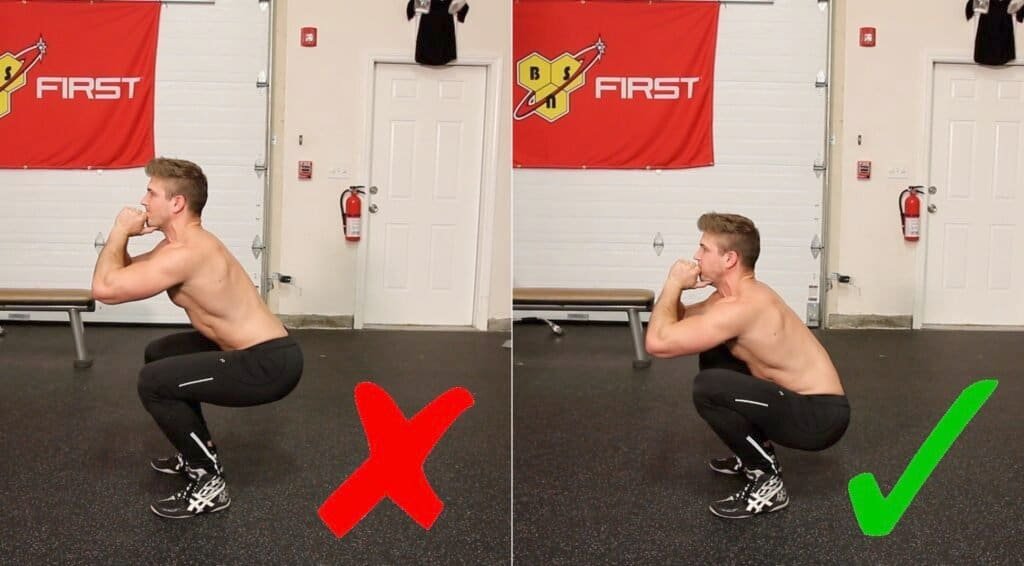
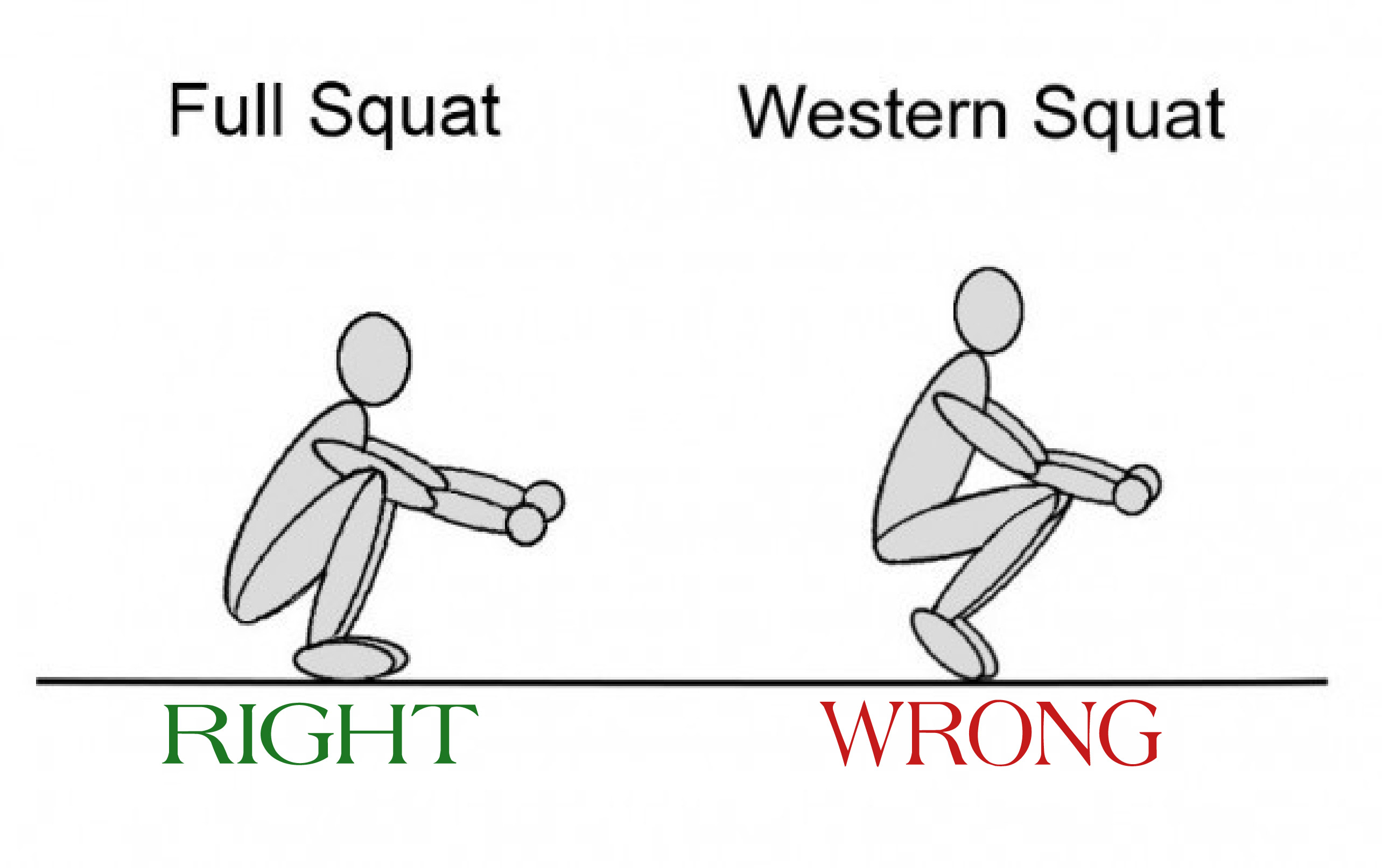
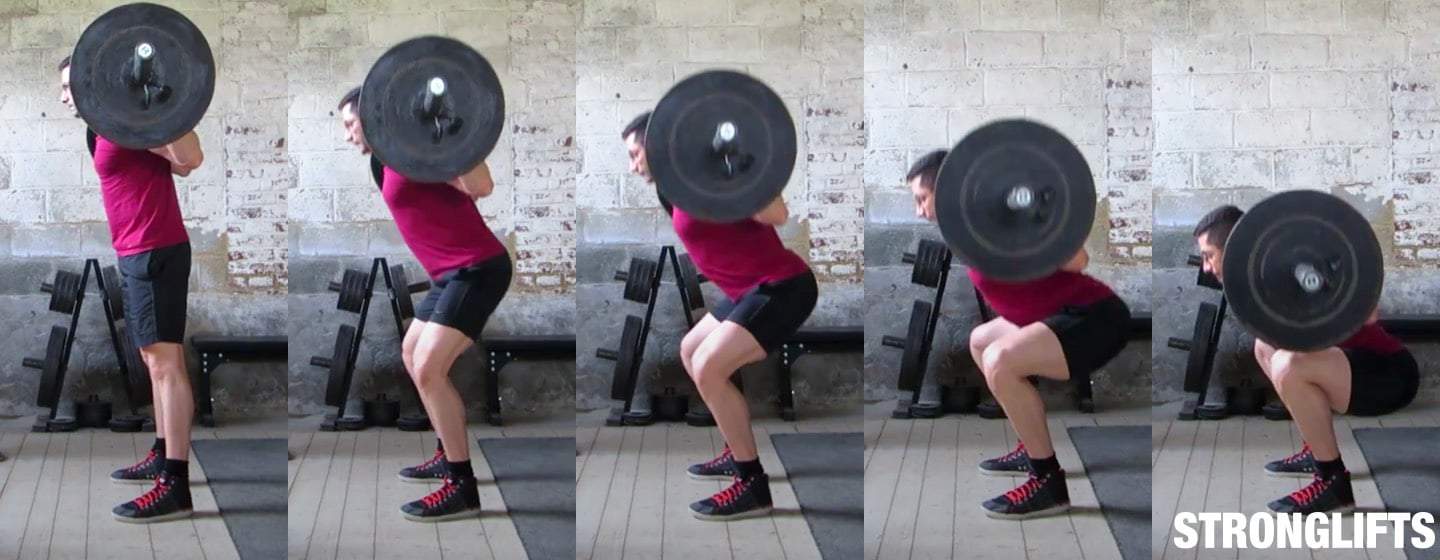
Feet should be shoulder-width apart. Toes can point slightly outward. This helps in keeping balance. Keep your feet firmly planted on the ground. Avoid lifting your heels. This gives stability.
Keep your back straight. Avoid rounding or arching it. Chest should be up and forward. This helps in maintaining a good posture. A strong back prevents injuries.
Go down until your thighs are parallel to the ground. Keep knees behind toes. This keeps your knees safe. Don’t drop too fast. Control your movement. This helps build strength safely.
Individual Considerations
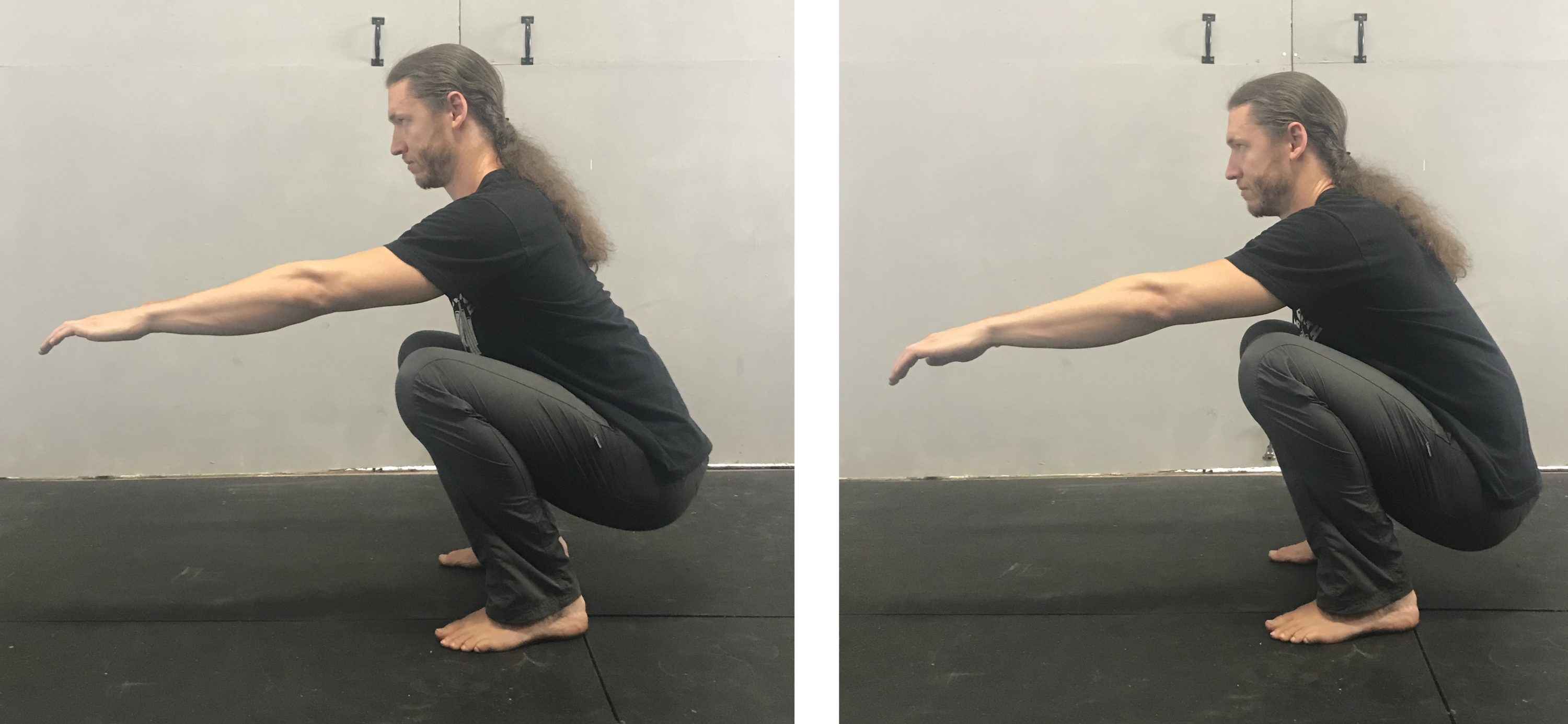
Beginners should start slow. Squatting deep needs practice. Muscle strength builds with time. Experts can squat deeper safely. Listen to your body.
Some have joint issues. Others face balance problems. Know your physical limits. Avoid pain or discomfort. Modify squats if needed. Safety first.
Many aim for strong legs. Others want to increase flexibility. Different goals need different squat depths. Align squats with personal aims. Track progress over time.
Expert Opinions And Research
Experts weigh in on the safety of squatting deeply. Research suggests squatting all the way down is safe for most. Proper technique and individual health conditions play a crucial role in ensuring safety during deep squats.
Studies On Deep Squats
Many studies focus on deep squats. Some people think they are unsafe. Others believe they build strong muscles. Research shows mixed results. Experts say deep squats can help balance. They also support joint health. Safety depends on technique. Proper form is key. Knees should not move past toes. Feet stay flat on the ground. This helps prevent injuries. Controlled movements are important too. Listen to your body. Stop if pain occurs.
Physical Therapist Advice
Physical therapists offer useful advice. Squats can be good for knees. They strengthen muscles around the joint. Deep squats should be done carefully. Proper technique is crucial. Therapists suggest practicing in front of a mirror. This helps check your form. Use a chair for support if needed. Start slow and increase gradually. Ensure feet are shoulder-width apart. Don’t rush movements. Controlled squats reduce risks. Consult a therapist if unsure.
Trainers’ Perspectives
Trainers often share helpful tips. Many recommend squats for leg strength. Deep squats can be effective. Proper form prevents injuries. Trainers advise warming up first. Stretching helps prepare muscles. Focus on form and control. Keep back straight and chest up. Trainers suggest starting with light weights. Increase as you get stronger. Listen to your body. Adjust if you feel discomfort. Trainers can guide you safely.
Modifications And Alternatives
Squatting all the way down can be safe with proper technique and individual assessment. Modifications like reducing depth or using support can help prevent injury. Alternatives such as box squats offer similar benefits while minimizing risk.
Partial Squats
Partial squats are a great way to build strength. They are safer for your knees and back. You squat only halfway down. This reduces stress on your joints. Beginners often start with partial squats. It helps them learn the correct form. You can gradually increase depth as you gain strength. These squats still work your muscles well.
Assisted Variations
Assisted squats help if you struggle with balance. Use a chair or wall for support. This makes squats easier to manage. It gives you confidence. You can also use a partner for support. They can help maintain your form. Assisted variations are good for beginners or those with injuries.
Use Of Equipment
Equipment can make squats easier or harder. Resistance bands add tension. This increases muscle work. Dumbbells or kettlebells add weight. This makes squats more challenging. Using a stability ball can support your back. It helps maintain form. Equipment offers many options for squats.
Incorporating Deep Squats Safely
Start with gentle warm-up exercises. Move your body slowly. This gets the blood flowing. Try some jumping jacks. A few arm circles too. Your muscles will thank you. Warm muscles are happy muscles. They help prevent injuries. So, don’t skip this step. It makes squatting safer.
Begin with easy squats. Go down a little at first. Each day, squat a bit lower. This helps your body adjust. You get stronger over time. Never rush. Slow and steady wins the race. Your muscles will grow with practice. Keep challenging yourself bit by bit.
Your body knows best. It talks to you. Listen to it closely. Stop if you feel pain. Pain is a warning. Maybe you need rest. Or a different move. Always prioritize safety. Your body is your guide. Trust it to keep you safe.
Frequently Asked Questions
Is Squatting Deeply Safe For Everyone?
Squatting deeply can be safe for most people. However, individual flexibility and joint health are crucial. Consult a professional if you have knee or hip issues. Proper form is essential to prevent injuries. Listening to your body and adjusting accordingly is key for safe squatting.
Can Deep Squats Damage My Knees?
Deep squats are generally safe for healthy knees. They can strengthen knee joints and improve flexibility. However, improper form or pre-existing conditions can lead to injury. Always prioritize proper technique and consult a professional if you experience discomfort.
Do Deep Squats Benefit Muscle Growth?
Yes, deep squats effectively target multiple muscle groups, including quads, glutes, and hamstrings. They engage more muscles than partial squats, promoting growth. Consistent practice with proper form enhances muscle strength and size. Remember to incorporate them into a balanced workout routine for best results.
Should Beginners Squat All The Way Down?
Beginners should focus on mastering proper form before squatting deeply. Start with partial squats to build strength and flexibility. Gradually increase depth as confidence and technique improve. Consulting a fitness professional can help ensure safe progression for beginners.
Conclusion
Squatting all the way down can be safe with proper form. Listen to your body. Start slow and focus on technique. Good form reduces injury risk. Consult a trainer if unsure. Strength and flexibility play a role. Everyone’s body is different.
Pay attention to your limits. Practice makes perfect. Trust your instincts. Adjust as needed. Squatting benefits include strength and mobility. But safety comes first. Prioritize your health and comfort. Be patient with progress. Consistency leads to improvement. Enjoy the journey to better fitness.
