
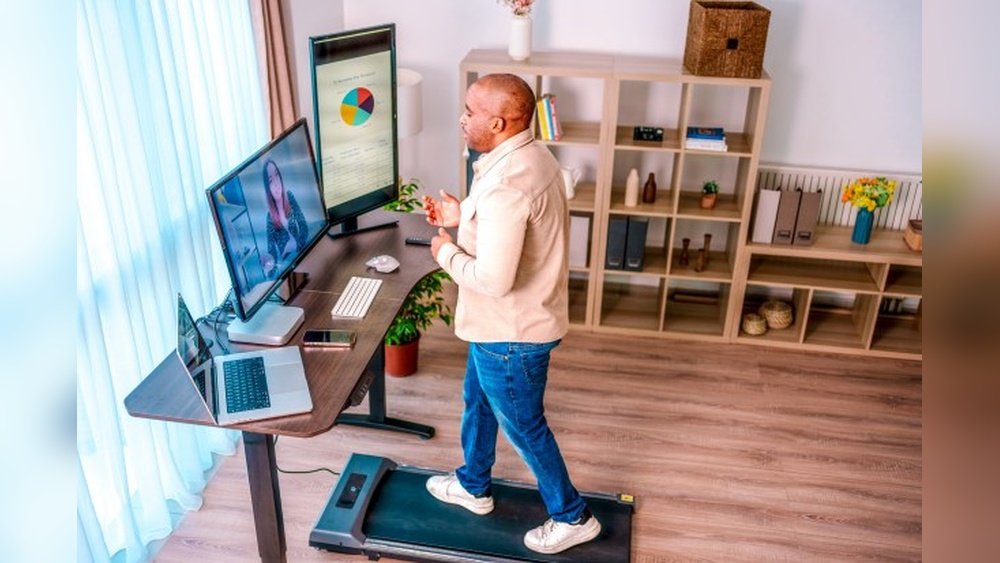
Are you thinking about adding more movement to your daily routine but don’t have the time or space for traditional exercise? A walking pad might be the answer you’ve been looking for.
But before you invest, you probably wonder: is a walking pad really worth it? This guide will help you understand how a walking pad can fit into your lifestyle, boost your health, and save you time. Keep reading to find out if this compact fitness tool is the right choice for you.

What Is A Walking Pad
A walking pad is a compact treadmill designed for small spaces. It allows users to walk indoors without needing a large area. Many people use walking pads at home or in the office.
This device helps stay active while working or relaxing. It moves quietly and fits under desks or beds. Walking pads offer a simple way to add steps during the day.
Compact And Portable Design
Walking pads are smaller than regular treadmills. They fold easily for storage and transport. The lightweight design makes them easy to carry.
Low-speed Walking Feature
Walking pads focus on walking, not running. They usually have a slow speed range. This helps users maintain a steady, comfortable pace.
Quiet Operation
Most walking pads run with low noise. This makes them ideal for offices or shared spaces. Users can walk without disturbing others nearby.
Simple Controls
Walking pads come with easy-to-use controls. Some models have remote controls or smartphone apps. This lets users adjust speed without stopping.
Key Benefits Of Using A Walking Pad
Walking pads offer many benefits for daily life. They help improve health and make exercise easy at home or work. Using a walking pad fits well in small spaces. It can also boost your focus and energy during the day. Let’s explore the key benefits of using a walking pad.
Improved Physical Health
Walking regularly strengthens your heart and lungs. It helps burn calories and maintain a healthy weight. A walking pad lets you move more without leaving your room. This gentle exercise lowers risks of diseases like diabetes and high blood pressure. It also improves muscle tone and joint flexibility.
Enhanced Mental Well-being
Walking stimulates brain function and reduces stress. Moving your body releases feel-good chemicals called endorphins. This improves mood and lowers anxiety. Using a walking pad provides a simple way to clear your mind. Regular walking helps you sleep better and feel more relaxed.
Convenience And Space-saving
Walking pads are compact and easy to store. They fit under desks or inside closets. You can walk anytime, regardless of weather or time. No need for a gym or large treadmill. This makes staying active simple, even in small apartments or offices.
Increased Productivity
Walking boosts blood flow to the brain, improving focus. Using a walking pad while working helps reduce sitting time. It keeps your energy steady throughout the day. Many find they think more clearly and finish tasks faster. A walking pad creates a healthy, active work routine.
Types Of Walking Pads Available
Walking pads come in various types to fit different needs and spaces. Choosing the right type helps you enjoy walking at home or office. This section explains the main types of walking pads available today.
Manual Vs. Motorized
Manual walking pads work without a motor. You move the belt by walking. They are usually lighter and cheaper. Manual pads need more effort but are quiet and simple.
Motorized walking pads have a small motor that moves the belt. You walk at the speed set by the motor. These pads offer smooth motion and speed control. They suit people who want easy, steady walking.
Foldable Designs
Many walking pads fold for easy storage. Foldable designs save space in small rooms. You can store them under a bed or behind a door. Folding pads are great for apartments or offices.
Some fold in half, others roll up. Check the folding mechanism before buying. A good design makes moving the pad simple and quick.
Speed And Weight Limits
Walking pads differ in speed options. Most offer speeds from 0.5 to 4 miles per hour. Choose a pad with speed limits that fit your walking pace.
Weight limits vary too. Some pads support up to 220 pounds, others more. Check weight capacity to ensure safety and durability. A stronger pad lasts longer and handles more users.

Cost Breakdown Of Walking Pads
Understanding the cost of walking pads helps decide if they fit your budget. Costs go beyond just buying the device. Consider ongoing expenses too. This section breaks down the main cost areas of walking pads.
Initial Purchase Price
Walking pads vary in price depending on features and brand. Basic models start around $200. More advanced ones with extra functions can cost $500 or more. Choose a model that meets your needs without overspending.
Maintenance And Repairs
Walking pads require little maintenance. Regular cleaning and occasional lubrication keep them running smoothly. Repairs may be needed if parts wear out. Budget some money for possible repairs over time.
Energy Consumption
These devices use electricity but consume little power. On average, a walking pad uses about 100 watts. This leads to a low increase in your electricity bill. Energy cost is usually not a big expense.
Comparing Walking Pads To Other Fitness Equipment
Choosing the right fitness equipment depends on space, budget, and workout goals. Walking pads offer a unique blend of convenience and activity. Comparing them to other popular machines helps to see their strengths and limits.
Treadmills
Treadmills provide a traditional walking or running experience. They often have larger motors and longer belts. This allows for faster speeds and more intense workouts. Walking pads are smaller and usually best for slow walking. They fit under a desk or in tight spaces. Treadmills need more room and cost more. Walking pads are quieter and easier to store.
Ellipticals
Ellipticals give a low-impact workout for the whole body. They engage arms and legs at the same time. Ellipticals are larger and heavier than walking pads. They offer a more varied movement that burns more calories. Walking pads focus on walking alone. This makes them simpler but less versatile. For light walking, pads are easier to use and move around.
Stationary Bikes
Stationary bikes mainly target the lower body. They are good for cardio and leg strength. Bikes take up more space than walking pads. They let you sit while exercising, which some prefer. Walking pads force you to stand and move. This increases calorie burn and posture benefits. Pads are better for gentle, constant movement. Bikes allow for varied intensity and resistance levels.
:upscale()/2024/09/18/729/n/1922729/tmp_M8l35Y_306ef48a753af62f_GettyImages-2156302900_1_.jpg)
Who Should Consider Buying A Walking Pad
Choosing the right fitness tool can be tough. A walking pad offers a simple way to stay active indoors. It suits many lifestyles and needs. This section explains who benefits most from buying a walking pad.
Understanding who should consider a walking pad helps make a smart choice. It fits different goals and spaces. Here are the main groups that find it useful.
People With Limited Space
Small apartments or tight rooms make exercising hard. A walking pad fits easily in these places. It folds up and stores away fast. Perfect for those who want to move but lack room.
Office Workers Who Sit All Day
Sitting for many hours harms health. A walking pad allows walking while working. It keeps the body active without leaving the desk. Ideal for workers wanting to reduce sitting time.
Beginners Starting Light Exercise
Walking is easy for most people. A walking pad offers gentle exercise for beginners. It helps build stamina without strain. Great for those new to fitness or recovering from injury.
People Seeking Indoor Exercise Options
Bad weather can stop outdoor workouts. A walking pad provides a safe indoor alternative. It keeps exercise steady all year round. Suitable for anyone needing a reliable indoor solution.
Busy Individuals Needing Quick Workouts
Time constraints limit gym visits or long walks. A walking pad fits in short breaks. It helps stay active during busy days. Useful for those with tight schedules.
Tips For Choosing The Right Walking Pad
Choosing the right walking pad requires careful thought. This helps you get the best use and value. Consider factors like space, goals, and budget. These tips guide you through making the right choice.
Assessing Your Space
Measure the area where you want to place the walking pad. Check for enough room to unfold or slide it in. Consider ceiling height and nearby furniture. A compact model suits small spaces best. Ensure easy access and storage options.
Setting Fitness Goals
Decide what you want to achieve with the walking pad. Use it for light walking or more active workouts? Choose a model with speed and incline options if needed. Think about daily use time and comfort features. This helps match the walking pad to your needs.
Budget Considerations
Set a clear budget before shopping. Walking pads vary in price from basic to advanced models. Cheaper options may lack features but still work well. Higher-priced pads offer extra features and durability. Balance cost with quality for long-term satisfaction.
Maximizing Benefits With Proper Usage
Using a walking pad properly helps you get the most from it. Small changes in how you walk or when you use it can improve your health. Proper use keeps you safe and makes your exercise more effective.
Focus on good habits to enjoy the benefits daily. This section explains simple ways to maximize your walking pad experience.
Walking Techniques
Keep your posture straight but relaxed. Look forward, not down at your feet. Swing your arms naturally to help balance. Step gently and evenly to avoid joint pain. Walk at a steady pace that feels good but challenges you.
Integrating With Daily Routine
Use the walking pad during breaks or while doing light tasks. Try walking while watching TV or listening to audiobooks. Set short goals, like 10 to 20 minutes per session. Make walking a habit at specific times each day. This keeps you active without extra effort.
Frequently Asked Questions
What Is A Walking Pad And How Does It Work?
A walking pad is a compact treadmill designed for indoor walking. It allows users to walk at low speeds while working or watching TV. Its foldable design makes it easy to store, perfect for small spaces and maintaining daily physical activity.
Are Walking Pads Effective For Weight Loss?
Walking pads help burn calories and improve metabolism, aiding weight loss. Consistent use combined with a balanced diet enhances results. They offer low-impact exercise, suitable for beginners or those with joint issues, making them a practical weight loss tool.
Can A Walking Pad Replace Regular Exercise?
A walking pad offers convenient low-impact exercise but may not fully replace high-intensity workouts. It supports daily movement and cardiovascular health. For best results, combine walking pad use with strength training and varied exercises.
How Much Space Does A Walking Pad Require?
Walking pads are designed to be compact and foldable. They typically need less space than traditional treadmills. Most models fit comfortably in small rooms or under desks, making them ideal for home or office use.
Conclusion
A walking pad offers a simple way to stay active indoors. It fits small spaces and lets you move while working or watching TV. Many find it helps reduce sitting time and boosts energy. The cost and size suit many budgets and homes.
Think about your daily routine and space before buying. A walking pad can add gentle exercise to your day without much effort. Worth trying if you want easy, low-impact activity at home.
