Thinking about setting up a home gym? You might be wondering if a squat rack is really necessary.
After all, space and budget can be tight, and you want to make smart choices. But what if having a squat rack could change the way you train, boost your strength, and keep you safer? You’ll discover the real benefits—and the possible downsides—of adding a squat rack to your home setup.
By the end, you’ll know exactly if it’s the right fit for your fitness goals and space. Keep reading to find out!
Benefits Of A Squat Rack
A squat rack is a common tool in many home gyms. It helps with lifting weights safely and effectively. Using a squat rack can improve your workouts and reduce injury risks.
Many people wonder if a squat rack is necessary. Knowing its benefits can help you decide if it fits your home gym needs.
Improved Safety During Lifts
A squat rack offers solid support for heavy lifts. It holds the barbell at a good height, so you can lift safely without help. It also has safety bars to catch the weight if you fail a lift.
This reduces the chance of injury and gives you confidence to lift heavier weights. It is especially useful for exercises like squats and bench presses.
- Supports heavy weights securely
- Safety bars catch dropped weights
- Helps prevent accidents during lifts
Versatility For Multiple Exercises
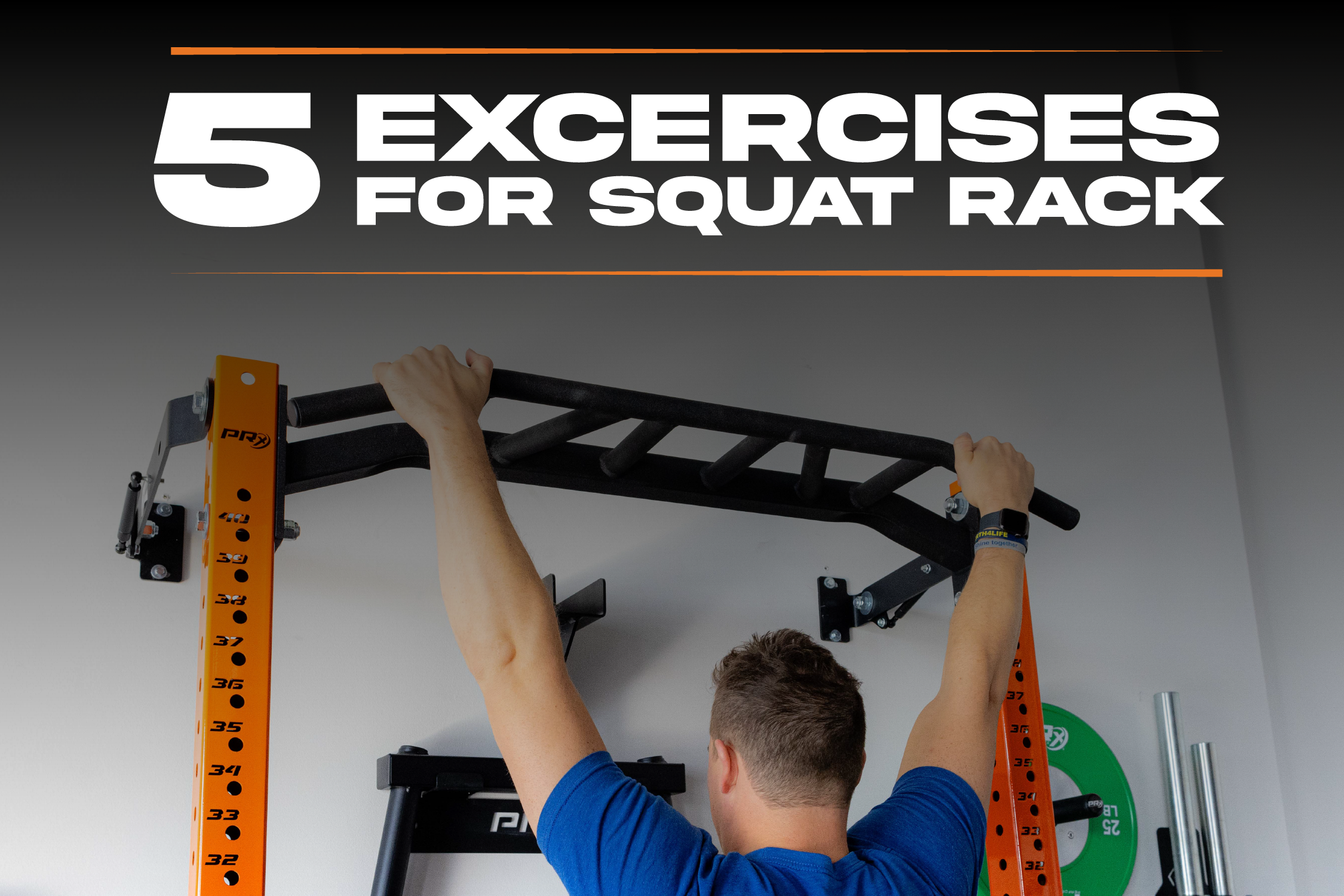
A squat rack is not just for squats. You can use it for many exercises like overhead presses, bench presses, and pull-ups. This makes it a versatile tool in your gym.
With adjustable hooks and bars, you can set it up for different workouts. This saves space and money by reducing the need for extra equipment.
- Supports squats, presses, and pull-ups
- Adjustable for various exercises
- Helps build a full-body workout
Enhanced Workout Efficiency
Using a squat rack helps you move smoothly between exercises. It keeps your weights organized and easy to reach. This saves time and keeps your workout focused.
With a squat rack, you can lift more often and with better form. This leads to faster progress and better results.
- Speeds up exercise transitions
- Keeps weights accessible and organized
- Encourages consistent workout form
Alternatives To A Squat Rack
A squat rack is useful for home gyms, but it is not the only option. You can find other equipment that helps you perform squats and other exercises safely.
These alternatives can fit different spaces and budgets. They offer good support and safety while working out at home.
Power Cages
Power cages are large frames that surround you during lifts. They have adjustable bars to catch the weight if you fail a lift.
They allow you to squat, bench press, and do other exercises with safety. Power cages are sturdy and provide good protection.
- Adjustable safety bars
- Allows multiple exercises
- Good for heavy lifting
- Requires more space
Smith Machines
Smith machines have a barbell fixed on rails. The bar moves only up and down in a controlled path.
This design makes it easier to balance the bar. It adds safety by allowing you to lock the bar at any height.
- Fixed vertical bar path
- Bar can be locked in place
- Good for beginners
- Less natural movement
Free Weights Without A Rack
You can use free weights like dumbbells or kettlebells without a rack. These tools allow many exercises without needing a squat rack.
Bodyweight exercises and resistance bands also offer good alternatives. They require less space and cost less than racks.
- Dumbbells and kettlebells for squats
- Bodyweight exercises like air squats
- Resistance bands for added challenge
- Requires good form and control
Space And Budget Considerations
Setting up a home gym needs careful thought about space and money. Choosing equipment that fits your room and budget is important.
A squat rack can be useful but may take up space and cost more. Let’s look at these factors closely.
Available Room In Your Home Gym
Squat racks need enough space for safe use. They are big and need clearance around them. Small rooms might not fit a full rack.
Measure your room before buying. Consider space for lifting and moving weights safely. If space is tight, a compact or foldable rack might work better.
- Standard squat racks are about 4 feet wide and 4 to 6 feet deep
- Allow extra room for lifting and spotters
- Check ceiling height for overhead exercises
- Foldable racks save space when not in use
Cost Comparison
Squat racks vary in price. Basic models cost less. High-end racks with extra features cost more.
Compare prices with other equipment. Some alternatives may be cheaper and still meet your needs.
- Basic squat racks start around $150 to $300
- Mid-range racks cost $300 to $600
- High-end racks can go over $1,000
- Alternatives like power cages or squat stands may be cheaper
Assembly And Maintenance
Some squat racks need assembly. Check if you can build it yourself or need help. Assembly time varies by model.
Maintenance is usually simple. Wipe down the rack and check bolts regularly. Good upkeep keeps it safe and lasting.
- Assembly can take 30 minutes to a few hours
- Tools may be included or needed separately
- Regularly inspect bolts and parts
- Clean metal parts to prevent rust

Who Really Needs A Squat Rack?
A squat rack is a popular piece of equipment for lifting weights safely. It holds the barbell at the right height. This helps you do squats and other exercises with good form.
Not everyone needs a squat rack at home. It depends on your fitness level, goals, and health needs. Let’s explore who benefits most from having one.
Beginners Vs. Advanced Lifters
Beginners often start with bodyweight exercises or light dumbbells. They may not need a squat rack right away. Using simple equipment helps them learn proper form safely.
Advanced lifters use heavier weights to build strength. A squat rack supports heavy bars and reduces injury risk. It also helps with exercises like squats, bench presses, and overhead presses.
- Beginners can start without a squat rack.
- Advanced lifters benefit from the safety and support.
- Progressing to heavier weights makes a squat rack useful.
Training Goals And Preferences
Your workout goals affect if you need a squat rack. If you want general fitness, bodyweight and dumbbell exercises may be enough. You might not need a squat rack.
If your goal is to build muscle or strength, a squat rack can help. It lets you lift heavier weights safely. It also supports a wider range of exercises.
- General fitness may not require a squat rack.
- Strength training benefits from a squat rack.
- Preferences for free weights or machines also matter.
Injury Prevention Needs
A squat rack offers safety features like adjustable bars and safety pins. These features help catch the bar if you cannot lift it. This reduces the risk of injury.
People with past injuries or weak joints should consider a squat rack. It provides support and helps maintain good form. This lowers the chance of re-injury.
- Squat racks help prevent accidents with heavy weights.
- They offer safety for people with injury history.
- Good for those who train alone without a spotter.
Choosing The Right Squat Rack
Picking the right squat rack is important for your home gym. It helps you exercise safely and comfortably.
There are many types of squat racks. Knowing their features and quality will guide your choice.
Types Of Squat Racks
Squat racks come in several styles. Each style fits different spaces and workout needs.
- Power racks: Fully enclosed for safety and support.
- Half racks: Take less space but offer less protection.
- Wall-mounted racks: Save floor space and are adjustable.
- Squat stands: Simple and portable, good for small gyms.
Key Features To Look For
Check for features that make your workouts safe and easy. These features affect your gym experience.
- Adjustable bar holders to fit different heights.
- Safety catches to prevent injury from dropped weights.
- Plate storage to keep your weights organized.
- Easy assembly and compact design for home use.
Durability And Build Quality
A strong squat rack lasts longer and supports heavy weights safely. Choose racks made with good materials.
Look for racks with thick steel frames and solid welding. This ensures stability during workouts.
- Steel thickness of at least 11 gauge is ideal.
- Powder-coated finish prevents rust and damage.
- Wide base for better balance and safety.
- Quality bolts and joints to avoid wobbling.

Maximizing Your Home Gym Setup
Setting up a home gym takes planning. Choosing the right equipment helps you work out better.
One big question is if a squat rack is needed for your space and fitness goals.
Combining Equipment For Full Workouts
A squat rack is useful but not the only tool for a full workout. You can mix different gear.
Use dumbbells, resistance bands, and a bench with or without a squat rack for variety.
- Squat rack supports heavy lifting and safety
- Dumbbells allow many exercises for arms and shoulders
- Resistance bands add flexibility and light resistance
- A bench helps with presses and core workouts
Space-saving Tips
Home gyms often have limited space. Choose equipment that fits well and stores easily.
Foldable racks or wall-mounted options save room. Use vertical storage for weights.
- Pick compact squat racks or multi-use stations
- Store weights on racks or shelves to clear floor space
- Use foldable benches to free up room after workouts
- Consider resistance bands for small, easy storage
Safety Practices
Safety is key when using heavy equipment like a squat rack at home. Always follow rules.
Check gear stability and use safety bars or spotters when lifting heavy weights.
- Inspect the rack for loose bolts or damage regularly
- Use safety pins or spotter arms on the squat rack
- Lift weights you can handle comfortably
- Clear the workout area to avoid tripping
Frequently Asked Questions
Is A Squat Rack Essential For Effective Home Workouts?
A squat rack enhances safety and versatility in home workouts. It supports heavy lifts and improves exercise variety. While not mandatory, it greatly benefits strength training and reduces injury risk, making workouts more efficient and effective.
Can I Do Squats Without A Squat Rack At Home?
Yes, bodyweight squats and goblet squats require no rack. Dumbbells or kettlebells can substitute for barbell squats. However, a squat rack is safer for heavy barbell squats and better for progressive strength training.
What Are The Key Benefits Of Owning A Squat Rack?
A squat rack offers stability, safety, and convenience for barbell exercises. It supports multiple lifts like squats, bench presses, and overhead presses. This makes it a versatile and valuable addition to any home gym setup.
How Much Space Does A Squat Rack Need At Home?
Squat racks typically need 4 to 6 feet of floor space. Ensure enough room for safe movement and barbell loading. Measure your available area before purchasing to guarantee a comfortable and functional workout environment.
Conclusion
A squat rack can be a valuable home gym addition. It supports strength training effectively. Safety and versatility are its main advantages. But it’s not essential for everyone. Consider your fitness goals and budget. Smaller equipment might suit beginners better.
For serious lifters, a squat rack is useful. Think about available space too. Choose equipment that matches your workout needs. Remember, staying active is the real goal. Whether with a squat rack or not, regular exercise matters. Make your home gym work for you.
Fitness should be enjoyable and sustainable.
