
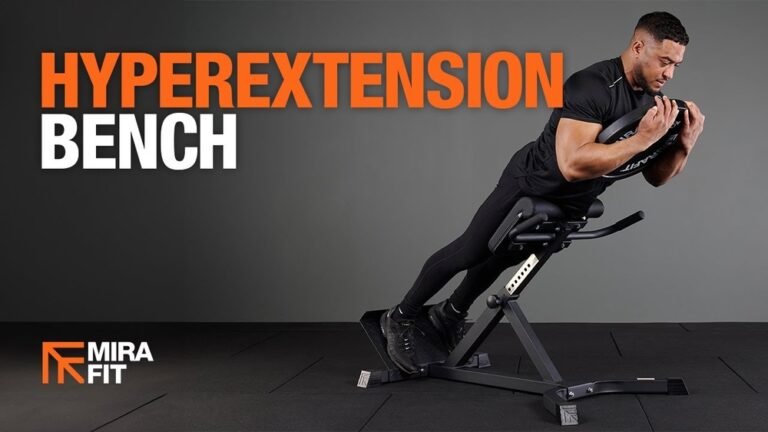
If you want to strengthen your lower back, improve your posture, and prevent injuries, learning how to use a hyperextension bench is a game-changer. You might have seen this piece of gym equipment but aren’t quite sure how to get the most out of it.
Don’t worry—this guide is made just for you. By the end, you’ll know exactly how to use the hyperextension bench safely and effectively, unlocking benefits that will boost your workouts and everyday life. Ready to take your fitness to the next level?
Keep reading!
Benefits Of Hyperextension Exercises
Hyperextension exercises offer many benefits for your body and fitness. They target important muscles that support your spine and hips. These exercises help you stay strong and balanced. Using a hyperextension bench makes these movements safe and effective. Below are key benefits of adding hyperextension exercises to your routine.
Strengthening Lower Back
Hyperextension exercises focus on the lower back muscles. These muscles support your spine and help you move easily. Strong lower back muscles reduce pain and stiffness. They allow you to lift objects safely and prevent strain. Regular training on the hyperextension bench builds endurance in this area.
Improving Posture
Good posture depends on strong back and core muscles. Hyperextensions help correct slouching by strengthening these muscles. Better posture reduces neck and shoulder pain. Standing and sitting straighter also improves breathing and confidence. This exercise promotes a balanced and healthy spine.
Enhancing Core Stability
Your core includes muscles around the stomach and lower back. Hyperextension exercises activate these muscles together. A stable core supports all body movements. It improves balance and coordination. Using the hyperextension bench helps develop a strong core for daily activities and sports.
Preventing Injuries
Strong back and core muscles protect your body during physical activities. Hyperextensions reduce the risk of muscle strains and spinal injuries. They prepare your body to handle sudden movements and heavy loads. Training regularly on the hyperextension bench builds resilience and safety.
Choosing The Right Hyperextension Bench
Choosing the right hyperextension bench is important for safety and effectiveness. The bench supports your body during back extension exercises. Picking the best one helps you exercise with correct form. It also makes your workouts more comfortable and effective.
Types Of Hyperextension Benches
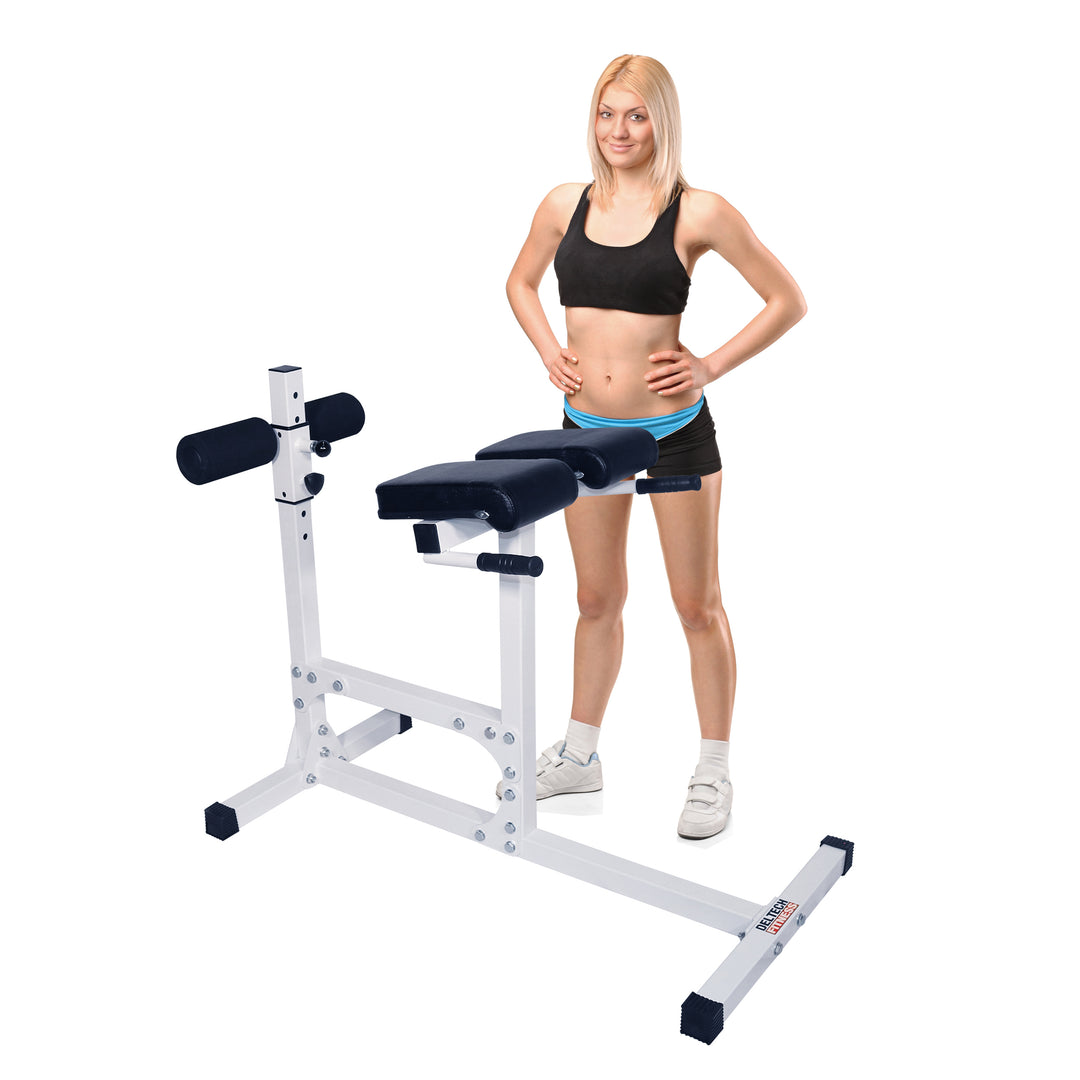
There are several types of hyperextension benches. The most common are fixed benches and adjustable benches. Fixed benches have a set angle and height. Adjustable benches let you change the angle and height to fit your body. Some benches are floor models, while others attach to a power rack. Choose the type that fits your space and workout needs.
Key Features To Look For
Look for strong and stable construction. The frame should be made of steel or heavy-duty material. The padding must be thick and firm to support your hips and thighs. Non-slip footrests keep your feet safe during exercise. Check the weight limit to ensure it suits your body weight. These features increase safety and comfort during workouts.
Adjustability And Comfort
Adjustability is key for comfort and proper form. The bench should allow height adjustment to match your leg length. The angle should be easy to change for different exercise levels. Soft padding reduces pressure on your hips and thighs. A comfortable bench helps you stay focused on your workout. It prevents strain and injury.
Preparing For Your Workout
Preparing well before using the hyperextension bench helps you avoid injury. It also makes your workout more effective. Spend time on warm-up exercises to get your muscles ready. Wear the right clothes and gear for comfort. Set up the bench correctly to protect your body and get the best results.
Warm-up Exercises
Start with light cardio like walking or jogging for five minutes. This raises your heart rate and warms your body. Follow with dynamic stretches for your lower back and hamstrings. Examples include leg swings and gentle twists. Warm muscles reduce the risk of strains during hyperextensions.
Proper Clothing And Gear
Wear clothes that stretch and allow movement. Avoid tight or stiff fabrics that limit your range. Choose shoes with good grip to keep your feet stable. Use a towel on the bench for hygiene and extra comfort. Dress simply to stay cool and focused on exercise.
Setting Up The Bench Correctly
Adjust the bench pad so it fits your hips comfortably. Your upper thighs should rest on the pad without pressure on your stomach. Check the footrest so your ankles are secure but not squeezed. Make sure the bench is stable and does not wobble. A correct setup supports safe and effective motion.
Step-by-step Usage Guide
Using a hyperextension bench correctly helps build strong lower back muscles. This guide breaks down the steps clearly. Follow each part carefully to get the best results and avoid injuries.
Positioning Your Body
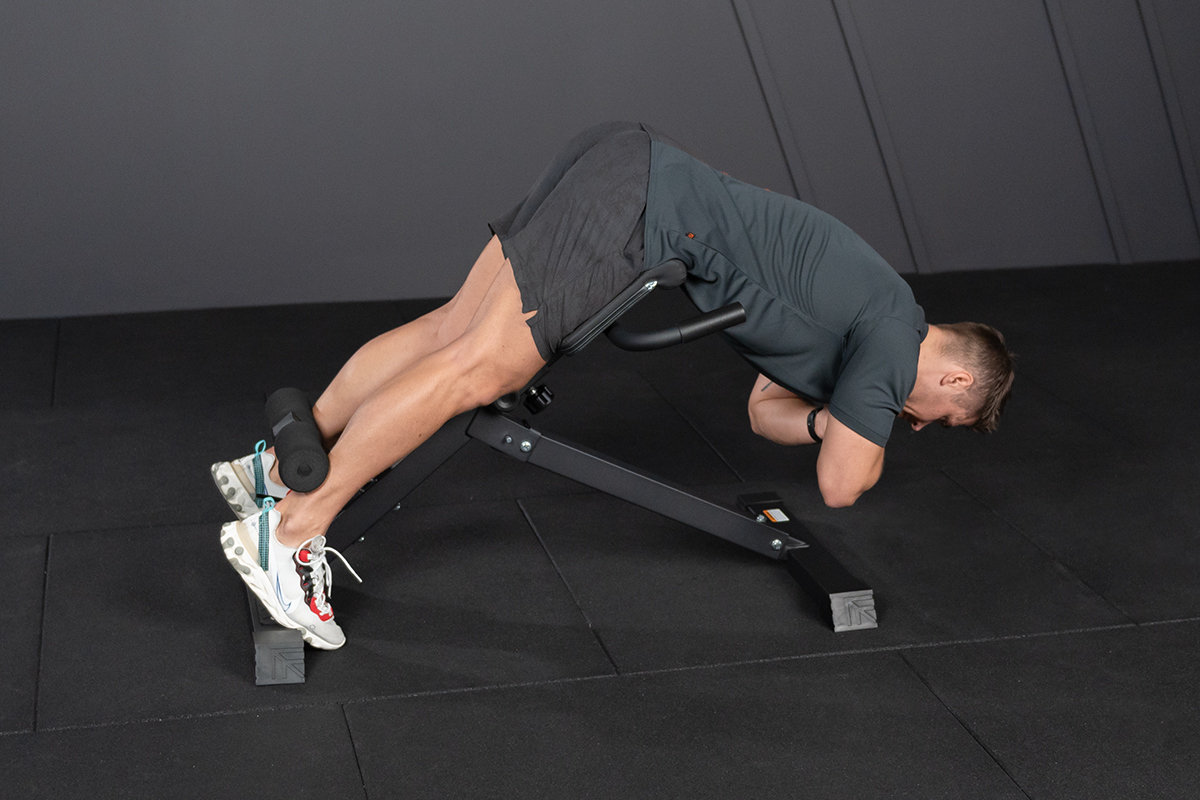
Start by adjusting the bench height to fit your body. Place your hips on the padded support. Your feet should be secure under the footpads. Keep your body straight and arms crossed over your chest. Check your position before beginning.
Performing The Movement Safely
Slowly lower your upper body toward the floor. Stop when your body forms a straight line from head to heels. Avoid bending your back too much. Raise your torso back up using your lower back muscles. Do not use momentum. Control each movement.
Breathing Techniques
Inhale as you lower your torso down. Exhale while lifting your body back up. Keep breathing steady and controlled. Proper breathing supports muscle work and reduces strain.
Common Mistakes To Avoid
Do not bend your knees or arch your back too far. Avoid jerky or fast movements. Do not lift your body higher than straight. Keep your head aligned with your spine. Ignore using your arms to pull yourself up.
Advanced Techniques And Variations
After learning the basic hyperextension, trying advanced techniques can boost your strength. These variations target different muscles and improve your workout variety. They help avoid plateaus and keep your routine interesting.
Weighted Hyperextensions
Add weight to increase challenge and muscle growth. Hold a dumbbell or weight plate close to your chest. Keep your back straight and lift slowly. Avoid using too much weight to prevent injury. This method builds stronger lower back and glutes.
Single-leg Hyperextensions
Lift one leg off the bench while performing the exercise. This variation improves balance and targets muscles differently. It also works your core more for stability. Switch legs after each set for balanced strength. Keep movements controlled to avoid strain.
Combining With Other Back Exercises
Pair hyperextensions with rows or pull-ups for a full back workout. This combination strengthens both lower and upper back muscles. It creates a balanced workout for better posture and strength. Perform hyperextensions first to warm up your lower back. Then, move to other exercises for maximum effect.

Integrating Hyperextensions Into Your Routine
Adding hyperextensions to your workout helps strengthen your lower back and improve posture. Use them carefully to avoid injury and get the best results. Adjust your routine to include hyperextensions for better balance and muscle support.
Keep your sessions steady and listen to your body. This way, you build strength without overdoing it. Track your progress to stay motivated and see real improvement.
Recommended Frequency And Sets
Start with two to three times a week. Do two to three sets each session. Each set should have 10 to 15 repetitions. Rest for 30 to 60 seconds between sets. Avoid daily workouts to give muscles time to recover.
Balancing With Other Workouts
Combine hyperextensions with core and leg exercises. This balance improves overall strength and stability. Avoid overworking your lower back by mixing in stretching and cardio. Use different exercises to target all muscle groups evenly.
Tracking Progress
Write down your sets, reps, and how you feel after workouts. Notice if your lower back feels stronger or less tired. Increase reps or sets slowly as you get stronger. Keep track to avoid pushing too hard too fast.
Safety Tips And Precautions
Using a hyperextension bench can improve your back strength and flexibility. Safety is very important to avoid injuries. Follow these tips and precautions to use the bench correctly and protect your body.
Recognizing Discomfort And Pain
Stop if you feel sharp pain or unusual discomfort. Some muscle soreness is normal, but real pain is a warning. Pay attention to your body signals. Do not push through pain. It can cause serious injury.
Modifications For Beginners
Start with a small range of motion. Use less weight or no weight at all. Move slowly and control your movements. Take breaks if needed. Gradually increase difficulty as you get stronger.
Consulting Professionals
Ask a trainer or physical therapist for guidance. They can show the right form and technique. Professionals help tailor exercises to your needs. This lowers the risk of injury and improves results.
Frequently Asked Questions
What Muscles Does A Hyperextension Bench Target?
A hyperextension bench primarily targets the lower back muscles. It also engages the glutes and hamstrings. This exercise strengthens your posterior chain. It improves posture and reduces injury risk. Regular use enhances core stability and flexibility.
How Do I Properly Position Myself On A Hyperextension Bench?
Place your hips on the pad with your feet secured. Your body should form a straight line at the start. Avoid overextending your back during the movement. Keep your neck neutral and engage your core. Proper positioning maximizes effectiveness and prevents injury.
How Many Reps And Sets Are Ideal On A Hyperextension Bench?
Start with 2 to 3 sets of 10 to 15 reps. Adjust based on your fitness level and goals. Focus on controlled movements and proper form. Rest for 30 to 60 seconds between sets. Consistency is key for strength gains.
Can Hyperextension Benches Help Relieve Lower Back Pain?
Yes, when used correctly, they strengthen the lower back muscles. Stronger muscles support your spine and reduce strain. Avoid hyperextending or jerking movements to prevent injury. Consult a professional if you have existing back issues. Regular use can improve back health.
Conclusion
Using a hyperextension bench helps strengthen your lower back safely. Start slow and keep your movements controlled. This exercise improves posture and reduces back pain over time. Always focus on form to avoid injury. Consistency matters more than speed or heavy weights.
With regular practice, you will notice better core strength and flexibility. Remember, listen to your body and rest when needed. This simple tool supports your fitness journey effectively.
