
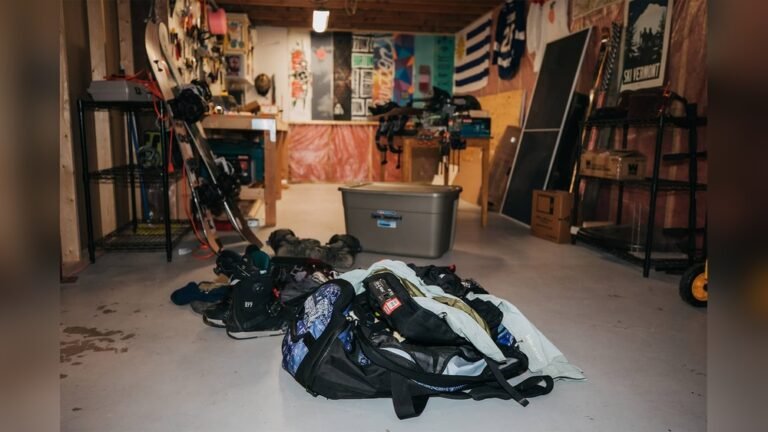
Storing your snowboard properly during the summer is more important than many people think. After months of carving up the mountain, it’s tempting to just lean your board in a corner or slide it under your bed until winter. But careless storage can ruin your snowboard’s shape, damage the edges, or even cause rust.
If you want your gear to perform well next season, a little care now makes a big difference. Let’s walk through how to store a snowboard in summer the right way—so your first ride next year feels as good as your last one this season.
Why Proper Storage Matters
Snowboards are built to be tough, but they’re not indestructible. In summer, heat, moisture, and dust become silent enemies. High temperatures can warp the board or melt the glue holding it together. Humidity leads to rusty edges and moldy bindings. Even small dents and scratches can worsen if you ignore them.
A study from the International Skiing History Association shows that boards stored in humid environments have a 60% higher risk of rust and delamination. That means simple mistakes now could cost you a lot later—like expensive repairs or even a new board.
Step 1: Clean Your Snowboard Thoroughly
Before storing your snowboard, you must clean it well. Dirt, salt, and road grime from late-season riding can eat away at the base and edges.
- Use a damp cloth to wipe down the top and bottom.
- Remove all mud, sand, or stuck-on debris.
- For stubborn spots, use a soft brush or a non-abrasive sponge.
- Dry the board completely with a soft towel. Moisture left on the board can cause rust.
Cleaning isn’t just about looks. It also lets you spot any damage you might have missed during the season.
Step 2: Inspect For Damage
After cleaning, check for any cracks, deep scratches, or loose hardware. Pay special attention to:
- Edge rust: Look for brown or orange spots along the metal edges.
- Base gouges: Run your hand over the base to feel for deep cuts.
- Binding screws: Ensure none are loose or sticking out.
If you find damage, fix it before storage. Small scratches can be repaired with a P-tex candle. Tighten or replace any loose screws. For serious damage, visit a snowboard shop. Storing a damaged board only makes things worse over time.
Step 3: Remove Or Loosen The Bindings
Bindings can create pressure points on your board if left tightly mounted all summer. This can cause warping or even crack the inserts.
- Unscrew and remove the bindings entirely. Keep the screws and washers in a small bag taped to the bindings.
- If you prefer to leave them on, at least loosen all the screws so the tension is released.
Removing bindings also makes it easier to wax and inspect the board.
Step 4: Apply A Thick Coat Of Wax
Wax isn’t just for speed—it also protects your snowboard in storage. Summer wax acts as a shield against dryness, rust, and dust.
- Use an all-temperature or storage wax.
- Apply a thick, even coat over the entire base and edges. Don’t scrape it off.
- The wax layer locks out moisture and keeps the base from drying out.
When winter comes, just scrape off the old wax and you’re ready to ride.
Step 5: Choose The Right Storage Location
Where you store your snowboard matters a lot. The wrong spot can warp, crack, or rust your board.
Best storage locations:
- Cool, dry closets
- Under a bed (if temperature is stable)
- Dry basement shelves
Avoid:
- Hot garages or attics (heat can melt glue or warp the board)
- Damp basements (risk of rust or mold)
- Direct sunlight (UV rays damage the top sheet)
A climate-controlled room is best. If you must use a basement or garage, use a dehumidifier to control moisture.
Step 6: Store Your Snowboard Horizontally Or Vertically
How you position your snowboard is just as important as where you put it. Pressure on the wrong part of the board can cause camber loss or permanent bends.
| Method | Pros | Cons |
|---|---|---|
| Horizontally (flat) | Even weight distribution, less risk of warping | Needs more space, risk of stacking heavy items on top |
| Vertically (standing) | Saves space, easy to access | Risk of tipping, pressure on tail/nose if not supported |
If you store your board horizontally, use padded supports at each end. Never stack heavy items on top. If storing vertically, rest the board on its tail and secure it so it won’t fall over.
Step 7: Protect From Dust And Sunlight
Dust can get into binding holes and edges, while sunlight fades colors and weakens materials.
- Store your board in a board bag or wrap it in a clean sheet.
- Keep it away from windows or direct sun.
- If you use a bag, make sure the board is dry before sealing it to avoid trapping moisture.
Step 8: Maintain Proper Humidity And Temperature
Extreme humidity or heat is a snowboard’s enemy. The ideal storage temperature is between 10–20°C (50–68°F), with humidity below 60%.
If you live in a humid area, use silica gel packs or a dehumidifier in your storage space. Check the board once a month for signs of rust or mold.
| Condition | Risk | Solution |
|---|---|---|
| High humidity | Rust, mold | Silica gel, dehumidifier |
| High heat | Warping, glue failure | Store in cool, shaded area |
| Extreme cold | Brittle materials | Avoid freezing temperatures |
Step 9: Check The Board Periodically
Don’t just forget about your snowboard until the snow returns. Every few weeks, do a quick check:
- Look for any new rust spots.
- Make sure the wax is still intact.
- Check for signs of pests (like mice or insects, which sometimes chew straps).
This habit helps you catch problems early.
Step 10: Store Other Snowboard Gear Properly
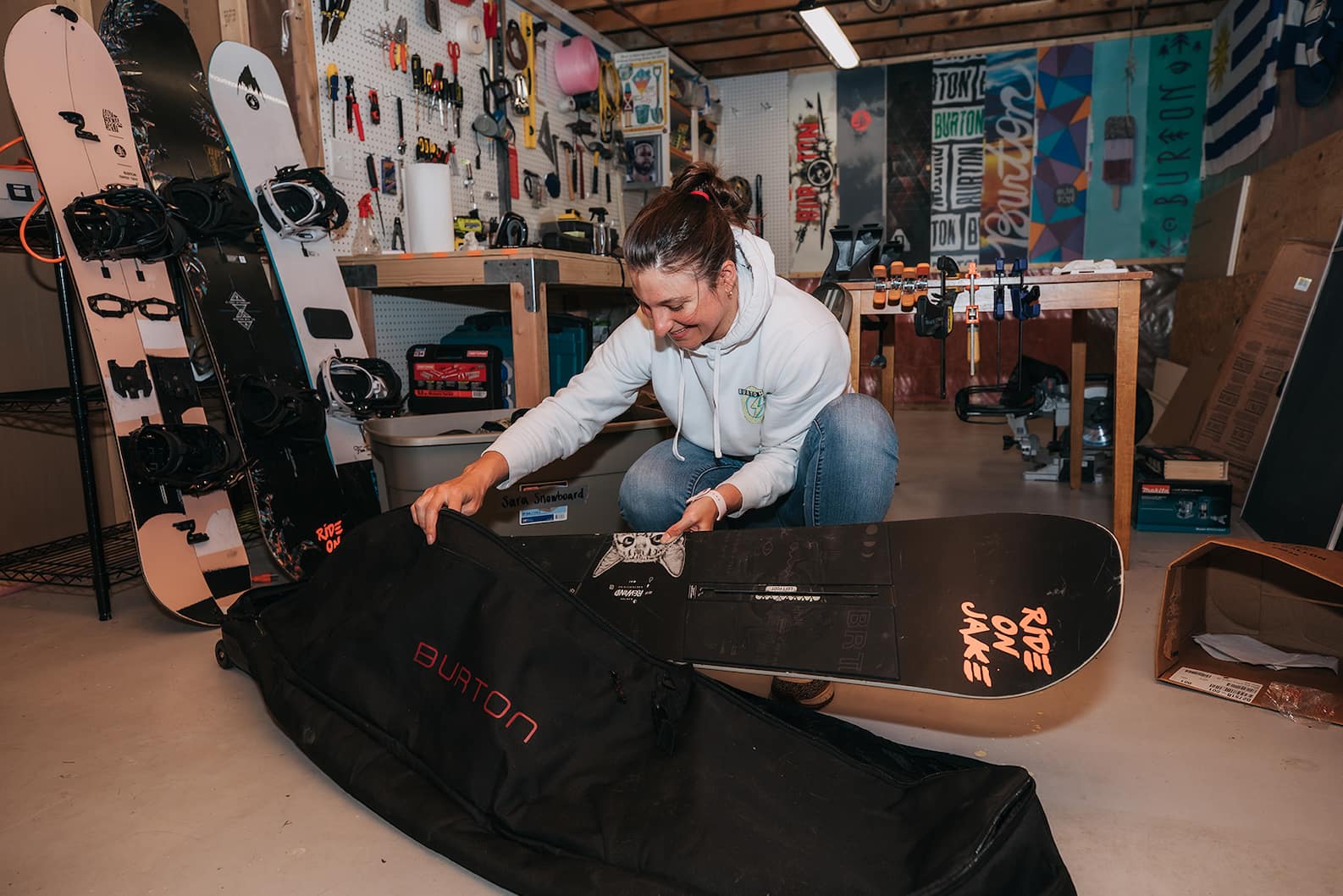
Your boots, helmet, and outerwear also need care. Boots should be dried fully (remove liners if possible), then stored upright in a cool, dry place. Helmets and goggles should be cleaned and kept in their bags. Outerwear should be washed and stored loosely, not compressed.
One thing many beginners miss: never leave boots or gloves inside a closed board bag all summer—they can develop stubborn odors or mold.
Step 11: Avoid Common Storage Mistakes
Even experienced riders sometimes make storage mistakes. Here are a few to watch for:
- Storing a wet board or bindings
- Using strong cleaning chemicals (they can damage materials)
- Storing in plastic bags (traps moisture)
- Placing heavy objects on top of the board
- Forgetting to loosen bindings
Small mistakes can have big consequences, so double-check your process.

Step 12: Prepare For Next Season
When summer ends, your future self will thank you if you:
- Scrape off the storage wax
- Inspect edges for sharpness
- Re-mount and adjust bindings if needed
- Check all gear for fit and function
Some riders even make a checklist to ensure nothing is missed before hitting the slopes again.
What Beginners Usually Miss
Two things often surprise beginners:
- The danger of humidity: Even if your board looks dry, air moisture can attack edges and core materials. Many think only direct water is a problem, but invisible humidity is often worse.
- The effect of pressure points: Leaving bindings tight or heavy objects on your board can cause subtle bends that ruin the board’s shape. This can make your board feel sluggish or “dead” next season.
Practical Storage Example
Let’s say you live in a city apartment without much space. The safest way is to clean and wax your board, remove bindings, wrap it in a sheet, and slide it under your bed (as long as it’s cool and dry there).
Place your gear in breathable bags in the closet. Use silica gel packs to keep humidity down.
If you have a garage, avoid storing the board near the ceiling where hot air collects. Instead, pick a shaded corner, use a rack, and monitor the temperature.
Comparing Common Storage Options
Here’s a quick comparison of three popular storage spots:
| Location | Pros | Cons |
|---|---|---|
| Closet indoors | Stable temperature, safe from sunlight | Limited space, risk of stacking items |
| Garage | Out of the way, easy to install racks | Risk of heat/humidity, pests possible |
| Under bed | Space-efficient, easy access | Must avoid areas with dust/humidity |
Expert Storage Tips
- If you have multiple boards, rotate their position every month to avoid pressure spots.
- Label bags with the date and condition notes, so you remember what needs to be done next season.
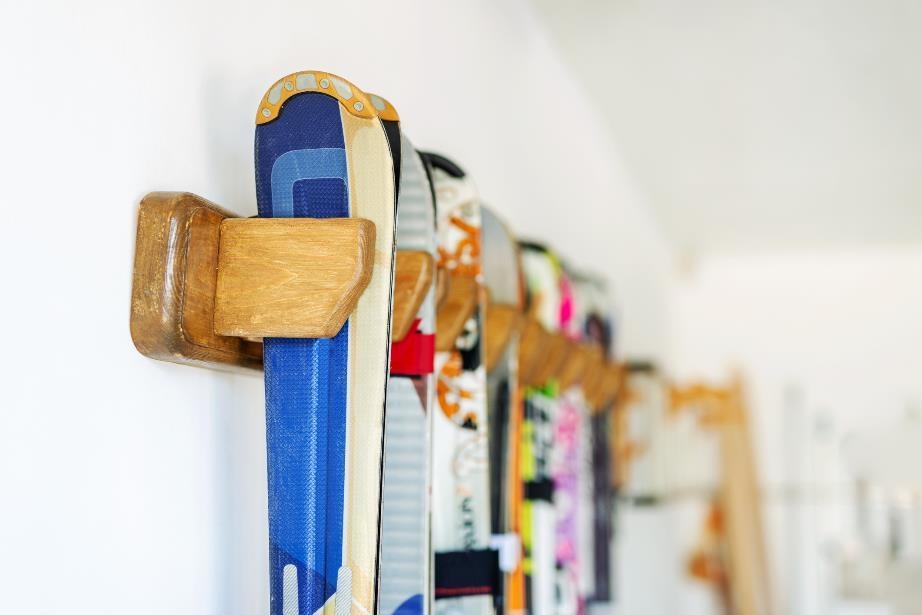
- For expensive boards, consider a wall rack with padded arms for the best support.
If you want even more detailed care tips, the REI Expert Advice page has in-depth guides.
Frequently Asked Questions
What Happens If I Don’t Wax My Snowboard Before Storing It?
If you skip waxing, the base can dry out and crack. The edges are more likely to rust from air moisture. Next season, your board will feel slow, and you may need extra repairs.
Can I Store My Snowboard In The Garage?
Only if the garage stays cool and dry. Many garages get too hot or humid in summer, which can warp the board or cause rust. Always monitor temperature and humidity if you use a garage.
Should I Remove Bindings Or Just Loosen Them?
Removing bindings is best because it prevents pressure points and makes cleaning easier. If you prefer not to, at least loosen all the screws fully to release tension.
Is It Safe To Keep My Snowboard In A Board Bag All Summer?
Yes, as long as the board is 100% dry and clean before sealing the bag. Choose a breathable bag and avoid storing boots or gloves inside with the board.
How Do I Prevent Rust On My Snowboard Edges?
Make sure the board is dry, apply a thick coat of wax (especially on the edges), and store it in a low-humidity environment. Check periodically for any signs of rust and remove it quickly if found.
Storing your snowboard properly in summer isn’t difficult, but it does require attention to detail. By following these steps, you’ll keep your board in top shape, save money on repairs, and enjoy better performance next winter. A little effort now gives you a smoother, safer, and more fun ride when the snow returns.
