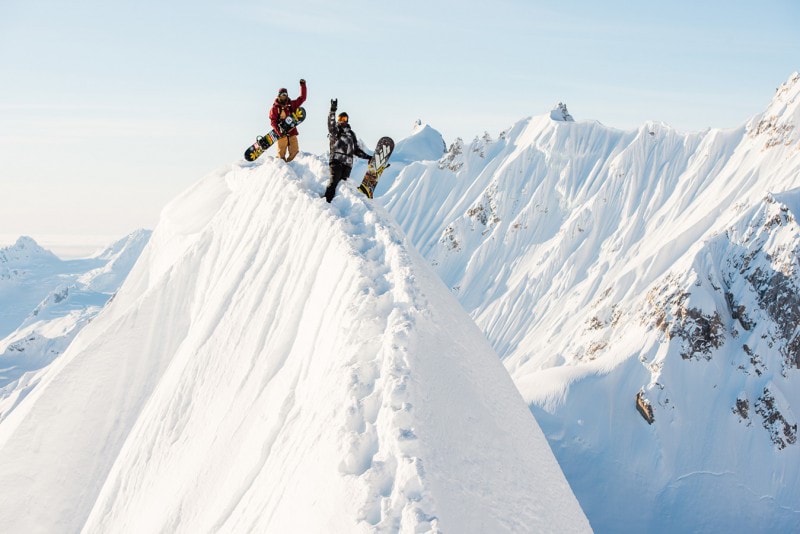
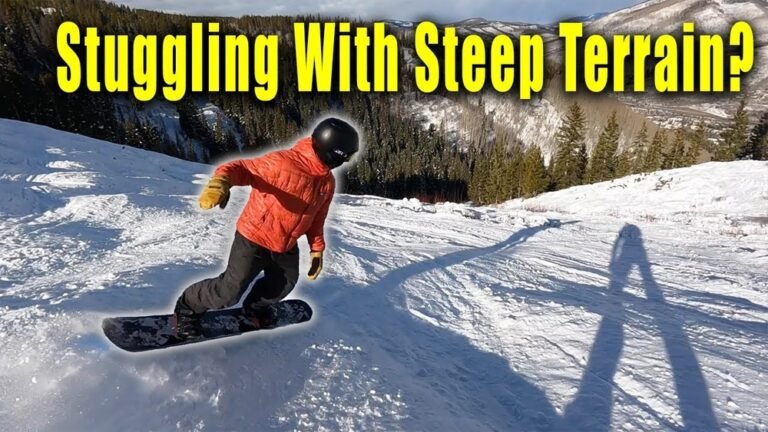
Riding a snowboard down a steep slope is one of the most thrilling experiences you can have on the mountain. The rush of speed, the challenge of control, and the satisfaction of mastering tough terrain attract riders from all over the world.
But steep slopes also come with real risks. If you don’t know the right techniques, you could lose control, fall hard, or even put others in danger. Whether you are a beginner aiming to improve or an intermediate rider ready to push your limits, learning how to ride a snowboard on steep slopes safely is essential.
This guide is designed to help you build the confidence and skills needed for steep terrain. You’ll learn not just the basic techniques, but also expert tips, practical examples, and key mistakes to avoid. By the end, you’ll understand how to approach steep slopes with the right mindset and make the most of your snowboarding adventures.
Understanding Steep Slopes
Before you strap in, it’s important to know what makes a slope “steep” and why it matters. A steep slope is generally any run with a pitch above 30 degrees. These slopes are often marked as black diamonds or double black diamonds at most ski resorts.
Why Steepness Changes Everything
- Gravity pulls harder: On a steep slope, gravity works more directly against you, increasing your speed quickly.
- Less time to react: Mistakes happen faster, so your reactions need to be quicker.
- Edge control is critical: It’s easier to lose your edge and slide out.
Here’s a quick look at how slope angle changes riding difficulty:
| Slope Angle | Difficulty Level | Typical Resort Marking |
|---|---|---|
| 10–20° | Beginner | Green Circle |
| 21–30° | Intermediate | Blue Square |
| 31–40° | Advanced | Black Diamond |
| 41°+ | Expert | Double Black Diamond |
Knowing the pitch of a slope can help you choose the right runs for your skill level.
Essential Gear For Steep Slopes
The right equipment can make a big difference in how you handle steep slopes. Here’s what matters most:
- Snowboard: Choose a board with a stiffer flex. This gives better edge hold and stability at high speeds.
- Bindings: Set your bindings slightly forward for more control. Make sure they are tight and responsive.
- Boots: Stiff boots offer more support, which is vital for quick turns on steep slopes.
- Helmet: Always wear a helmet. Falls on steep slopes can be serious.
- Protective gear: Consider wrist guards, padded shorts, and back protectors, especially if you’re new to steeps.
A common mistake is using a soft, park-style board on steep terrain. These boards are flexible but can chatter and lose grip. For steep runs, a directional board or an all-mountain board works best.

Mindset And Preparation
Steep slopes can be intimidating, even for experienced riders. Your mindset is just as important as your skills.
- Visualize your line: Before dropping in, look down the run and pick the path you want to follow. Avoid icy patches, rocks, or crowded spots.
- Breathe deeply: Nervousness leads to stiff muscles. Take deep breaths to relax your body.
- Commit to your turns: Hesitation leads to falls. Trust your skills and make each turn with intention.
Many beginners freeze up at the top of a steep run. Remember, confidence grows with practice, but only if you push yourself a little at a time.
Body Position And Balance
The way you stand on your snowboard can make or break your ride down a steep slope. Here’s what to focus on:
- Stay centered: Keep your weight over the middle of the board. Leaning too far back causes loss of edge control.
- Flex your knees: Bent knees act as shock absorbers and help you react quickly.
- Arms forward: Keep your arms in front of you, not out to the sides, for better balance.
- Look ahead: Your body follows your eyes. Look where you want to go, not at your feet.
Here’s a side-by-side comparison of body positions:
| Incorrect Position | Correct Position |
|---|---|
| Leaning back on heels | Centered over board |
| Stiff legs | Knees flexed |
| Arms wide or behind | Arms forward |
| Looking down at board | Looking ahead |
The more you practice these basics on easier slopes, the more natural they will feel on steep terrain.
Turning Techniques For Steep Slopes
Turning is the key to controlling your speed and direction. On steep slopes, your normal turns might not be enough. Here are the main turning techniques to master:
1. Short, Quick Turns
Large, sweeping turns build up too much speed. Instead, use short, quick turns to control your descent.
- Initiate the turn with your shoulders and hips.
- Shift your weight from edge to edge rapidly.
- Finish each turn before starting the next.
2. Dynamic Edge Control
On steeps, you need to trust your edges. Dig them into the snow, but not so much that you catch an edge.
- Use your ankles to adjust edge pressure.
- The steeper the slope, the stronger the edge angle needed.
3. “zig-zag” Or Traverse
Instead of pointing straight down, ride across the hill, then make a sharp turn in the opposite direction. This “zig-zag” keeps your speed in check.
- Look across the slope, not down.
- Plan each traverse before turning.
4. Hop Turns
If the terrain is very steep or narrow, you may need hop turns:
- Crouch down, then spring up and twist your board in the air.
- Land with your board pointing across the slope.
This advanced move is useful for chutes or tight spaces.
Speed Control And Stopping
Controlling your speed is even more important on steep slopes. If you go too fast, you’ll have less time to react. Here’s how to keep your speed in check:
- Sideslipping: Slide down the hill with your board across the fall line. This is the simplest way to control speed if you’re unsure.
- Check turns: At the end of each turn, dig in your uphill edge to slow down.
- Use the terrain: Aim for flatter spots or snow piles to lose speed safely.
Stopping suddenly is difficult on steep slopes. Always plan an escape route before you need to stop.

Dealing With Icy Or Mixed Snow Conditions
Steep slopes often have icy patches or mixed snow, especially in the afternoon. These conditions can surprise even advanced riders.
- Stay loose: Stiff legs make it easier to slip on ice.
- Don’t panic: If you hit ice, keep your board flat for a second, then gently find your edge again.
- Look for soft snow: When possible, pick a line with more powder or packed snow for better grip.
A common mistake is trying to force your edge on ice, which often leads to sliding out. Instead, stay calm and let your board find its balance before turning again.
Reading The Terrain
Every steep slope is different. Learn to “read” the terrain before you ride.
- Spot obstacles: Look for rocks, trees, and moguls. Plan your line to avoid them.
- Check for hazards: Watch for other riders, hidden dips, or ice.
- Use natural features: Small ridges or snow banks can help you slow down or change direction.
Experienced riders often pause at the top and watch others go down first. This gives you a chance to learn from their mistakes and see how the snow is behaving.
Common Mistakes To Avoid
Many beginners repeat the same errors on steep terrain. Knowing these ahead of time can save you from a bad fall.
- Leaning back too much: This reduces edge control and makes turning harder.
- Stiff body posture: Staying loose lets you react to bumps and changes in the snow.
- Looking down: Always look ahead to where you want to go.
- Overturning: Trying to spin the board too far leads to loss of control.
- Panicking after a slip: Stay calm and regain your balance; panicking makes things worse.
Building Your Skills Safely
You don’t need to attack the steepest slope on your first try. Progress step by step:
- Practice quick turns on intermediate runs.
- Try steeper sections when conditions are soft, not icy.
- Take breaks to avoid fatigue; tired legs make mistakes more likely.
- Ride with a friend for safety and encouragement.
Some ski resorts offer steep terrain clinics. These lessons can help you improve faster and give you feedback from expert instructors.
Steep Slope Riding Vs. Regular Riding
What really changes when you move from a regular slope to a steep one? Here’s a quick comparison:
| Regular Slope | Steep Slope |
|---|---|
| Gentle, wide turns | Short, quick turns |
| Less edge pressure | Stronger edge control |
| Slower speeds | Speeds build quickly |
| Forgiving of mistakes | Small errors become big problems |
Understanding these differences will help you adjust your riding style to stay in control.
Safety Tips For Steep Snowboarding
Steep slopes can be dangerous if you’re not prepared. Keep these safety tips in mind:
- Always check the weather and snow report before heading out.
- Carry a phone, whistle, or avalanche beacon if riding in backcountry areas.
- Know your limits. If you feel unsure, there’s no shame in walking down a section.
- Never ride alone on very steep or remote slopes.
- If you fall, slide on your back with your board facing downhill to slow yourself.
For more on slope safety and avalanche awareness, the Wikipedia Avalanche Safety page is a trusted resource.
Non-obvious Insights For Steep Slope Success
Many snowboarders overlook these important tips:
- Practice falling safely: On steep slopes, a controlled fall can prevent injuries. Learn to fall on your uphill side and keep your limbs relaxed.
- Use your pole position: While most snowboarders don’t use poles, carrying one on steep terrain (especially for splitboarders) can help with balance and self-arrest.
These techniques can give you extra confidence and may save you from injury in tricky situations.
Frequently Asked Questions
What’s The Best Snowboard For Steep Slopes?
A stiffer, directional board or an all-mountain board with good edge hold is best. Avoid soft, freestyle boards, which can be unstable at high speeds.
How Do I Stop Myself From Sliding Out On Ice?
Stay centered, keep your knees soft, and avoid forcing your edges. If you start sliding, try to flatten your board and gently regain edge control.
Are Steep Slopes Safe For Beginners?
Steep slopes are not recommended for beginners. Build your skills on easier runs first, then progress to steeper terrain with supervision.
What Should I Do If I Fall On A Steep Slope?
If you fall, try to slide on your back with your board facing downhill. Use your hands and feet to slow yourself. Avoid tumbling headfirst.
How Can I Build Confidence For Riding Steeps?
Practice on intermediate slopes, take lessons, and ride with friends who encourage you. Visualize your runs and celebrate small improvements.
Mastering steep slopes takes time, patience, and practice. With the right techniques and mindset, you can enjoy the challenge and thrill of advanced snowboarding while staying safe and in control. As you grow more skilled, each steep run becomes an opportunity to push your limits and experience the mountain in a whole new way.