
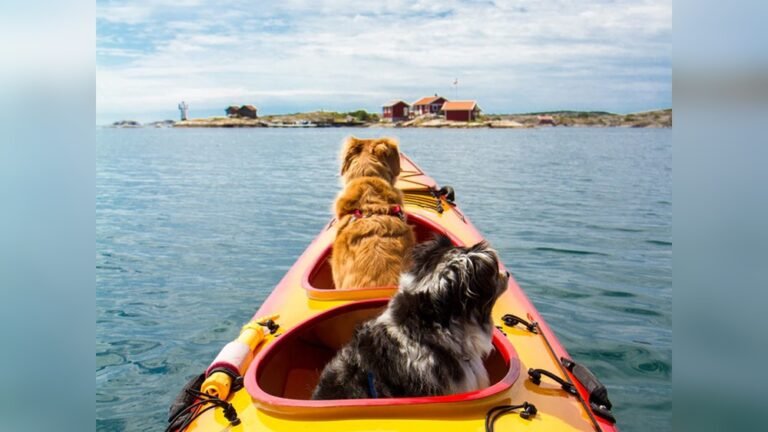
Kayaking is a wonderful way to enjoy nature, and sharing this adventure with your pet can make it even more special. Many people dream of gliding across calm waters with their dog or even a brave cat. But kayaking with pets is not as simple as just putting them in the boat.
It requires preparation, safety checks, and patience. If you want your pet to love kayaking as much as you do, it’s important to do things right from the start.
This guide will show you everything you need to know about how to kayak with pets. From choosing the right kayak and gear to training your pet and staying safe on the water, you’ll learn all the steps. Whether you’re a beginner or you’ve kayaked before, this article will help you and your furry friend have a safe and fun experience.
Choosing The Best Kayak For Pets
The first decision is picking the right kayak. Not all kayaks are pet-friendly. Some are too narrow or unstable, while others offer plenty of space and balance.
| Kayak Type | Pet-Friendly? | Key Features |
|---|---|---|
| Sit-On-Top | Yes | Stable, easy to enter/exit, open deck |
| Sit-Inside | Sometimes | Protected interior, less space for pets |
| Inflatable | Yes | Soft, portable, may puncture with claws |
| Tandem | Best | Extra room for large pets, stable |
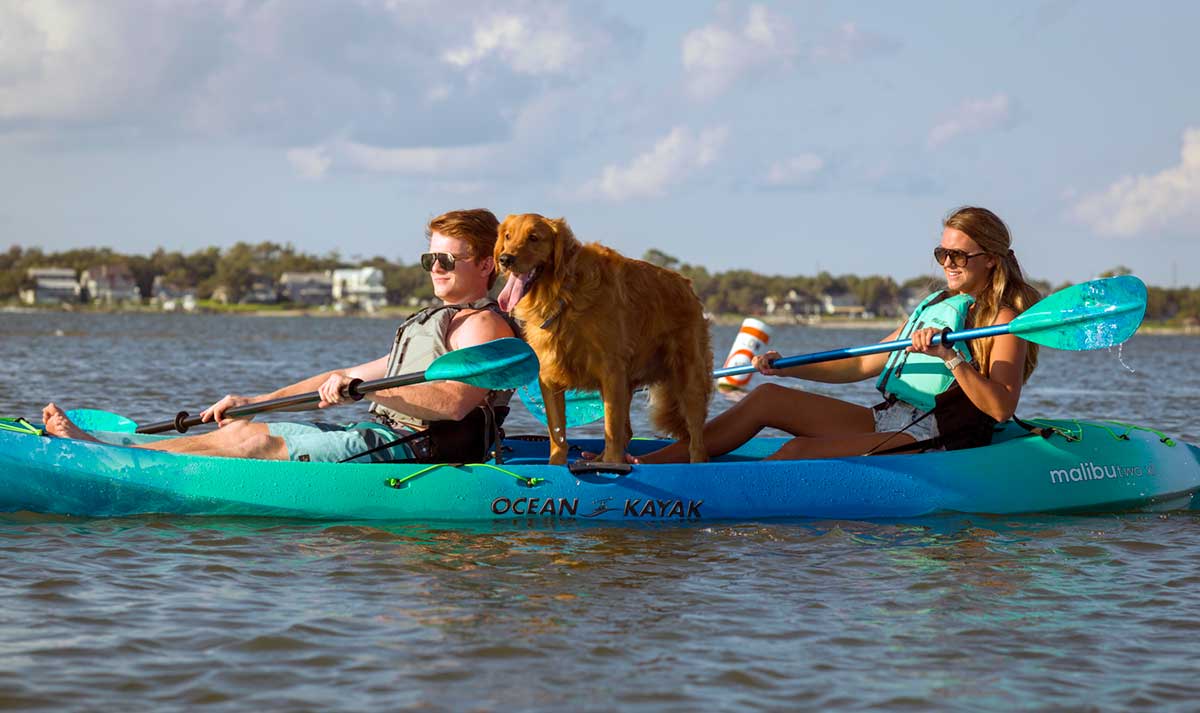
Sit-on-top kayaks are usually the safest and most comfortable for pets, especially dogs. They have an open deck, so your pet can move and lie down easily. Tandem kayaks are also a good choice if you have a large dog or want extra space.
Inflatable kayaks are portable and soft, but sharp claws can be a risk. If you use one, trim your pet’s nails and choose a model with strong material.
Non-obvious insight: Many first-timers think any kayak will work, but stability is more important than speed or size when pets are involved.
Essential Gear For Kayaking With Pets
Bringing the right gear is key for safety and comfort. You need more than just a paddle and life jacket when your pet is coming along.
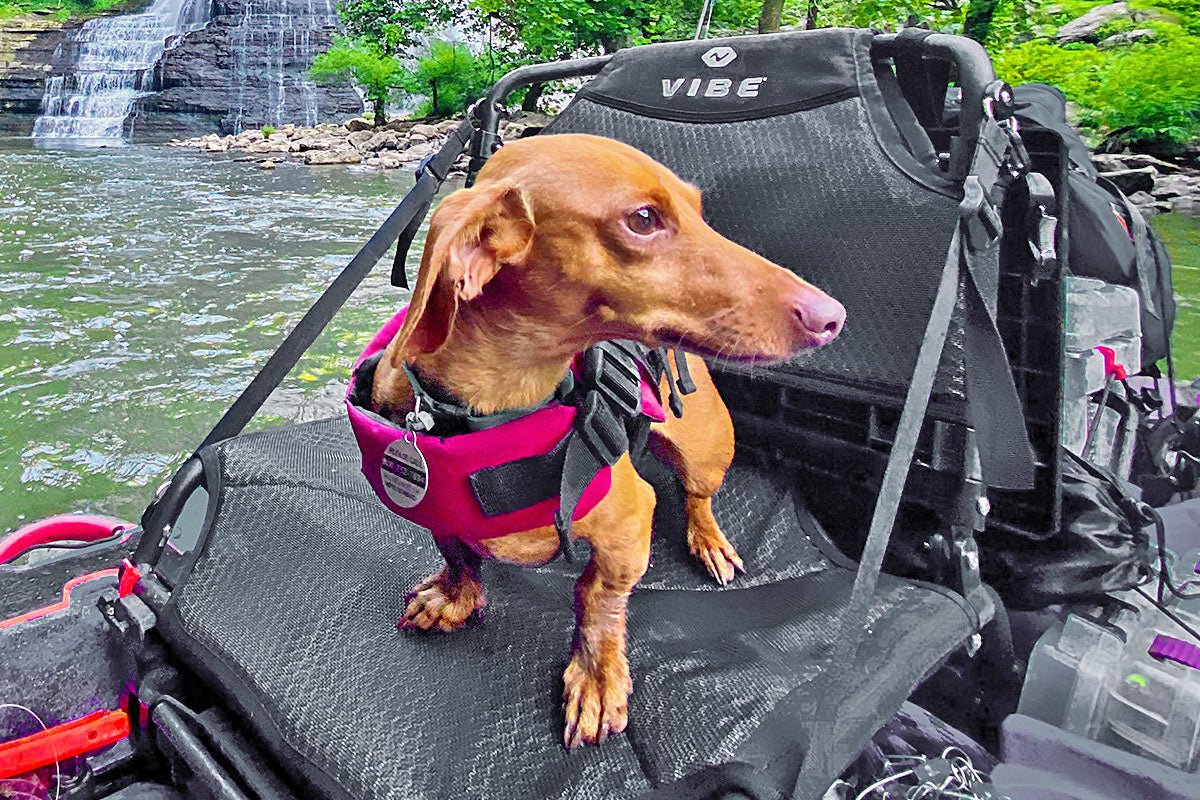
- Pet life jacket: Even strong swimmers need one. Look for adjustable straps, a handle for lifting, and bright colors for visibility.
- Non-slip mat: Place a rubber or foam mat where your pet will sit. This helps them stay steady and stops slipping.
- Leash and harness: Use a harness instead of a collar for better control. Never tie your pet to the kayak—it’s dangerous if you capsize.
- Water bowl and fresh water: Never let your pet drink from the lake or river. Bring a collapsible bowl and clean water.
- Sunscreen for pets: Dogs with short or light fur can get sunburn. Use pet-safe sunscreen on ears and nose.
- Towel: For drying wet fur or cleaning muddy paws before getting back in your car.
- Waste bags: Always clean up after your pet, even on the water.
Pro tip: Pack everything in a dry bag to keep it safe from splashes.
Preparing Your Pet For Kayaking
Before you hit the water, your pet needs to get comfortable with the kayak and the water itself. Rushing this step is a common mistake.
Start At Home
Let your pet explore the kayak while it’s on dry land. Put treats inside, and let them sniff and climb in at their own pace. Practice short sessions so your pet doesn’t feel stressed.
Try Short Water Sessions
Begin with calm, shallow water. Sit in the kayak with your pet and float near the shore. Keep sessions short—just 10–15 minutes at first. Give lots of praise and treats.
Watch For Stress Signals
Not all pets love water. Signs of stress include whining, shaking, or trying to jump out. If you see these, stop and try again another day.
Non-obvious insight: Some pets are more comfortable if they see you relax and smile. Your energy affects their feelings about the kayak.
Training Tips For A Smooth Ride
Training is not just for dogs. Even cats or other pets need to learn basic kayak manners.
- Sit and stay: Practice these commands before you go kayaking. They help your pet stay safe during the ride.
- Entry and exit: Teach your pet to get in and out only when you say it’s okay. This avoids tipping the kayak.
- Reward calm behavior: Give treats or affection when your pet sits quietly or lies down.
If you plan to kayak often, consider working with a professional trainer. Group obedience classes can also help build confidence.
Safety Tips Every Kayaker With Pets Should Know
Water can be unpredictable. Follow these safety rules every time you kayak with your pet.
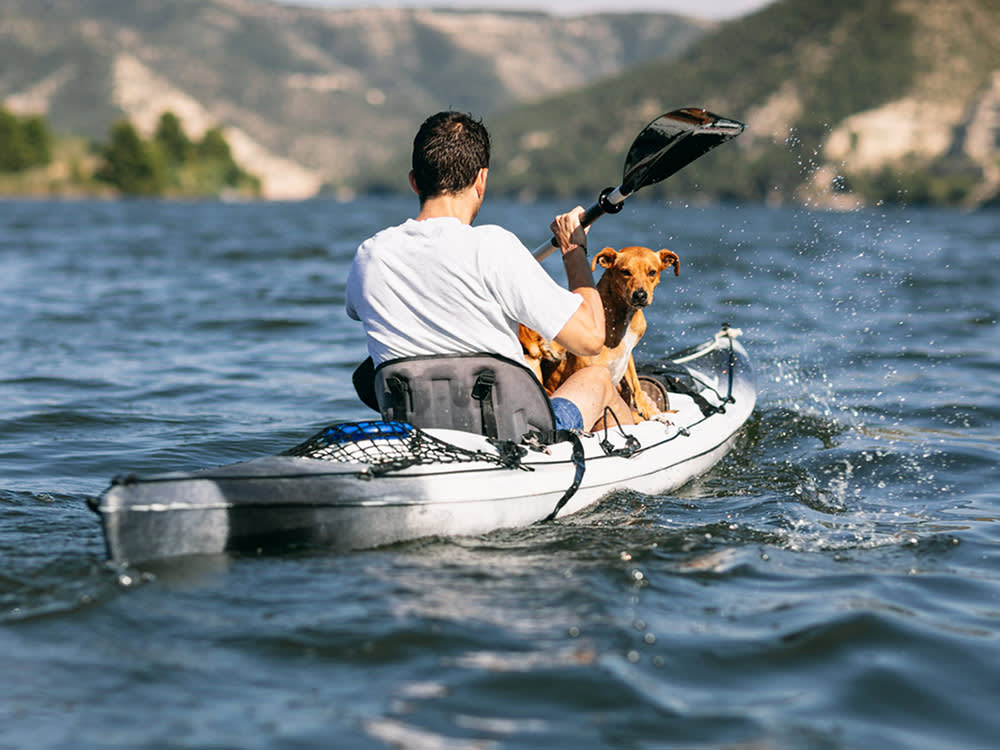
- Always use a pet life jacket. Even the best swimmers can get tired or trapped.
- Never leash your pet to the kayak. If you capsize, your pet could be trapped underwater.
- Check the weather. Avoid kayaking with pets in strong winds, storms, or high waves.
- Keep your pet hydrated. Dogs get thirsty quickly in the sun.
- Bring a first-aid kit. Include pet-safe bandages, antiseptic, and any medicines your pet needs.
- Watch for wildlife. Some pets may get excited or scared by birds, fish, or other animals.
- Know your pet’s limits. Don’t force them to stay longer than they want.
Where To Kayak With Pets
Not every place is pet-friendly. Check local rules before you go.
Good Locations
- Calm lakes
- Slow rivers
- Protected bays
Avoid places with strong currents, lots of boat traffic, or rough water. Some areas may require leashes or have rules about pets in kayaks.
Example: Kayaking With Dogs In The U.s.
Many state parks and national recreation areas allow dogs on kayaks. Check their websites for rules. For example, the Boundary Waters Canoe Area in Minnesota is popular with dog lovers but requires dogs to be leashed at campsites.
On-water Etiquette With Pets
Good manners matter on the water.
- Keep your pet close: Don’t let them jump onto other boats or chase wildlife.
- Respect other paddlers: Not everyone loves pets. Keep greetings polite and brief.
- Stay quiet: Barking or loud noises can disturb others and wildlife.
- Leave no trace: Clean up all pet waste and trash.
Common Mistakes And How To Avoid Them
Even careful owners make errors. Here are common mistakes and how to avoid them.
- Skipping practice: Don’t wait until the last minute to introduce your pet to kayaking.
- Ignoring weather: Rough water can turn a fun trip into a dangerous one.
- Wrong size kayak: A cramped kayak can make your pet anxious or cause accidents.
- No life jacket: Even on calm days, this is a must.
- Letting pets drink the water: Lakes and rivers can carry bacteria or chemicals.
- Tying pets to the boat: This is risky if you flip over.
- Overestimating your pet’s stamina: Short trips are best at first.
What To Do If Your Pet Falls In The Water
Even with the best planning, accidents can happen. Knowing what to do can save your pet’s life.
- Stay calm: Panic can make your pet more scared.
- Call your pet: If trained, your pet may swim back to you.
- Use the life jacket handle: Lift your pet back into the kayak using the built-in handle.
- Keep the kayak steady: Lean toward your pet to balance the boat when bringing them in.
- Dry your pet: Use a towel to keep them warm, especially in cold weather.
| Situation | Action | What NOT to Do |
|---|---|---|
| Pet falls in near shore | Guide to land, help exit water | Paddle away or shout loudly |
| Pet falls in deep water | Use life jacket handle, stay calm | Jump in without plan, panic |
| Pet refuses to get back in | Paddle to shore, calm pet | Force or drag pet aggressively |
Adapting For Different Pets
Dogs are the most common kayaking companions, but you can also kayak with cats, rabbits, or even birds. Each pet type needs special care.
Kayaking With Cats
Some cats enjoy water, but most need slow introductions. Use a covered pet carrier for safety. Never force a cat to stay outside if it’s scared.
Kayaking With Small Animals
Rabbits, ferrets, or small birds should ride in a secure, well-ventilated carrier. Keep the carrier dry and shaded. Check for signs of stress often.
Non-obvious insight: Small animals can overheat quickly on sunny days. Bring extra shade and cool water for them.
Packing Checklist For Kayaking With Pets
A checklist makes it easy to remember everything.
- Pet life jacket
- Human life jacket
- Non-slip mat
- Leash and harness
- Collapsible water bowl
- Fresh water and snacks
- Pet-safe sunscreen
- Towel
- Waste bags
- Dry bag for gear
- First-aid kit
- Treats or toys for calm
Comparing Human And Pet Kayaking Needs
People often forget that pets and humans have different needs on the water. Here’s a quick comparison.
| Item | Human | Pet |
|---|---|---|
| Life jacket | Standard fit | Handle, special fit |
| Seat comfort | Adjustable seat | Non-slip mat or blanket |
| Hydration | Water bottle | Separate bowl and water |
| Sun protection | Hat, sunscreen | Pet-safe sunscreen |
Kayaking With Pets: Real Stories
Hearing from other pet owners can help you avoid mistakes and feel more confident. Many kayakers say that the first trip was the hardest, but after a few sessions, their pets started to look forward to the water.
- One kayaker said her dog was nervous at first, but after three short trips, he began jumping into the kayak on his own.
- Another owner found that her cat enjoyed sitting in a soft carrier, watching fish and birds from the safety of the boat.
The most successful trips always start with patience and lots of treats.
If you want to learn more about animal behavior on boats, the American Kennel Club offers detailed tips for pet safety on the water.
Frequently Asked Questions
How Old Should My Pet Be Before Kayaking?
Most pets should be at least six months old and fully vaccinated before kayaking. Young puppies or kittens can get cold or scared easily. Talk to your vet before taking a young animal on the water.
Can I Kayak With More Than One Pet?
Yes, but only if your kayak is big enough and both pets are calm. Practice with one pet at a time first. Make sure each pet has their own space and life jacket.
What If My Pet Hates Water?
Some pets never enjoy kayaking, and that’s okay. Never force your pet onto the water. Try gentle training, but respect your pet’s feelings and look for other adventures together if kayaking isn’t right for them.
Do I Need Special Permission To Kayak With My Pet?
Some parks and rental companies require pets to be leashed or have special rules. Always check local regulations before you go. Most public lakes and rivers allow pets, but it’s best to confirm ahead of time.
What Should I Do If My Pet Gets Sunburned Or Overheated?
Move your pet to shade, give them cool water, and use a wet towel to help lower their temperature. For sunburn, apply pet-safe aloe or see your vet if it’s severe. Always watch for signs of heat stress, such as panting or drooling.
Kayaking with pets can be a wonderful way to bond and explore nature together. With the right preparation, training, and safety steps, your next paddling trip can be safe and fun for both you and your furry friend. Take it slow, stay patient, and enjoy every moment on the water.
