Are you ready to boost your fitness right from the comfort of your home? Choosing the perfect indoor cycling bike can make all the difference in staying motivated and reaching your goals.
But with so many options out there, how do you find the one that fits your needs, space, and budget? This guide will help you cut through the noise and pick a bike that keeps you pedaling with joy and confidence.
Keep reading, and you’ll discover exactly what to look for to make your workouts effective and enjoyable every single time.
Types Of Indoor Cycling Bikes
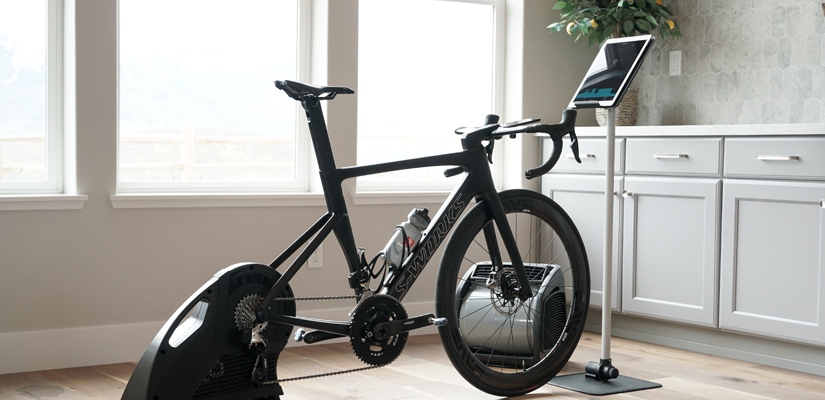
Choosing the right indoor cycling bike starts with knowing the types available. Each type fits different fitness needs and space limits. Understanding these types helps you pick the best bike for your home workouts.
Spin Bikes
Spin bikes mimic outdoor road bikes closely. They have a heavy flywheel that creates smooth resistance. These bikes allow intense workouts and fast pedaling. You can adjust the seat and handlebars for comfort. They suit those who want serious cardio sessions.
Recumbent Bikes
Recumbent bikes have a reclined seat and back support. They are gentle on the lower back and joints. The pedals sit in front of the rider, not below. These bikes are good for longer rides at a relaxed pace. Ideal for beginners or those with mobility issues.
Dual-action Bikes
Dual-action bikes combine pedaling with arm movement. They have moving handles to work upper body muscles too. This helps burn more calories and build strength. These bikes offer a full-body workout in one machine. Great for balanced fitness and variety.
Key Features To Consider
Choosing the right indoor cycling bike means focusing on important features. These features affect comfort, performance, and workout quality. Knowing what to check helps pick a bike that fits your needs and goals. Here are the key features to consider before buying.
Resistance Mechanisms
Resistance controls how hard you pedal. There are two main types: magnetic and friction. Magnetic resistance is quiet and smooth. Friction uses pads to slow the flywheel, which can be noisy. Choose a system that matches your workout style and noise preference.
Flywheel Weight
The flywheel adds momentum to each pedal stroke. Heavier flywheels create a smoother ride. Bikes with light flywheels feel jerky. For steady and realistic cycling, aim for a flywheel weighing at least 15 pounds. This helps maintain balance and control.
Adjustability
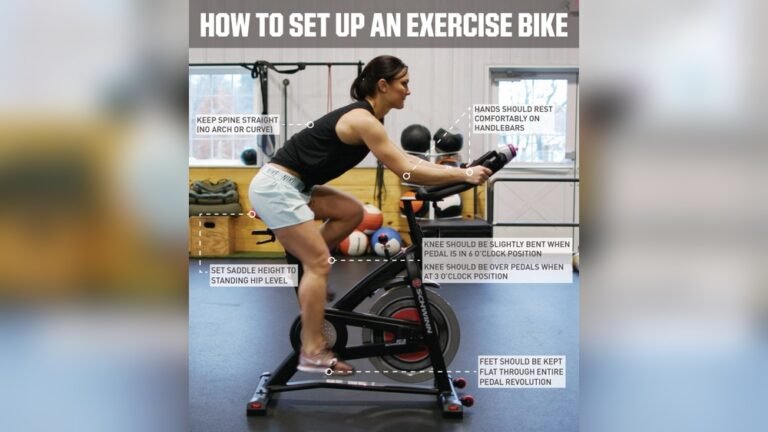
Adjustability is key for comfort and injury prevention. Seat height and position should be easy to change. Handlebar height and distance also need adjustment. A bike that fits your body keeps you comfortable during long rides and improves workout efficiency.
Console And Metrics
A good console shows workout data clearly. Check for speed, distance, time, and calories burned. Some bikes offer heart rate monitoring and connectivity to apps. Tracking progress motivates you and helps set fitness goals.
Comfort And Ergonomics
Comfort and ergonomics play a key role in choosing an indoor cycling bike. A bike that fits well helps avoid pain and injury. It also makes exercise more enjoyable and keeps you motivated.
Pay close attention to the bike’s design. Small details can change your riding experience. Adjustments allow you to find the right position for your body.
Seat Design
The seat should be wide enough to support your hips. A narrow seat can cause discomfort during long rides. Look for padding that feels soft but firm. Some seats have a cut-out in the middle to reduce pressure. Check if the seat height and angle can be adjusted easily. This helps you sit comfortably and pedal efficiently.
Handlebar Options
Handlebars come in different shapes and sizes. Choose one that lets you hold a natural position. Some bikes offer adjustable handlebars that move up, down, and forward. This flexibility helps reduce strain on your back and shoulders. Padded grips add comfort and prevent slipping. Multiple hand positions allow you to change posture during workouts.
Pedal Types
Pedals affect how your feet stay on the bike. Standard pedals work with regular shoes. Clip-in pedals connect to special cycling shoes for better control. Some bikes provide pedals with toe cages or straps to secure your feet. Choose a pedal type that suits your riding style and comfort level. Proper foot support improves power and reduces foot pain.
Budget And Price Ranges
Choosing the right indoor cycling bike depends a lot on your budget. Bikes come in many price ranges. Each range offers different features and quality. Knowing what fits your budget helps you pick the best bike for your needs. This guide breaks down the options by price.
Entry-level Bikes
Entry-level bikes cost the least. They usually range from $200 to $500. These bikes suit beginners or casual riders. They have basic features and simpler designs. Expect less resistance control and fewer adjustment options. Entry-level bikes are good to start with and see if indoor cycling fits your routine.
Mid-range Choices
Mid-range bikes cost between $500 and $1,000. They offer better build quality and more features. You get smoother rides and stronger frames. These bikes often include adjustable resistance and better seat comfort. Some models add digital displays for tracking workouts. Mid-range bikes fit regular users who want more than basics.
Premium Models
Premium models cost over $1,000. They provide the best performance and durability. These bikes have advanced features like magnetic resistance and interactive screens. You find options for live classes and app connectivity. Premium bikes are ideal for serious cyclists and fitness lovers. They offer a professional workout experience at home.
Space And Size Considerations
Choosing the right indoor cycling bike means thinking about your space. Bikes come in different sizes and shapes. Knowing how much room you have helps pick the best fit. This step keeps your workout area safe and comfortable.
Bike Footprint
Bike footprint means the amount of floor space the bike uses. Measure the space before buying. A small footprint fits well in tight rooms. Larger bikes offer more stability but need more room. Check the dimensions listed by the maker.
Portability Features
Portability makes moving the bike easier. Some bikes have wheels on the front or base. This helps shift the bike without lifting. Folding bikes save space after workouts. Choose a bike that fits your moving and storage needs.
Connectivity And Smart Features
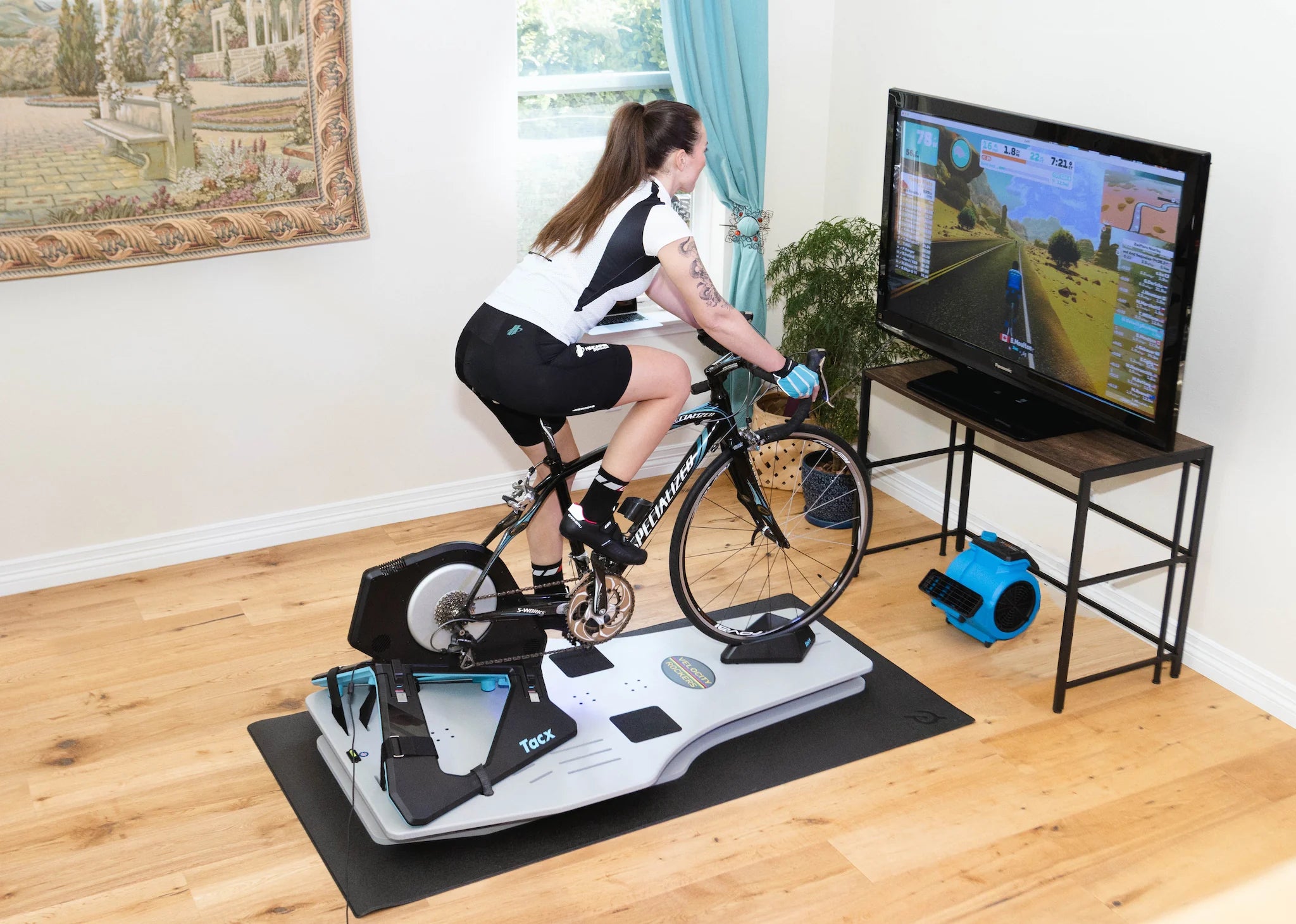
Connectivity and smart features make indoor cycling bikes more fun and useful. They help you track progress, join online classes, and connect with other users. These features bring a gym experience right to your home. Choosing a bike with the right tech can improve your workouts and keep you motivated.
App Integration
App integration lets you connect your bike to fitness apps. These apps show your speed, distance, and calories burned. Some apps offer live classes and training plans. Using an app makes your workout more interactive and goal-focused. It also helps you stay consistent and track your improvement over time.
Built-in Workouts
Bikes with built-in workouts guide you through different exercises. These workouts vary in intensity and length. You can choose programs that fit your fitness level. Built-in workouts save time searching for routines. They also keep you challenged and engaged during rides.
Bluetooth And Wi-fi
Bluetooth and Wi-Fi connect your bike to devices and the internet. Bluetooth pairs with heart rate monitors and headphones. Wi-Fi allows streaming of live or on-demand classes. A strong connection ensures smooth and uninterrupted sessions. This feature makes your indoor cycling experience more enjoyable.
Maintenance And Durability
Choosing an indoor cycling bike involves more than comfort and features. Maintenance and durability play a big role in your bike’s lifespan. A bike that needs less upkeep saves time and money. Durable parts reduce the chance of breakdowns. This section helps you understand what to check for strong, lasting bikes.
Materials And Build Quality
Strong materials last longer and handle daily use better. Look for bikes made with steel or heavy-duty aluminum frames. These materials resist rust and wear. Check the welds and joints. Smooth, clean welds show good craftsmanship. Avoid bikes with plastic parts in key stress areas. Solid pedals and cranks add to durability. A quality bike feels sturdy and does not wobble. Smooth paint or coating helps protect from scratches and moisture.
Warranty And Support
A good warranty shows the manufacturer trusts their product. Look for bikes with at least one year of coverage. Some brands offer longer warranties on frames and parts. Check what the warranty covers and what it excludes. Easy access to customer support is important. Fast, helpful service can save you headaches later. Some companies provide replacement parts or repair guides online. This support keeps your bike running smoothly for years.
User Reviews And Brand Reputation
User reviews and brand reputation play a big role in choosing an indoor cycling bike. They show real experiences and product quality. Reading reviews helps avoid bad purchases. A good brand often means reliable products and better support.
Checking both helps find a bike that fits your needs and lasts long. Real feedback shares details about comfort, noise, and durability. Brand reputation gives trust and peace of mind.
Top Brands In 2026
Some brands stand out for quality and innovation. Schwinn offers strong, durable bikes with smooth rides. Peloton is popular for interactive classes and high-tech features. NordicTrack provides adjustable resistance and solid build. Sunny Health & Fitness delivers budget-friendly, reliable options. These brands have earned respect from many users worldwide.
Customer Feedback Insights
Users often mention comfort and ease of use. A quiet bike is a top priority for most. Many appreciate clear displays and simple controls. Durability matters; buyers want bikes that last years. Some report excellent customer service from trusted brands. Negative feedback often points to poor assembly or missing parts.
Reading many reviews gives a balanced view of pros and cons. It helps spot common issues and benefits. Listening to real users saves time and money. Their insights guide smart decisions for your indoor cycling needs.
Tips For Test Riding And Buying
Choosing the right indoor cycling bike takes more than just reading specs online. Test riding helps you feel the bike’s comfort, resistance, and fit. Buying the right bike ensures you stay motivated and avoid injuries. Here are useful tips for test riding and buying your indoor cycling bike.
What To Look For During A Test Ride
Check the seat comfort. Is it easy to adjust up and down? Try the handlebar grip. Does it feel natural and firm? Pedal the bike for a few minutes. Notice if the resistance changes smoothly. Is the bike quiet or noisy? Pay attention to how stable the bike feels. It should not wobble during your ride. Test different resistance levels. See if switching is simple and quick. Check the bike’s size. Are you able to sit with good posture? Make sure the display is easy to read and use.
Where To Buy
Start at local sports or fitness stores. You can test ride several models in person. Staff can answer your questions directly. Check online stores for wider choices and reviews. Look for free shipping or return options. Compare prices from different sellers before buying. Consider stores that offer warranty and good customer service. Buying from a trusted brand reduces risks. Read customer feedback to know the bike’s real performance. Choose the option that fits your budget and needs best.

Frequently Asked Questions
What Features Matter Most In An Indoor Cycling Bike?
Key features include adjustable resistance, a comfortable seat, sturdy frame, and smooth flywheel. These ensure a personalized and effective workout.
How To Choose The Right Flywheel Weight?
A heavier flywheel offers smoother, quieter rides and better momentum. Aim for bikes with 30-40 lbs flywheels for balanced performance.
Should I Prioritize Bike Size Or Adjustability?
Adjustability is crucial to fit your height and comfort. A well-adjusted bike reduces injury risk and improves workout efficiency.
Is Resistance Type Important For Indoor Cycling Bikes?
Yes, magnetic resistance provides quiet, smooth changes. Friction resistance is cheaper but noisier and requires more maintenance.
Conclusion
Choosing the right indoor cycling bike takes time and thought. Think about your space, budget, and fitness goals first. Test different models to find what feels best for you. Comfort and durability matter a lot. A good bike keeps you motivated and safe.
Keep these tips in mind to make a smart choice. Enjoy your rides and stay active indoors!
