
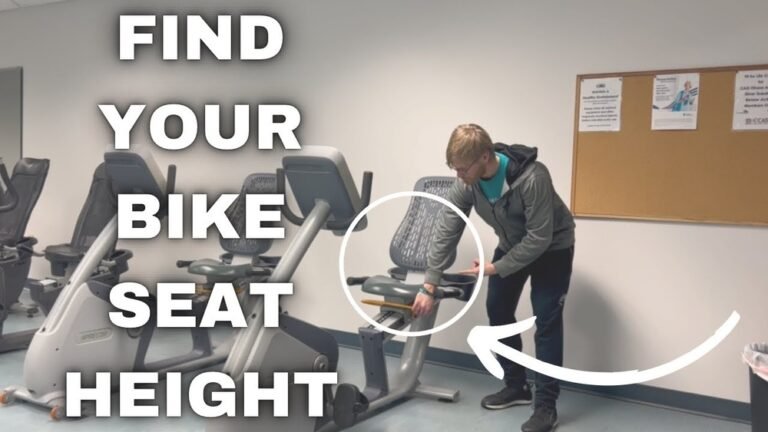
Are you struggling to find the perfect seat position on your recumbent bike? Sitting too close or too far can make your ride uncomfortable and even cause pain.
But adjusting the seat just right can transform your cycling experience, making every workout smoother and more enjoyable. In this guide, you’ll learn simple, step-by-step tips to adjust your recumbent bike seat for maximum comfort and efficiency. Keep reading, and discover how a small change can make a big difference in your rides.
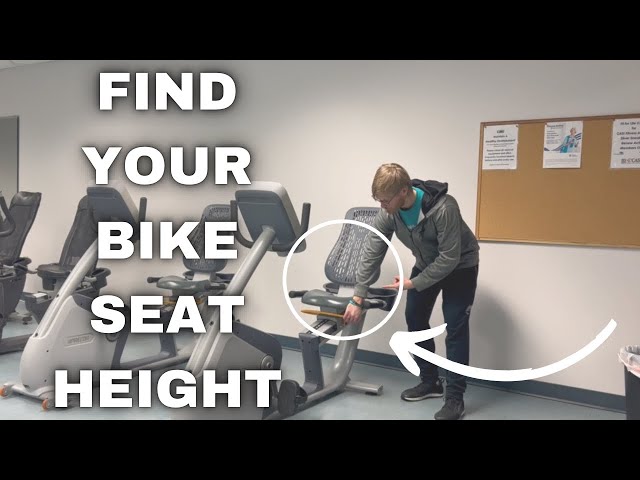
Choosing The Right Seat
Choosing the right seat for your recumbent bike is important for comfort and performance. The seat supports your back and helps you pedal efficiently. Picking a seat that fits your body can prevent pain and make your rides more enjoyable.
Types Of Recumbent Bike Seats
Recumbent bike seats come in several styles. Mesh seats offer good airflow to keep you cool. Solid plastic seats provide firm support and last long. Some seats have a wider base for more comfort on long rides. Narrow seats help with faster pedaling and less weight.
Materials And Padding Options
Seats use different materials for comfort and durability. Foam padding is soft and absorbs shocks well. Gel padding molds to your body shape for extra comfort. Some seats combine foam and gel for the best of both. The cover material matters too. Breathable fabric prevents sweating, while vinyl is easy to clean.
Ergonomic Features To Look For
Look for seats with lumbar support to protect your lower back. Adjustable seat angles help you find the best position. Wide seats with side supports keep you stable during rides. Some seats include ventilation holes to reduce heat buildup. A seat with a smooth surface reduces chafing on long trips.
Adjusting Seat Position
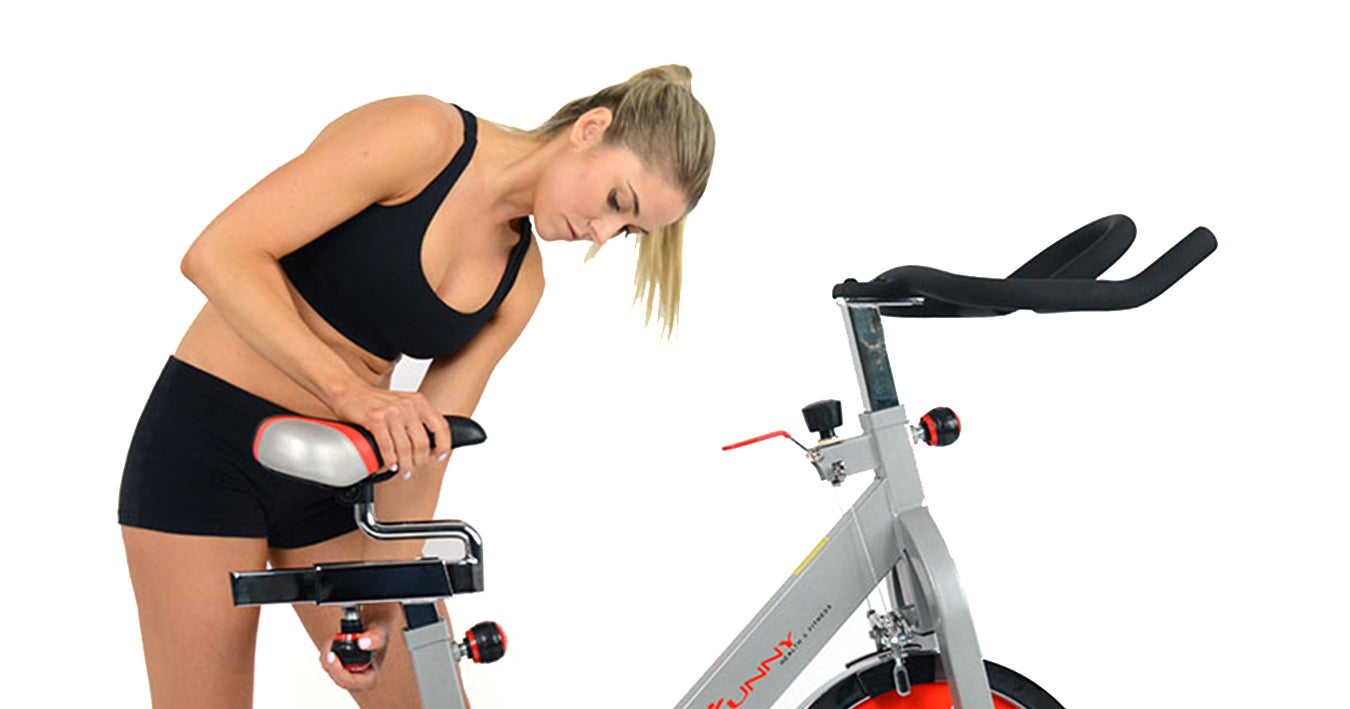
Adjusting the seat position on a recumbent bike improves comfort and performance. A good seat position helps prevent pain and injury. It also makes your workout more efficient. Follow these steps to set your seat correctly.
Sliding The Seat Forward Or Backward
Most recumbent bikes have a sliding seat. You can move it forward or backward along a track. Loosen the seat lever or knob first. Slide the seat to a position where you feel comfortable. Tighten the lever to lock the seat in place. This adjustment controls how close you sit to the pedals.
Setting The Proper Distance From Pedals
Your feet should reach the pedals without stretching or bending too much. Place your foot on the pedal at the farthest point. Your knee should be slightly bent, not locked. Adjust the seat sliding position to get this right. Too far means overreaching. Too close means cramped legs.
Aligning Seat Height For Optimal Leg Extension
Seat height affects how well your legs extend during pedaling. A good height lets your leg straighten almost fully at the pedal’s lowest point. Adjust the seat height using the bike’s height control. Avoid lifting the seat too high or lowering it too much. Proper height reduces strain on your knees and hips.
Customizing Seat Angle
Adjusting the seat angle on a recumbent bike affects comfort and performance. The right tilt supports your back and legs. It helps you pedal smoothly and reduces strain. Small changes in angle can make a big difference during your ride.
Benefits Of Seat Tilt Adjustments
Tilting the seat changes your posture on the bike. A slight forward tilt opens your hips and eases leg movement. A backward tilt supports your lower back better. This reduces pressure on your spine and tailbone. Proper seat angle can prevent discomfort during long rides. It also helps you maintain balance and control. Your workout becomes more enjoyable and effective.
How To Adjust The Seat Angle
Locate the seat adjustment lever or knob on your bike. Loosen it enough to move the seat angle. Tilt the seat forward or backward slowly. Stop when you feel a comfortable position. Tighten the lever or knob to secure the seat. Make small adjustments and test by pedaling a few minutes. Repeat if needed until you find the best angle.
Common Angle Settings For Comfort
Most riders prefer a seat tilt between 5 to 15 degrees. Forward tilt near 10 degrees suits active pedaling. Slight backward tilt around 5 degrees helps with back support. Flat or zero-degree tilt works for relaxed riding. Adjust according to your body and ride style. Comfort varies, so test each setting carefully. Keep your knees aligned with your feet for best results.
Checking Seat Stability
Checking seat stability on a recumbent bike is very important. A stable seat keeps you safe and comfortable. It also helps you pedal smoothly and avoid injuries. Before every ride, take a moment to check the seat. Make sure it does not wobble or shift.
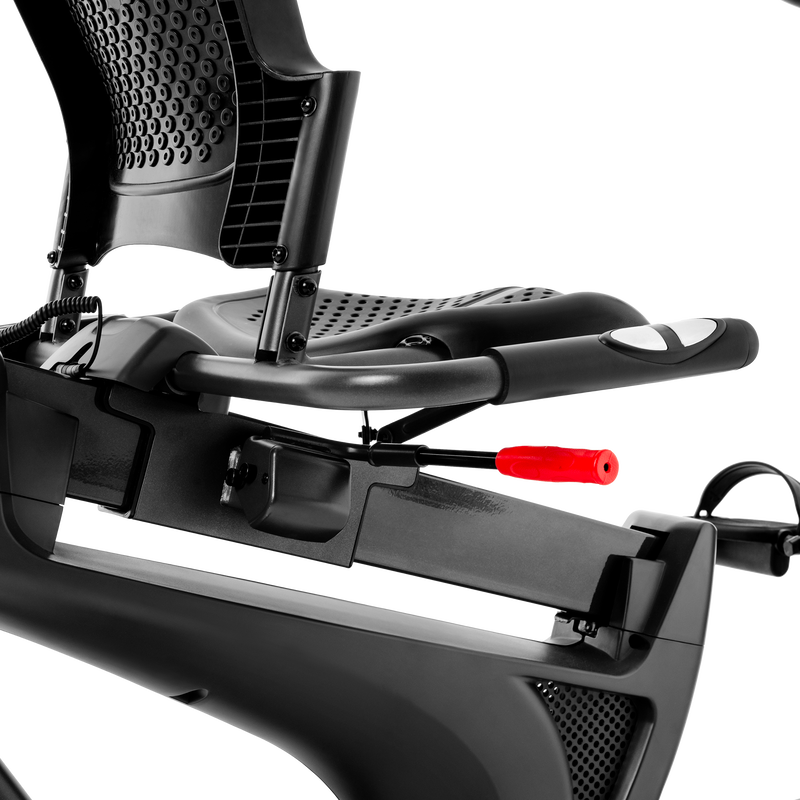
Securing Seat Locks
Start by tightening the seat locks. These locks hold the seat in place. Use your hands or a tool to make sure they are tight. Loose locks cause the seat to move during riding. Check all locking points on the seat frame. If you hear any clicks or see gaps, fix them right away. A secure lock means a safer ride.
Preventing Seat Movement During Rides
Seat movement distracts you and wastes energy. To prevent this, adjust the seat properly. Slide it to the right position and lock it firmly. Test the seat by pushing it from different sides. If it shifts, tighten the locks again. Using a small piece of rubber between the seat and frame can add extra grip. Keep the seat steady for better control and comfort.
Additional Comfort Tips
Comfort plays a big role in enjoying your recumbent bike rides. Adjusting the seat is just the start. Small changes can make long rides easier and more fun.
These tips help reduce pain and improve your overall experience. Let’s explore some simple ways to stay comfortable while biking.
Using Cushions And Seat Covers
Soft cushions add extra padding to your seat. They protect your sit bones and reduce pressure. Gel or foam cushions work well for most riders.
Seat covers can also improve comfort by adding a smooth layer. Look for breathable materials to keep you cool. This helps avoid sweating and skin irritation.
Proper Clothing For Recumbent Biking
Wear clothes that fit well and allow easy movement. Padded shorts reduce friction and protect your skin. Choose moisture-wicking fabrics to stay dry.
Avoid loose clothes that may catch on the bike. Lightweight and stretchy materials work best for comfort and safety.
Maintaining Good Posture While Riding
Sit with your back straight and shoulders relaxed. Keep your feet flat on the pedals for better control. Good posture helps prevent back and neck pain.
Adjust your seat to support your lower back. Take breaks to stretch if you ride for a long time. This keeps muscles relaxed and reduces stiffness.
Troubleshooting Common Issues
Troubleshooting common issues with your recumbent bike seat helps improve comfort and performance. Problems like discomfort, seat slippage, or worn-out parts can stop you from enjoying your ride. Knowing how to fix these issues saves time and frustration. Here are some simple tips to handle common seat problems.
Dealing With Discomfort Or Pain
Discomfort often means the seat is not in the right position. Adjust the seat forward or backward to find a comfortable spot. Check the angle of the seat; a slight tilt can reduce pressure. Use padded seat covers to add extra comfort. Take breaks during long rides to avoid soreness. Tighten all bolts to keep the seat stable and prevent wobbling.
Fixing Seat Slippage
Seat slippage happens when bolts or clamps are loose. Tighten all screws holding the seat firmly. Clean the seat rails and clamps to remove dirt and grease. Use a small amount of anti-slip spray or grip tape on the rails. Check for worn parts like clamps or bolts and replace them if needed. Regular maintenance helps keep the seat secure during rides.
When To Replace Your Seat
Seats wear out over time and lose support. Replace your seat if padding is flat or torn. Cracks in the frame or broken adjustment parts mean it’s time for a new seat. A worn seat can cause pain and reduce ride quality. Choose a seat that fits your bike model and riding style. Proper replacement keeps your bike safe and comfortable.
Frequently Asked Questions
How Do I Adjust The Seat Height On A Recumbent Bike?
To adjust seat height, loosen the seat post lever or knob. Slide the seat up or down to your comfort. Tighten the lever securely to lock the seat in place. Proper height ensures efficient pedaling and reduces knee strain.
How Far Should The Seat Be From The Pedals?
Position the seat so your legs are almost fully extended at pedal’s farthest point. Your knees should have a slight bend. This distance prevents injury and improves pedaling efficiency.
What Is The Best Seat Angle For Comfort?
Keep the seat angle mostly horizontal or slightly tilted back. Adjust for comfort and proper back support. A correct angle reduces pressure on your lower back and hips during rides.
How Often Should I Adjust My Recumbent Bike Seat?
Adjust the seat whenever you feel discomfort or change riders. Regular checks ensure optimal posture and prevent muscle strain. It’s good to reassess seat position every few weeks.
Conclusion
Adjusting your recumbent bike seat helps you ride comfortably and safely. A proper seat position reduces strain on your back and knees. It also improves your pedaling power and balance. Take your time to find the right spot before each ride.
Small changes make a big difference in comfort and performance. Keep practicing adjustments until it feels just right. Enjoy your workouts more with a well-set seat. Stay consistent and listen to your body’s signals. Happy cycling!
