Are you wondering how long you should use a rowing machine to see real results? Whether you’re aiming to lose weight, build strength, or boost your endurance, the time you spend on the rower matters.
Too little might leave you frustrated, while too much could tire you out quickly. You’ll discover the ideal rowing machine workout duration tailored to your goals. Keep reading, and you’ll learn how to get the most from every stroke, making your time on the rower both effective and enjoyable.
Benefits Of Rowing Workouts
Rowing workouts offer many benefits for the body and mind. They help build strength and improve heart health. The rowing machine works many muscles at once. It also supports weight loss and increases stamina. These workouts suit all fitness levels and ages. Here are some key benefits of rowing workouts.
Full-body Conditioning
Rowing engages legs, arms, back, and core. Each stroke works several muscles together. This builds muscle strength evenly across the body. It helps improve posture and balance. Regular rowing tones muscles without heavy lifting. It also boosts endurance and flexibility.
Cardio And Strength Blend
Rowing combines cardiovascular exercise with strength training. Your heart rate rises, improving heart and lung health. At the same time, muscles grow stronger. This mix burns calories fast and builds muscle. It makes workouts efficient and time-saving. Perfect for busy schedules and fitness goals.
Low-impact Exercise
Rowing is gentle on joints and bones. It does not cause stress like running or jumping. This reduces injury risk and helps recovery. People with joint pain or arthritis find rowing helpful. It allows longer workouts without discomfort. A safe option for all fitness levels.
Factors Influencing Workout Duration
Knowing how long to use a rowing machine depends on many factors. These factors affect your workout time and results. Understanding them helps you plan better sessions. It also keeps your exercise safe and effective.
Each person is different. What works for one may not work for another. The main points to think about include your fitness level, workout goals, age, and health conditions. These influence how long you should row.
Fitness Level
Your current fitness level shapes your workout time. Beginners may need shorter sessions to avoid injury and fatigue. Start with 10 to 15 minutes and increase slowly. Experienced rowers can handle longer workouts, often 30 to 60 minutes. They can sustain higher intensity for longer periods. Listen to your body’s signals to adjust time safely.
Workout Goals
Your goals decide how long to row. For weight loss, longer sessions at moderate pace work well. Aim for 30 to 45 minutes or more. For building strength or speed, shorter and more intense workouts are better. High-intensity intervals last about 20 to 30 minutes. Each goal needs a different approach to time and effort.
Age And Health Conditions
Age affects how long you can safely exercise. Older adults may need shorter, less intense rowing sessions. People with health problems should consult a doctor before starting. Conditions like heart disease or joint pain limit workout time. Always prioritize safety over duration. Adjust rowing time based on comfort and medical advice.
Recommended Rowing Times
Knowing the right time to spend on a rowing machine helps you get the best results. Too little time may not improve your fitness. Too much can cause tiredness or injury. The right duration depends on your fitness level and goals. Below are simple guidelines for different experience levels.
Beginners’ Guidelines
Start with short sessions of 10 to 15 minutes. Focus on learning the correct rowing form. Row at a slow and steady pace. Rest for a day between sessions to let your body recover. Gradually add 5 minutes each week. Aim for 3 to 4 sessions per week.
Intermediate Sessions
Row for 20 to 30 minutes per session. Increase the intensity slightly by rowing faster or adding resistance. Try interval training with short bursts of speed. Work out 4 to 5 times weekly. Listen to your body and avoid pushing too hard.
Advanced Training Durations
Row for 30 to 60 minutes at a steady or varied pace. Include high-intensity intervals and endurance rowing. Train 5 to 6 days a week for best results. Use longer sessions to build stamina and strength. Always warm up before and cool down after rowing.
Balancing Intensity And Time
Finding the right balance between intensity and time on a rowing machine is key. Too little effort may limit results. Too much can lead to fatigue or injury. Knowing how to adjust your workout helps you stay active and safe. It also improves your endurance and strength effectively.
Focus on mixing different workout styles. Short bursts of high effort build power. Longer steady sessions improve stamina. Pay attention to your body’s signals to avoid overdoing it.
Interval Training Benefits
Interval training means short, intense rowing sessions followed by rest. This style boosts heart rate quickly. It helps burn calories faster in less time. Your muscles get stronger with each burst. It also improves your recovery speed. Interval training keeps workouts exciting and varied.
Steady-state Rowing
Steady-state rowing involves a consistent pace for longer periods. It trains your body to use oxygen efficiently. This method builds endurance over time. It is easier to maintain for beginners. Steady rowing supports fat burning and heart health. Try to row at a comfortable but steady speed.
Avoiding Overtraining
Overtraining can cause tiredness and soreness. It may lead to injuries if ignored. Rest days are important for muscle repair. Listen to your body’s warning signs like pain or fatigue. Vary your workout intensity to prevent burnout. Balance effort with recovery for long-term progress.
Signs To Stop Or Adjust
Knowing when to stop or adjust your rowing machine workout is very important. It keeps you safe and helps avoid injury. Listening to your body helps you decide the right time to pause or change your exercise routine. Watch out for clear signs that tell you to stop or slow down.
Physical Discomfort
Sharp pain or unusual aches are warning signs. Do not ignore pain in your back, knees, or shoulders. Mild soreness is normal, but strong pain is not. Stop rowing if you feel dizzy or short of breath. These feelings show your body needs a break or adjustment.
Fatigue Indicators
Extreme tiredness can lower your workout quality. If your muscles feel weak or shaky, slow down or rest. Trouble keeping a steady pace means your body is tired. Fatigue can lead to poor form and injury. Take breaks to recover and avoid overdoing it.
Mental Burnout
Feeling bored, frustrated, or stressed during rowing is a sign. Mental burnout reduces motivation and focus. If you dread your workout, consider changing your routine. Try shorter sessions or mix in different exercises. Keeping your mind fresh helps your body perform better.

Tips For Safe Rowing
Using a rowing machine is a great way to improve fitness and strength. Safe rowing helps prevent injuries and keeps workouts effective. Following some simple tips can make each session better and safer.
Focus on good habits before, during, and after rowing. This care protects your body and helps you enjoy your exercise.
Proper Form And Technique
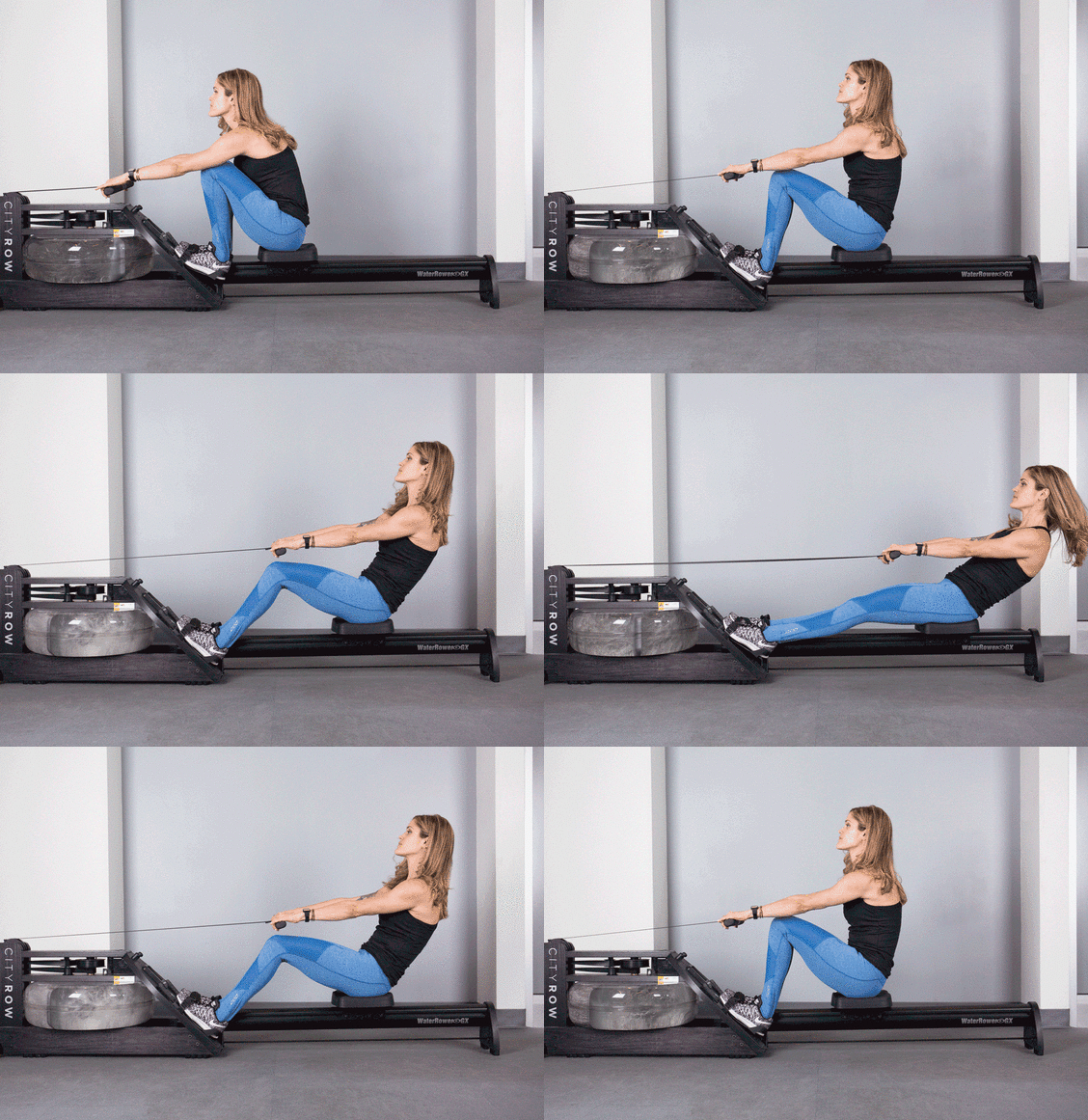
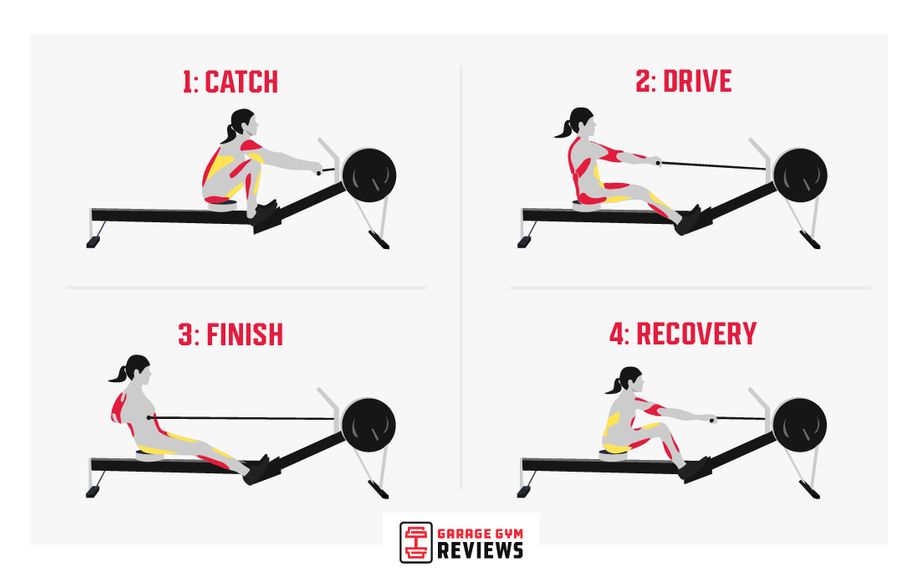
Keep your back straight, not rounded, during rowing. Push with your legs first, then pull with your arms. Return smoothly to the start position. Avoid hunching or jerking motions. Good form reduces strain and boosts workout results.
Warm-up And Cool-down
Start with a light warm-up to prepare your muscles. Try gentle rowing or stretching for five minutes. After your workout, cool down slowly. This helps your body recover and reduces soreness.
Hydration And Nutrition
Drink water before, during, and after rowing. Staying hydrated keeps your muscles working well. Eat a balanced meal with protein and carbs after exercise. Proper nutrition fuels your body and supports muscle repair.
Tracking Progress
Tracking progress on a rowing machine helps you stay motivated and see real results. It shows how your fitness improves over days and weeks. Watching your progress makes exercise more rewarding and guides your workout plan.
Using Rowing Machine Metrics
Rowing machines show useful numbers like distance, time, and calories. You can also track strokes per minute and split times. These metrics tell you how hard you work and how much you improve.
Check these numbers after each session. They help you understand your current level. Use them to compare your workouts and spot progress.
Setting Realistic Goals
Set small, clear goals based on your metrics. For example, row a certain distance or time each session. Goals keep you focused and give a sense of achievement.
Make goals easy to reach at first. Then increase them slowly. This way, you avoid frustration and stay motivated.
Adapting Duration Over Time
Start with short sessions and add time as you get stronger. Increasing duration helps build endurance and burns more calories.
Listen to your body. If you feel tired, keep the workout shorter. Gradually, your body will handle longer rowing sessions with ease.
Frequently Asked Questions
How Long Should Beginners Row Daily?
Beginners should start with 10 to 15 minutes daily. Gradually increase time as stamina and technique improve. Consistency is key for effective workouts and injury prevention.
What Is The Ideal Rowing Machine Workout Duration?
A typical rowing workout lasts 20 to 30 minutes. This duration balances cardio and strength benefits. Adjust intensity based on fitness goals and experience level.
Can I Row For An Hour Every Day?
Rowing an hour daily is possible for fit individuals. Beginners should build up gradually to avoid fatigue. Listen to your body and allow rest days for recovery.
How Often Should I Use A Rowing Machine Weekly?
Using the rowing machine 3 to 5 times per week is optimal. This frequency supports fitness gains without overtraining. Rest days help muscle recovery and prevent burnout.
Conclusion
Using a rowing machine regularly helps build strength and stamina. Start with short sessions and increase time as you feel stronger. Aim for at least 20 to 30 minutes per workout. Listen to your body to avoid overdoing it. Consistency matters more than long, exhausting workouts.
Enjoy your progress and stay patient. Rowing improves health and fitness step by step. Keep your routine simple and steady for best results. Small, daily efforts bring lasting changes.
