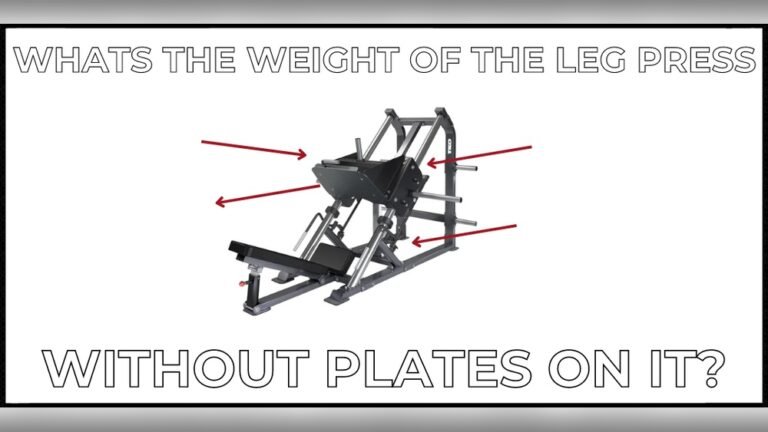
Have you ever wondered just how heavy leg press machines really are? Whether you’re setting up a home gym or just curious about the equipment at your local fitness center, knowing the weight of these machines can make a big difference.
It affects everything from moving and installing the machine to how stable and safe it feels during your workout. Keep reading, and you’ll discover the details that most people overlook—details that can help you make smarter choices and get the most out of your leg press sessions.
Leg Press Machine Basics
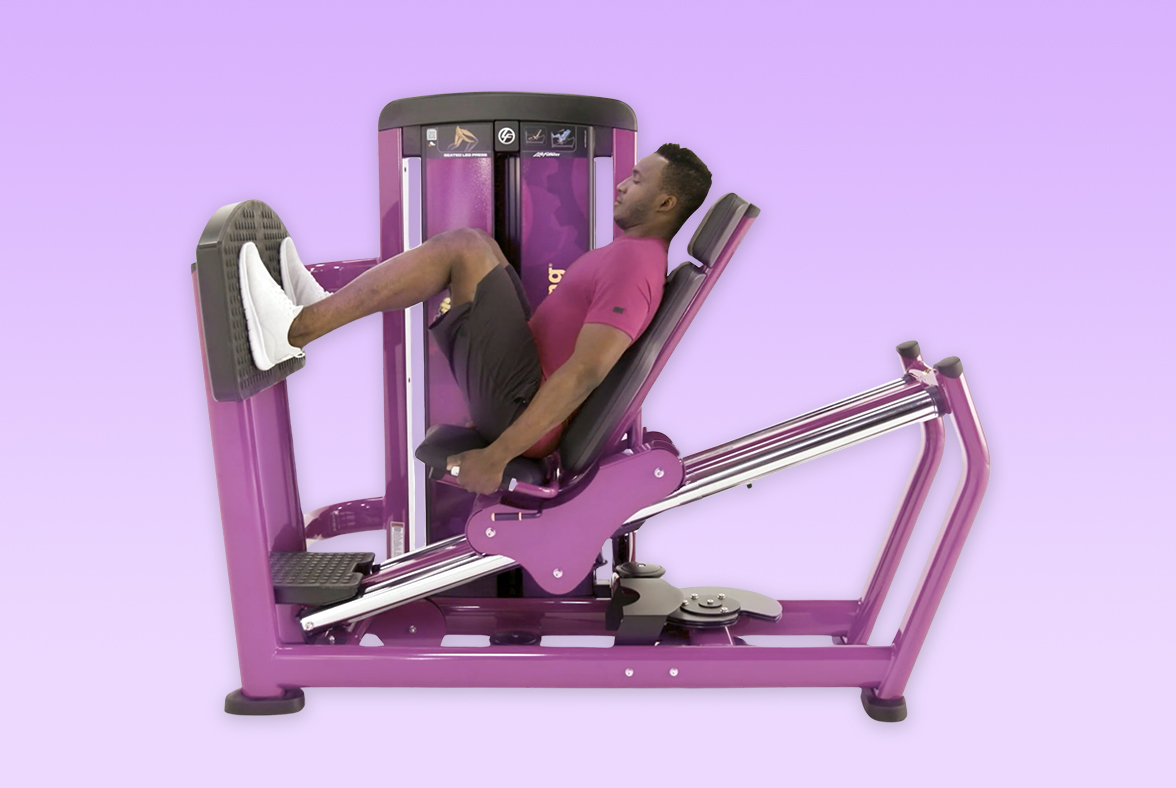
Leg press machines are popular gym equipment for leg workouts. They help strengthen muscles like the quadriceps, hamstrings, and glutes. Knowing the basics about these machines helps you choose the right one and understand their weight.
Types Of Leg Press Machines
There are several types of leg press machines. The most common are the sled leg press, the horizontal leg press, and the vertical leg press. Each type has a different design and weight capacity. Sled leg press machines have a plate-loaded sled that you push with your legs. Horizontal leg press machines have a seat that slides horizontally. Vertical leg press machines require you to push a platform above you. Each type feels different and suits different workout styles.
Common Materials Used
Leg press machines are made from strong, durable materials. Steel is the most common material used for the frame. It makes the machine heavy and sturdy. The seat and backrest often have foam padding covered with vinyl or leather for comfort. Some parts use plastic or rubber for grips and footplates. These materials add to the machine’s total weight. High-quality materials ensure safety and long use.
Average Weight Of Leg Press Machines
The average weight of leg press machines varies based on their design and purpose. These machines need to be strong and stable. Weight affects portability and space needs. Knowing the average weight helps choose the right model.
Home Gym Models
Home gym leg press machines usually weigh between 150 to 300 pounds. They are lighter to fit in smaller spaces. These models use less steel and have simpler frames. They are easier to move but still offer good support. Their weight allows for safe and effective workouts at home.
Commercial Gym Models
Commercial gym leg press machines weigh much more. They range from 400 to 700 pounds or more. These machines use heavy steel frames for durability. They handle frequent and intense use without damage. Their weight keeps the machine stable during heavy lifts. These models suit gyms and fitness centers best.
Factors Affecting Machine Weight
Leg press machines come in various weights. Several factors affect how heavy a leg press machine is. Understanding these factors helps you choose the right machine for your space and workout needs.
Frame Construction
The frame is the main part of the machine. It is usually made from steel or metal. Heavier frames use thicker and stronger steel. This adds stability but also increases weight. Lighter frames use thinner metal. They weigh less but may feel less sturdy.
Size And Design
Size plays a big role in weight. Larger machines have more metal parts. They also have bigger seats and footplates. Some designs have extra support bars. These features add to the total weight. Smaller machines are easier to move and store.
Additional Features
Extra features add weight too. Machines with weight stacks, pulleys, or cables weigh more. Adjustable seats and backrests include extra parts. Some machines have built-in storage for weights. These parts increase the machine’s overall heaviness.
Weight Distribution In Leg Press Machines
Weight distribution plays a key role in leg press machines. It affects stability, safety, and workout quality. Understanding how weight spreads across parts helps users choose the right machine. It also explains why some models feel heavier or lighter during use.
Base And Frame Weight
The base and frame form the machine’s foundation. They carry most of the machine’s total weight. These parts are made from steel or heavy metal. This material ensures the machine stays stable during exercise. A heavier frame means less shaking and safer workouts. The base often holds the machine firmly on the floor. Its weight prevents tipping or sliding. Larger, thicker frames weigh more but offer better support.
Resistance Mechanism Weight
The resistance mechanism adds extra weight to the machine. It controls how hard you push during leg presses. This part includes weight plates, hydraulic systems, or bands. Weight plates increase the total machine weight significantly. Hydraulic or band systems tend to weigh less but change resistance smoothly. The resistance system’s weight varies by type and design. It must balance effort and machine stability well.
Transporting And Installing Leg Press Machines
Transporting and installing leg press machines requires careful planning. These machines are heavy and bulky. Moving them without proper preparation can lead to damage or injury. Knowing the right steps helps ensure safety and efficiency.
Handling Tips
Leg press machines often weigh between 200 and 600 pounds. Use a dolly or hand truck for moving. Always lift with your legs, not your back. Work with a partner to share the load. Clear the path before moving the machine. Wear gloves to protect your hands. Avoid dragging the machine on rough surfaces.
Space Requirements
Leg press machines need enough room for use and maintenance. Allow at least 4 feet around the machine. Ensure the floor can support the machine’s weight. Check doorways and hallways for size clearance. Plan space for users to move freely. Proper space helps avoid accidents and damage.

Comparing Leg Press Weight To Other Equipment
Comparing the weight of leg press machines to other gym equipment helps you understand their use. Leg press machines often hold heavy weight plates. These weights can be adjusted to fit your strength level. The machine’s design supports your body during the exercise.
Other equipment like squat racks and smith machines also allow weight lifting. Each has a unique style and weight capacity. Knowing these differences helps you choose the right tool for your workout.
Squat Racks
Squat racks hold barbells with free weights. The barbell alone weighs about 45 pounds. You can add plates to increase the total weight. Squat racks let you lift heavy weights using your legs and core. Balancing the bar requires more effort than leg press machines. This makes the exercise more challenging but effective.
Smith Machines
Smith machines have a fixed barbell attached to rails. The bar usually weighs less than a free barbell. It often feels lighter because the rails support part of the weight. Smith machines help maintain balance during lifts. They offer a safer environment for beginners. The total weight lifted can be similar to leg press machines but feels different.
Choosing The Right Leg Press Machine Weight
Choosing the right leg press machine weight is important for a safe and effective workout. The weight you select affects your strength gains and injury risk. It depends on several factors such as your experience, space, and fitness goals. Picking the correct weight helps you progress steadily and enjoy your workouts.
User Experience Level
Beginners should start with lighter weights to learn proper form. Using too much weight can cause injury and slow progress. Experienced users can handle heavier weights for muscle growth. Adjust the weight based on your strength and comfort. Gradually increase weight as you build confidence and strength.
Available Space
Leg press machines vary in size and weight. Check the space where you want to place the machine. Heavier machines may need more room and stronger flooring. Compact machines fit smaller spaces but may have less weight capacity. Choose a machine that fits your space without crowding your workout area.
Workout Goals
Weight choice depends on your fitness goals. For muscle building, use heavier weights with fewer repetitions. For toning and endurance, choose lighter weights and more reps. Adjust the machine weight to match your target results. Consistent training with the right weight improves strength and muscle tone.

Frequently Asked Questions
How Heavy Are Standard Leg Press Machines?
Standard leg press machines typically weigh between 200 to 400 pounds. The weight varies by design and materials used. Commercial gym models tend to be heavier than home-use versions due to sturdier construction.
Does Leg Press Machine Weight Affect Workout Intensity?
No, the machine’s weight does not impact workout intensity. The resistance is controlled by weight plates or hydraulic systems. Users adjust the load to match their strength and fitness goals.
Can I Move A Heavy Leg Press Machine Alone?
Moving a heavy leg press machine alone is not recommended. These machines can weigh several hundred pounds and are bulky. It’s safer to get help or use specialized equipment to avoid injury.
What Factors Determine A Leg Press Machine’s Weight?
Material quality, frame size, and design influence the machine’s weight. Steel frames add heaviness, while compact models weigh less. Commercial-grade machines are usually heavier than home gym versions.
Conclusion
Leg press machines vary in weight based on design and materials. Most home models weigh between 100 to 200 pounds. Commercial machines tend to be heavier, often exceeding 300 pounds. Consider the machine’s weight when moving or installing it. Heavier machines offer more stability during workouts.
Choose a machine that fits your space and strength needs. Understanding weight helps you pick the right leg press machine. Keep these points in mind for a safe and effective workout.
