Catching your first wave is unforgettable. But staying on a straight path isn’t enough—you need to turn your surfboard to ride the wave and have real fun. Turning is what makes surfing feel alive. For beginners, turning can seem mysterious or even impossible.
Boards are big, waves move fast, and your body feels unsteady. But with some guidance, anyone can learn to turn a surfboard. Whether you want to carve along a peeling green wave or simply change direction to avoid a wipeout, understanding the basics of turning is essential.
Let’s dive into how you actually turn a surfboard. We’ll cover everything: body position, footwork, timing, common mistakes, and how different boards affect your turns. This guide is for new surfers who want clear, practical advice, but even intermediate riders will find valuable tips.
Why Turning Is So Important In Surfing
Turning isn’t just about style—it’s about control and safety. When you can turn your board, you can:
- Stay on the wave and follow its shape, instead of riding straight to shore.
- Avoid obstacles like other surfers or rocks.
- Perform maneuvers like cutbacks, bottom turns, and top turns.
- Improve balance by learning to shift your weight smoothly.
Without learning to turn, your surfing will hit a wall. Even small turns open up a new world of possibilities.
Types Of Turns In Surfing
Understanding the main types of turns helps you set goals and recognize what to practice. Here are the most common:
- Trim: A gentle shift to keep your board moving along the clean part of the wave.
- Bottom Turn: The first major turn at the bottom of the wave to set your path.
- Cutback: A sharper turn that brings you back toward the power source of the wave.
- Snap: A quick, aggressive direction change, usually at the wave’s top.
- Re-entry: Turning at the top and riding back down the face.
Beginners should focus on the trim and basic bottom turn. Master these, and more advanced turns will come naturally.
How Your Surfboard Affects Turning
Not all surfboards turn the same way. The shape, size, and fin setup make a big difference.
| Board Type | Turning Ability | Best For |
|---|---|---|
| Shortboard | Very responsive, sharp turns | Intermediate/Advanced |
| Longboard | Slower, wide turns | Beginners, smooth riding |
| Fish | Loose, good for small waves | Small wave fun |
| Soft-top | Stable, not very agile | Learning, safety |
Shortboards are easier to turn but harder to balance on. Longboards turn slowly but feel stable. If you’re just starting, a bigger board makes learning turns easier, even if they’re not as sharp.
The Basic Mechanics Of Turning A Surfboard
To turn a surfboard, you need to combine weight shift, body rotation, and timing. Here’s what actually happens when you turn:
- Weight shift: You press down with your toes or heels to tilt the board.
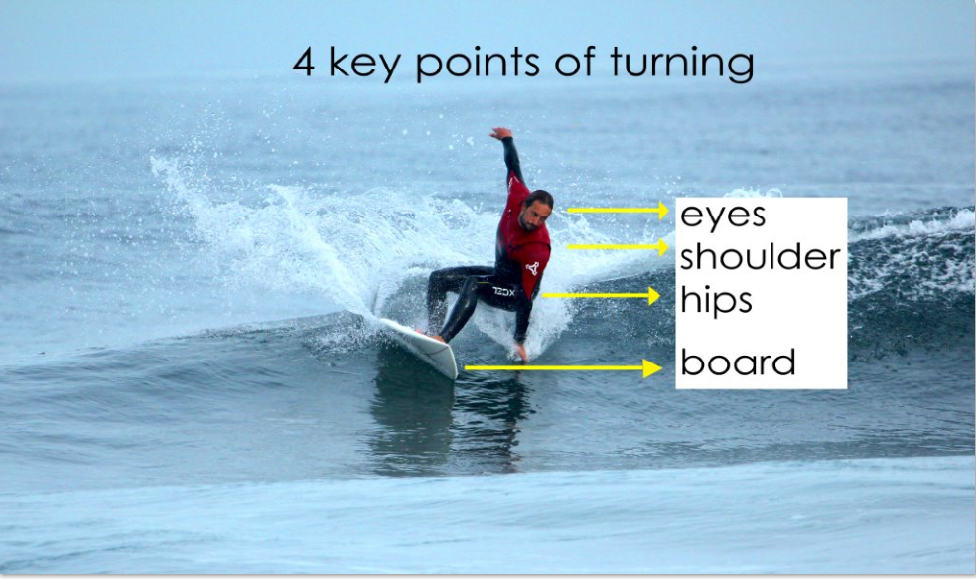
- Body rotation: Your upper body leads the turn, followed by your hips and legs.
- Foot movement: Sometimes, you move your back foot closer to the tail for better control.
- Timing: You turn at the right moment, depending on the wave’s shape.
Let’s break down each step so you know exactly what to do.
Step-by-step Guide: How To Turn A Surfboard
1. Get Your Stance Right
Start with a balanced stance:
- Feet shoulder-width apart
- Knees bent
- Weight centered over the board
- Eyes looking forward, not down
A good stance makes turning easier and prevents falls.
2. Spot Where You Want To Go
Look in the direction you want to turn. Your body tends to follow your gaze. If you look down, you’ll fall. If you look at the open face of the wave, your turn will be smoother.
3. Shift Your Weight
To turn right (for regular footed surfers), press your toes gently into the deck. To turn left, press with your heels. Don’t stomp—think about smoothly transferring weight. This tilts the board’s rail into the water, making the turn.
4. Rotate Your Upper Body
Start the turn with your shoulders and arms. Rotate your upper body towards the direction you want to go. Your hips and knees will follow. This movement guides the board through the turn.
5. Move Your Back Foot
For sharper turns, slide your back foot closer to the tail pad or the back of the board. The closer your foot is to the tail, the tighter your turn can be. On longboards, you might even step farther back (called a “pivot turn”).
6. Lean, But Not Too Much
Find the balance between leaning enough to turn and not so much that you lose balance. Start with gentle turns and build confidence.
7. Practice Linking Turns
Once you can turn in one direction, practice linking turns (right, then left, and back again) as you ride the wave. This helps you adjust to the wave’s shape and keeps your ride going longer.
Common Mistakes When Learning To Turn
Even confident surfers make these errors. Watch for them:
- Turning only with your feet: The whole body should move, not just your ankles.
- Standing too stiff: Locking your knees makes the board harder to control.
- Looking down or back: Always look where you want to go.
- Leaning too far: Over-leaning can cause you to fall inside the wave or flip the board.
- Not using the back foot: Forgetting to shift your back foot means wide, slow turns.
Try filming yourself or asking a friend to watch. Most beginners don’t realize what they’re doing until they see it.
How Board Size And Shape Change Turning
A common beginner mistake is blaming themselves when turns feel impossible. Sometimes it’s the board.
| Board Size | Turning Speed | Stability |
|---|---|---|
| 6’0” – 6’6” | Fast, tight | Low |
| 7’0” – 8’0” | Moderate | Medium |
| 8’0” – 9’6” | Slow, wide | High |
Shorter boards turn fast but are hard to balance. Longer boards are easy to stand on but slow to respond. If you’re struggling, try a mid-length board for a balance of stability and maneuverability.
How Fins Affect Turning
Fins help the board grip the water during turns. Different fin setups offer different turning experiences.
- Single fin: Smooth, drawn-out turns. Good for longboards.
- Twin fin: Loose, skate-like feel. Good for small waves.
- Thruster (three fins): Most common. Balanced, reliable turns for all levels.
- Quad fin: Fast, powerful turns. Good for advanced surfers and big waves.
Changing your fins can dramatically change your board’s feel. Beginners should stick with the standard thruster setup at first.
Practicing Turning On Land
You don’t need to be in the water to practice the basics of turning.
- Surf skateboards: These mimic the feeling of a surfboard on land. Great for practicing weight shift and body rotation.
- Balance trainers: Use a balance board to get used to shifting weight without falling.
- Shadow surfing: Stand on your board on the sand and practice your stance, looking, and turning motions.
These land drills build muscle memory so you feel more natural in the water.
Training Your Eyes: The Secret To Smooth Turns
Many beginners forget that your eyes guide your turns. Before the wave reaches you, spot where you want to go. As you start the turn, keep your eyes locked on the new direction. This simple habit makes your whole body follow more naturally and prevents last-second wobbles.
Timing: When To Start Your Turn
Timing is as important as technique. If you turn too early, you might outrun the wave. Too late, and you’ll miss the best part.
- Bottom turns: Start as soon as you drop down the wave face—before you lose speed.
- Cutbacks: Wait until you’re near the shoulder (less powerful part) of the wave, then turn back to the pocket.
- Small adjustments: Make gentle turns as soon as you need to correct your line.
With practice, you’ll feel when the wave wants you to turn.
Progressing To Advanced Turns
Once you master the basics, you can try more advanced maneuvers:
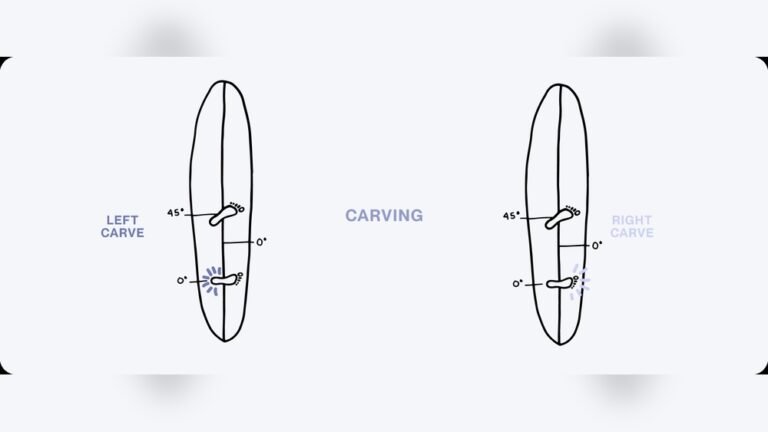
- Carving: Deeper, more powerful turns using more rail and speed.
- Off the lip: Turning at the very top of the wave, often with a spray of water.
- Floaters: Riding over the breaking part of the wave, then turning back down.
These require more speed, better timing, and sometimes different equipment. Don’t rush—enjoy getting solid on the basics.
Real-world Examples: How Pro Surfers Turn
Watch videos of surfers like Stephanie Gilmore or John John Florence. Notice how they look where they want to go, use their whole bodies, and move smoothly. Even on big, powerful waves, their technique is consistent: eyes first, body follows, weight shifts, and the board responds.
You can find slow-motion videos on the Wikipedia Surfing page or on professional surfing websites.
Two Beginner Insights Most People Miss
- Turning is mostly about the upper body. Many new surfers try to force turns with their feet, but real control starts with the shoulders and hips.
- Wave selection matters. A bad wave can make turning impossible. Practice on clean, mellow waves where you have time to move.
Recognizing these truths early helps you progress faster and avoid frustration.

Practical Tips For Faster Progress
- Film your sessions. A smartphone on the beach can reveal what you’re really doing.
- Surf with friends. Give each other tips and encouragement.
- Stay relaxed. Tension makes turning stiff and jerky.
- Celebrate small wins. Every smooth turn is progress.
Frequently Asked Questions
How Long Does It Take To Learn To Turn A Surfboard?
Most beginners can make basic turns after a few lessons (about 5–10 hours in the water). More advanced turns require weeks or months of regular practice. Progress depends on your fitness, wave conditions, and how much you surf.
Is It Easier To Turn On A Shortboard Or Longboard?
Shortboards turn more sharply but are harder to balance on. Longboards turn slowly but are more stable. For learning, a mid-length or funboard offers the best mix of stability and turning ability.
What Should I Do If I Keep Falling When Turning?
Check your stance and make sure you’re not looking down. Use your whole body to turn, not just your feet. Start with gentle turns and work up to sharper ones. Filming yourself can help identify mistakes.
Do Surfboard Fins Really Make A Difference In Turning?
Yes, fins affect how the board grips the water and how easily it turns. Beginners should use a standard thruster (three-fin) setup for the most control and predictability.
Can I Practice Turning A Surfboard Without Waves?
Absolutely. Use a surf skateboard, balance trainer, or even your board on the sand to practice body rotation and weight shift. These land drills build muscle memory that helps in the water.
Surfing is a journey, not a race. Learning to turn a surfboard opens up a world of possibilities on the wave. With patience, practice, and these practical tips, you’ll soon be carving with confidence and style. Enjoy the ride!

