
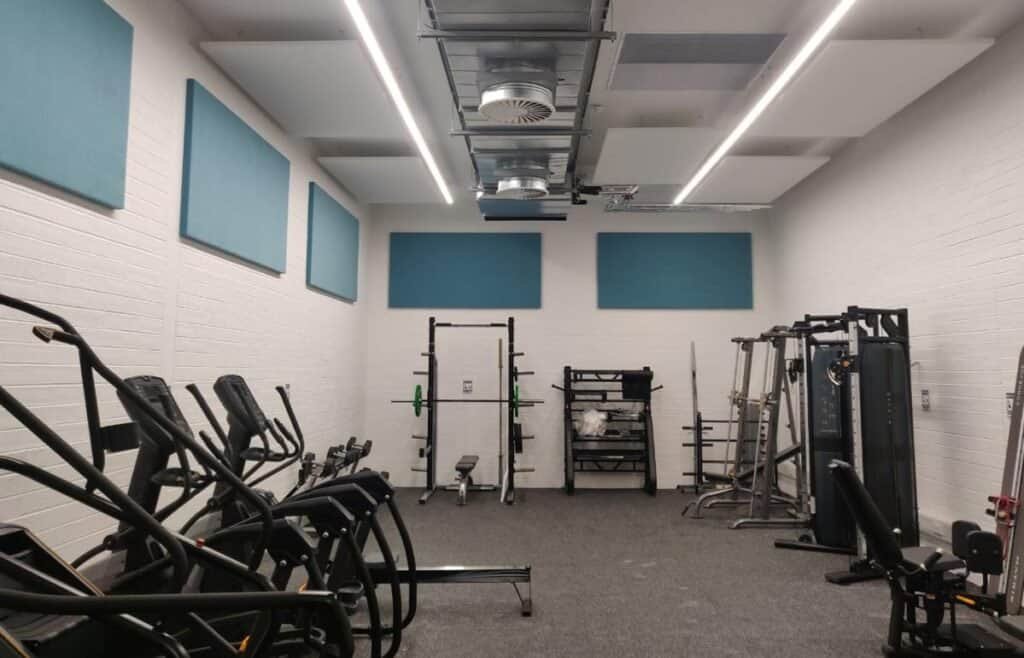
Are you tired of your home gym shaking the walls and disturbing everyone around? Soundproofing your workout space can make a huge difference—not just for your peace of mind but also for your neighbors and family.
Imagine working out without worrying about loud thuds or clanging weights echoing through your home. You’ll discover simple, effective ways to soundproof your home gym so you can focus on your fitness without the noise. Ready to create a quieter, more comfortable workout zone?
Keep reading to learn how.
Choosing The Right Location
Soundproofing a home gym starts with picking the best spot. The right location helps reduce noise for you and others.
Think about where your gym will cause the least disturbance. This makes workouts more comfortable for everyone.
Basement Vs. Upstairs Rooms
Basements are often quieter because they are underground. They block noise better from reaching neighbors or other rooms.
Upstairs rooms might let sound travel down to living spaces below. This can bother family or roommates during workouts.
- Basements reduce noise to outside and inside the house
- Upstairs rooms may need extra soundproofing
- Basements can be cooler and more private
Avoiding Shared Walls
Try to avoid setting your gym next to bedrooms or quiet areas. Shared walls can carry noise easily.
Choose a room with walls that don’t touch important rooms. This keeps workout sounds from disturbing others.
- Pick rooms with fewer shared walls
- Use rooms next to garages or storage areas
- Avoid rooms beside bedrooms or offices
Considering Floor Type
Hard floors can make noise louder. They cause sounds to bounce and travel through the house.
Carpet or rubber mats help absorb sound. They reduce noise and protect your floor from gym equipment.
- Hard floors increase noise and vibrations
- Carpet softens sound and dampens impact
- Rubber mats protect floors and reduce noise

Insulating Walls And Ceilings
Soundproofing a home gym reduces noise and protects your neighbors. Insulating walls and ceilings helps block sound from traveling.
Using the right materials makes your gym quieter. This guide covers drywall, mass loaded vinyl, and acoustic panels.
Using Soundproof Drywall
Soundproof drywall is thicker and denser than regular drywall. It helps reduce noise by absorbing sound waves.
Install soundproof drywall on walls and ceilings to block noise. It works best with other insulation materials.
- Use multiple layers for better sound blocking
- Seal gaps with acoustic caulk
- Combine with insulation for best results
Adding Mass Loaded Vinyl
Mass loaded vinyl (MLV) is a heavy, flexible material. It blocks sound by adding mass to walls and ceilings.
Attach MLV between drywall layers or over existing walls. It stops sound from passing through thin surfaces.
- Cut MLV to fit wall or ceiling size
- Use screws or nails with washers to hold it
- Seal edges with tape or caulk to prevent leaks
Installing Acoustic Panels
Acoustic panels absorb sound inside the gym. They reduce echo and improve sound quality.
Mount panels on walls and ceilings. Choose foam or fabric-covered panels for easy installation.
- Place panels near noisy equipment
- Cover large flat surfaces for best effect
- Combine with other soundproofing materials
Floor Soundproofing Solutions
Soundproofing your home gym floor helps reduce noise. It keeps sounds from disturbing others in your home.
There are several ways to soundproof floors. Using the right materials lowers noise from heavy equipment and movement.
Rubber Mats And Flooring
Rubber mats are a popular choice for home gyms. They absorb sound and reduce vibrations from weights and machines.
Rubber flooring also protects your floor from damage. It is easy to clean and lasts a long time.
- Choose thick rubber mats for better sound absorption
- Interlocking mats make installation simple
- Look for mats with a dense structure to block noise
Floating Floors For Impact Noise
Floating floors reduce impact noise by separating the gym floor from the base floor. This stops sounds from traveling through the building.
They use special underlayments made of foam or rubber. These layers cushion the floor and absorb shocks.
- Install a layer of soundproof underlayment below the floor
- Use plywood or engineered wood on top of the underlayment
- Seal gaps around the floor edges to prevent sound leaks
Carpet And Padding Options
Carpet with padding can help reduce noise in a home gym. It softens footsteps and muffles sounds from equipment.
Choose dense carpet pads made for sound absorption. Low-pile carpets work best for easy cleaning.
- Use thick carpet padding under the carpet
- Pick carpet fibers that trap sound well
- Combine with other soundproofing methods for best results
Sealing Gaps And Cracks
Sound can escape your home gym through small gaps and cracks. Sealing these openings helps keep noise inside. It also blocks outside noise from coming in.
Focus on areas around doors, windows, and floors. Use materials made to block sound and air leaks. This improves your gym’s soundproofing.
Weatherstripping Doors And Windows
Weatherstripping adds a soft barrier around doors and windows. It closes gaps that let sound pass through. This simple fix reduces noise leaks effectively.
Different types of weatherstripping include foam tape, rubber strips, and felt. Choose one that fits your door or window frame size well.
- Clean the surface before applying weatherstripping
- Measure the length needed for a perfect fit
- Press firmly to ensure a tight seal
Acoustic Caulk For Small Openings
Acoustic caulk fills tiny cracks and holes that weatherstripping cannot cover. It stays flexible and blocks sound from passing through small openings.
Apply acoustic caulk around window frames, baseboards, and electrical outlets. It seals gaps without hardening or cracking over time.
- Use a caulking gun for easy application
- Press caulk into cracks and smooth the surface
- Allow it to dry fully before using the gym
Door Sweeps And Thresholds
Door sweeps attach to the bottom of doors. They block gaps between the door and floor. Thresholds seal the floor area under the door.
These products stop sound leaks and prevent air drafts. They help keep your gym quieter and more comfortable.
- Measure door width before buying door sweeps
- Choose a sweep with soft materials like rubber or brush
- Install thresholds for extra sealing under the door
Reducing Noise From Equipment
Noise from gym machines and weights can disturb others in your home. Reducing this noise helps create a calm workout space.
Simple changes to your equipment and setup can lower the sound levels effectively.
Using Anti-vibration Pads
Anti-vibration pads sit under machines to stop shaking and noise. They absorb the sound made by heavy equipment.
These pads protect your floor and reduce noise that travels through the building.
- Place pads under treadmills and ellipticals
- Use thick rubber or foam pads for best results
- Check pads regularly for wear and replace if needed
Choosing Quieter Machines
Some gym machines make less noise than others. Picking quieter models lowers noise in your home gym.
Look for equipment designed with noise reduction features like smooth motors and belts.
- Choose machines with direct drive motors
- Select equipment with noise-reducing belt systems
- Check reviews for quiet operation before buying
Proper Equipment Maintenance
Keeping your gym equipment in good shape helps reduce noise. Loose parts and worn components make more sound.
Regular cleaning and tightening can keep machines running quietly.
- Lubricate moving parts as recommended
- Tighten bolts and screws often
- Replace worn belts or pads quickly
Soundproofing Doors And Windows
Soundproofing doors and windows is key to reducing noise from a home gym. These areas often let sound escape or enter.
Improving these parts can keep your workouts quieter and protect your neighbors’ peace.
Installing Solid Core Doors
Solid core doors block more sound than hollow ones. They are heavier and denser, so sound cannot pass through easily.
Seal gaps around the door with weatherstripping or door sweeps. This stops noise from leaking through cracks.
- Choose doors made of solid wood or solid composite materials
- Use high-quality weatherstripping around the frame
- Add a door sweep to seal the bottom gap
Double Glazed Windows
Double glazed windows have two layers of glass with space between them. This setup reduces noise much better than single panes.
The gap between the glass layers acts as a barrier that blocks sound waves from passing through.
- Replace single pane windows with double glazed ones
- Ensure frames are sealed tightly to prevent sound leaks
- Use laminated glass for extra sound reduction
Window Plugs And Curtains
Window plugs are removable inserts made from soundproof materials. They fit tightly inside window frames to block noise.
Heavy curtains also help by absorbing sound. Use thick, dense fabrics to cover windows fully.
- Make plugs from foam or mass loaded vinyl
- Custom fit plugs to your window size
- Hang heavy curtains that reach the floor
- Close curtains during workouts for best effect
Adding Soft Furnishings
Soft furnishings can reduce noise in your home gym. They absorb sound and lower echo.
Adding items like curtains, tapestries, and furniture helps make your gym quieter.
Heavy Curtains And Drapes
Heavy curtains block sound from windows and walls. They stop noise from leaving or entering.
Choose thick fabrics like velvet or wool. Cover large windows or bare walls with them.
- Use floor-to-ceiling curtains for best coverage
- Close curtains during workouts to reduce noise
- Layer curtains for extra sound blocking
Wall Hangings And Tapestries
Wall hangings and tapestries soften hard surfaces. They help absorb sound waves.
Pick large, thick tapestries made of wool or cotton. Hang them on bare walls near equipment.
- Cover empty wall space with fabric hangings
- Use multiple tapestries to reduce echo
- Combine with other soft furnishings for better effect
Furniture Placement Strategies
Furniture can block and absorb sound in your gym. Place items to break sound paths.
Use sofas, bookshelves, or padded chairs near noisy areas. Arrange furniture to cover walls.
- Put large furniture against shared walls
- Place soft furniture near loud machines
- Fill empty corners with cushioned seats or storage
Diy Vs. Professional Soundproofing
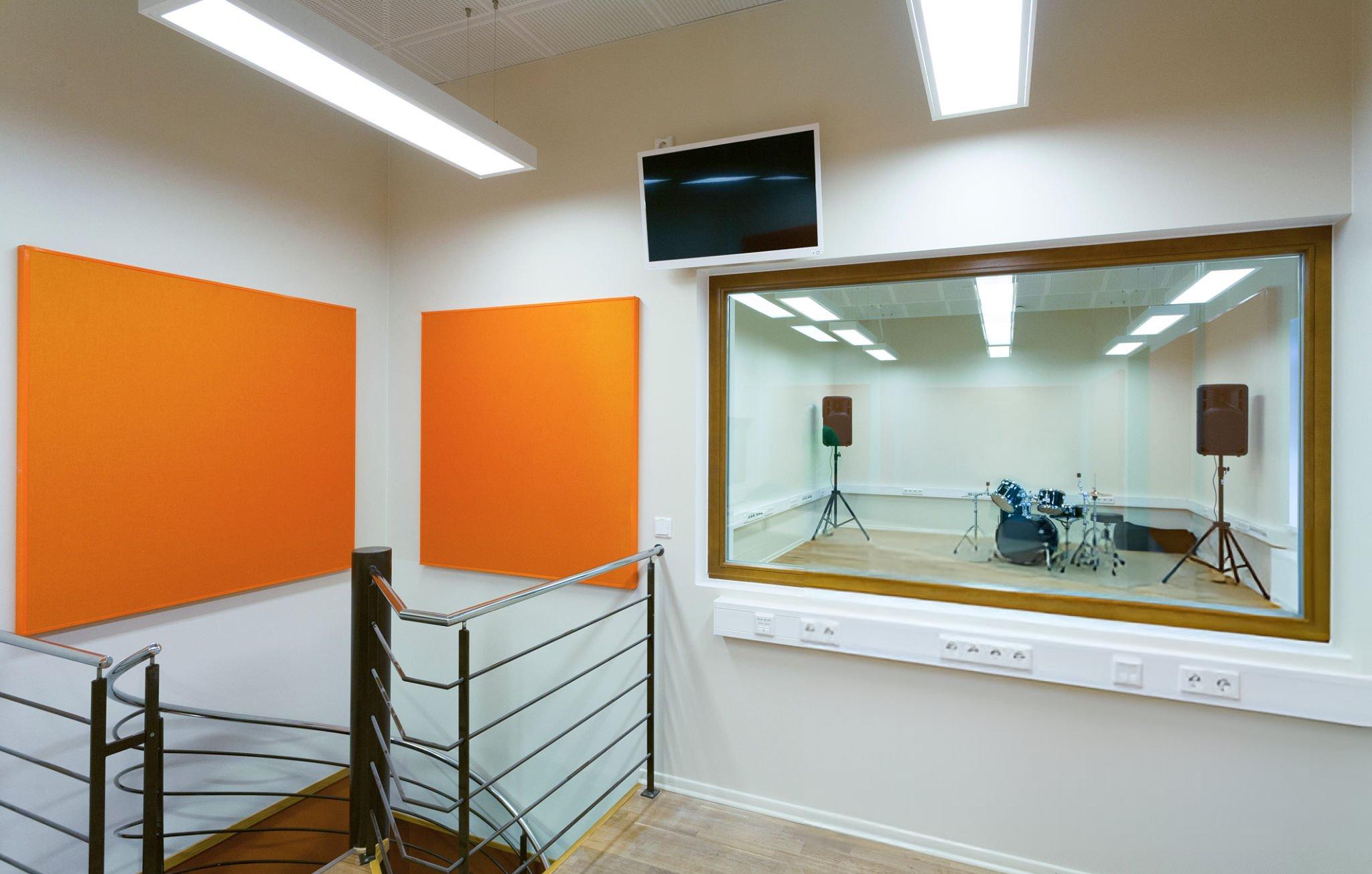
Soundproofing a home gym helps keep noise from disturbing others. You can choose to do it yourself or hire experts. Both ways have good points and challenges.
DIY soundproofing saves money but needs time and effort. Professional soundproofing costs more but offers better results and less hassle.
Cost Considerations
DIY soundproofing usually costs less. You buy materials like foam panels, rugs, or weatherstripping. You do the work yourself to save labor costs.
Professional soundproofing costs more because of materials and expert work. The price depends on room size and soundproof level needed.
- DIY: lower cost, buy materials only
- Professional: higher cost, includes labor and materials
- DIY may need to buy more materials if mistakes happen
- Professionals may offer warranties or guarantees
Effectiveness Comparison
DIY soundproofing works well for small noise problems. It reduces echoes and soft sounds but may not block heavy noise fully.
Professional soundproofing offers stronger noise blocking. Experts use special materials and build structures that stop sound better.
- DIY reduces sound but may leave gaps
- Professionals seal gaps and add layers for better results
- DIY is good for echo control and mild noise
- Professional work suits loud machines and heavy noise
When To Hire Experts
Hire experts if you have loud equipment or share walls with neighbors. Experts find noise sources and plan strong soundproofing.
Choose professionals if you want fast and neat work. They save time and avoid mistakes that can happen in DIY projects.
- Hire pros for loud noise or shared walls
- Get experts if you want guaranteed results
- DIY is fine for light noise and small rooms
- Professionals offer advice and custom solutions

Frequently Asked Questions
How Effective Is Soundproofing For A Home Gym?
Soundproofing greatly reduces noise transmission. It blocks impact sounds and muffles equipment noise. Proper materials and installation ensure a quieter workout space.
What Materials Best Soundproof A Home Gym?
Use acoustic panels, mass-loaded vinyl, and thick foam. Carpets and rubber mats also absorb sound effectively. Combining materials improves overall noise reduction.
Can Soundproofing Improve Gym Workout Quality?
Yes, soundproofing minimizes distractions and external noise. It creates a focused environment, enhancing workout concentration. A quieter space promotes better exercise performance.
How Much Does Home Gym Soundproofing Cost?
Costs vary by material and room size. Basic soundproofing starts around $200, while advanced setups exceed $1,000. Budget accordingly for effective noise control.
Conclusion
Creating a quiet home gym is possible and rewarding. Use soundproofing materials like mats and acoustic panels. Seal doors and windows to block noise. Insulate walls for better sound control. Every step reduces noise and enhances focus. A peaceful workout space improves your exercise experience.
Try these simple tips for a quieter gym environment. Invest in quality materials for lasting results. Enjoy your workouts without disturbing others. Building the perfect home gym takes effort, but it’s worth it. Your exercise space can become a sanctuary of calm and concentration.
