
Keeping your surfboard in good shape is not just about looking after an expensive piece of gear—it’s essential for your safety, performance, and overall surfing experience. Many new surfers think maintenance ends with a quick rinse after each session. But, a well-kept surfboard lasts longer, glides better, and helps you avoid costly repairs.
If you’re serious about surfing, regular care is part of the sport. Let’s explore the complete process of surfboard maintenance and the best practices to follow.
Why Proper Surfboard Maintenance Matters
A surfboard is a significant investment. Even beginner boards can be pricey, and advanced models can cost hundreds or thousands of dollars. But it’s not just about money. A clean, undamaged board helps you surf smoothly, reduces the risk of injury, and keeps you safe in the water.
Neglecting maintenance can lead to issues like waterlogging, delamination, and a weaker structure. Over time, minor damage can become major and make your board unusable. Taking the time to care for your surfboard also helps you understand its condition, so you catch problems early.
Rinsing And Cleaning Your Surfboard
Saltwater is harsh on all equipment. After every surf session, rinse your board thoroughly with fresh water. This removes salt, sand, and debris that can degrade the board’s material. Pay attention to the seams, fin boxes, and leash plug, as sand often hides in these areas.
For a deeper clean, use a gentle sponge with a small amount of mild soap. Avoid strong chemicals or rough pads, as these can scratch or damage the surface. Cleaning the board every few weeks, or after exposure to muddy or polluted water, keeps it free from grime and bacteria.
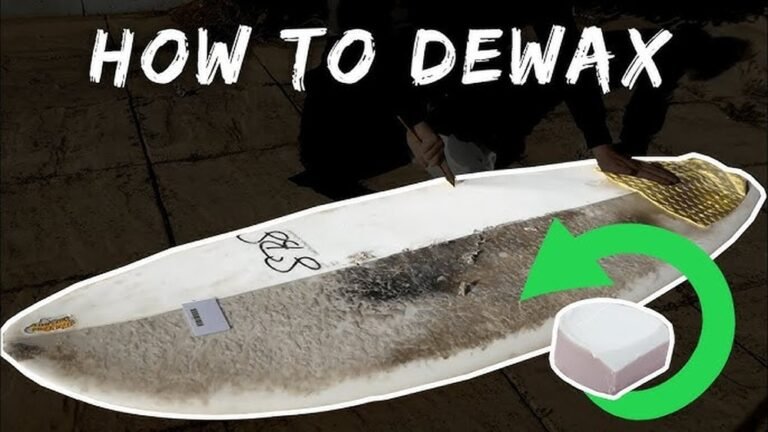
Removing Old Wax And Applying New Wax
Wax gives you grip, but old, dirty wax can become slippery and attract dirt. Every few months—or whenever the wax feels uneven—remove the old layer and apply new wax.
- Leave your board in the sun for a few minutes or use a hairdryer on low to soften the wax.
- Use a wax comb or an old credit card to scrape off the wax.
- Wipe down the surface with a clean cloth.
- Apply a fresh layer of basecoat, followed by topcoat wax suitable for the water temperature.
Changing your wax regularly not only improves traction but also lets you inspect the board for small dings or cracks hidden by wax.
Repairing Dings And Cracks
Surfboards face a lot of stress in the water—collisions, drops, and bumps are common. Even small dings can let water seep inside, leading to delamination or a heavy, waterlogged board.
- Small cracks and dings: Dry the area completely. Use a quick-drying epoxy or polyester repair kit (depending on your board type). Sand smooth after it cures.
- Large or deep damage: Do not surf until repaired. If unsure, take your board to a professional repair shop.
Never ignore even minor damage. Surfing with an open ding can turn a cheap fix into a costly problem.

Storing Your Surfboard Properly
Where and how you store your surfboard affects its lifespan. Heat, sunlight, and moisture are enemies of your board.
- Store your board in a cool, dry place away from direct sunlight.
- Use a board bag or sock to protect from dust, scratches, and UV light.
- If stacking multiple boards, place a soft cloth or foam between them to avoid pressure dings.
- Never leave your board in a hot car—the trapped heat can cause delamination (where the board’s layers start to separate).
If you have limited space, consider a wall rack or ceiling rack designed for surfboards.
Sunlight And Uv Protection
Sunlight can fade your board’s colors and weaken the outer layer, especially the fiberglass and resin. Even a few hours in strong sun can start to yellow the surface.
- After surfing, don’t leave your board on the sand in direct sunlight. Shade is best.
- Use a UV-resistant board bag if you’re storing your board outside for any time.
- For long-term storage, a dark closet or garage is ideal.
Some surfers use special UV-resistant sprays or coatings. While not essential, they can help if you surf in very sunny locations.
Choosing The Right Board Bag
A good board bag is more than a carrying case. It shields your surfboard from scratches, sun, and bumps, especially when traveling.
There are three main types:
- Board socks: Lightweight, good for short trips and dust protection.
- Day bags: Padded, offer more protection for daily transport.
- Travel bags: Thick padding, extra space for fins and gear, ideal for flights or road trips.
Here’s a quick comparison:
| Bag Type | Protection Level | Best For | Cost |
|---|---|---|---|
| Board Sock | Low | Home storage, short walks | Low |
| Day Bag | Medium | Daily car trips, bike rides | Medium |
| Travel Bag | High | Flights, long road trips | High |
Choose the bag that fits your routine. A good bag prevents many common accidents—especially in crowded cars or airports.
Taking Care Of Fins And Leash
Fins and leashes are often forgotten, but both are vital for performance and safety.
- Fins: After each session, check for cracks, chips, or loose screws. Rinse with fresh water. If your board uses removable fins, take them out occasionally and clean the boxes.
- Leash: Rinse with fresh water to remove salt and sand. Check for nicks or stretched spots. Replace if you see any serious wear.
Damaged fins affect how your board turns. A weak leash can snap at the worst time—so regular checks are a smart habit.

Transporting Your Surfboard Safely
Even short trips can damage a surfboard if not transported correctly. The most common risks are dings from car racks, straps, or other gear.
- Always use padded straps on car racks.
- Place the board deck down, fins forward on the roof.
- Tighten straps, but not so much that they dent the board.
- Use a board bag for extra protection.
If you’re carrying your board on a bike or walking, hold it under your arm with the nose facing forward. This avoids accidental bumps and gives you better control in wind.
Avoiding Common Mistakes
Many beginners make small errors that shorten their surfboard’s lifespan. Here are some to avoid:
- Leaving the board in the sun or hot car: Causes delamination and weakens the structure.
- Ignoring small dings: Water gets in and causes hidden damage.
- Using the wrong repair kit: Polyurethane and epoxy boards need different resins—using the wrong one can ruin your board.
- Transporting without a bag: Even a short trip can lead to scratches or cracks.
- Stacking boards without padding: Pressure dings are common when boards touch hard surfaces.
By paying attention to these details, you save money and keep your board performing well.

Seasonal Maintenance And Long-term Storage
If you only surf part of the year, your board needs special care during the off-season.
- Clean and dry your board completely.
- Remove the fins and leash.
- Store in a padded bag in a cool, dry space.
- Check for dings or cracks and repair before storage.
- Elevate the board off the floor to avoid moisture buildup.
Long-term neglect can lead to mold, yellowing, and even warping. A little effort before storage keeps your surfboard ready for the next season.
When To Replace Your Surfboard
Even with perfect care, every surfboard has a lifespan. Signs it’s time for a new one include:
- The board feels heavy (sign of water inside)
- Major cracks, soft spots, or delamination
- Board no longer floats well
- Repairs are more frequent than surf sessions
Pro surfers usually replace boards every few months, but for most people, a well-maintained board lasts several years. If you’re unsure, ask a local surf shop for advice.
Environmental Care: Keeping Oceans Clean
Taking care of your surfboard also means thinking about the ocean. When cleaning or repairing your board, use biodegradable products when possible and avoid rinsing chemicals into drains. Many waxes are now eco-friendly. Disposing of old boards responsibly—by recycling or donating—helps reduce waste.
Real-world Example: A Surfer’s Routine
Let’s look at a typical week for a dedicated surfer:
- After every session: Rinse with fresh water, quick wax check, inspect for dings.
- Every month: Remove old wax, deep clean, and do a full damage inspection.
- Every season: Full repair check, replace leash if worn, deep clean fins and boxes.
- Before and after travel: Inspect for new damage, use a padded bag, and double-check all equipment.
Surfers who follow a routine like this rarely face major problems and enjoy more time in the water.
Comparing Surfboard Materials And Their Care
Different surfboard materials need different levels of care. Here’s a comparison:
| Material | Durability | Maintenance Needs | Common Issues |
|---|---|---|---|
| Polyurethane | Medium | Medium | Dings, yellowing |
| Epoxy | High | Low | UV damage, cracks |
| Soft-top | Low | High | Peeling, dents |
Epoxy boards are more resistant to dings and water damage, but both types need regular checks. Soft-top boards are great for beginners but need extra care to prevent the surface from peeling.
Essential Tools And Products For Surfboard Maintenance
Every surfer should have a small kit for board care. Here’s what to include:
- Wax comb
- Mild soap and sponge
- Epoxy or polyester repair kit (check your board type)
- Sandpaper (fine grit)
- Board bag or sock
- Fin key and spare screws
- Leash string
- UV protective spray (optional)
Having these on hand means you’re ready for regular upkeep or quick repairs.
Benefits Of Good Surfboard Maintenance
When you take care of your board, you enjoy:
- Longer board life: Fewer repairs, less money spent.
- Better performance: Smooth glide, more control, and safer turns.
- Consistent grip: Fresh wax means fewer slips.
- Faster recovery from damage: Quick fixes keep you in the water.
Most importantly, you spend less time worrying about your equipment and more time enjoying the waves.
For in-depth technical details about surfboard construction and care, you can check the Wikipedia Surfboard page.
Surfing is about freedom and fun. Maintaining your surfboard is part of the journey, not a chore. With a bit of regular care, you’ll always be ready to catch the next great wave.
Frequently Asked Questions
How Often Should I Clean My Surfboard?
Rinse your surfboard with fresh water after every surf session. Deep cleaning and wax removal are recommended once a month or whenever the wax becomes dirty or uneven.
What’s The Best Way To Repair A Small Ding?
Dry the area completely, then use an epoxy or polyester repair kit (matching your board type). Apply the resin, let it cure, and sand it smooth. For large or deep damage, seek professional help.
Can I Leave My Surfboard In The Car?
No. Heat inside a car can cause delamination and weaken the board. Always store your surfboard in a cool, shaded area when not in use.
Do I Need A Different Wax For Different Water Temperatures?
Yes. Surfboard wax comes in different formulas for cold, cool, warm, and tropical water. Using the right wax ensures the best grip for your feet.
How Do I Know When It’s Time To Replace My Surfboard?
Replace your surfboard if it feels heavy, has major cracks, soft spots, or visible delamination. If repairs are frequent or the board no longer floats properly, it’s time for a new one.
