
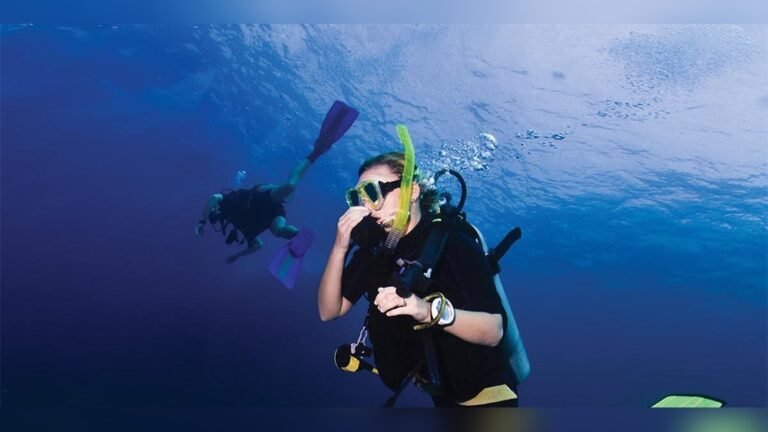
Scuba diving opens a window to a vibrant underwater world, but it also introduces unique physical challenges. One of the first things divers learn is how to equalize pressure as they descend. Underwater, the pressure around your body increases quickly, and if you don’t equalize, you’ll feel discomfort or even pain—especially in your ears and sinuses. Understanding how scuba divers equalize pressure is not just essential for safety, but also for enjoying the dive to its fullest. Let’s explore why pressure changes matter, how equalization works, and the techniques divers use to stay comfortable and safe.
Why Pressure Changes Matter Underwater
Water is much denser than air. When you dive, pressure increases by one atmosphere (about 14.7 psi or 1 bar) for every 10 meters (33 feet) of depth. This means that at just 10 meters deep, the pressure on your body is double what it is at the surface.
Your body’s air spaces—like your middle ear, sinuses, and mask—are most affected by these pressure changes. If the pressure in these spaces doesn’t match the water pressure outside, you’ll feel a squeeze. The most common place people feel this is in the ears, but it can also happen in the sinuses and behind the mask.
Here’s a simple data comparison that shows how quickly pressure builds as you go deeper:
| Depth (meters) | Pressure (atmospheres) | Relative to Surface |
|---|---|---|
| 0 | 1 | Surface Pressure |
| 10 | 2 | Double |
| 20 | 3 | Triple |
| 30 | 4 | Quadruple |
Even at shallow depths, the pressure increases are significant. That’s why equalizing starts right at the surface and continues throughout the descent.
What Is Equalization?
Equalization is the process of matching the pressure in your body’s air spaces with the outside water pressure. The main goal is to avoid pain and prevent injuries like barotrauma (damage from pressure differences). Most of the time, equalization focuses on the middle ear.
When you descend, water pressure pushes inward on your eardrum. If the pressure inside your ear doesn’t match, you feel discomfort. By equalizing, you open a small tube (the Eustachian tube) to let air in and balance the pressure.
The same principle applies to your sinuses and the space inside your mask. If you don’t equalize these, you can experience pain or even injury.
How The Human Ear Handles Pressure
Your ear is designed to handle small pressure changes, but underwater, changes happen much faster than on land. The Eustachian tube connects your middle ear to your throat. Normally, it stays closed, but you can open it with certain actions to let air pass through.
When the Eustachian tube opens, air flows into the middle ear, equalizing the pressure. If it stays closed, the outside pressure pushes the eardrum inward, causing discomfort or pain. If the pressure difference is too great, the eardrum can rupture—a serious injury.
Here’s how pressure affects the ear:
| Ear Condition | Pressure Effect | Symptoms |
|---|---|---|
| Equalized | Balanced | Comfortable |
| Not Equalized | Pressure on Eardrum | Pain, Squeeze |
| Too Much Difference | Eardrum Damage | Sharp Pain, Hearing Loss |
Common Equalization Techniques
Scuba divers use several techniques to equalize pressure. Each technique has its own method, and some work better for certain people. The most common are:
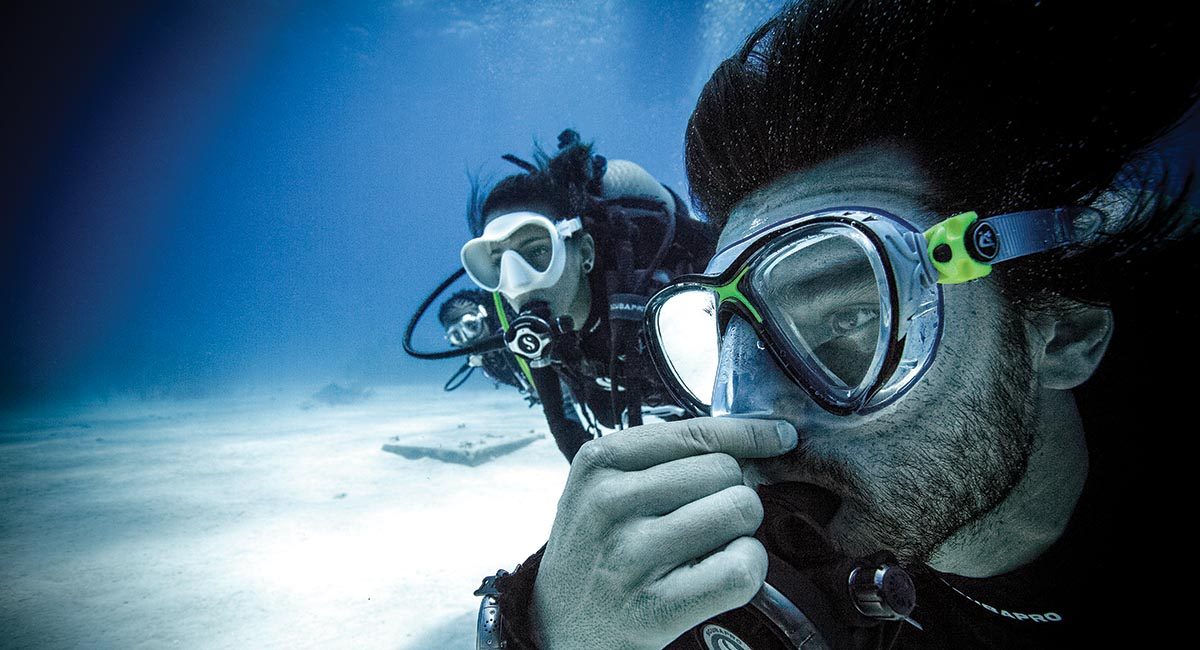
1. The Valsalva Maneuver
This is the classic method taught in most dive courses. To perform the Valsalva maneuver:
- Pinch your nose closed.
- Close your mouth.
- Gently blow as if you are blowing your nose.
The pressure from blowing pushes air up the Eustachian tubes, helping to open them and equalize your ears. It’s important to blow gently—too much force can damage your ears.
2. The Toynbee Maneuver
This method combines swallowing and pinching your nose:
- Pinch your nose closed.
- Swallow.
Swallowing pulls the Eustachian tubes open, and with your nose pinched, air is drawn into the middle ear. Some divers find this easier than the Valsalva maneuver, especially if they have trouble “blowing” air.
3. Frenzel Maneuver
The Frenzel maneuver is popular with free divers and advanced scuba divers. To do this:
- Pinch your nose closed.
- Close the back of your throat (like making a “k” sound).
- Use your tongue to push air against the back of your throat.
This technique requires practice but uses less effort and is safer for the ears.
4. Swallowing And Jaw Movement
Simply swallowing, wiggling your jaw side to side, or making a chewing motion can also open the Eustachian tubes. Some divers do this naturally and never need to pinch their nose.
5. Head Tilting
Tilting your head side to side while equalizing can help open stubborn Eustachian tubes. This is helpful if one ear is more difficult to equalize than the other.
6. Advance Equalization (before Descent)
Experienced divers often equalize before they even begin to descend. By clearing the ears on the surface, you’re less likely to experience a sudden squeeze.
Equalizing The Mask
Your mask creates an air space in front of your face. As you go deeper, the outside pressure pushes the mask against your face, causing “mask squeeze.” To equalize, simply breathe out gently through your nose into the mask. This adds air, balancing the pressure and preventing discomfort or bruising around the eyes.
Equalizing The Sinuses
Sinus equalization can be more difficult if you have a cold or allergies. The sinuses connect to your nose with small openings, which can become blocked. If air cannot move in and out, you’ll feel a sharp pain or pressure in your forehead or cheeks. The best way to avoid problems is to never dive with a cold or blocked sinuses. Equalization methods like swallowing and gentle Valsalva can help, but if your sinuses are blocked, it’s safest to skip the dive.

What Happens If You Don’t Equalize?
If you fail to equalize, you can experience:
- Ear barotrauma: Pain, ringing, or even a ruptured eardrum.
- Sinus barotrauma: Pain, bleeding, or discomfort in the face.
- Mask squeeze: Bruising or bloodshot eyes from pressure differences.
These injuries can be serious and may require medical treatment. In rare cases, permanent hearing loss or sinus damage can occur.
Equalization Tips For Beginners
Many new divers worry about equalizing, but with practice, it becomes second nature. Here are some expert tips:
- Start early: Begin equalizing before you feel discomfort. Clear your ears before you even leave the surface.
- Equalize often: Don’t wait for pain. Equalize every meter or two as you descend.
- Go slow: Descend slowly so your body has time to adjust.
- Stay relaxed: Tension can make equalization harder. Take deep, calm breaths.
- Try different techniques: If one method doesn’t work, experiment with others.
- Don’t force it: If you can’t equalize, stop your descent. Ascend a little and try again.
- Clear congestion: Don’t dive with a cold or stuffy nose.
One non-obvious insight: Hydration matters. Dry tissues can make equalization harder, so drink plenty of water before diving.
Another tip is to practice equalization techniques on land. Get used to the feeling of opening your Eustachian tubes so it’s easier underwater.
Why Equalization Gets Harder For Some Divers
Not everyone’s ears and sinuses are the same. Some people have narrow Eustachian tubes or are more prone to congestion. Allergies, recent colds, or even sleeping position can affect your ability to equalize. If you frequently have trouble, see a diving doctor for advice.
Equalizing During Ascent
Most divers focus on equalizing as they descend, but it’s also important during ascent. As you come up, the air in your ears and sinuses expands. Usually, the excess air escapes naturally. However, if your Eustachian tubes are blocked, you might feel pressure or a “reverse block.
” Swallowing or gently wiggling your jaw can help.
A comparison of descent vs. ascent equalization:
| Descent | Ascent |
|---|---|
| Pressure increases outside, air must enter ears | Pressure decreases outside, air escapes from ears |
| Requires active equalization (blowing, swallowing) | Usually happens passively (sometimes needs help) |
| Failure causes squeeze, pain, injury | Failure causes reverse block, discomfort |
Equalization And Diving Equipment
Certain equipment choices can affect how easily you equalize:
- Low-volume masks: These require less air to equalize, making them popular with divers who have difficulty.
- Vented earplugs: Some divers use special earplugs that allow air to move but block water. Regular earplugs are dangerous—never use them for diving.
- Hoods: Dive hoods can press against the ears and make equalization harder. Adjust your hood to avoid tight spots.
Common Mistakes When Equalizing
- Waiting for pain: Always equalize before you feel discomfort.
- Using too much force: Gentle pressure is best; never blow too hard.
- Ignoring one-sided problems: If only one ear clears, tilt your head or ascend slightly.
- Diving with congestion: Blocked airways make equalization almost impossible.
- Rushing the descent: Going too fast increases risk of injury.
When To Abort A Dive
If you cannot equalize despite multiple attempts, the best decision is to abort the dive. Permanent injury is not worth the risk. Ascend slowly, signal your buddy, and rest at the surface.
The Science Behind Equalization
The air pressure inside your body must always match the surrounding water pressure. As you descend, each additional 10 meters adds another atmosphere of pressure. The Eustachian tubes, sinuses, and mask need extra air to prevent a vacuum. If you don’t add this air, soft tissues can be sucked into spaces they shouldn’t be, causing pain and injury.
One thing beginners often miss: Equalization is easier before you feel pressure. Once your Eustachian tubes are squeezed shut by pressure, it’s much harder to open them. That’s why frequent, early equalization is key.
Training And Practice
Most scuba diving courses include equalization techniques in the very first lessons. Instructors will help you practice in shallow water and correct your technique. If you have persistent problems, ask for extra help or consult a dive medicine specialist.
For more on the science and safety of diving, the Divers Alert Network (DAN) is a trusted resource: Divers Alert Network.
Frequently Asked Questions
How Often Should I Equalize While Descending?
You should equalize every meter or two (3–6 feet) as you descend. If you wait until you feel discomfort, it may be too late to equalize easily.
Can I Dive With A Stuffy Nose Or Cold?
No, you should never dive with congestion. Blocked sinuses and Eustachian tubes make equalization difficult or impossible, increasing the risk of injury.
What If Only One Ear Clears?
If only one ear equalizes, try tilting your head so the blocked ear is higher. Ascend a little, wiggle your jaw, and try again. Never force it.
Is It Normal To Hear A Popping Sound?
Yes, a gentle popping or clicking sound is normal when equalizing. It means your Eustachian tubes are opening and closing to balance pressure.
What Should I Do If I Can’t Equalize?
Stop your descent and try again. If you still can’t equalize, ascend slowly and abort the dive. Continuing without equalizing can cause serious injury.
Scuba diving is a remarkable adventure, but understanding and practicing proper equalization is essential for safety and comfort. With the right techniques, preparation, and awareness, you can explore the underwater world without pain or worry.

