
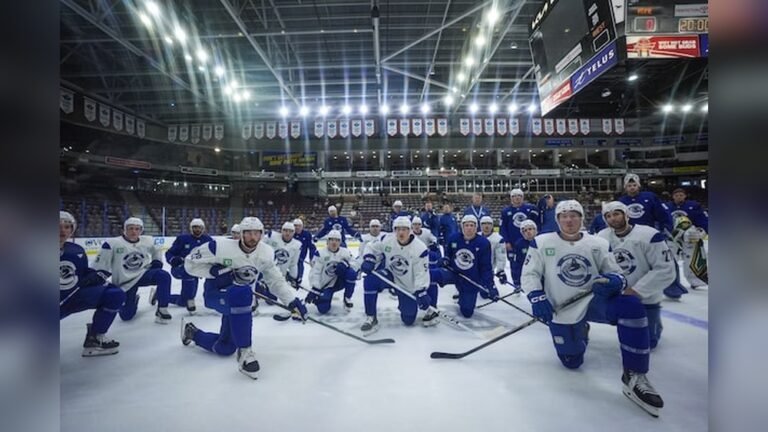
Every ice hockey season brings new challenges for teams and coaches. Staying sharp, improving skills, and preventing injury require smart, continuous training. But how do ice hockey teams actually train during the season? It’s not just about skating laps or shooting pucks.
The best teams use a mix of on-ice practice, off-ice workouts, video analysis, and mental preparation. Even the travel schedule and nutrition matter. Let’s explore exactly how ice hockey teams train during the season, and what makes their preparation unique.
On-ice Training Sessions
Regular on-ice practice is the core of every hockey team’s training. These sessions focus on both individual skills and team tactics.
Players work on:
- Skating drills: Improving speed, agility, and balance.
- Puck handling: Passing, receiving, and maintaining control under pressure.
- Shooting: Different types of shots, accuracy, and release speed.
- Team systems: Practicing power plays, penalty kills, breakouts, and defensive strategies.
Most teams practice on the ice four to six times a week during the season. Practices usually last 60 to 90 minutes. Coaches adjust the intensity based on the game schedule to avoid overtraining.
Example: Nhl Team Practice Week
| Day | Morning | Afternoon |
|---|---|---|
| Monday | On-ice skills | Video review |
| Tuesday | Team tactics | Strength training |
| Wednesday | Game day skate | Game |
| Thursday | Recovery skate | Rest |
Off-ice Conditioning
Strength and conditioning are critical, even in the middle of the season. Off-ice workouts help players stay strong, fast, and less prone to injury.
Common training elements include:
- Weightlifting: Focused on lower body, core, and explosive power.
- Cardio: Interval sprints, cycling, or running to boost endurance.
- Plyometrics: Jumping and agility drills for quick feet.
- Flexibility: Yoga or stretching to maintain mobility.
Teams often reduce the volume of off-ice training during the season but keep the intensity high. This helps maintain fitness without causing fatigue.
Strength Training Sample Plan
| Exercise | Sets | Reps |
|---|---|---|
| Squats | 3 | 6-8 |
| Deadlifts | 3 | 6-8 |
| Bench Press | 3 | 8-10 |
| Core Circuit | 3 | 15-20 |
Video Analysis
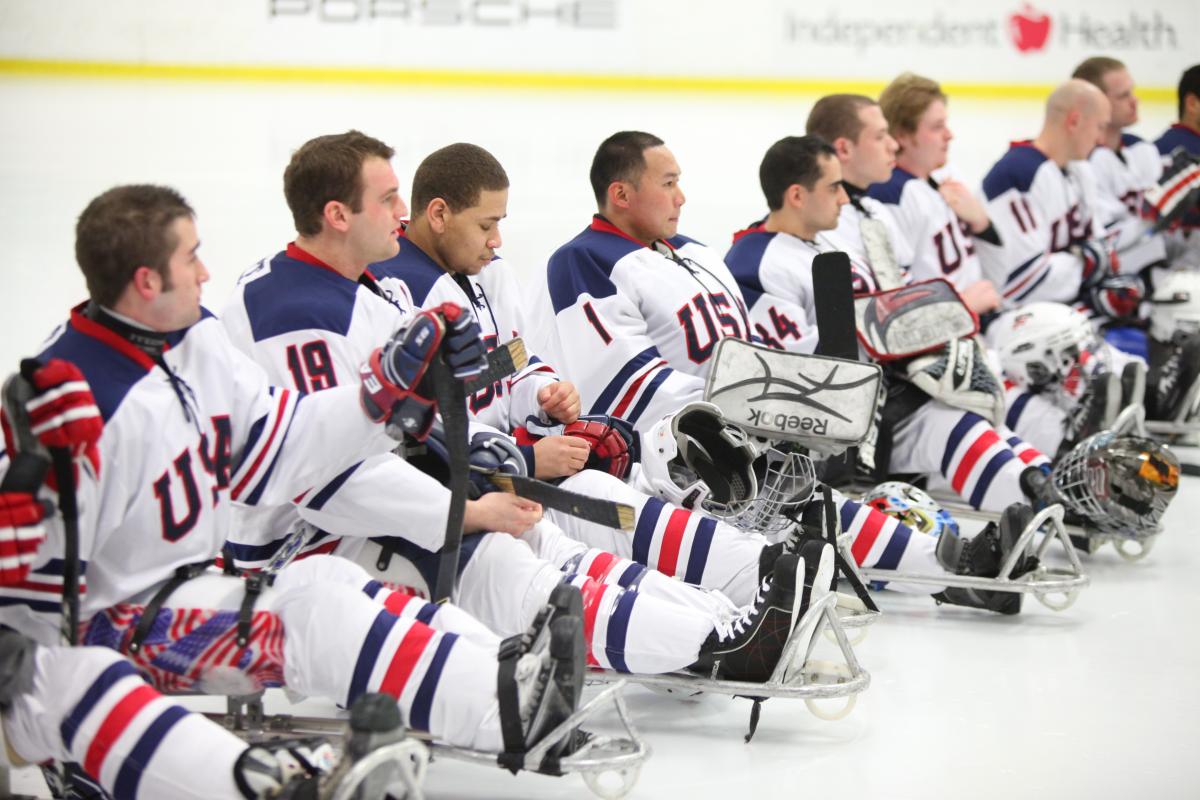
Modern hockey teams rely heavily on video analysis. Coaches use game footage to break down plays, highlight mistakes, and teach strategies.
Players might:
- Review clips of their own shifts.
- Study opponents’ tendencies and systems.
- Analyze special teams (power play/penalty kill).
Most teams have dedicated video coaches. Meetings are kept short (usually under 30 minutes) so players stay focused.
Non-obvious insight: Skilled players often watch video alone to study their own habits and look for small improvements, something beginners usually overlook.
Recovery And Injury Prevention
In a physical sport like hockey, recovery is just as important as training. Teams build recovery sessions into their weekly routine to keep athletes healthy and ready for the next game.
Common recovery methods include:
- Stretching and foam rolling
- Cold tubs or ice baths to reduce inflammation
- Massage therapy
- Active recovery skates (light, low-intensity skating)
Players are monitored for signs of fatigue or injury. Teams use sports science tools, like heart rate monitors, to track workload and adjust training.
Pro tip: Many teams use sleep tracking to ensure players get enough rest, an area that’s often forgotten by less experienced teams.

Nutrition And Hydration
Proper nutrition fuels performance and speeds recovery. Teams employ nutritionists to create meal plans and educate players.
Key focus areas:
- Carbohydrates for energy before games
- Protein for muscle repair after training
- Hydration strategies to prevent cramps and fatigue
Players are often weighed before and after games to check fluid loss and guide rehydration.
Mental Preparation
Winning teams know that mental strength is vital. Hockey is fast and stressful, so players train their minds as well as their bodies.
Mental preparation includes:
- Visualization: Picturing successful plays and outcomes
- Focus routines: Breathing or mindfulness techniques before games
- Team meetings to build trust and communication
Some teams work with sports psychologists to help players handle pressure and bounce back from mistakes.
Travel And Schedule Management
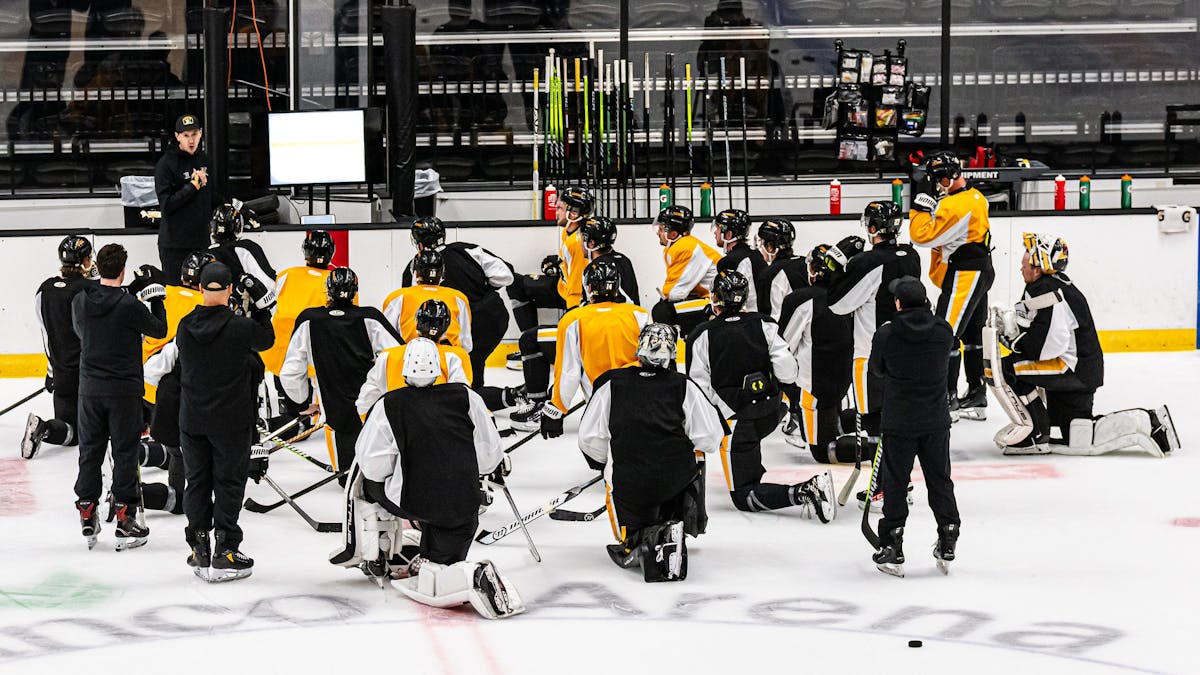
The hockey season is long, and teams spend many days on the road. Managing travel is a key part of staying sharp.
Teams:
- Plan travel to minimize jet lag
- Set curfews to ensure rest before games
- Bring trainers and equipment for recovery on the road
Non-obvious insight: Some teams schedule lighter practices after travel days, knowing that time zone changes can affect reaction speed and focus.
Balancing Practice And Rest
Finding the right balance between hard training and rest is a challenge. Overtraining can lead to injury and poor performance. Coaches use data from practices, games, and athlete feedback to adjust the schedule.
Typical adjustments:
- Lighter practices after tough games
- Optional skates for veterans who need extra rest
- More intense sessions during long breaks between games
Youth And Amateur Teams
While pro teams have big budgets and full staff, youth and amateur teams adapt these methods on a smaller scale. They focus on:
- Shorter, more frequent practices
- Simple video feedback (sometimes using smartphones)
- Emphasizing fun and teamwork
Many principles are the same, but adapted for age and resources.
Frequently Asked Questions
How Many Times Do Ice Hockey Teams Practice Each Week?
Most teams practice four to six times per week during the season. The schedule depends on the league, travel, and number of games. NHL teams often have morning skates on game days and full practices on off days.
What Is A Typical In-season Workout For A Hockey Player?
A typical in-season workout includes a short strength training session (about 30-45 minutes), focusing on lower body and core, followed by stretching and possibly some light cardio. The goal is to maintain strength without causing fatigue.
Why Is Video Analysis Important For Hockey Teams?
Video analysis helps players and coaches see details they miss in real time. It’s valuable for correcting mistakes, preparing for opponents, and improving special teams play. Many teams use advanced software to break down every aspect of the game.
How Do Teams Prevent Injuries During The Season?
Teams focus on recovery, proper warm-up, mobility work, and monitoring player workload. Trainers and medical staff watch for signs of overuse or fatigue, and players are encouraged to report any pain early.
Do Ice Hockey Teams Have Special Diets During The Season?
Yes, most teams have nutritionists who design meal plans. Players eat high-protein and high-carb meals, with a focus on hydration and recovery foods. Some players have personalized plans based on their position and metabolism.
For more details about ice hockey training and its science, you can visit the Wikipedia Ice Hockey page.
Training during the season is a careful balance of practice, recovery, and preparation. The best teams use every tool available—from smart scheduling to nutrition and video—to stay ahead of the competition. If you play hockey or coach a team, try to apply some of these proven methods to get the best from every player.
