Ice hockey is a fast and thrilling sport. When you watch a game, you see players move the puck quickly and smoothly across the ice. Passing is one of the most important skills in hockey. It helps teams attack, defend, and score goals.
But how do ice hockey players pass the puck so well, even at top speed? Let’s break down the techniques, strategies, and secrets behind passing in ice hockey.
The Basics Of Passing In Ice Hockey
Passing means sending the puck from one player to another. It looks simple, but it requires skill, timing, and practice. There are two main types of passes: the forehand pass and the backhand pass.
A forehand pass is the most common. The player uses the front side of the stick blade to push or sweep the puck to a teammate. It’s accurate and powerful.
A backhand pass uses the back of the stick blade. It is harder to control but useful when a player is under pressure or facing the boards.
Most passes stay on the ice. This is called a saucer pass if the puck lifts slightly over a defender’s stick. Good passes help a team keep control and create scoring chances.
Key Passing Techniques
To make great passes, players use different techniques based on the situation. Here are the main methods:
1. Push Pass
The push pass is simple but effective. The player pushes the puck using a short movement, keeping the stick blade flat. This pass is great for short distances, especially when players are close together.
2. Sweep Pass
The sweep pass uses a longer motion. The player sweeps the puck across the ice, from back to front. This helps control the puck and adds speed. It’s used for longer passes or when the puck needs to move quickly.
3. Saucer Pass
A saucer pass lifts the puck off the ice slightly, making it “hop” over sticks or obstacles. This pass is useful when defenders try to block the passing lane. Players create this effect by quickly snapping the wrists at the end of the pass.
4. Drop Pass
In a drop pass, the puck carrier leaves the puck behind for a teammate skating behind. This move can surprise defenders and create open space. Timing is very important for a drop pass to work.
5. Bank Pass
Players sometimes use the boards to pass. They shoot the puck off the side boards so it bounces to a teammate. This is called a bank pass. It helps when passing directly is risky or impossible.
How Players Make Accurate Passes
Passing is not just about moving the puck. Players must be accurate. Here’s how they do it:
- Head Up: Players always look up to see where teammates and opponents are.
- Body Position: Good balance and footwork allow precise passes.
- Stick Angle: The angle of the stick blade controls the puck’s direction and speed.
- Communication: Players often call out or use signals to tell teammates they are ready.
Small mistakes, like looking down or rushing, can lead to turnovers and missed chances.
Passing Under Pressure
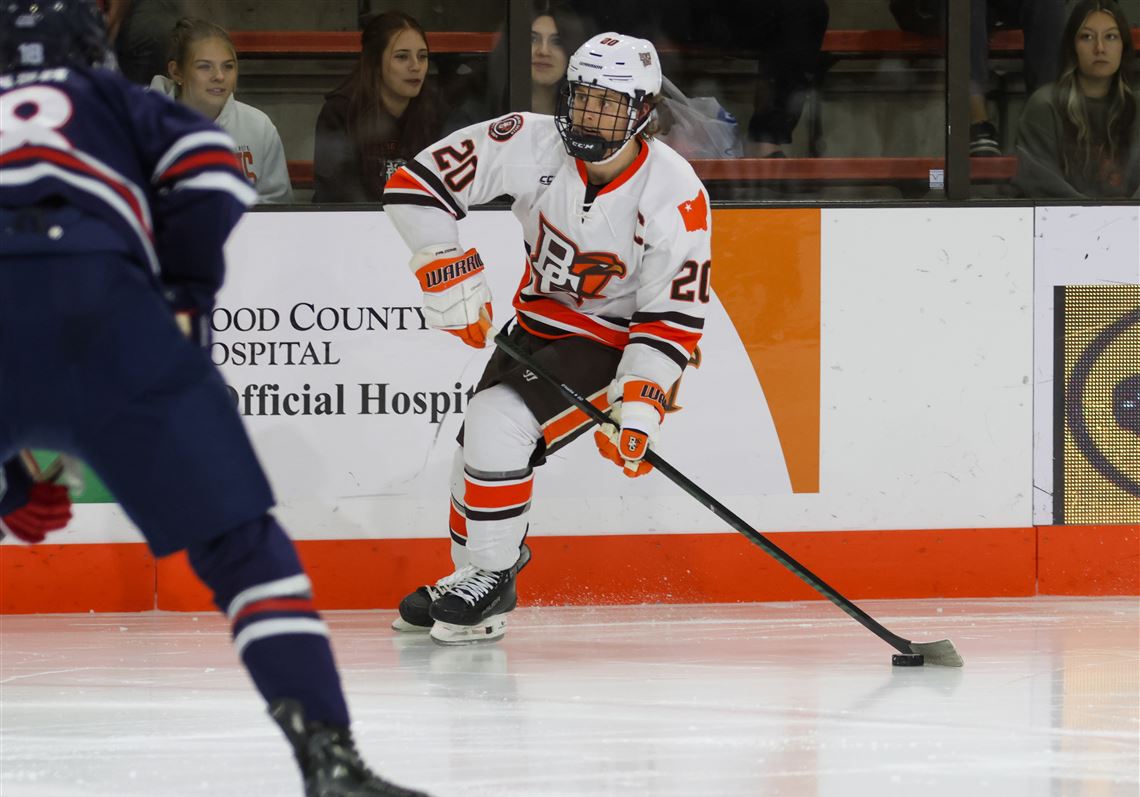
Hockey is fast, and opponents are always trying to steal the puck. Players must pass quickly, even with defenders close by.
They use their bodies to shield the puck and make quick decisions. Sometimes, players fake a pass to confuse opponents, then pass in another direction.
Quick hands and strong wrists help players move the puck fast and avoid turnovers. Practicing under pressure is a key part of training.
Team Passing Strategies
Passing is not just about skill—it’s also about teamwork. Good teams use passing to control the game and create scoring chances.
Breakouts
In their own zone, teams use passing to move the puck out safely. Defensemen pass to wingers along the boards, who then pass to centers moving up the ice.
Give-and-go
The give-and-go is a classic play. One player passes the puck, then skates to an open spot and gets the puck back. This quick movement can break down defenses.
Power Play Passing
During a power play (when the other team has fewer players), passing becomes even more important. Teams move the puck quickly to find open lanes and shoot on goal.
Common Passing Mistakes
Even pros make mistakes. Here are common errors players should avoid:
- Passing blindly: Throwing the puck without looking leads to turnovers.
- Over-passing: Too many passes can waste time and lose good scoring chances.
- Weak passes: Soft passes are easy to intercept.
- No communication: If teammates don’t expect the puck, they may miss it.
Players learn from these mistakes and practice to improve.

Comparing Passing Methods
Different passing methods work best in different situations. Here’s a comparison:
| Passing Method | Best Use | Difficulty |
|---|---|---|
| Push Pass | Short distances | Easy |
| Sweep Pass | Medium distances | Medium |
| Saucer Pass | Over sticks/obstacles | Hard |
| Drop Pass | Surprise plays | Medium |
| Bank Pass | Using boards | Medium |
Passing Success: Data And Insights
Passing skill separates good teams from great ones. In the NHL, teams with higher pass completion rates (usually above 75%) control the puck more and score more goals.
| Team | Pass Completion (%) | Average Goals/Game |
|---|---|---|
| Top Team A | 78 | 3.2 |
| Mid Team B | 72 | 2.7 |
| Lower Team C | 68 | 2.2 |
This data shows that better passing often means more scoring.
How Players Improve Their Passing
Practice is the key. Players use special drills to get better:
- Passing with movement: Not standing still, but skating and passing at the same time.
- One-touch passing: Passing the puck as soon as it arrives, without stopping it.
- Obstacle courses: Passing around cones or sticks to practice accuracy under pressure.
Another non-obvious tip: players practice passing with both the forehand and backhand sides. This makes them more flexible and dangerous on the ice.
Coaches often use video analysis to help players see mistakes and improve.
The Mental Side Of Passing
Passing is not just physical. Players must read the game, predict where teammates will be, and make fast choices. This “hockey IQ” is often what makes the best players stand out.
A second insight many beginners miss: top players change the speed and angle of passes to keep defenders guessing. Small changes can make a big difference.

Frequently Asked Questions
How Do Players Pass The Puck So Accurately?
They practice daily, focus on body position, and always keep their head up to see teammates. Good communication also helps accuracy.
What Is A Saucer Pass In Ice Hockey?
A saucer pass lifts the puck slightly off the ice, helping it travel over sticks or obstacles. It’s made by snapping the wrists at the end of the pass.
Why Do Players Use The Boards To Pass?
A bank pass off the boards lets players avoid defenders and reach teammates in tough spots. It’s a smart way to use the rink’s shape.
How Do Teams Practice Passing?
Teams use drills with movement, one-touch passing, and obstacles. They also review video to find mistakes and improve.
Where Can I Learn More About Ice Hockey Rules?
You can find detailed information at the official Wikipedia page on ice hockey rules.
Passing in ice hockey is an art and a science. It blends skill, speed, and smart thinking. The next time you watch a game, notice how players pass the puck—each move is a result of hours of practice, teamwork, and sharp decision-making.
With the right techniques and training, anyone can improve their passing and enjoy the game even more.
