
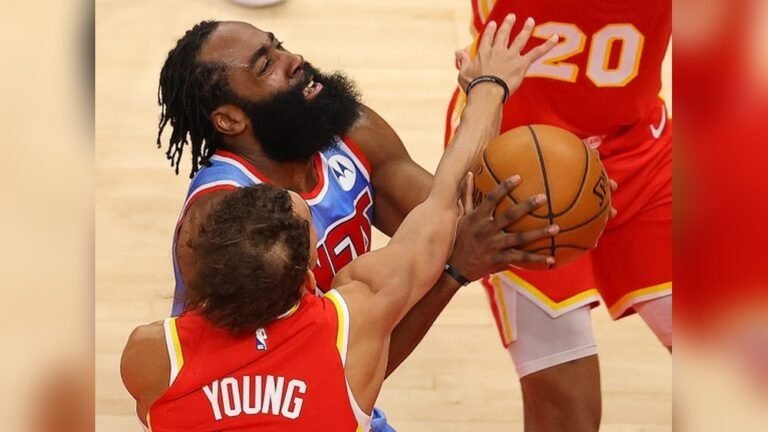
Basketball is a fast-paced sport, full of action and strategy. But sometimes, the game stops suddenly, and the referee blows the whistle. This often means a foul has occurred. Many new fans and players wonder: how do fouls really affect the game in basketball? The answer is more complex than it seems. Fouls are not just simple mistakes; they can change the flow, strategy, and even the final result of a match. Understanding fouls gives you a deeper appreciation for the sport, whether you play, coach, or just love to watch.
What Is A Foul In Basketball?
A foul in basketball is an action that breaks the rules by causing illegal physical contact or unsportsmanlike behavior. The most common fouls happen when a player hits, pushes, blocks, or holds another player unfairly. Referees call fouls to keep the game fair and safe.
There are several types of fouls:
- Personal fouls: Physical contact between players.
- Technical fouls: Bad behavior, arguing, or breaking certain rules.
- Flagrant fouls: Violent or dangerous actions.
- Team fouls: The total number of fouls by a team in a period.
Each type has different effects on the game, and sometimes one foul can lead to several consequences.
How Fouls Change The Flow Of The Game
Fouls directly affect the pace and rhythm of a basketball game. When the referee stops the game for a foul, the momentum can shift. This can break a team’s fast attack or give a tired team a chance to rest.
Teams use this pause to talk about strategy, substitute players, or regroup mentally.
Sometimes, teams use fouls on purpose. For example, if they are losing and want to stop the clock, they may foul their opponents. This is called intentional fouling, and it is a common late-game tactic.
But too many fouls slow down the game. Fans might see more free throws and less exciting action. Players can become nervous, worrying about committing a foul and getting into trouble.
The Impact On Team Strategy
Smart coaches always pay attention to fouls. When a key player has several fouls, the coach must decide: Should they keep the player on the court and risk a foul-out, or take them out to save them for later?
Players with many fouls often play less aggressively to avoid getting another one. This can make them less effective on defense or attack. Coaches may also use fouls to target weak free-throw shooters on the opposing team.
Here’s a quick look at how fouls affect team decisions:
| Situation | Common Team Response |
|---|---|
| Star player has 4 fouls (NBA) in 3rd quarter | Coach substitutes player to avoid foul-out |
| Opponent’s weak free-throw shooter has ball late in game | Intentionally foul to send them to the line |
| Team reaches penalty limit (bonus) | Play less aggressive defense |
Understanding these choices helps explain why coaches make sudden substitutions or change tactics during a match.
Fouls And Free Throws: Scoring Opportunities
One of the biggest ways fouls affect basketball is through free throws. When a player is fouled during a shot, or when a team has too many fouls, the other team gets free throws. These are unopposed shots from the free-throw line, and they can change the score quickly.
The rules about free throws depend on the type of foul and the league (NBA, FIBA, NCAA, etc.). Here are some key points:
- If a player is fouled while shooting, they get 2 or 3 free throws, depending on the type of shot.
- If a team goes over the team foul limit (usually 5 per quarter in the NBA), every foul after that gives the opponent free throws, even if the foul is not during a shot. This is called being “in the bonus.”
- Technical and flagrant fouls also result in free throws plus possession of the ball.
To show the power of free throws, let’s look at an example from the NBA 2022-23 season:
- Teams scored an average of 16.6 points per game just from free throws.
- The league average free-throw percentage was about 78%.
That means teams can win or lose games based on how well they shoot after fouls.
Fouling Out: When Players Are Forced To Leave
Each player can only commit a limited number of personal fouls before they are disqualified from the game. In the NBA, this limit is 6. In many other leagues, it is 5. This is known as fouling out.
When a key player fouls out, it can be a big advantage for the other team. The team losing the player must use substitutes, who may not be as strong or skilled.
Here’s how fouling out rules compare in different leagues:
| League | Personal Foul Limit |
|---|---|
| NBA | 6 |
| NCAA (College) | 5 |
| FIBA (International) | 5 |
| High School | 5 |
This rule adds pressure on top players to avoid unnecessary fouls, especially late in the game.
Team Fouls And The Bonus
Teams also have a limit on the total number of fouls they can commit in a period. When they reach this number, every new foul gives the opponent free throws. This is called the bonus.
Here’s how the bonus works in the NBA:
- Each team is allowed 4 team fouls per quarter.
- On the 5th team foul (and any after), the other team gets two free throws for every foul, even if it was not during a shot.
The bonus is designed to stop teams from playing too aggressively. Once a team is in the bonus, defenders must be more careful, and offenses often try to draw fouls on purpose.
Types Of Fouls And Their Effects
Different fouls have different effects:
Personal Fouls
These are the most common. They include pushing, hitting, blocking, or holding. The effect depends on the situation:
- If it happens during a shot, free throws are given.
- If not, the ball is taken out of bounds—unless the team is in the bonus.
Technical Fouls
These are not about physical play. A technical foul can be called for:
- Arguing with referees
- Unsportsmanlike language
- Breaking the rules (like hanging on the rim)
A technical foul gives the other team one free throw and possession of the ball. This can quickly change the momentum of a game.
Flagrant Fouls
A flagrant foul is when a player makes dangerous or violent contact. There are two levels:
- Flagrant 1: Unnecessary contact
- Flagrant 2: Unnecessary and excessive contact (player is ejected)
Both types give the other team free throws and the ball. Flagrant fouls are rare but serious. They can lead to suspensions and fines.
Offensive Fouls
When the attacking player commits a foul, it is called an offensive foul. The most common is charging—when a player runs into a defender who has established position. The ball is turned over to the defense, and no free throws are given unless the defense is in the bonus.
Psychological Effects Of Fouls
Fouls don’t just affect the scoreboard. They can change a player’s mindset. Players with many fouls may play less aggressively, trying not to risk another call. This is known as playing “in foul trouble. “
On the other hand, some players get frustrated by fouls and lose focus. Others use fouls as motivation to play smarter and more carefully.
An important insight: beginners often focus only on the number of fouls, not the timing. A single foul late in a close game can be much more important than two early fouls.

Fouls In Different Levels Of Basketball
Fouls are handled differently in professional, college, and youth basketball. For example:
- In the NBA, after the second team foul in the last two minutes of a quarter, every foul gives free throws.
- In college basketball, the bonus starts at the 7th team foul in a half, with a one-and-one free throw situation (the player must make the first shot to get a second).
- In youth leagues, referees may be more lenient to help children learn.
These differences matter. Players who move to a new league must quickly adjust to the local rules.
Common Misunderstandings About Fouls
Many beginners misunderstand fouls. Here are two points they often miss:
- Not all contact is a foul. Basketball is a physical sport. Only unfair or illegal contact is penalized.
- Intent is not required. Players can be called for a foul even if they did not mean to hit or block someone. The effect of the action, not the intention, matters most.
Another non-obvious point: Sometimes referees “let them play” and call fewer fouls, especially in close games or playoffs. This can lead to more physical play, so teams must be ready to adapt.

The Role Of Referees
Referees control the flow of the game by calling fouls. Their decisions are final, even if players or coaches disagree. Good referees are consistent and explain their calls. Bad or inconsistent calls can frustrate teams and change the outcome.
In professional games, referees also have video review to help with close or controversial fouls, especially flagrant fouls. This makes the game fairer and safer.
Famous Games Changed By Fouls
History shows that fouls can be the turning point in important games. For example:
- In the 2019 NBA Finals, several key players fouled out, and the Toronto Raptors took advantage to win the championship.
- In the 1972 Olympic final, a controversial foul call helped the Soviet Union beat the United States in a dramatic finish.
These examples prove that fouls are not just small mistakes. They can decide who wins and loses at the highest levels.

How Players Learn To Avoid Fouls
Great defenders know how to play aggressively without fouling. They use good footwork, keep their hands up, and avoid reaching in. Coaches teach players to “move their feet, not their hands” on defense.
Here are some expert tips:
- Stay between your man and the basket.
- Keep your body low and balanced.
- Use quick side steps instead of lunging.
- Don’t swipe at the ball unless you are sure you can get it.
Experienced players also study the referees. Some referees call games tighter than others. Adjusting to the style of officiating is a skill that separates good players from great ones.
Data: Fouls And Winning Percentages
Statistics show that teams who commit fewer fouls often win more games. Here’s a comparison from the 2022-23 NBA season:
| Team | Average Fouls Per Game | Win Percentage |
|---|---|---|
| Boston Celtics | 18.2 | 72% |
| Houston Rockets | 21.7 | 33% |
| Golden State Warriors | 19.1 | 59% |
This does not mean teams should never foul. But controlling fouls is a sign of discipline and smart play.
One External Resource
For a full breakdown of basketball rules and fouls, visit the official Wikipedia page on basketball fouls.
Frequently Asked Questions
What Happens When A Player Gets Too Many Fouls?
When a player reaches the personal foul limit (5 or 6, depending on the league), they must leave the game. This is called fouling out. The team must substitute another player.
Can Teams Benefit From Fouling On Purpose?
Yes, teams sometimes use intentional fouling to stop the clock or force bad free-throw shooters to score under pressure. This is a common strategy in close games.
What Is A Technical Foul?
A technical foul is not about physical contact. It is called for bad behavior, arguing, or breaking certain rules. The other team gets free throws and the ball.
How Does The Bonus Work In Basketball?
When a team commits too many fouls in a period, the other team goes into the bonus. Every new foul gives them free throws, even if the foul is not during a shot.
Are All Fouls Called The Same Way In Every League?
No, different leagues (NBA, FIBA, NCAA, high school) have different rules for fouls, limits, and penalties. Players and coaches must learn the specific rules for each competition.
Basketball is a thrilling sport, but fouls are more than just stops in the action. They shape the game’s flow, test players’ discipline, and can decide the winner. Understanding fouls gives you a deeper view of the strategy and drama behind every whistle.
Whether you’re watching or playing, knowing how fouls affect basketball helps you appreciate the game at a whole new level.
