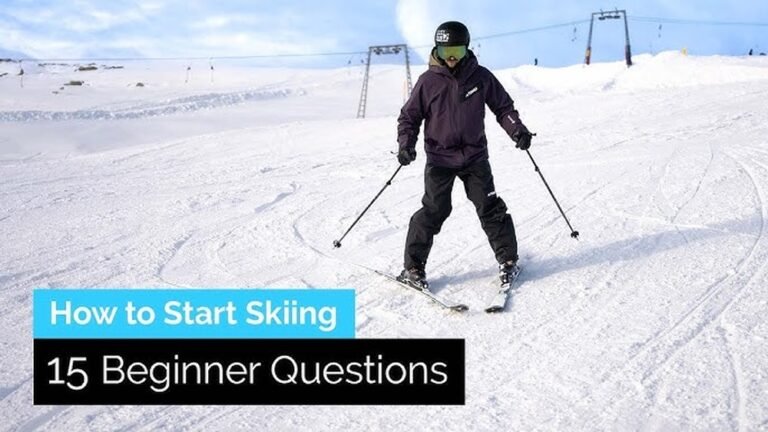
Skiing is a sport that inspires excitement, adventure, and sometimes a little fear—especially for beginners. You may look at videos of people gliding down white mountains and wonder, “How do I even start?” The good news: skiing is more accessible than it seems, even if you have never tried any snow sport before. With the right mindset, preparation, and a few smart choices, your first ski trip can be safe, fun, and unforgettable.
In this guide, you’ll learn every major step for beginners to start skiing, from selecting gear and lessons to building confidence on snow. You’ll also discover key mistakes to avoid and tips that most first-timers miss. Whether you’re planning a holiday in the Alps, the Rockies, or your local hill, you’ll find practical advice to make your experience smoother.
Understanding The Basics Of Skiing
Before you put on skis, it helps to understand what skiing actually involves. Skiing means sliding over snow on long, flat boards called skis. You use ski boots, which clip into bindings on the skis. Poles help with balance and movement. Most skiing today is alpine skiing (downhill skiing), where you go down marked trails on a mountain.
There are other types too, such as cross-country skiing (on flat ground) and freestyle skiing (doing tricks). For beginners, downhill skiing at a ski resort is the best place to start. Resorts have gentle slopes (called bunny hills or green runs) made for learning. This environment is controlled, safe, and full of support for newcomers.
Preparing For Your First Ski Trip
Choosing The Right Resort
Not every ski resort is beginner-friendly. Look for resorts with:
- Plenty of green (easy) runs
- Good ski schools
- Rental shops
- Beginner lift tickets (sometimes at a reduced cost)
Family-oriented resorts or those with “learn to ski” programs are ideal. Research the resort’s reviews, website, and trail map before booking.
Packing The Essentials
Here’s a list of what you’ll need for your first day:
- Waterproof ski jacket and pants
- Thermal base layers
- Warm socks (not cotton)
- Ski gloves or mittens
- Helmet (usually available to rent)
- Goggles (for eye protection)
- Neck gaiter or scarf
- Sunscreen and lip balm (the sun is strong on snow)
- Ski pass/ticket
- Snacks and water bottle
You don’t need to buy all this gear at once. Most items, especially skis, boots, poles, and helmet, can be rented at the resort. Focus on comfort and warmth.
Physical Preparation
Skiing uses muscles you may not use every day. Simple exercises help you avoid soreness and injury:
- Squats and lunges for leg strength
- Core exercises (like planks)
- Cardio (walking, jogging, cycling)
- Balance practice (standing on one leg)
Start these 2–4 weeks before your trip for the best results. Flexibility and basic fitness matter more than being an athlete.

Getting Started: Your First Day On Skis
Renting Vs. Buying Equipment
For beginners, renting is usually smarter. Rental shops will fit you with the right size skis, boots, and helmet. Here’s a quick look at the pros and cons:
| Option | Advantages | Disadvantages |
|---|---|---|
| Renting | Cheaper, try before you buy, staff helps with fitting | Not personalized, can be worn out |
| Buying | Custom fit, new equipment, long-term investment | Expensive, not ideal if you’re unsure about skiing |
Learning To Put On Gear
Boots should feel snug but not painful. Tuck your ski pants over the boots to keep snow out. When you clip into skis, make sure both bindings “click. ” Practice walking in ski boots first—they feel awkward at first, but you’ll adjust quickly.
Taking A Lesson: Why It Matters
A ski lesson is the smartest investment for a beginner. Even a half-day with a certified instructor will teach you:
- How to balance and stop safely
- How to turn
- How to ride the lift
- What to do if you fall
You’ll progress faster and avoid bad habits. Group lessons are cheaper and often more fun, while private lessons offer faster progress.
First Steps On Snow
Your instructor will start on a flat area, showing you how to:
- Move with skis on (side-stepping, shuffling)
- Get up after a fall (using your poles)
- Use the “pizza” (wedge) shape to slow down and stop
- Make basic turns
These basics are not glamorous, but they build the foundation for all future skiing.
Understanding Ski Lifts And Slope Markings
Using The Ski Lift
There are several types of lifts: magic carpets (conveyor belts), chairlifts, and T-bars. Beginners usually start with magic carpets. Always ask the lift operator if you’re unsure what to do.
Here’s a step-by-step for using a chairlift as a beginner:
- Remove pole straps from hands.
- Wait for the chair to approach.
- Sit down quickly when the chair arrives.
- Pull down the safety bar.
- When getting off, keep skis straight and stand up as the chair slows.
Reading Trail Markings
Ski slopes are marked by color and shape. The system may vary by country, but here’s the most common in North America:
| Symbol | Color | Difficulty |
|---|---|---|
| Circle | Green | Easiest (beginner) |
| Square | Blue | Intermediate |
| Diamond | Black | Advanced |
Stick to green runs until you feel confident.
Building Skills And Confidence
Practicing Basic Movements
Spend time on gentle slopes, repeating:
- Stopping: Master the wedge/pizza stop before going faster.
- Turning: Practice wide, slow turns to control your speed.
- Riding the lift: Get comfortable getting on and off.
Don’t rush to harder slopes. Most accidents happen when beginners move up too quickly.
Managing Fear And Frustration
It’s normal to fall and feel nervous. Remember, every skilled skier was a beginner once. Take breaks, laugh at mistakes, and don’t compare yourself to others.
A key tip beginners miss: look where you want to go, not at your skis. This helps with balance and direction.
Common Mistakes Beginners Make
- Skipping lessons: Trying to learn alone leads to bad habits.
- Leaning back: This makes you lose control. Keep your weight forward.
- Going too fast, too soon: Stay on easy runs until you can stop and turn confidently.
- Wearing the wrong clothes: Avoid cotton (it gets wet and cold).
- Ignoring weather: Check the forecast; wind and heavy snow can make learning harder.
- Not hydrating or eating enough: Cold weather makes you burn more energy.
- Not using sun protection: Sunburn is common on snowy slopes.
- Not stretching before/after skiing: Helps prevent soreness.
- Being embarrassed about falling: Everyone falls. Learn to get up safely and keep going.
- Not adjusting boots properly: Loose boots cause blisters, tight boots cause pain.
How To Progress After The First Day
When To Move Up
Once you can stop and turn with control on green runs, try a blue run. Ask your instructor for advice if you’re unsure.
Practicing Independently
Practice makes perfect. Ski with friends who are supportive, but don’t let anyone pressure you onto harder slopes. Repeat lessons to keep improving.
Setting Small Goals
Instead of aiming to ski the hardest run, set goals like:
- Ski a green run top to bottom without falling.
- Learn to ride a chairlift alone.
- Make 10 turns in a row.
Small wins build confidence.
Skiing Safety For Beginners
Always Wear A Helmet
Head injuries are rare but serious. Most resorts recommend helmets for all ages.
Stay In Control
Ski at a speed where you can always stop safely. Keep a safe distance from others.
Know The “responsibility Code”
Most ski resorts display a “responsibility code.” Key points include:
- Yield to skiers below you.
- Stop at the side of the trail, not in the middle.
- Obey all signs and warnings.
Warm Up And Cool Down
Start with easy runs to warm up. Stretch after skiing to avoid muscle pain.

Cost Of Starting Skiing
Many people worry about the price. Here’s a rough breakdown for a beginner:
| Item | Approximate Cost (USD) |
|---|---|
| Lift Ticket (Day) | $40–$120 |
| Rental Equipment | $30–$50 |
| Group Lesson (Half-Day) | $50–$100 |
| Clothing Rental | $20–$40 |
Prices vary by region and season. Some resorts offer beginner packages that include rentals, lessons, and a lift ticket at a discount.
Two Insights Beginners Often Miss
- You don’t need to be athletic to enjoy skiing. Most people, even those with no sports background, can learn the basics in a day or two.
- Weather can change fast on a mountain. Always bring extra layers and check the forecast before you go up the lift.
Useful Resources
For more in-depth information on ski safety, equipment, and resort selection, you can visit the Wikipedia page on skiing.
Frequently Asked Questions
What Age Is Best To Start Skiing?
Children as young as three can start with special lessons, but most people learn easily at any age. Adults can learn just as well as kids if they are patient and take lessons.
How Long Does It Take To Learn Basic Skiing?
Most beginners can learn to stop and make simple turns in 1–2 days with lessons. After a week of practice, many people feel comfortable on green runs.
Do I Need To Be Fit To Start Skiing?
You don’t need to be very fit, but basic fitness helps. Leg and core strength, plus some cardio, make learning easier and prevent fatigue.
Should I Buy My Own Skis As A Beginner?
It’s better to rent for your first few trips. Once you know you enjoy skiing and understand what type of equipment you prefer, then consider buying.
What If I’m Scared Of Falling?
Falling is normal and part of learning. Wear a helmet, learn how to fall safely, and remember that even expert skiers fall sometimes. With practice, your confidence will grow.
Starting skiing as a beginner may seem challenging, but with the right preparation, guidance, and attitude, you’ll soon discover why so many people fall in love with this winter sport. The mountain is waiting—take your first step and enjoy the ride.
