
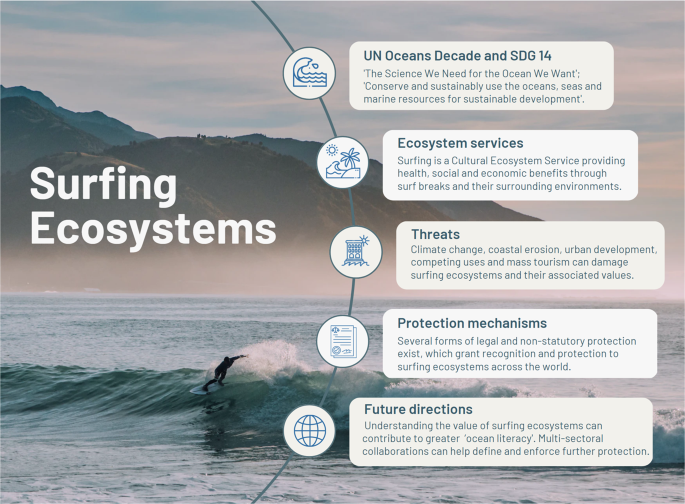
Every time surfers paddle out, they experience the ocean in a way few people do. The waves, the salt air, and the wildlife become a part of their lives. But while surfing brings joy and freedom, it also comes with responsibility.
The ocean faces many threats—pollution, climate change, and overuse—and surfers are in a unique position to make a difference. By understanding how to protect the ocean environment, surfers can help keep the sea healthy for future generations.
Understanding The Impact Of Surfing On The Ocean
Surfing seems harmless, but it can have an impact on the environment. Most boards are made from petroleum-based materials, wetsuits use non-biodegradable neoprene, and wax can contain toxic chemicals. Crowded beaches can also harm sensitive habitats, and even small actions like littering or using sunscreen can affect marine life.
Knowing these effects is the first step to making positive changes.
Choosing Eco-friendly Surf Gear
Making smart choices with surf equipment can reduce environmental harm. Here are key areas to consider:
Surfboards
Traditional surfboards use polyurethane foam and fiberglass, both harmful to nature. Newer eco-boards use recycled foam, plant-based resins, or even wood. They perform well and break down more easily at the end of their life. Some brands offer trade-in programs or recycling for old boards.
Wetsuits
Most wetsuits are made from neoprene, a petroleum product. Recently, companies have started making wetsuits from natural rubber (like Yulex), which is renewable and less polluting. These alternatives can last as long as traditional neoprene but are much better for the planet.
Surf Wax
Many waxes use paraffin, a petroleum byproduct. Switching to eco-friendly wax (made from beeswax, soy, or plant oils) helps keep chemicals out of the sea. Always check ingredients before buying.
Leashes, Fins, And Accessories
Look for gear made from recycled plastics or natural materials. Some companies even collect ocean plastic to make leashes and fins, turning waste into useful products.
Reducing Plastic And Trash At The Beach
Plastic pollution is one of the biggest threats to the ocean. Surfers can lead by example:
- Carry a reusable water bottle and avoid single-use plastics like bags, straws, and snack wrappers.
- Pick up trash each time you visit the beach—even one handful helps.
- Use a reusable bag or container for wet gear instead of plastic bags.
- Organize or join beach cleanups. Working together has a bigger impact and inspires others.
Plastic can break into small pieces called microplastics, which are eaten by fish and birds. By reducing plastic use and cleaning beaches, surfers help protect marine life and keep their playground clean.
Supporting Ocean Conservation Organizations
Many groups work hard to protect the ocean, from fighting pollution to defending wildlife. Surfers can support these organizations by:
- Donating money or time
- Joining campaigns or events
- Sharing information on social media
Some well-known groups include Surfrider Foundation, Ocean Conservancy, and Sea Shepherd. Being part of these communities lets surfers help on a larger scale.
Using Reef-safe Sunscreen
Most sunscreens contain chemicals like oxybenzone and octinoxate that can harm coral reefs and sea life. These chemicals wash off skin in the water, even if you can’t see it happening. Using reef-safe sunscreen is an easy way to protect the ocean.
Here’s a quick comparison of sunscreen types:
| Type | Main Ingredients | Effect on Reefs |
|---|---|---|
| Chemical Sunscreen | Oxybenzone, Octinoxate | Harmful to coral, pollutes water |
| Mineral Sunscreen | Zinc oxide, Titanium dioxide | Reef-safe (if non-nano) |
Always check the label. “Reef-safe” should mean no harmful chemicals and only non-nano mineral ingredients.
Respecting Marine Life And Local Habitats
Surfers often see dolphins, sea turtles, and birds while in the water. It’s important to respect these animals and their homes:
- Give space to wildlife—don’t chase or touch them.
- Avoid surfing near nesting sites or protected areas during sensitive seasons.
- Don’t disturb tide pools or collect shells and rocks.
Sometimes, beginners don’t realize that walking over coral reefs can kill them. Corals are living animals, and even a small break can take years to heal. Always enter and exit the water carefully.

Supporting Sustainable Travel And Local Communities
Travel is part of surf culture, but it also creates pollution. Here’s how surfers can make trips more ocean-friendly:
Choose Greener Transport
- Share rides with friends or use public transit.
- Pick destinations closer to home to lower carbon emissions.
Stay At Eco-friendly Accommodations
Look for hotels or hostels that recycle, use renewable energy, or support local conservation. Many surf camps now have green certifications.
Support Local Businesses
Buy food, gear, and services from local people. This helps communities who rely on tourism and reduces the need to ship goods long distances.
Respect Local Rules
Some surf spots have rules to protect the environment, like limits on visitor numbers or restrictions on camping. Following these rules helps everyone enjoy the waves.
Getting Involved In Citizen Science
Surfers spend a lot of time in the water and notice changes before most people. Many projects let surfers share what they see to help scientists:
- Logging sightings of marine animals (like dolphins or sharks)
- Measuring water temperature or pollution
- Reporting changes in beach or reef health
One example is the Surf Citizen Science program, where surfers use apps to record ocean data. This information helps researchers track problems and find solutions.
Educating Others And Leading By Example
Sometimes the best way to protect the ocean is to inspire others. Surfers can:
- Talk to friends and family about ocean issues.
- Show good habits, like picking up trash or using eco-friendly gear.
- Teach new surfers about ocean safety and respect.
Every small action adds up. When others see surfers caring for the sea, they are more likely to help too.
Reducing Carbon Footprint
Climate change is a big problem for the ocean, causing rising sea levels and coral bleaching. Surfers can help by cutting their carbon footprint:
- Use bikes or electric vehicles to get to the beach.
- Choose renewable energy at home if possible.
- Eat less meat and more plant-based foods, as farming animals creates more pollution.
- Buy long-lasting gear instead of replacing items often.
Here’s a comparison of carbon footprints for common surf trip choices:
| Transport | CO₂ per 100 km | Environmental Impact |
|---|---|---|
| Car (1 person) | 18 kg | High |
| Carpool (4 people) | 4.5 kg | Lower |
| Public Bus | 3.8 kg | Lowest |
Simple changes in transport can make a big difference over time.
Supporting Ocean-friendly Events And Competitions
Many surf competitions create waste and pollution. Surfers can choose to support green events that:
- Use biodegradable or reusable products
- Ban single-use plastics
- Offset carbon emissions
- Give back to local conservation projects
If you’re organizing an event, make sustainability a priority. This sets a strong example for the whole community.
Avoiding Harmful Chemicals
It’s not just sunscreen—other chemicals can also harm the ocean. For example:
- Insect repellents and lotions can wash off in the water.
- Cleaning surf gear with strong chemicals pollutes the sea.
- Fertilizers and pesticides used near the coast run off into the ocean.
Use natural cleaning products and avoid using chemicals before going in the water. Even small changes help protect marine life.
Advocating For Better Policies
Surfers can use their voices to support laws that protect the ocean:
- Ban single-use plastics
- Create marine protected areas
- Limit harmful fishing practices
Writing to leaders, signing petitions, or attending local meetings can make a real difference. Surfers are trusted in many communities, so their opinions matter.
Encouraging Sustainable Surf Brands
Supporting surf brands that care about the environment pushes the whole industry forward. Look for companies that:
- Use recycled or renewable materials
- Offset their carbon emissions
- Give part of profits to ocean charities
Some brands even share details about their supply chain and impact. Choosing these companies rewards good behavior and encourages others to improve.
Sharing Knowledge And Staying Informed
The ocean is always changing, and new problems appear each year. Surfers should keep learning by:
- Reading news from trusted ocean organizations
- Taking part in workshops or online courses
- Following scientists or activists on social media
For example, the National Geographic Oceans section offers updates and deep dives into ocean health.
Inspiring The Next Generation
Children who learn to love the ocean are more likely to protect it. Surfers can help by:
- Teaching kids to surf with respect for nature
- Involving young people in beach cleanups
- Sharing stories about ocean wildlife and conservation
Even small moments—like explaining why we pick up trash—can inspire lifelong ocean advocates.

Frequently Asked Questions
What Is The Biggest Threat To The Ocean Environment?
Plastic pollution is one of the biggest threats. It harms wildlife, damages habitats, and is difficult to remove once in the ocean. Climate change and overfishing are also major problems.
How Can I Tell If My Surf Gear Is Eco-friendly?
Check for materials like recycled foam, plant-based resins, or natural rubber. Eco-friendly brands often share details on their websites. Avoid gear made with lots of chemicals or non-renewable plastics.
Are All “reef-safe” Sunscreens Really Safe?
Not always. Some products say “reef-safe” but still contain harmful ingredients. Look for non-nano zinc oxide or titanium dioxide as the main ingredients, and read the label carefully.
Can Small Actions Really Make A Difference?
Yes. If every surfer picks up a bit of trash or switches to eco-friendly gear, the impact adds up. Small changes by many people can lead to big results for the ocean.
Where Can I Learn More About Ocean Conservation?
Trusted sources include Surfrider Foundation, Ocean Conservancy, and the National Geographic Oceans section. These sites offer news, tips, and ways to get involved.
Surfers are not just wave riders—they are guardians of the ocean. By making better choices, sharing knowledge, and working together, surfers can help protect the sea for everyone. The next time you paddle out, remember: every action counts. The ocean’s future is in your hands.
