Learning to surf is exciting, but the ocean can be unpredictable. For beginners, staying safe isn’t just about having fun—it’s about making smart choices every step of the way. Too often, new surfers focus on riding their first wave and forget that safety is a skill, not just a rule.
In this guide, you’ll discover practical steps, real examples, and overlooked details that can keep your surfing experience both safe and enjoyable.
Understanding Ocean Hazards
Before you even touch your board, it’s vital to learn about ocean hazards. The sea isn’t a swimming pool; it changes daily, sometimes hourly. Here’s what to watch for:
- Rip currents: These are strong, fast-moving water channels that pull you away from shore. Beginners often panic in rips. The smart move? Float, don’t fight, and swim parallel to the beach.
- Shore breaks: Waves that crash directly onto the sand can knock you down or cause injuries.
- Marine life: Jellyfish, sea urchins, and even stingrays can be a surprise. Shuffle your feet when entering shallow water.
- Changing tides: Tides can change water depth and wave conditions quickly. Always check a tide chart before surfing.
Many new surfers only look at wave height, but tide changes and underwater rocks are just as important. Get in the habit of observing the water for at least 10 minutes before entering. Notice how the waves break, where people enter, and if there are flags or warning signs.
Choosing The Right Equipment
Your gear can make a big difference in your safety. Beginner mistakes often start with the wrong board or missing safety items.
- Surfboard: Soft-top boards are best for new surfers. They’re forgiving if you fall and less likely to injure you or others.
- Leash: This attaches your board to your ankle. Never surf without one—losing your board can mean a long swim back, especially if you’re tired.
- Wetsuit: Cold water can cause cramps and exhaustion. A wetsuit keeps you warm and adds a bit of buoyancy.
- Rash guard: Protects your skin from sunburn and board rash.
Here’s a simple comparison of surfboard types for beginners:
| Board Type | Stability | Safety Level | Recommended For |
|---|---|---|---|
| Soft-top Longboard | High | Very Safe | Beginners |
| Hard-top Shortboard | Low | Less Safe | Advanced Surfers |
| Foam Mini Mal | Medium | Safe | Transitioning Learners |
Don’t be tempted to use a fancy shortboard early on. They’re harder to control and make wipeouts riskier.
Learning With An Instructor
One of the safest ways to start is to take lessons from a qualified surf instructor. Lessons do more than teach you to stand up; they cover essential safety skills.
- Instructors show you how to fall safely, spot hazards, and handle emergencies.
- Group lessons mean more eyes watching out for you.
- Certified schools usually operate in beginner-friendly areas.
Some beginners skip lessons to save money, but this can lead to costly mistakes or injuries. Even one or two lessons can give you skills that could save your life.
Reading Surf Conditions
Every surf session is different. Before paddling out, check these elements:
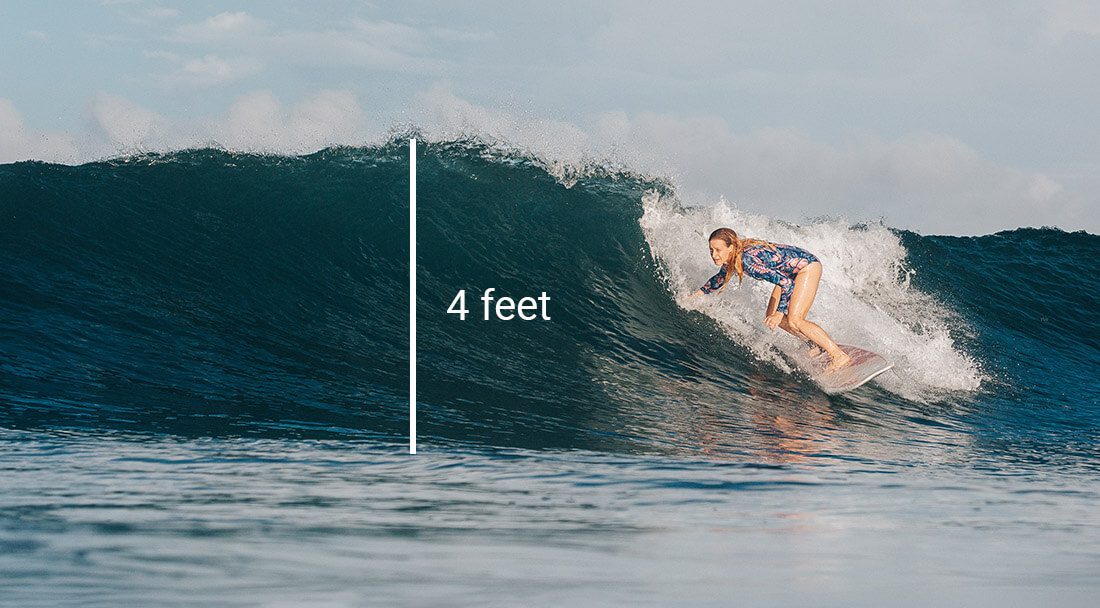
- Wave height and power: Start with small, mellow waves—knee to waist high.
- Wind direction: Offshore winds (blowing from land to sea) make waves cleaner and easier to ride.
- Crowd level: Busy spots are riskier for beginners. Look for less crowded areas where you can practice without pressure.
- Local rules: Some beaches have zones for swimmers and surfers. Respect them to avoid collisions.
Here’s a quick look at how different wave heights impact safety for beginners:
| Wave Height | Difficulty | Risk Level | Recommended? |
|---|---|---|---|
| 0.5–1 meter (knee–waist high) | Easy | Low | Yes |
| 1–1.5 meters (waist–chest high) | Moderate | Medium | Maybe |
| 1.5+ meters (overhead) | Hard | High | No |
Pro tip: Apps like Magicseaweed or Surfline provide live surf conditions, including tides and wind. Check before you go.

Practicing Safe Surfing Techniques
Surfing isn’t just about catching waves—it’s about knowing how to act in the water. Here are key techniques:
- Falling safely: Always fall flat and cover your head with your arms. Never dive headfirst; shallow water or reefs can be dangerous.
- Board control: Hold your board to the side when a wave comes, not in front of you.
- Duck diving and turtle rolling: These help you get past breaking waves. Beginners with bigger boards should use the turtle roll.
- Awareness of others: Keep a safe distance from other surfers. Collisions are common for new surfers who don’t look around.
A common beginner mistake is paddling out in the middle of the main break. Instead, use the channel (an area where waves don’t break) to reach the lineup safely.
Understanding Surf Etiquette
Surfing has its own set of unwritten rules. Following them keeps everyone safe and respected.
- Don’t drop in: Only one person should ride a wave at a time. Wait your turn.
- Paddle wide: Don’t paddle through the path of someone surfing a wave.
- Communicate: If you’re not sure, call out “Left!” or “Right!” to show your direction.
- Respect locals: Many spots have experienced local surfers. Watch and learn from them.
Breaking etiquette can lead to accidents and arguments. Always observe before you join the lineup.
Preparing Physically And Mentally
Surfing is demanding. Being unprepared can turn small problems into big risks.
- Stretch before entering the water. Focus on shoulders, back, and legs.
- Hydrate and eat a light snack. Surfing burns energy quickly.
- Warm up with some paddling and easy waves.
- Know your limits: If you feel tired, cold, or nervous, take a break.
Some beginners push too hard, trying to catch “just one more wave. ” Fatigue leads to mistakes. Listen to your body.
Protecting Yourself From The Sun
Sunburn is a serious risk for surfers. Water reflects sunlight, increasing UV exposure.
- Wear sunscreen: Choose water-resistant SPF 50 or higher. Reapply every two hours.
- Rash guards and surf hats: Offer extra protection for your skin and eyes.
- Surf early or late: Avoid the midday sun when UV rays are strongest.
Remember, even cloudy days can cause sunburn. Cover up every session.

Surfing With A Buddy
Never surf alone, especially as a beginner. Having a friend nearby makes a huge difference if something goes wrong.
- Buddy system: Take turns watching each other. Agree on a meeting spot on shore.
- Signal system: Simple hand signals can help if you’re in trouble.
- Share your plan: Tell someone on land how long you’ll be out.
If you have no one to surf with, stick to lifeguarded beaches.
Knowing What To Do In An Emergency
Preparation is the best defense. But if something goes wrong, these steps help:
- If caught in a rip: Don’t panic. Float, signal for help, and swim parallel to shore.
- Injury: Exit the water immediately. Bleeding wounds attract marine life.
- Lost board: Stay calm and float on your back. Use your arms to paddle back if possible.
Here’s a quick comparison of emergency actions:
| Situation | What to Do | What Not to Do |
|---|---|---|
| Caught in Rip Current | Float, swim sideways, signal for help | Panic, swim directly against current |
| Hit by Board | Check for injuries, exit water if bleeding | Ignore pain, keep surfing |
| Sudden Fatigue | Rest on your board, signal for help if needed | Push yourself, attempt big waves |
Local lifeguards are your best resource. Don’t hesitate to ask questions about conditions or safety procedures.
Learning From Mistakes And Progressing Safely
Every surfer falls and makes errors. The key is to learn and improve, not to rush.
- Review each session: What went well? What felt risky or scary? Adjust next time.
- Ask for advice: More experienced surfers can offer tips you won’t find online.
- Increase difficulty slowly: Don’t move to bigger waves until you’re ready.
One overlooked insight: Many injuries happen walking to or from the water, not just in the surf. Be careful on slippery rocks and wet sand.
Using Technology For Surf Safety
Modern technology can be a big help, even for beginners.
- Surf forecast apps: Check wave size, wind, and tides before you go.
- Waterproof watches: Set a time limit for your session, so you don’t overdo it.
- GPS trackers: Some smartwatches let friends track your location in real-time.
For more on surf safety technology, visit the American Red Cross.
Building Confidence Through Practice
Confidence comes from practicing in safe conditions. Don’t rush progression.
- Surf often: Even short sessions build skill and awareness.
- Celebrate small wins: Standing up, paddling out, or catching a wave are all steps forward.
- Stay humble: The ocean is always stronger. Respect it, and never take safety for granted.
Many top surfers started with the same fears and mistakes as you. Progress at your own pace, and you’ll enjoy surfing for years.
Frequently Asked Questions
What Is The Safest Type Of Surfboard For Beginners?
A soft-top longboard is safest. It’s stable, easy to balance on, and less likely to injure you or others if you fall.
How Can I Spot A Rip Current?
Look for areas where the water appears darker, with fewer waves breaking. Foam or debris moving out to sea is a common sign of a rip current.
Should I Always Surf With A Buddy?
Yes. Especially for beginners, surfing with a buddy adds safety and confidence. If you must surf alone, choose lifeguarded beaches and tell someone your plan.
How Important Is A Surf Leash?
A leash is essential. It keeps your board close and prevents it from becoming a hazard for others. Never surf without one, even in small waves.
What Should I Do If I Get Hurt While Surfing?
If you’re injured, leave the water as soon as possible. Clean the wound, especially if there’s bleeding, and seek medical help if needed. Don’t ignore pain or keep surfing if you’re unsure.
Surfing is all about fun, challenge, and respect—for nature and for yourself. With the right habits and knowledge, you can stay safe and enjoy every wave. Remember, every session is a lesson. Stay alert, keep learning, and your surfing journey will be both rewarding and safe.