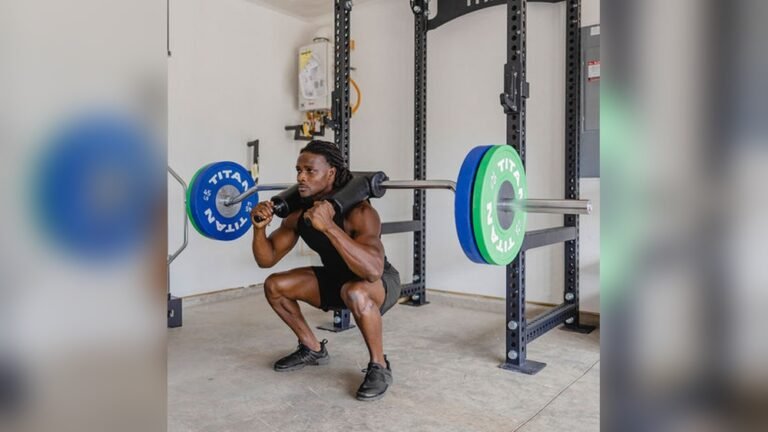
Are you wondering if barbell squats are the key to building muscle fast? You’ve probably heard they’re one of the best exercises out there—but does that really mean your muscles will grow bigger and stronger?
This article will break down exactly how barbell squats work and what they do for your body. By the time you finish reading, you’ll know if squats deserve a spot in your workout routine and how to use them to get the muscle gains you want.
Keep reading to find out!
Benefits Of Barbell Squats
Barbell squats offer many benefits for building muscle and strength. They work multiple parts of the body at once. This makes them a very effective exercise.
Squats help improve muscle size, power, and overall fitness. They also support better movement in daily life and sports. Let’s explore the key benefits in detail.
Muscle Groups Targeted
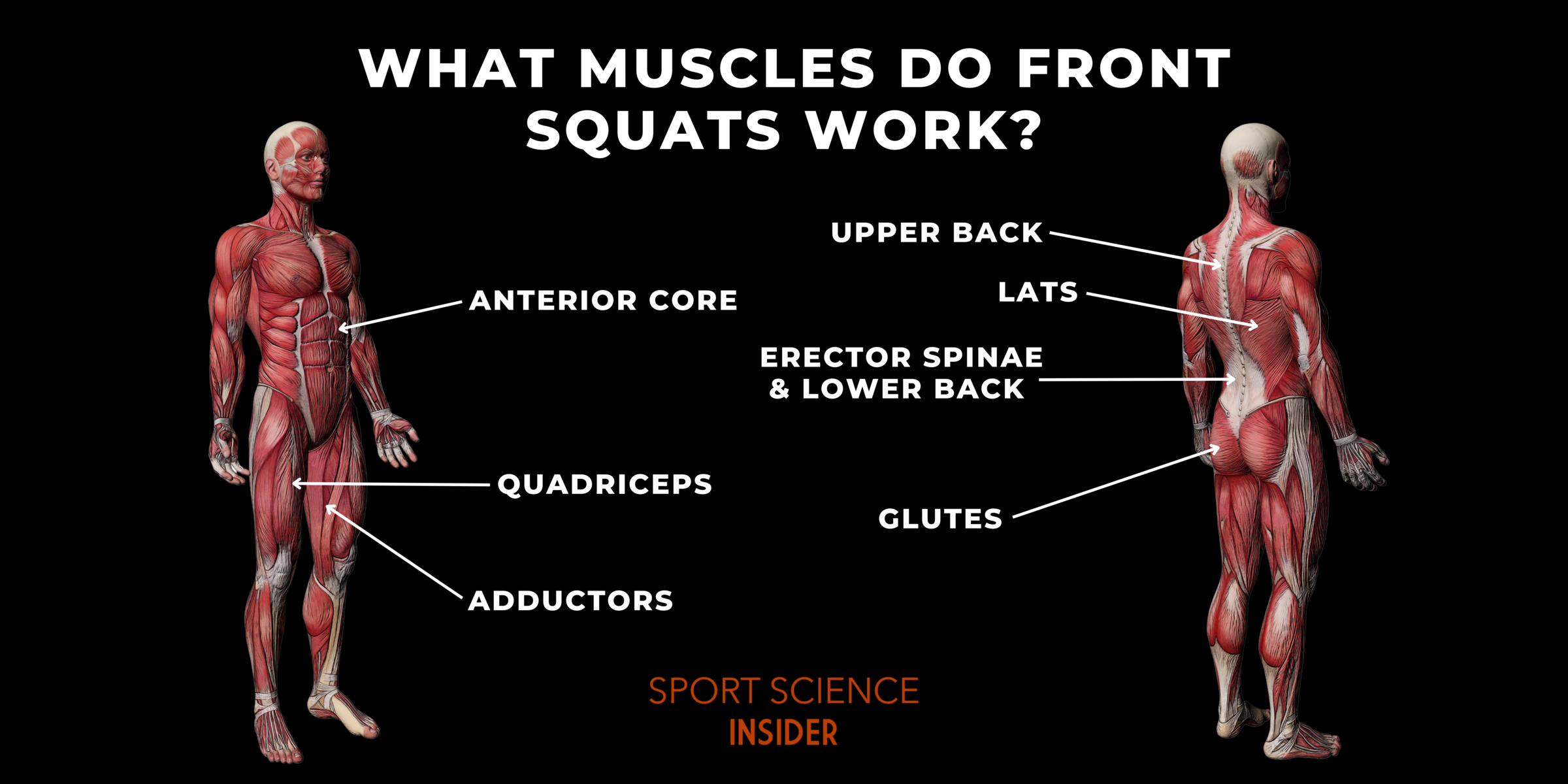
Barbell squats mainly target the thighs and hips. The quadriceps and hamstrings get a strong workout. The glutes also work hard to help you stand up.
Your lower back and core muscles engage to keep balance. This makes squats a full lower-body exercise. Many muscles grow stronger with regular squatting.
Strength And Power Gains
Squats increase leg and hip strength quickly. This builds power for lifting and jumping. Using a barbell adds resistance, which boosts muscle growth.
Stronger legs help with other exercises too. You can lift heavier weights and improve overall strength fast.
Improved Athletic Performance
Squats improve speed, balance, and coordination. Athletes use them to run faster and jump higher. The exercise trains your body to move better and stay stable.
Better athletic skills come from stronger muscles and improved control. Squats prepare your body for many sports and activities.
How Barbell Squats Build Muscle
Barbell squats are a powerful exercise for building muscle in your legs and lower body. They target many muscles at once, including the quads, hamstrings, glutes, and lower back. Squats also engage your core, helping with overall strength. Understanding how barbell squats build muscle helps you train smarter and see better results.
Mechanical Tension And Muscle Growth
Mechanical tension happens when muscles stretch and contract under load. Barbell squats create high tension by forcing muscles to work hard against the weight. This tension signals your body to repair and grow muscle fibers. The heavier the weight, the more tension your muscles experience. This process is essential for muscle growth.
Hormonal Responses
Squats trigger the release of important hormones like testosterone and growth hormone. These hormones help build muscle and burn fat. They increase protein synthesis, which repairs muscle damage from exercise. Hormonal responses from squats improve strength and muscle size over time.
Progressive Overload Importance
Progressive overload means increasing the weight or reps regularly. It forces your muscles to adapt and grow stronger. Barbell squats allow easy adjustments in weight. Gradually adding more weight challenges muscles more. This steady increase is key to continuous muscle growth and strength gains.
Proper Squat Technique
Proper squat technique is key to building muscle safely with barbell squats. Using correct form protects your joints and targets the right muscles. Poor technique can cause injury and reduce muscle growth. Focus on four main areas for the best results.
Foot Placement And Stance
Place your feet shoulder-width apart or slightly wider. Point your toes slightly outward. This stance helps balance and allows your knees to track over your toes. Keep your weight evenly on your feet, especially on your heels and midfoot. Avoid letting your feet turn too far in or out.
Bar Positioning
Rest the barbell comfortably on your upper traps or across your rear shoulders. Keep your hands evenly spaced on the bar. Your grip should be firm but not too tight. Ensure the bar stays stable during the squat. Do not let it roll forward or backward.
Depth And Range Of Motion
Squat down until your thighs are at least parallel to the floor. Going deeper increases muscle activation. Keep your chest up and back straight. Avoid leaning too far forward. Proper depth ensures full muscle engagement and reduces stress on your knees.
Breathing And Bracing
Take a deep breath before you squat down. Brace your core by tightening your abdominal muscles. Hold your breath during the descent and ascent to keep your spine stable. Exhale after you return to standing. Proper breathing supports heavy lifting and protects your lower back.

Common Mistakes To Avoid
Barbell squats are great for building muscle, but mistakes can slow progress. Avoiding common errors helps keep you safe and effective. These mistakes often cause injury or reduce muscle growth. Focus on form and technique to get the best results.
Knee Tracking Issues
Knees must move in line with your toes during squats. Letting knees cave inward strains joints and muscles. Push knees slightly outward to match foot direction. This protects your knees and improves squat power.
Rounding The Back
Keep your back straight throughout the squat. Rounding the back increases risk of injury to your spine. Tighten your core and chest up to maintain posture. A strong back supports heavier weights and better muscle gain.
Improper Weight Distribution
Weight should stay evenly on your feet, mainly on the heels. Leaning too far forward strains knees and lowers squat depth. Avoid shifting weight to your toes. Balanced weight helps stability and targets the right muscles.
Training Strategies For Maximum Gains
Barbell squats are one of the best exercises for building muscle. To get the most from them, you need the right training plan. Smart training helps your muscles grow stronger and bigger. Focus on key strategies to boost your gains.
These strategies include how many sets and reps you do, using different squat types, resting enough, and eating well. Each part plays a role in muscle growth and strength.
Set And Rep Schemes
Choose sets and reps based on your goals. For muscle growth, aim for 3 to 4 sets of 8 to 12 reps. This range creates muscle tension and fatigue. Use heavier weights to challenge your muscles. Keep good form to avoid injury. Change sets and reps every few weeks to keep progress steady.
Incorporating Variations
Mix different squat types to work muscles in new ways. Front squats, goblet squats, and Bulgarian split squats target muscles differently. Variations prevent boredom and plateaus. They also improve balance and flexibility. Rotate variations every few sessions to keep muscles guessing.
Rest And Recovery
Muscles grow during rest, not just workouts. Give your legs 48 to 72 hours to recover after heavy squats. Avoid training the same muscles every day. Sleep 7 to 9 hours each night. Rest helps repair muscle fibers and reduce soreness. Overtraining can slow down progress and cause injury.
Nutrition For Muscle Growth
Muscles need fuel to grow. Eat enough protein, about 1.6 to 2.2 grams per kilogram of body weight. Include lean meats, eggs, beans, and dairy. Carbs provide energy for your workouts. Healthy fats support hormone production. Drink plenty of water to stay hydrated. Balanced nutrition supports recovery and muscle building.
Tracking Progress And Adjusting Workouts
Tracking progress and adjusting workouts are key to building muscle with barbell squats. Without tracking, it is hard to see improvements or know when to change your routine. Keeping an eye on your progress helps you stay motivated and avoid injury.
Adjusting workouts ensures your muscles keep growing. Your body adapts to the same exercises over time. Changing your workout intensity or volume challenges your muscles to grow stronger.
Using Training Logs
Training logs record your workout details. Write down the weight, sets, and reps for each squat session. This helps you see patterns and improvements. Logs also show when you struggle or stall. A simple notebook or app works well for tracking.
Recognizing Plateaus
Plateaus happen when progress stops. Your strength or muscle size may stay the same for weeks. This means your muscles adapt and need new challenges. Notice if weights feel easy or if you can’t lift heavier. Recognizing plateaus early prevents wasted effort.
When To Increase Intensity
Increase intensity by adding weight, reps, or sets. Do this when your current routine feels easy. Aim for small increases to avoid injury. Pushing too hard too fast can cause setbacks. Adjust your workout every few weeks to keep growing muscle.

Frequently Asked Questions
Do Barbell Squats Effectively Build Leg Muscle?
Yes, barbell squats target major leg muscles like quads, hamstrings, and glutes, promoting significant muscle growth when performed regularly.
How Often Should I Do Barbell Squats To Build Muscle?
For muscle growth, perform barbell squats 2-3 times weekly with proper rest days to allow muscle recovery and growth.
Are Barbell Squats Better Than Bodyweight Squats For Muscle?
Barbell squats add resistance, making them more effective for muscle building compared to bodyweight squats, which focus on endurance and form.
Can Barbell Squats Build Muscle In The Core?
Yes, barbell squats engage core muscles to stabilize the body, helping to strengthen and build core muscle over time.
Conclusion
Barbell squats effectively build muscle in your legs and core. They target many muscle groups at once. Squats also help improve strength and balance. Consistent practice with proper form is key. Avoid lifting weights that feel too heavy. Combining squats with good nutrition boosts muscle growth.
Everyone can benefit from adding squats to workouts. Keep challenging yourself to see steady progress. Simple, strong, and effective—barbell squats work well.
