
Are you looking to strengthen your glutes and hamstrings but unsure if the Roman chair is the right tool? You might have heard mixed opinions about how effective this exercise equipment really is for targeting those muscles.
What if you could find out exactly how the Roman chair works and whether it can help you build the lower body strength you want? Keep reading, because by the end of this article, you’ll know if adding Roman chair exercises to your routine will bring you closer to your fitness goals—or if you should look elsewhere.
Roman Chair Basics
The Roman chair is a popular exercise tool used in many gyms. It helps strengthen your lower back, glutes, and hamstrings. Understanding the basics of this equipment can help you use it effectively. Let’s explore what makes the Roman chair special and what muscles it targets.
Equipment Design
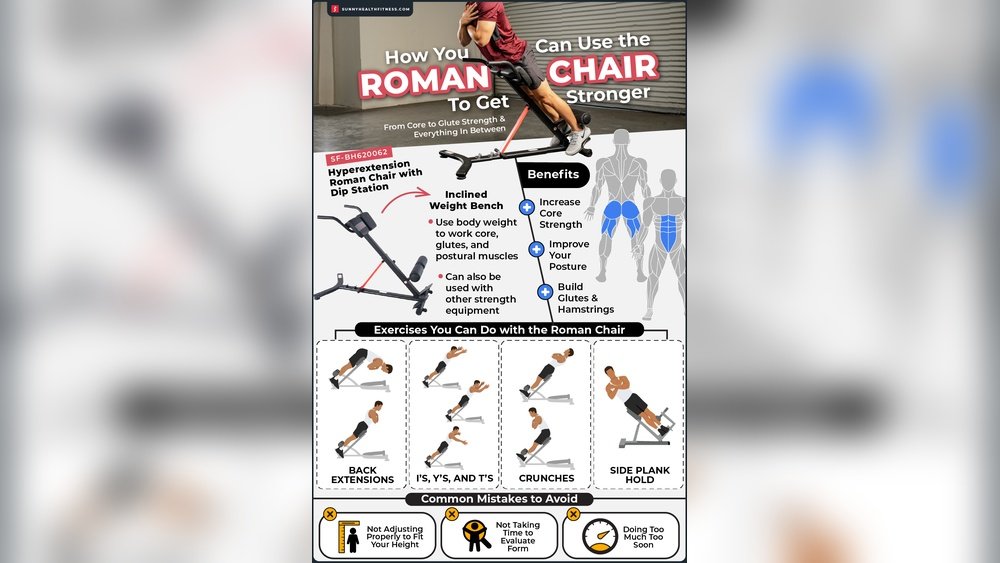
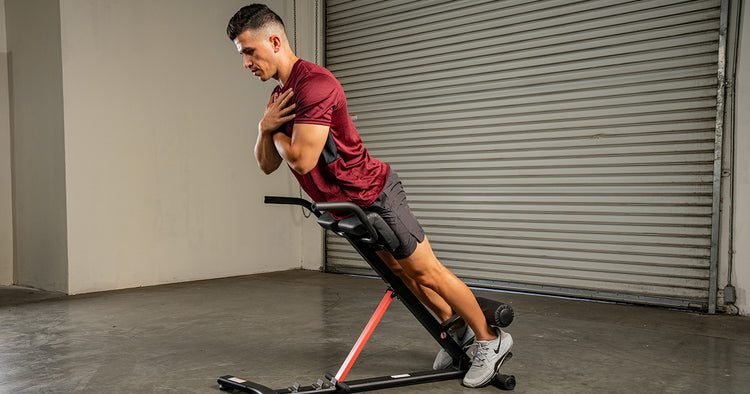
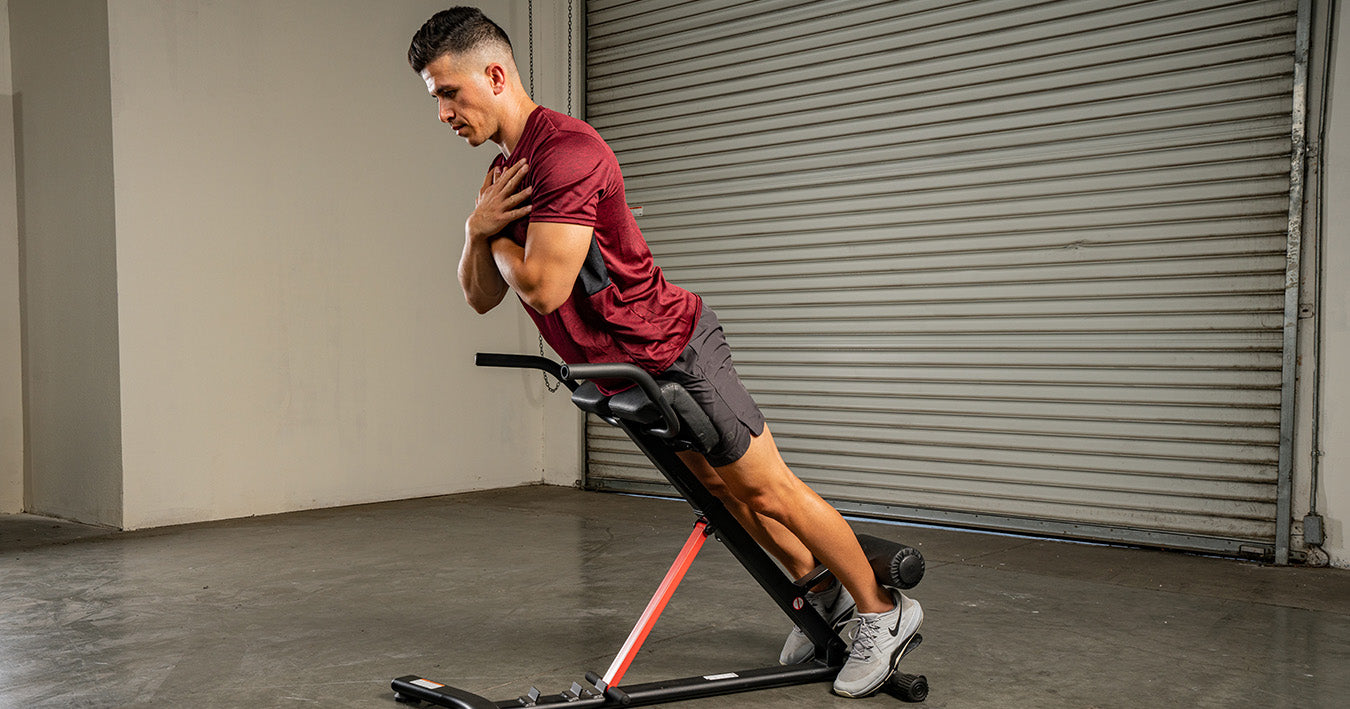
The Roman chair has a simple but strong design. It usually has a padded bench where you lie face down. There are adjustable supports for your hips and feet. These supports keep your body steady during exercises. The design helps you bend and extend your back safely. This allows for controlled movement and better muscle engagement.
Primary Muscle Focus
The Roman chair mainly works the lower back muscles. It also targets the glutes and hamstrings effectively. When you extend your body up, these muscles contract to lift your torso. This action strengthens and tones these areas. The exercise improves posture and reduces the risk of injury. It is a good choice for building core and lower body strength.
Glute Activation During Exercises
Glute activation is important for strong hips and better movement. During exercise, the glutes help stabilize and move the body. Activating these muscles correctly can improve strength and reduce injury risk. Roman chairs can target the glutes, but how well they activate these muscles depends on the movement and form.
Movement Patterns Engaging Glutes
Roman chair exercises usually involve bending at the hips and extending the back. This motion can engage the glute muscles, especially the gluteus maximus. The glutes work to extend the hips as you lift your upper body. Proper form is key to targeting the glutes instead of the lower back. Leaning too far forward or using momentum reduces glute activation. Controlled, slow movements increase muscle engagement. Adding slight hip extension focus helps activate the glutes more.
Muscle Engagement Levels
Studies show that the glute muscles activate moderately during Roman chair exercises. The hamstrings often share the load, assisting in hip extension. The level of glute activation varies with exercise angle and technique. Keeping the spine neutral and focusing on hip movement improves activation. Using the Roman chair alone may not maximize glute work. Combining it with other glute-focused exercises yields better results. Monitoring muscle feeling during the exercise helps ensure proper activation.
Hamstring Recruitment
Hamstring recruitment is key for exercises using the Roman chair. The hamstrings help bend the knees and extend the hips. Activating these muscles correctly improves strength and balance. This section explains how the hamstrings work during Roman chair exercises and compares their effectiveness to other moves.
Role In Roman Chair Exercises
The Roman chair targets the hamstrings mainly through hip extension. As you lean forward and lift your torso, the hamstrings engage to control the movement. They also stabilize your hips to keep balance. This muscle action helps strengthen the hamstrings over time. The exercise mainly focuses on the lower body and core connection.
Hamstrings work together with glutes during the exercise. The glutes help extend hips, while hamstrings assist in controlling movement. This teamwork improves muscle endurance and power. Proper form is important to maximize hamstring activation and avoid injury.
Effectiveness Compared To Other Movements
Roman chair exercises recruit hamstrings but not as much as some other moves. Deadlifts and leg curls isolate the hamstrings more directly. These exercises create higher tension in the muscle fibers. Roman chair moves provide moderate hamstring activation along with core work.
Roman chair exercises add variety to hamstring training. They improve strength with less strain on joints. This makes them useful for beginners or those rehabbing injuries. Using Roman chairs with other hamstring exercises can give balanced muscle development.
Scientific Evidence And Studies
Scientific studies provide clear insights into how Roman chairs affect muscles. Research helps us understand if these exercises really target the glutes and hamstrings. This section reviews key scientific findings and muscle activity data.
Emg Analysis Results
Electromyography (EMG) measures muscle activity during exercises. Studies show Roman chair exercises activate the hamstrings strongly. The glute muscles also engage, but less intensely than hamstrings. EMG readings confirm the hamstrings work hard during back extensions. Glute activation varies depending on exercise form and angle. Proper technique increases glute muscle involvement. EMG helps identify which muscles get the most workout.
Comparative Research Findings
Research compares Roman chairs with other hamstring and glute exercises. Some studies find Romanian deadlifts activate glutes more than Roman chairs. Nordic hamstring curls show greater hamstring activation than Roman chairs. Roman chairs still provide good muscle engagement for beginners. The equipment allows controlled movement for safety and focus. Research suggests combining exercises for balanced glute and hamstring training. Variety in workouts leads to better muscle development.
Common Exercise Variations
Roman chairs offer different ways to target your glutes and hamstrings. You can try several exercise variations. Each one works these muscles in a slightly different way. This variety helps keep your workouts effective and interesting. Here are some common exercises done on or with a Roman chair.
Back Extensions
Back extensions focus mainly on your lower back muscles. You also use your glutes and hamstrings to support the movement. This exercise involves bending forward and lifting your upper body back up. It improves strength and posture. It is easy to do and good for beginners.
Reverse Hypers
Reverse hypers target your glutes and hamstrings more directly. You lie face down and lift your legs behind you. This movement helps strengthen the hips and lower back. It reduces pressure on the spine. This variation is excellent for building muscle and improving stability.
Glute-ham Raises
Glute-ham raises are tough but very effective. They focus strongly on the hamstrings and glutes. You start kneeling and lower your body down slowly. Then, you pull yourself back up using your leg muscles. This exercise builds strength and control. It is popular among athletes and serious lifters.

Proper Form For Maximum Activation
Proper form is crucial to target the glutes and hamstrings with Roman chairs. Without correct posture, these muscles may not work enough. Good form helps avoid injury and get the most from each movement. Focus on body position and controlled motion to activate the right muscles.
Body Positioning Tips
Start by adjusting the Roman chair to fit your height. Your hips should rest on the pad comfortably. Keep your back straight and your core tight. Bend at the hips, not the lower back. Lower your upper body slowly and stop before you feel strain. Use your glutes and hamstrings to lift back up. Keep your movements smooth and steady.
Common Mistakes To Avoid
Avoid arching your lower back during the exercise. Do not let your hips drop off the pad. Avoid jerky or fast movements that reduce muscle tension. Do not use your arms or momentum to pull yourself up. Avoid locking your knees; keep a slight bend. These mistakes reduce muscle activation and increase injury risk.
Incorporating Roman Chair Into Workouts
Incorporating the Roman chair into your workout can help strengthen your glutes and hamstrings. This tool allows you to perform targeted exercises that build muscle and improve flexibility. Regular use of the Roman chair can enhance your lower body strength and support better posture.
Using the Roman chair is simple, but consistency is key. Combining it with other exercises increases its effectiveness. It fits well in various training plans, from beginner to advanced levels.
Sample Training Routines
Start with basic Roman chair back extensions to warm up your muscles. Perform 3 sets of 10 to 15 reps with proper form. Then, add hip extensions to focus more on your glutes. Try 3 sets of 12 reps to build strength gradually.
For hamstrings, include Nordic hamstring curls on the Roman chair. Do 3 sets of 8 to 10 reps, resting between sets. Finish your routine with planks or side planks for core stability. This combination supports overall balance and muscle control.
Complementary Exercises
Pair the Roman chair with squats to target glutes and legs deeply. Bodyweight or weighted squats both work well. Lunges are also great to improve muscle symmetry and balance. Add 3 sets of 10 reps per leg for better results.
Deadlifts complement Roman chair work by engaging hamstrings strongly. Use light weights to focus on form and avoid injury. Glute bridges help activate your glute muscles further. These exercises together create a well-rounded lower body workout.
Limitations And Considerations
Roman chairs can help target the glutes and hamstrings, but there are some limits and things to think about. Not every exercise suits all body types or fitness levels. Knowing these limits helps avoid injury and get better results.
Potential Injury Risks
Roman chairs put stress on your lower back and hamstrings. Poor form can cause strains or pain. Overuse may lead to muscle soreness or injury. Avoid sudden or jerky movements. Always warm up before using the Roman chair. Stop if you feel sharp pain or discomfort.
Suitability For Different Fitness Levels
Beginners may find Roman chair exercises hard at first. These moves need good balance and strength. Start with easier exercises to build core and leg strength. Advanced users can increase difficulty with more reps or added weights. Always listen to your body and progress slowly.
Frequently Asked Questions
Can Roman Chairs Strengthen Glutes Effectively?
Yes, Roman chairs can strengthen glutes by targeting hip extension. Proper form activates glute muscles well. Consistent use improves glute strength and tone effectively.
Do Roman Chairs Target Hamstrings Well?
Roman chairs engage hamstrings during back extension exercises. They provide moderate hamstring activation, especially when combined with proper technique. They help build hamstring strength and endurance over time.
Are Roman Chairs Better Than Other Glute Exercises?
Roman chairs offer unique benefits by combining core and posterior chain work. However, combining them with squats or deadlifts yields better overall glute development. They are effective but not superior alone.
How To Maximize Glute And Hamstring Activation?
Focus on slow, controlled movements and full range of motion. Maintain proper posture and avoid hyperextending the lower back. Adjust foot placement to increase hamstring or glute focus during exercises.
Conclusion
Roman chairs can help work your glutes and hamstrings well. They focus on these muscles through controlled movements. Using the right form is key to avoid injury. Consistency in workouts will improve muscle strength over time. Combine Roman chair exercises with other leg workouts for best results.
This approach helps build balanced and strong lower body muscles. Keep your sessions steady and listen to your body’s limits. Simple, regular use of Roman chairs can support your fitness goals effectively.
