
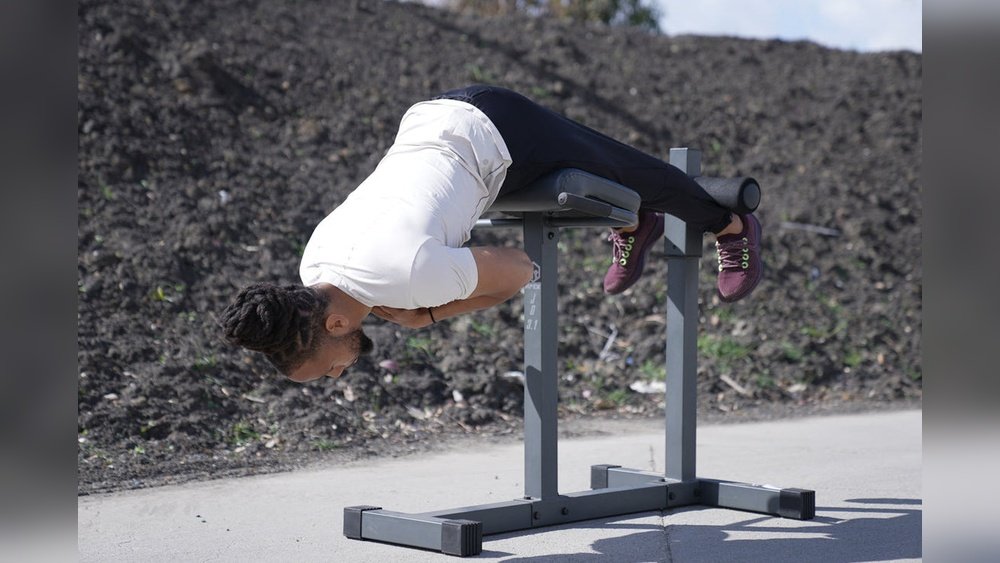
Are you looking for a simple way to boost your athletic performance? The Roman chair might be the secret tool you’ve been missing.
This often-overlooked piece of equipment can target key muscles that play a big role in strength, balance, and endurance. Imagine improving your speed, power, and stability just by adding a few exercises to your routine. Curious how this works and if it’s right for you?
Keep reading to discover how Roman chairs could take your athletic game to the next level.
Benefits Of Roman Chair Exercises
Roman chair exercises offer several benefits for athletes. They target key muscle groups that enhance overall performance. Regular use helps build strength, stability, and mobility. These improvements support better movement and reduce injury risks.
Core Strength And Stability
Roman chair exercises focus on the core muscles. A strong core improves balance and body control. This strength helps athletes perform better in many sports. Core stability also protects the spine during intense activities.
Lower Back Conditioning
These exercises strengthen the lower back muscles. A strong lower back supports heavy lifting and running. It reduces pain and prevents injuries in this area. Better lower back conditioning improves posture and endurance.
Enhanced Hip Flexor Mobility
Roman chair workouts stretch and strengthen hip flexors. Flexible hip flexors allow smoother leg movements. This mobility helps with running, jumping, and quick direction changes. Improved hip flexors increase overall athletic agility.
Key Movements On The Roman Chair
The Roman chair is a simple tool for strengthening your core and lower back. It helps target key muscles that support athletic movements. Understanding the main exercises on the Roman chair can show how it aids performance.
These key movements focus on different muscle groups. Each move builds strength and stability. They improve posture, balance, and power.
Back Extensions
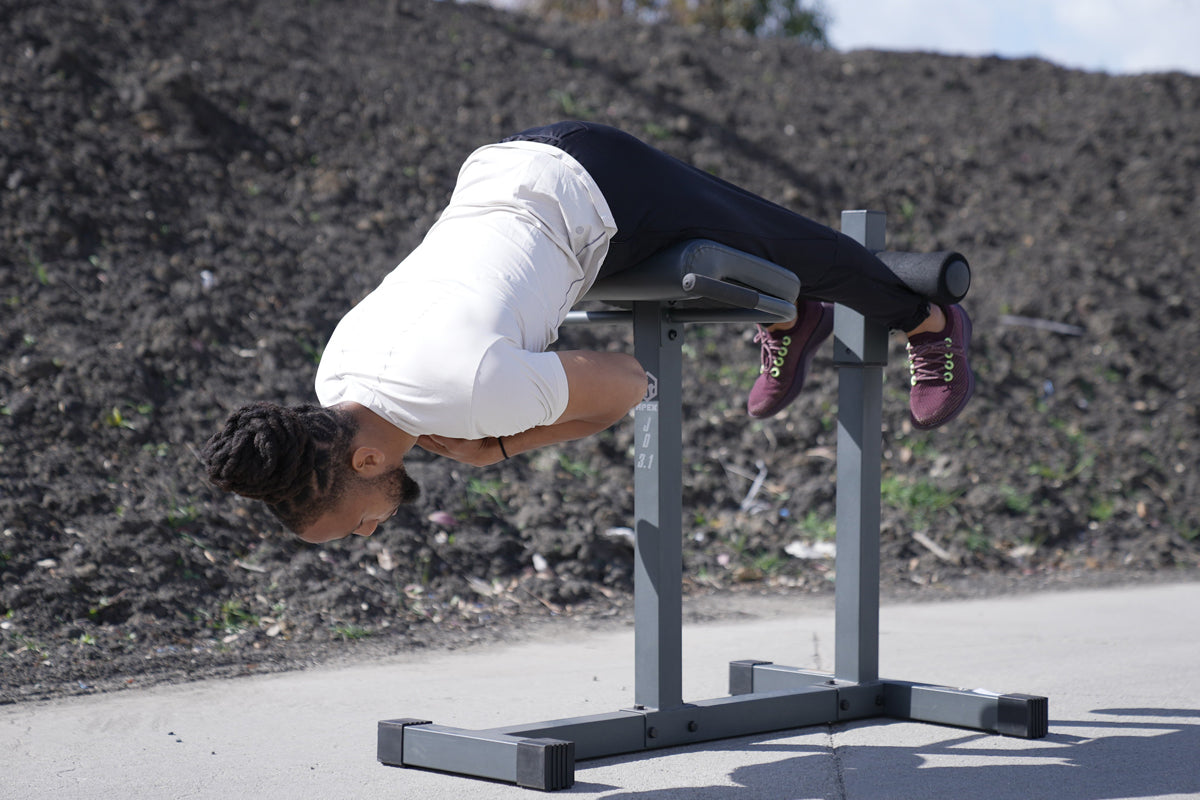
Back extensions are the most common exercise on the Roman chair. You lie face down and lift your upper body up. This move strengthens your lower back muscles. Stronger lower back helps with running, jumping, and lifting weights. It also reduces the risk of injury during sports.
Side Bends
Side bends target the muscles on the sides of your waist. You bend sideways while keeping your hips steady. These muscles help with twisting and turning motions. Side bends improve balance and core stability. This is useful for sports that need quick changes in direction.
Leg Raises
Leg raises focus on your lower abdominal muscles. You lift your legs while hanging or lying on the Roman chair. This move builds core strength and control. A strong core helps with sprinting and maintaining good posture. It also supports your back during heavy lifts.
Impact On Athletic Performance
Roman chairs target key muscles that support athletic activities. Strengthening these muscles can help improve how athletes perform in various sports. This impact shows in posture, injury resistance, and physical power.
Using Roman chairs regularly builds core and lower back strength. These areas are vital for balance and endurance in athletes. The next sections explain how this tool benefits athletic performance.
Improved Posture And Balance
Roman chairs strengthen the lower back and abdominal muscles. Strong core muscles help keep the body upright and stable. Good posture improves movement efficiency and reduces fatigue. Better balance helps athletes stay steady during fast or complex moves.
Injury Prevention
Strong muscles protect joints and ligaments from strain. Roman chairs improve muscle control around the spine and hips. This control lowers the risk of common sports injuries. Athletes with a strong core recover faster and experience fewer strains.
Boosted Power And Endurance
Training on Roman chairs increases muscle strength in key areas. Stronger muscles generate more power for jumps, sprints, and lifts. Endurance improves because muscles resist fatigue longer. This leads to better performance over the full duration of competition.
Incorporating Roman Chair Into Training
Adding the Roman chair to your workout can build strong muscles. It targets the lower back, glutes, and hamstrings. These muscles support many athletic moves. Using the Roman chair can improve balance and power. This helps athletes perform better in sports.
To get the best results, you need to use the Roman chair correctly. This means choosing the right frequency, mixing it with other exercises, and changing your routine over time.
Exercise Frequency And Volume
Start with two to three sessions per week. Each session can include two to three sets of exercises. Keep each set between 10 and 15 repetitions. Rest well between sets to avoid fatigue. This helps muscles recover and grow stronger.
Combining With Other Workouts
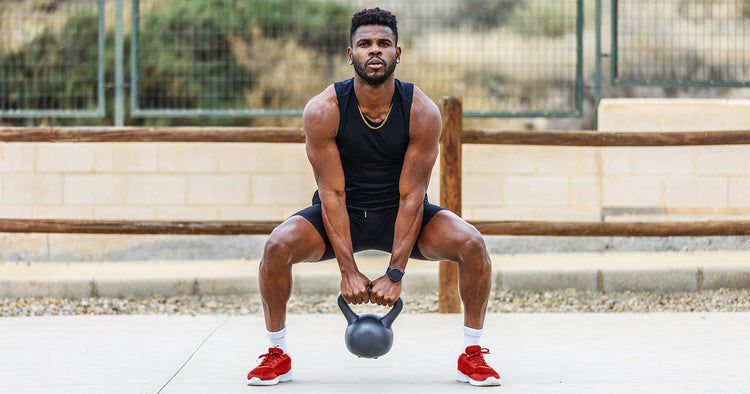
Use the Roman chair with core and leg exercises. It works well with planks, squats, and lunges. This combination strengthens the whole body. It also improves stability and endurance. Mixing exercises prevents boredom and keeps training fresh.
Progression And Variation
Increase difficulty slowly. Add more sets or repetitions over weeks. Try holding positions longer or using weights. Change angles or add twists to target different muscles. Variation stops plateaus and keeps progress steady.
Common Mistakes To Avoid
Roman chairs can boost athletic performance when used correctly. Avoiding common mistakes ensures safe and effective workouts. Here are some key errors to watch out for.
Poor Form And Alignment
Maintaining proper form is essential. Incorrect posture puts stress on your lower back. Keep your spine straight and core tight. Avoid overextending or bending too far. Proper alignment reduces injury risk and improves results.
Overtraining Risks
Using Roman chairs too often can lead to fatigue. Overtraining causes muscle soreness and weakens your body. Limit sessions to two or three times weekly. Rest days help muscles repair and grow stronger. Balance is important for steady progress.
Neglecting Warm-up And Cool-down
Skipping warm-up increases injury chances. Start with light cardio or stretching before exercises. Cool-down helps muscles relax and reduces soreness. Include gentle stretches after using the Roman chair. This keeps your body healthy and ready for the next workout.

Frequently Asked Questions
What Muscles Do Roman Chairs Primarily Target?
Roman chairs mainly target the lower back, glutes, and hamstrings. They also engage the core and hip muscles for stability and strength.
Can Roman Chairs Enhance Core Stability For Athletes?
Yes, Roman chairs improve core stability by strengthening the lower back and abdominal muscles, which are crucial for athletic performance and injury prevention.
How Often Should Athletes Use Roman Chairs For Best Results?
Athletes should use Roman chairs 2-3 times weekly, allowing rest days for muscle recovery and optimal strength gains.
Are Roman Chairs Safe For All Fitness Levels?
Roman chairs can be safe with proper form and guidance. Beginners should start slowly and consider professional supervision to avoid injury.
Conclusion
Roman chairs help strengthen your core and lower back muscles. Strong muscles improve balance and stability in many sports. They also reduce the risk of injuries during physical activities. Using this tool regularly can build endurance and muscle control. Keep proper form to avoid strain or pain.
Combine Roman chair exercises with other workouts for best results. Small steps lead to better athletic performance over time. Consistency matters more than intensity. Try adding Roman chair moves to your routine and see the difference. Simple, steady effort pays off.
