
Are you struggling with sharp, nagging sciatic pain that won’t go away? You’re not alone, and finding relief can feel like a constant battle.
But what if a simple piece of exercise equipment, like a Roman chair, could help ease that discomfort? You might be wondering if it’s worth trying or if it could even make things worse. You’ll discover how Roman chairs work, whether they’re safe for your sciatica, and how to use them effectively to support your recovery.
Keep reading to find out if this could be the key to freeing yourself from sciatic pain.
Roman Chair Basics
The Roman chair is a popular piece of equipment in gyms and homes. It helps strengthen your lower back, glutes, and hamstrings. Understanding its basics can help you decide if it suits your needs, especially for sciatic pain relief.
This section explains the design and purpose of the Roman chair. It also covers common exercises you can do with it.
Design And Purpose
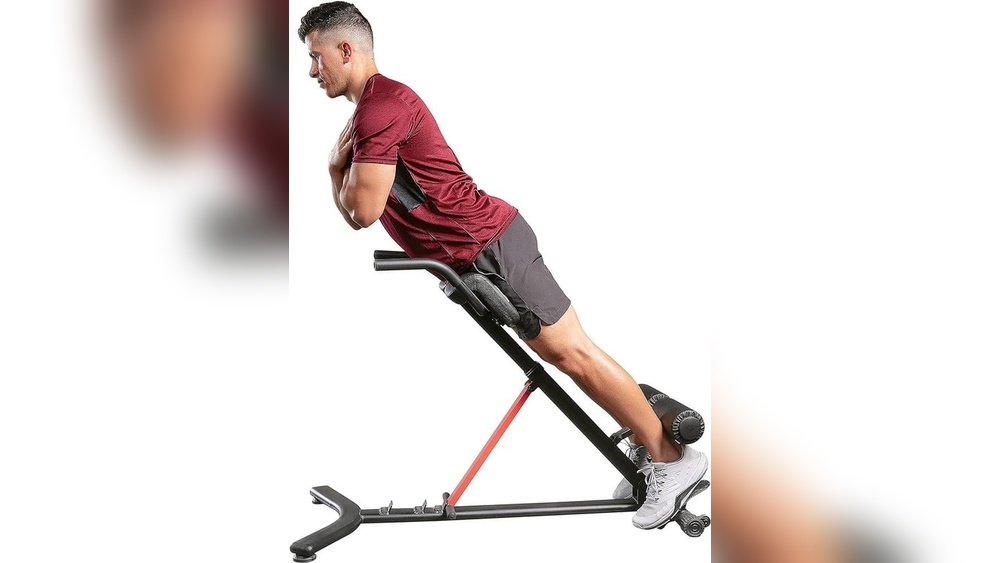
The Roman chair has a padded seat and leg supports. It holds your body steady during exercises. Its design targets the lower back and core muscles. These muscles support your spine and hips. Strengthening them may reduce sciatic pain.
The chair allows you to perform controlled movements. This helps improve posture and muscle endurance. It is simple but effective for back and core training.
Common Exercises
Back extensions are the most common Roman chair exercise. You lie face down and bend at the waist. Then, you raise your upper body slowly. This move strengthens lower back muscles.
Side bends focus on the oblique muscles. You stand sideways on the chair and bend your torso. This helps improve core stability.
Leg raises target hip flexors and lower abs. You hold onto the chair and lift your legs. This exercise supports pelvic alignment and reduces pressure on the sciatic nerve.

Sciatic Pain Causes
Sciatic pain can be sharp and hard to ignore. It often starts in the lower back and travels down the leg. Understanding what causes this pain helps in managing it better. Sciatic pain has many causes, but nerve compression and muscle imbalances are the most common.
Nerve Compression
Nerve compression happens when the sciatic nerve is pinched. This can occur due to a herniated disc or bone spurs. The pressure on the nerve causes pain, numbness, or tingling. Sitting for long hours or sudden injury can increase nerve compression. Reducing this pressure can help ease the pain.
Muscle Imbalances
Muscle imbalances occur when some muscles are stronger or tighter than others. This can pull the spine out of alignment and irritate the sciatic nerve. Weak core muscles or tight hamstrings often cause this problem. Stretching and strengthening the right muscles can reduce sciatic pain. Balanced muscles support the spine and relieve nerve pressure.
Benefits Of Roman Chairs For Sciatica
Roman chairs offer several benefits that may help ease sciatica symptoms. They focus on strengthening muscles and improving the spine’s health. Using a Roman chair can support recovery and reduce pain in the lower back and legs.
These exercises target key areas linked to sciatica. Strong muscles and good posture can lessen nerve pressure. The Roman chair helps in safe and controlled movements.
Core Strengthening
The Roman chair targets core muscles around the abdomen and lower back. A strong core supports the spine better. This reduces strain on the sciatic nerve. Core strength helps with balance and stability during daily activities. Regular use can build endurance and reduce pain episodes.
Improved Posture
Using the Roman chair encourages proper posture. Good posture reduces pressure on the lower back. It helps keep the spine in a healthy position. Slouching or poor posture can worsen sciatica pain. The chair trains muscles to hold the body upright naturally.
Spinal Alignment
The Roman chair promotes proper spinal alignment. Correct alignment can relieve nerve compression. It supports the natural curve of the lower back. Spinal alignment reduces tension in muscles and ligaments. This eases discomfort and improves mobility over time.
Safe Use Of Roman Chairs
Using a Roman chair can help with sciatic pain but only if used safely. Improper use may cause more harm than good. Follow simple rules to protect your back and reduce pain. Safety is key for any exercise tool, especially with sciatic pain.
Proper Form
Stand or sit on the Roman chair with your hips aligned. Keep your back straight and core tight. Avoid arching your lower back too much. Move slowly and control every motion. Stop if you feel sharp pain or discomfort. Proper form helps target the right muscles safely.
Avoiding Overstrain
Start with short sessions to avoid muscle strain. Use only your body weight at first, no extra weights. Rest between sets to let muscles recover. Do not push through pain; it signals a problem. Gradually increase time and effort as your strength grows. Overdoing it can worsen sciatic symptoms.
Complementary Relief Techniques
Complementary relief techniques can support the use of Roman chairs for sciatic pain. These methods help reduce discomfort and improve mobility. Combining different approaches often leads to better results. Here are some effective options to consider.
Stretching Exercises
Stretching helps ease muscle tightness around the sciatic nerve. Gentle moves increase blood flow and reduce nerve pressure. Simple stretches target the lower back, hips, and legs. Regular practice can improve flexibility and lessen pain. Always stretch slowly and avoid forcing your body.
Heat And Cold Therapy
Heat therapy relaxes muscles and improves circulation. Use a warm towel or heating pad for 15-20 minutes. Cold therapy reduces inflammation and numbs sore areas. Apply an ice pack wrapped in cloth for 10-15 minutes. Alternating heat and cold can provide balanced relief.
Physical Therapy Options
Physical therapy offers guided exercises tailored to your needs. Therapists focus on strengthening and stabilizing the lower back. They teach proper posture and body mechanics. This approach helps reduce sciatic nerve irritation. Therapy sessions create a safe space to heal and learn.
When To Avoid Roman Chairs
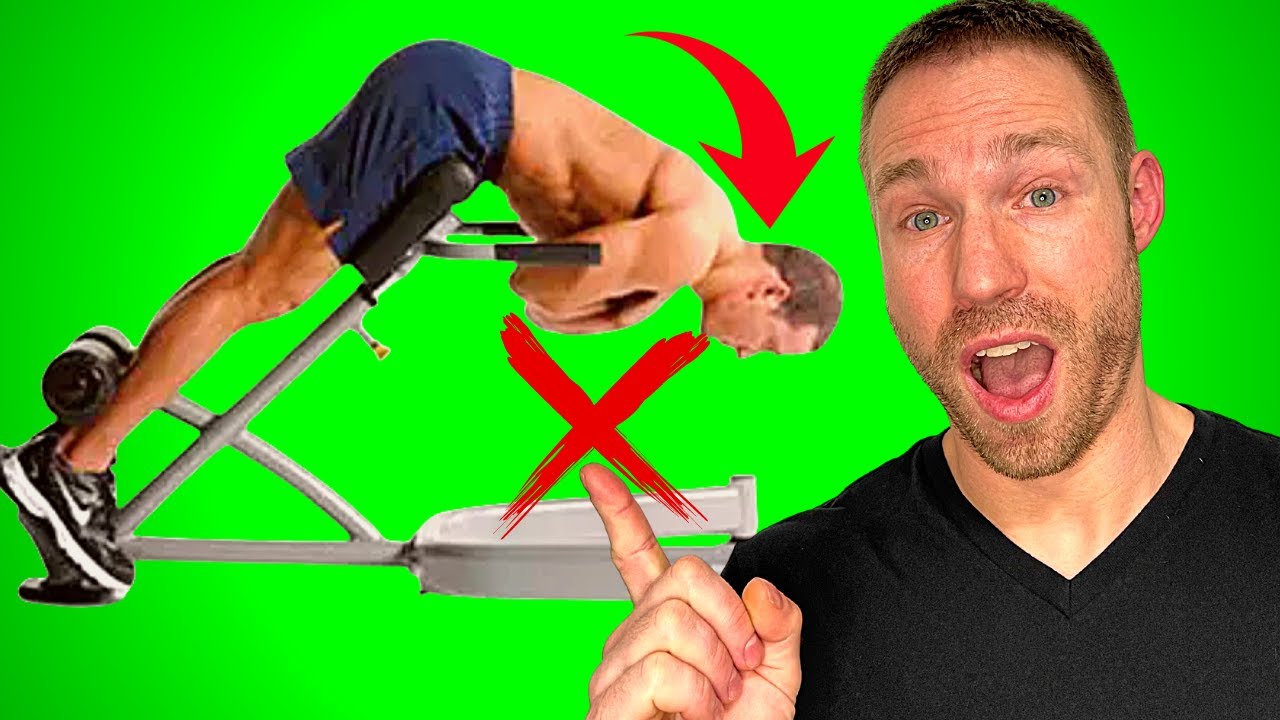
Roman chairs offer strong support and can help ease some back problems. But they are not right for everyone. Certain situations call for caution or avoiding their use. Understanding when to avoid Roman chairs can protect your health and prevent more pain.
Severe Pain Cases
Do not use Roman chairs if your sciatic pain is very strong. Severe pain can mean a serious problem. Using Roman chairs might make the pain worse or cause injury. Rest and see a doctor before trying any exercise with a Roman chair.
Underlying Medical Conditions
People with certain health issues should avoid Roman chairs. Conditions like herniated discs, spinal stenosis, or osteoporosis increase risk. These conditions make the spine fragile. Using a Roman chair might add pressure and cause damage. Always get medical advice to know what exercises are safe.

Frequently Asked Questions
Can Roman Chairs Relieve Sciatic Nerve Pain?
Roman chairs strengthen core and lower back muscles, which may ease pressure on the sciatic nerve. Proper use can improve posture and reduce sciatic pain, but consult a healthcare professional before starting.
Are Roman Chair Exercises Safe For Sciatica Sufferers?
When done correctly, Roman chair exercises are generally safe. However, improper form can worsen sciatic pain. Always start slowly and seek guidance from a physical therapist or doctor.
How Often Should I Use A Roman Chair For Sciatica?
Using a Roman chair 2-3 times weekly is effective. Consistency helps build strength without overstraining muscles. Listen to your body and avoid exercises that increase pain.
What Other Exercises Complement Roman Chair For Sciatica?
Stretching hamstrings, piriformis, and lower back muscles complements Roman chair workouts. Low-impact activities like walking and swimming also support sciatic pain relief. Combine exercises for best results.
Conclusion
Roman chairs can support your lower back and core muscles well. Strengthening these areas may ease pressure on the sciatic nerve. Start slowly and watch how your body feels during exercises. Consistency matters more than speed or intensity here. Pair these moves with good posture and gentle stretches.
Always check with a healthcare expert before trying new workouts. Remember, managing sciatic pain often needs patience and care. Small steps add up to better comfort and mobility over time.
