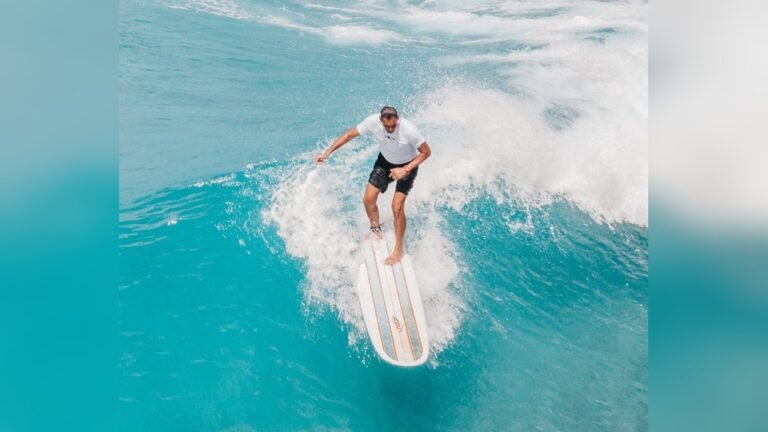
Trying something new as an older adult can feel both exciting and a little scary. Surfing, often seen as a sport for the young and athletic, is gaining popularity among older adults. You might wonder, can you really learn to surf after 50, 60, or even 70?
The answer is a strong yes. Age is not the main barrier—attitude and preparation matter much more. With the right mindset and a few smart choices, older adults can enjoy the thrill of riding waves and discover new energy in life.
Why Older Adults Choose Surfing
Many people over 50 are looking for ways to stay active, challenge themselves, and connect with nature. Surfing offers all these benefits. It is not just about the physical workout; surfing also helps you relax and clear your mind. The ocean brings a sense of freedom you don’t find in a gym.
Older beginners often pick up surfing because:
- They want a fun way to exercise.
- They seek new adventures after retirement.
- Their kids or grandkids surf, and they want to join in.
- They love the ocean and want a reason to spend more time outdoors.
Surfing builds strength, balance, and endurance. It also improves your mood and helps you meet new friends. Many older surfers say they feel younger and more alive after each session.
What Makes Surfing Unique For Older Adults
Learning to surf in your later years is different from starting as a teenager. Your body needs more warm-up and recovery time. Flexibility and balance become more important. But older learners also have some clear advantages.
Key Advantages For Older Surfers:
- Patience and focus: Older adults tend to listen better to instructions and are less likely to take risks.
- Life experience: Many have learned how to stay calm under pressure, which helps in the ocean.
- Goal setting: Older surfers often set realistic, personal goals rather than trying to impress others.
Common Challenges:
- Joint stiffness: Knees, hips, and shoulders may feel tight.
- Slower recovery: Muscles take longer to heal after exercise.
- Fear of injury: Older adults often worry more about falling or getting hurt.
The good news is, these challenges can be managed with the right approach.
How To Get Started: Practical Steps
If you are thinking about learning to surf as an older adult, start with careful preparation. Here’s a roadmap to set yourself up for success.
- Check your health: Visit your doctor before you begin. Make sure you are fit for activity in the ocean. Discuss any heart, back, or joint issues.
- Get fit on land: Improve your strength, balance, and flexibility. Activities like swimming, yoga, or Pilates help your body get ready for paddling and standing up on a board.
- Choose the right equipment: Use a large, stable surfboard (often called a “soft top” or foam board). These are easier to balance on and safer if you fall.
- Take a lesson: Book a beginner lesson with a certified instructor. They can teach you safety, basic techniques, and how to read the waves.
- Start small: Begin in gentle, shallow water with small waves. Focus on learning to paddle, balance, and pop up on the board.
Practical Tip: Practice The “pop-up” On Land Before You Ever Get In The Water. This Movement (going From Lying Down To Standing On The Board) Is The Trickiest Part For Many Older Adults.
Physical And Mental Benefits
Surfing is a full-body workout. It builds core strength, improves balance, and works your arms, back, and legs. But the benefits go beyond muscles.
Physical Benefits:
- Cardio health: Paddling gets your heart rate up.
- Joint mobility: Moving in different ways keeps joints flexible.
- Better balance: Standing on an unstable surface trains your balance.
- Weight management: Surfing burns calories and can help control weight.
Mental And Emotional Benefits:
- Stress relief: The sound of waves and fresh air relax your mind.
- Confidence: Learning a new skill at any age boosts self-esteem.
- Social connection: Surfing with others builds friendships.
A study published in the *Journal of Aging and Physical Activity* found that older adults who took up new sports like surfing reported higher life satisfaction and lower levels of stress.

Safety Tips For Older Surf Beginners
Safety is the most important part of learning to surf, especially as an older adult. The ocean is powerful and unpredictable, so take these extra steps to stay safe.
- Never surf alone: Always go with a buddy or in a group.
- Know your limits: Don’t push yourself too hard. Listen to your body.
- Wear a wetsuit: This keeps you warm and protects your skin.
- Use sunscreen: The sun reflects off the water and can burn you quickly.
- Learn ocean safety: Understand rip currents, tides, and local surf conditions.
- Warm up and stretch: Spend at least 10 minutes warming up before you surf.
- Stay hydrated: Bring water and take breaks.
A Quick Safety Comparison For Older And Younger Beginners:
| Safety Factor | Older Adults | Younger Adults |
|---|---|---|
| Flexibility Needs | High | Medium |
| Risk of Injury | Moderate to High | Low to Moderate |
| Recovery Time | Longer | Shorter |
| Ideal Wave Size | Small | Small to Medium |
Choosing The Right Gear
The right equipment can make a huge difference for older beginners. A good board and the right accessories will help you learn faster and stay safe.
Board Selection
- Longboard (8-10 feet): Easier to balance, more stable, and ideal for small waves.
- Foam board: Softer and safer for falls. Many surf schools use these for all ages.
Wetsuit
- Full wetsuit (3/2mm or 4/3mm): Keeps you warm in cool water and protects against scrapes.
- Rash guard: For warm water, protects your skin from sun and board rash.
Accessories
- Leash: Keeps your board attached to your ankle.
- Surf wax: Prevents slipping on the board.
- Ear plugs: Protects against “surfer’s ear” in cold water.
A simple board and basic gear are all you need to start. You can always upgrade as you improve.
Common Mistakes And How To Avoid Them
Even motivated older adults can make mistakes when learning to surf. Here are common errors—and how to fix them.
- Skipping warm-up: Cold muscles are more likely to get injured. Always stretch and warm up first.
- Choosing the wrong board: Small, thin boards are hard to balance. Use a big foam board.
- Trying big waves too soon: Start small. Confidence grows with easy waves.
- Ignoring local advice: Every beach is different. Ask lifeguards or locals about safe spots.
- Poor paddling technique: Use long, smooth strokes, and keep your head up.
- Standing up too quickly: Take your time. Practice the pop-up movement on land.
Simple Troubleshooting Guide:
| Problem | Likely Cause | Solution |
|---|---|---|
| Falling off often | Board too small | Use a bigger board |
| Sore shoulders | Paddling incorrectly | Ask instructor for technique tips |
| Feeling tired quickly | Poor fitness or hydration | Improve fitness, drink water |
| Scared of waves | Too big conditions | Pick smaller, gentle waves |
Real-life Success Stories
Many older adults have learned to surf and found great joy. For example, Patty, age 67, started surfing after retirement. She says, “I was nervous, but with a big board and patient teacher, I was catching small waves in my first week.”
John, age 72, took up surfing to stay close to his active grandchildren. He practices two mornings a week and feels “twenty years younger.”
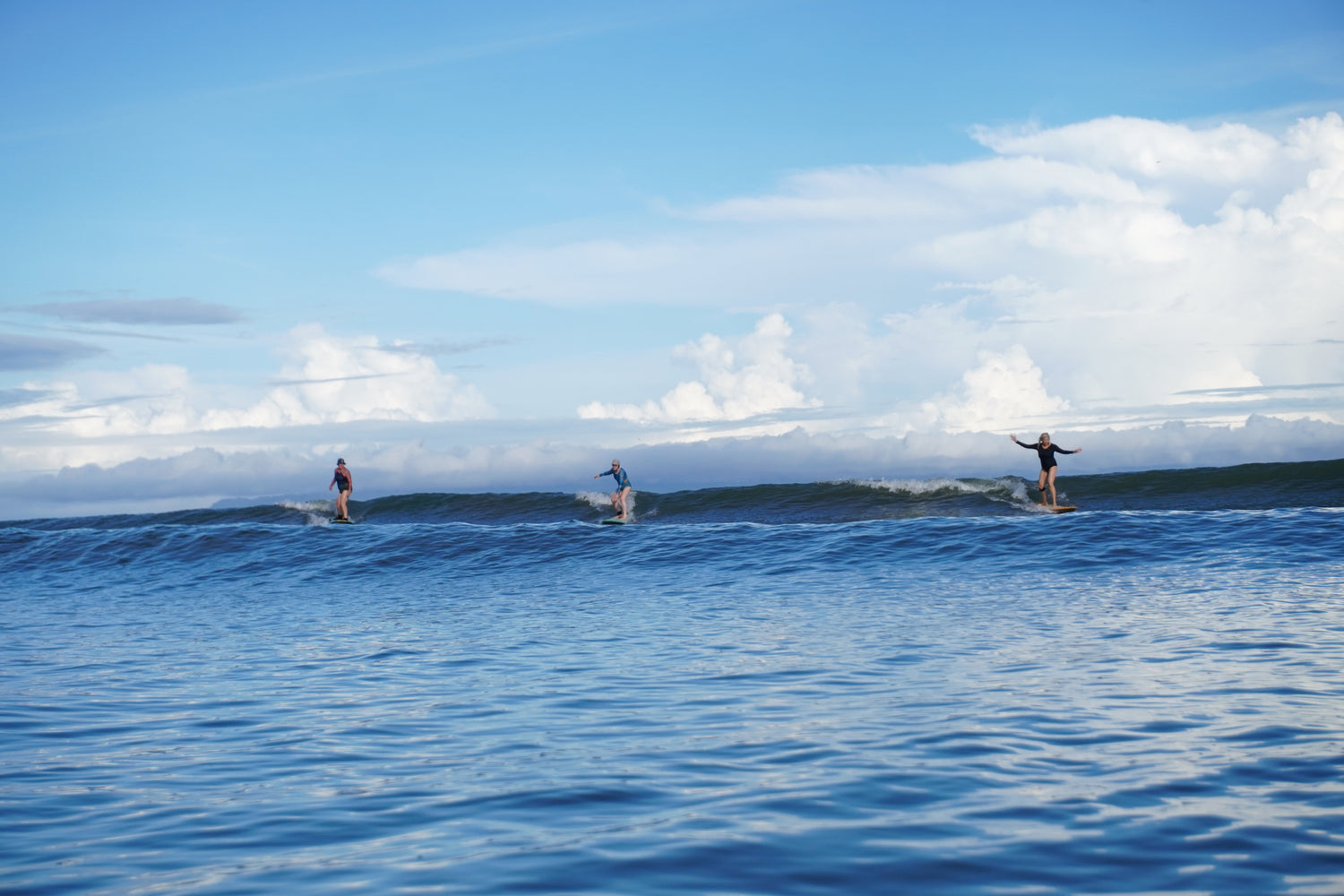
Surf camps in places like California, Hawaii, and Australia now offer classes just for adults over 50. Some groups, like the “Silver Surfers” in Australia, have hundreds of members who started surfing later in life.
How Surfing Can Change Your Life
Surfing is more than just a sport; it’s a lifestyle. For older adults, it can bring new purpose. You wake up excited, plan your week around the tides, and meet like-minded friends. Many older surfers say they feel calmer and more patient in daily life.
Surfing teaches you to adapt, to let go of stress, and to enjoy the present moment.
Some people even find that their other health issues—such as high blood pressure or anxiety—become easier to manage with regular surfing. The mix of physical activity, social connection, and time in nature is powerful.
Comparing Surfing To Other Activities For Older Adults
It’s normal to wonder how surfing stacks up against other sports. Here is a quick comparison:
| Activity | Physical Intensity | Balance Required | Risk Level | Outdoor Experience |
|---|---|---|---|---|
| Surfing | High | High | Medium | Ocean |
| Walking | Low | Low | Low | Park/Neighborhood |
| Swimming | Medium | Medium | Low | Pool/Lake/Sea |
| Cycling | Medium | Medium | Medium | Road/Trail |
| Golf | Low | Low | Low | Course |
Surfing stands out for building balance and core strength. It is also one of the few sports that puts you directly in the ocean, giving you a special connection to nature.

Where To Learn Surfing As An Older Adult
Many surf schools and camps now offer programs for older adults. Look for:
- Certified instructors with experience teaching older beginners.
- Small class sizes for personal attention.
- Gentle surf spots with sandy bottoms and small waves.
- Flexible schedules that allow you to learn at your own pace.
Popular places for older beginners include Southern California, Hawaii, Portugal, and Australia’s Gold Coast. You can also find helpful resources at Wikipedia’s Surfing page.
Frequently Asked Questions
Is It Safe For People Over 60 To Learn Surfing?
Yes, with the right preparation and safety steps. Choose small waves, warm up well, and use a stable board. Always check with your doctor before starting.
Do I Need To Be A Strong Swimmer To Surf?
You should be able to swim confidently in the ocean. Swimming skills help you stay safe if you fall off your board or get caught in a current.
How Long Does It Take To Learn Surfing As An Older Adult?
Most people can stand up and ride small waves after a few lessons. Progress depends on your fitness, attitude, and how often you practice.
What Is The Best Board For Older Beginners?
A long, wide foam board (8-10 feet) is best. It offers stability and makes learning easier and safer.
Are There Surf Groups For Older Adults?
Yes, many places have “Silver Surfers” or similar clubs. These groups offer lessons, social events, and support for older surfers.
No matter your age, learning to surf is possible—and can be life-changing. With patience, the right gear, and a positive outlook, older adults can enjoy the joy and freedom of surfing for years to come.
