Are you looking to target your hamstrings but only have access to a Roman chair? You might be wondering, “Can I use a Roman chair for hamstring curls?”
This question is common among fitness enthusiasts who want to make the most of their equipment. Understanding how to properly use a Roman chair can help you get stronger, prevent injury, and see real results. Keep reading to discover the truth about this versatile piece of gear and how it can fit into your workout routine.

Roman Chair Basics
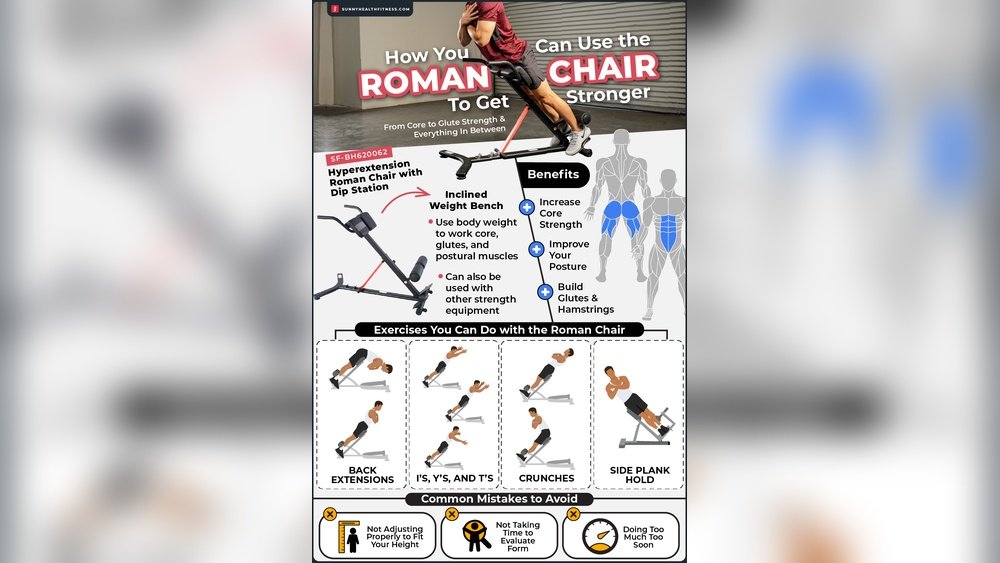
The Roman chair is a simple yet effective fitness tool. It helps strengthen your lower back, glutes, and hamstrings. Many people wonder if it can be used for hamstring curls. To answer this, you first need to understand the basics of the Roman chair.
This equipment has a unique design. It supports your body while you perform various exercises. Knowing its features helps you use it correctly and safely. Let’s explore the design and common exercises of the Roman chair.
Design And Features
The Roman chair has a padded support for your hips or thighs. It usually includes footrests or ankle holders. These keep your legs stable during exercises. Its frame is sturdy, often made of metal. The design allows for body movement while keeping you secure. It is adjustable to fit different body sizes. This ensures comfort and correct posture during workouts.
Common Exercises
People use the Roman chair mainly for back extensions. This exercise targets the lower back and glutes. Side bends are also common to work the obliques. Some use it for sit-ups or crunches for core strength. Hamstring curls, however, are not a typical exercise on this equipment. The Roman chair lacks the mechanism to isolate hamstrings properly. Machines designed for hamstring curls provide better support and resistance. Still, the Roman chair can help strengthen hamstrings indirectly through other moves.
Hamstring Curls Explained
Hamstring curls are a popular exercise for strengthening the muscles at the back of the thigh. They target the hamstrings, which play a key role in bending the knee and moving the leg backward. This exercise helps improve leg strength, balance, and overall athletic performance.
There are different ways to perform hamstring curls. They can be done using machines, resistance bands, or even body weight. Each method offers unique benefits and challenges.
Muscle Focus
The primary muscles worked during hamstring curls are the biceps femoris, semitendinosus, and semimembranosus. These three muscles make up the hamstring group. They work together to flex the knee and extend the hip. Strong hamstrings support knee stability and prevent injuries.
Different Variations
Hamstring curls come in several forms. The lying hamstring curl uses a machine where you lie face down. The seated hamstring curl targets the muscles from a sitting position. Stability ball hamstring curls require balance and core strength. Each variation changes the angle and muscle activation.
Using Roman Chair For Hamstring Curls
The Roman chair is a common piece of gym equipment. It mainly targets the lower back and glutes. But many wonder about using it for hamstring curls. Hamstring curls usually need a machine or bands. Using a Roman chair might seem tricky at first. Yet, with some changes, it can work well for hamstring exercises.
Feasibility And Adaptations
The Roman chair does not have a built-in hamstring curl function. You must adapt your body position to use it effectively. Placing your ankles under the pads helps secure your legs. You can perform hamstring curls by bending your knees while lying face down. This action targets the hamstring muscles at the back of your thighs. Some users add resistance bands to increase difficulty. Bands attach to your ankles and the Roman chair frame. This setup mimics the motion of a hamstring curl machine. It makes the exercise more effective and challenging.
Proper Form And Technique
Good form is key to avoid injury and gain benefits. Keep your hips pressed against the Roman chair pad. Avoid arching your lower back during curls. Move your legs slowly and with control. Do not use momentum to lift your legs. Focus on squeezing your hamstrings at the top of each curl. Lower your legs back to the start position gently. Breathing is important: exhale when curling your legs up. Inhale as you return to the starting position. Practicing proper form ensures hamstrings get the right workout.
Benefits And Limitations
The Roman chair can help with hamstring curls. It offers some clear benefits but also has limits. Knowing both sides helps you choose the best exercise for your goals. Let’s look at the main advantages and potential drawbacks.
Advantages Of Roman Chair Curls
The Roman chair targets your hamstrings well. It works your muscles with good control. You can also strengthen your lower back at the same time. This builds better balance and core strength.
The equipment is simple and often found in gyms. It allows for a wide range of motion. This helps increase muscle flexibility and strength. You can adjust the difficulty by changing your body angle or weight.
Roman chair curls need no heavy machines. This makes it easier to do at home or in small spaces. It also helps improve muscle endurance over time.
Potential Drawbacks
The Roman chair does not isolate hamstrings fully. Other muscles, like the lower back, also take part. This can limit pure hamstring focus.
Some people may find it hard to keep proper form. Poor posture may cause strain or injury. Beginners should learn the correct technique first.
The exercise might not provide enough resistance for advanced lifters. You may need extra weights or other tools. This keeps muscle growth progressing.
Alternative Equipment For Hamstring Curls
Finding the right equipment for hamstring curls helps improve strength and flexibility. Some gyms may not have a Roman chair or the right setup. Luckily, several alternatives target the hamstrings effectively. These options fit different fitness levels and available gear. Exploring machine-based and free weight choices can guide your workout plan.
Machine-based Options
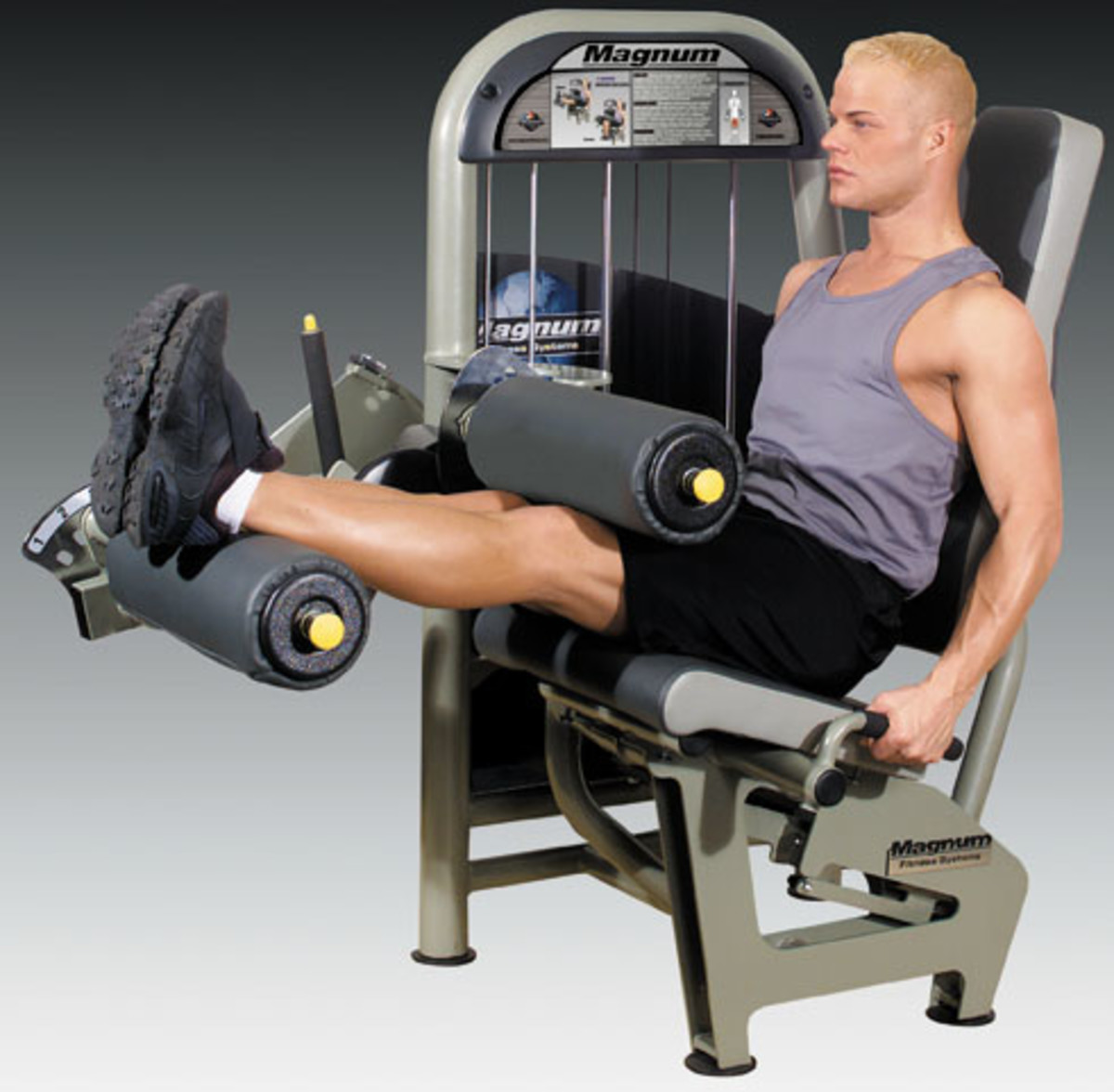
Hamstring curl machines offer controlled motion and support. They isolate the hamstrings well and reduce injury risk. Seated hamstring curl machines allow you to adjust weight easily. Lying hamstring curl machines also focus directly on the back of your legs. These machines help maintain proper form and track progress. They suit beginners and those rehabbing injuries.
Bodyweight And Free Weight Alternatives
Bodyweight exercises like glute bridges and Nordic curls engage hamstrings without machines. These moves build strength using your own body weight. Dumbbells and resistance bands add challenge and variety. Romanian deadlifts with dumbbells target hamstrings and lower back. Stability balls can also support leg curls at home. These options offer flexibility and convenience for hamstring training.
Safety Tips And Common Mistakes
Using a Roman chair for hamstring curls can be helpful, but safety matters most. Many make common mistakes that lead to injury or poor results. Knowing how to stay safe and use the equipment right will improve your workout and protect your body.
Avoiding Injury
Start with a proper warm-up to prepare your muscles. Keep your back straight and avoid arching it during curls. Do not use weights that are too heavy. Move slowly and control each motion. Stop if you feel sharp pain. Use padding on the Roman chair to protect your hips. Always check the equipment for stability before use.
Ensuring Effective Workouts
Focus on slow, steady movements to engage your hamstrings fully. Do not rush through repetitions. Keep your knees aligned and avoid locking them. Breathe regularly, exhaling on effort and inhaling on release. Adjust the Roman chair settings to fit your height. Track your progress and increase intensity gradually. Rest between sets to prevent muscle fatigue.
Integrating Hamstring Curls Into Workout Routines
Integrating hamstring curls into your workout routine helps build strong, flexible legs. These exercises focus on the hamstrings, improving balance and reducing injury risks. Using a Roman chair for hamstring curls targets these muscles effectively. It fits well into various workout plans, whether for beginners or advanced trainers. Consistency and proper form are key to seeing results.
Sample Workout Plans
Start with a simple plan: 3 sets of 10 reps on the Roman chair. Rest for 30 seconds between sets. Combine with squats and lunges for balanced leg training. For more intensity, increase to 4 sets of 12 reps. Add light weights or resistance bands to challenge your muscles. Always warm up before starting your workout.
Frequency And Progression
Train hamstrings 2 to 3 times per week for best results. Allow 48 hours of rest between sessions to recover. Gradually increase reps or sets as you get stronger. Focus on slow, controlled movements to avoid injury. Stop if you feel pain and adjust your form. Progressing steadily helps muscles grow safely and effectively.

Frequently Asked Questions
Can A Roman Chair Target Hamstrings Effectively?
A Roman chair primarily strengthens lower back and glutes. It does not isolate hamstrings well for curls. Specialized hamstring curl machines or exercises like Nordic curls better target hamstrings.
How To Do Hamstring Curls On A Roman Chair?
Roman chairs are not designed for hamstring curls. Instead, use them for back extensions or glute raises. For hamstrings, use dedicated machines or resistance bands for safe, effective curls.
Is A Roman Chair Safe For Hamstring Exercises?
Using a Roman chair for hamstring curls risks improper form and injury. It lacks necessary support for hamstring isolation. Choose equipment designed for hamstring curls to ensure safety and results.
What Muscles Does A Roman Chair Primarily Work?
A Roman chair mainly works lower back muscles, glutes, and hamstrings as secondary. It strengthens the posterior chain but is not ideal for isolated hamstring curls.
Conclusion
A Roman chair can work for hamstring curls but with some limits. It helps target your hamstrings but may not offer full range movement. Using it right reduces injury risk and builds strength. For best results, combine with other hamstring exercises.
Always listen to your body during workouts. Keep your form steady and controlled. This way, you get good benefits without strain. Try different tools to find what fits you best. Stay consistent and patient for stronger hamstrings over time.
