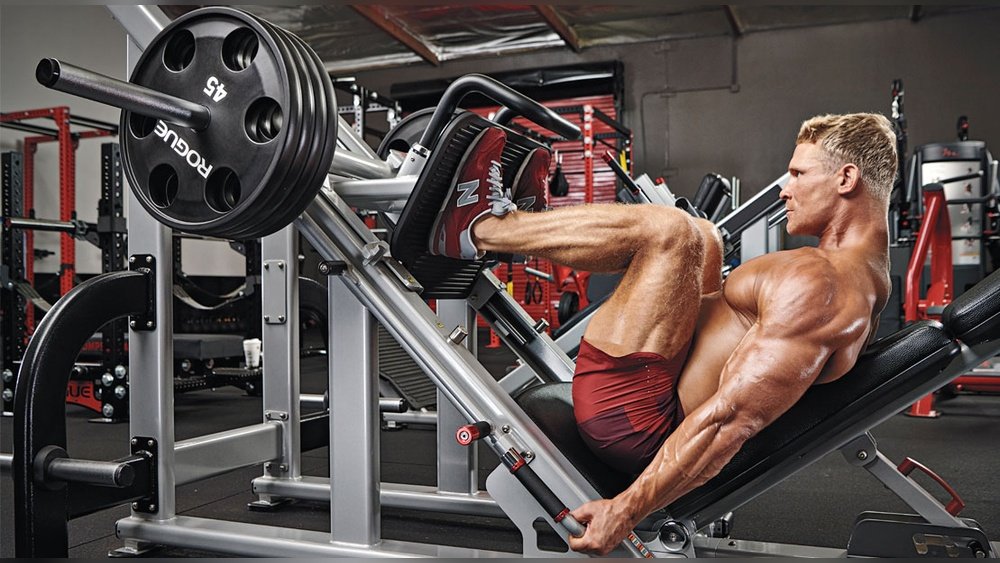
Are you wondering if doing high-rep workouts on a leg press machine is a good idea? Maybe you want to build endurance, tone your legs, or simply try a new approach to your workout.
But is it safe? Will it give you the results you want? You’ll discover the truth about high-rep leg press workouts, how they affect your muscles, and whether they fit into your fitness goals. Keep reading to find out how to make the most of your leg press sessions and avoid common mistakes that could slow your progress.
Benefits Of High-rep Leg Press Workouts
High-rep leg press workouts offer many benefits for your legs and overall fitness. These exercises focus on doing many repetitions with lighter weights. This helps your muscles work longer and recover better. It also supports your joints while building strength safely.
Using the leg press machine for high reps can improve your muscle endurance, blood flow, and joint health. These benefits make it a smart choice for many fitness levels.
Muscle Endurance Boost
High-rep leg press workouts train your muscles to last longer. Your leg muscles learn to perform many movements without getting tired fast. This helps during sports and daily activities that need long-lasting strength. It also improves your ability to recover quickly after exercise.
Improved Blood Flow
Doing many repetitions increases blood circulation in your legs. Better blood flow delivers more oxygen and nutrients to muscle cells. This helps muscles grow stronger and recover faster after workouts. Good circulation also reduces muscle soreness and stiffness.
Joint-friendly Strength Building
High-rep leg presses put less stress on your joints than heavy lifting. This makes it safer for knees and hips, especially for beginners or those with joint pain. You can build strength without risking injury. The controlled movement of the leg press supports joint health while strengthening muscles.

How To Perform High-rep Leg Press Safely
Performing high-rep leg press workouts can build endurance and strength. Safety matters most to prevent injuries. Follow simple steps to protect your knees and back. Proper form helps you get the best results without strain.
Proper Foot Placement
Place your feet shoulder-width apart on the platform. Keep toes slightly pointed out for better balance. Avoid placing feet too high or low to reduce knee stress. Even pressure on both feet keeps muscles working evenly. Good foot placement supports safe knee tracking during each press.
Controlled Movement Speed
Move the platform slowly up and down. Avoid locking your knees at the top position. Control helps muscles stay engaged longer. Quick, jerky moves increase injury risk and reduce workout quality. Smooth, steady reps build strength and protect joints.
Breathing Techniques
Inhale deeply as you lower the weight. Exhale while pushing the platform away. Proper breathing supports muscle effort and oxygen flow. Holding breath can raise blood pressure and cause dizziness. Steady breaths keep you calm and focused throughout the set.
Common Mistakes To Avoid
High-rep workouts on a leg press machine can build endurance and strength. Avoiding common mistakes is key to safe and effective training. These errors can lead to injury or reduce workout benefits.
Overloading Weight
Using too much weight is a frequent error. Heavy loads cause poor form and increase injury risk. Choose a weight that lets you complete many reps with control. Focus on steady, smooth movements rather than lifting maximum weight.
Locking Knees
Locking your knees at the top of the press is dangerous. It puts stress on the joints and can cause damage. Keep a slight bend in your knees throughout the movement. This practice protects your joints and maintains muscle tension.
Neglecting Warm-up
Skipping warm-up exercises can lead to muscle strain. Warm muscles perform better and avoid injury. Start with light leg presses or dynamic stretches before heavy sets. Preparing your body helps improve performance and safety.
Ideal Rep Ranges And Sets
Choosing the right rep range and sets is key for leg press workouts. It affects muscle growth, strength, and endurance. High-rep workouts can build muscle endurance but require careful planning. Low-rep sets focus on strength but may not improve stamina. Understanding the ideal rep range helps reach your workout goals safely and effectively.
Determining Your Rep Range
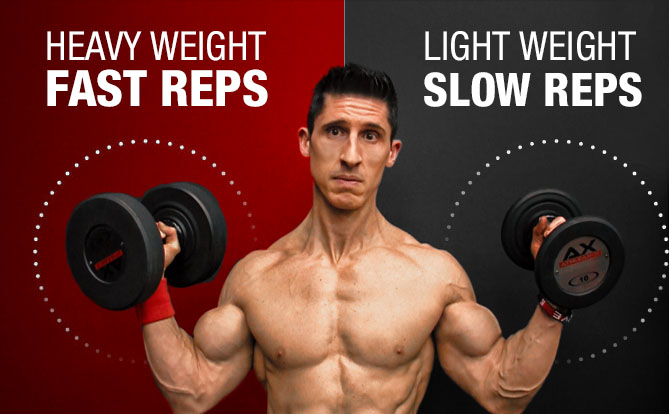
Start by deciding your main goal: strength, size, or endurance. For strength, aim for 4 to 6 reps per set with heavy weight. For muscle size, 8 to 12 reps are best with moderate weight. For endurance, choose 15 to 20 reps or more with lighter weight. Adjust reps based on how your muscles respond.
Balancing Volume And Intensity
Volume means total reps done in a workout. Intensity is the weight lifted. High reps need lighter weight to avoid injury. Low reps use heavier weight to build strength. Balance volume and intensity for muscle growth and recovery. Too much weight at high reps can strain your joints.
Rest Periods Between Sets
Rest time affects your performance in the next set. For strength, rest 2 to 3 minutes between sets. For muscle size, 30 to 90 seconds works well. For endurance, keep rest under 30 seconds to maintain heart rate. Short rests increase workout intensity but may reduce weight lifted.
Combining High-rep Leg Press With Other Exercises
Combining high-rep leg press workouts with other exercises builds stronger legs. It improves muscle balance and helps avoid injury. This mix targets different muscles for better results. Mixing exercises keeps your routine interesting and effective.
Pairing With Squats
Squats work many muscles, including quads, glutes, and core. They complement leg press by adding balance and stability training. Doing squats after leg press challenges muscles in new ways. This helps improve overall leg strength and control.
Integrating Hamstring Work
Hamstrings often get less attention in leg press workouts. Including exercises like leg curls or deadlifts targets these muscles. Strong hamstrings support knee health and improve leg power. Adding hamstring work balances muscle development and reduces injury risk.
Adding Calf Raises
Calf muscles are important for walking and running. Calf raises strengthen these muscles and improve ankle stability. Including calf raises after leg press builds complete lower leg strength. This simple addition enhances overall leg function and endurance.
Who Should Avoid High-rep Leg Press Workouts
High-rep leg press workouts can build endurance and tone muscles. Yet, not everyone should try them. Some people risk injury or pain by doing many repetitions on the leg press machine. Knowing who should avoid high-rep leg press workouts helps keep your body safe.
Knee Injury Considerations
People with knee injuries should avoid high-rep leg presses. Repeating the movement can strain the knee joint. It may cause pain or worsen the injury. Swelling and discomfort often follow. Rest and gentle exercises suit better for healing knees.
Lower Back Issues
High-rep leg presses can stress the lower back. Those with back pain or injury must be careful. The machine may cause pressure on the spine. This pressure can lead to more pain or damage. Avoid heavy or high-rep sets until the back is strong.
Beginners’ Precautions
Beginners should not start with high reps on the leg press. Muscles and joints need time to adjust. Too many reps can cause soreness or injury. Start with low reps and light weight. Learn proper form before increasing repetitions. This helps build a safe exercise habit.
Tracking Progress And Adjustments
Tracking progress and making adjustments are key parts of any workout plan. This is true for high-rep workouts on a leg press machine. Paying attention to your progress helps you avoid plateaus and stay motivated. It also helps you train safely and effectively.
Regularly checking your strength and endurance shows you how well your body adapts. Adjusting your workout based on this feedback leads to better results. Using simple tools like workout logs can keep everything clear and organized.
Monitoring Strength Gains
Track the amount of weight you lift on the leg press over time. Notice how many reps you complete with good form. If the same weight feels easier, your strength is improving. Keep an eye on any changes in your muscle endurance too. Small improvements add up fast.
Adjusting Weight And Reps
Change the weight or reps based on your progress and goals. Increase weight when reps become too easy. Lower the weight if your form starts to break down. Vary reps to challenge your muscles differently. This keeps workouts effective and avoids injury.
Using Workout Logs
Write down weights, reps, and how you feel during each session. Logs help you spot patterns and progress over weeks. They also remind you to increase challenges at the right time. Keeping a workout log supports consistency and focus. It is a simple habit with big benefits.

Frequently Asked Questions
Can High-rep Leg Press Improve Muscle Endurance?
Yes, high-rep leg press workouts effectively enhance muscle endurance. They increase blood flow and stamina in leg muscles over time.
Is High-rep Leg Press Safe For Beginners?
High-rep leg press is generally safe for beginners when using light weights. Proper form and gradual progression are essential to avoid injury.
How Does High-rep Leg Press Affect Muscle Growth?
High-rep leg press mainly boosts endurance but can support muscle growth with moderate weights. For maximum growth, combine with low-rep, heavy sets.
Should I Combine High-rep Leg Press With Other Exercises?
Yes, combining high-rep leg press with squats and lunges balances strength and endurance. This approach prevents muscle imbalances and improves overall leg fitness.
Conclusion
High-rep workouts on a leg press can help build endurance. Keep the weight lighter to avoid injury. Focus on good form during each repetition. Listen to your body and rest when needed. Combining different exercises improves overall leg strength. Consistency matters more than lifting very heavy weights.
Try mixing reps and weights for best results. Your legs will grow stronger with steady effort. Stay safe and enjoy your workouts every time.
