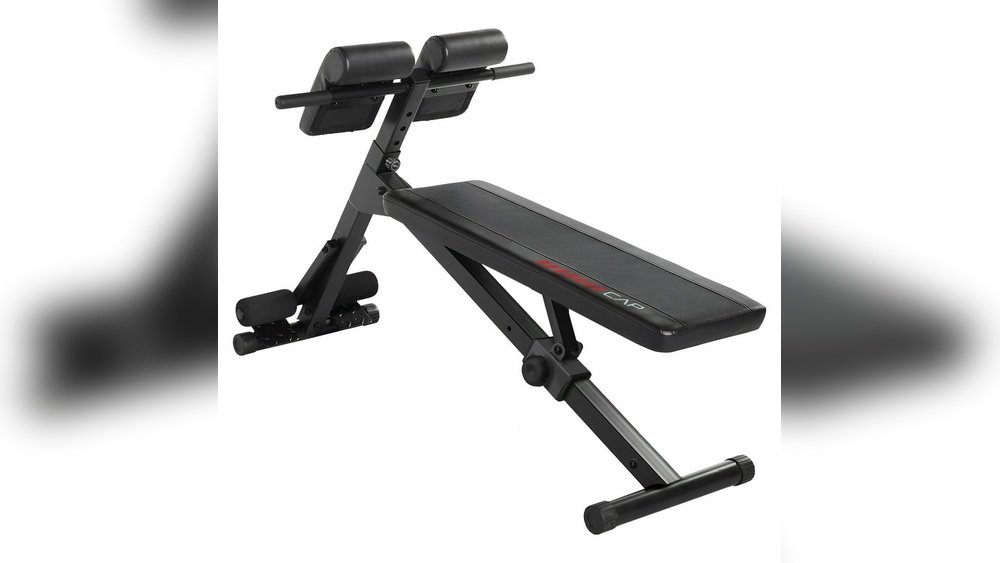
Are you looking to get the most out of your workout routine? Combining a hyperextension bench workout with free weights might be the game-changer you need.
But is it safe? Will it help you build strength faster? If you’ve ever wondered how to boost your lower back, glutes, and hamstring training, this article is for you. Keep reading to discover how mixing these two workout methods can transform your fitness results—and what you need to know to do it right.
Benefits Of Hyperextension Bench Workouts
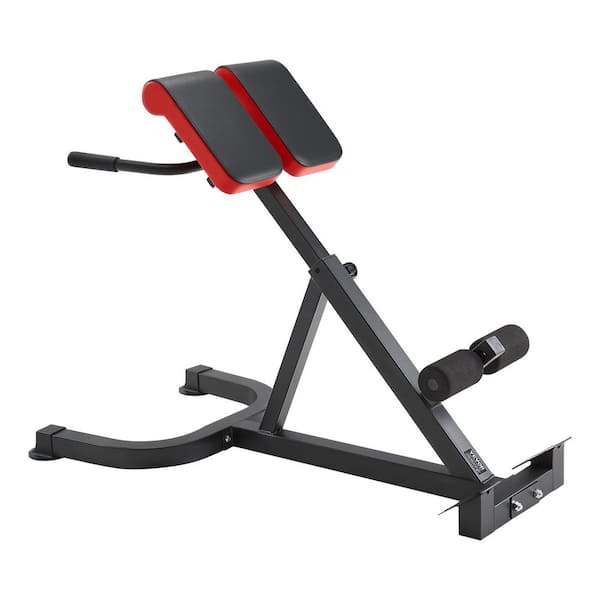
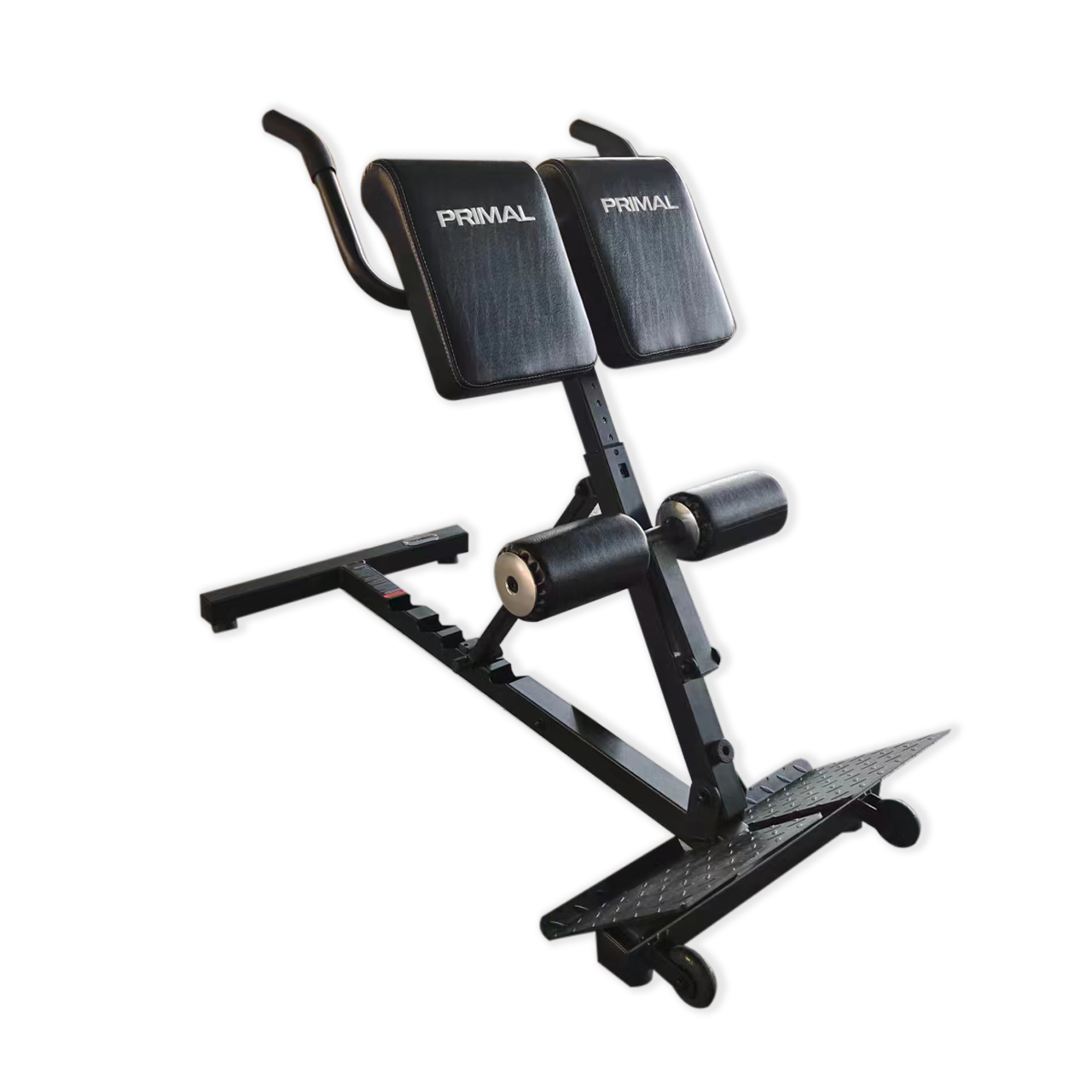
Hyperextension bench workouts offer many benefits for your body. They help build strength and improve how you move daily. These workouts focus on key muscles that support your back and core. They also help with balance and body control. Many people add hyperextension exercises to their routine for better fitness and health.
Using a hyperextension bench can be simple and effective. It targets muscles that are often weak or overlooked. This can reduce pain and risk of injury. Plus, it helps you stand taller and feel more stable. Here are some main benefits of hyperextension bench workouts.
Targeted Muscle Groups
Hyperextension exercises mainly target your lower back muscles. These include the erector spinae, which support your spine. The glutes and hamstrings also get worked during these movements. Strengthening these muscles helps with lifting and bending. It improves your overall leg and back power.
Improved Posture And Stability
Strong back muscles lead to better posture. A good posture reduces strain on your spine. It also helps you avoid slouching during the day. Stability improves because your body has a strong support system. This helps with balance and reduces falls or injuries.
Enhanced Core Strength
The core includes muscles around your abdomen and lower back. Hyperextension workouts activate these muscles deeply. A strong core helps with all movements and daily tasks. It supports your spine and keeps your body steady. Better core strength also helps improve breathing and endurance.
Advantages Of Using Free Weights
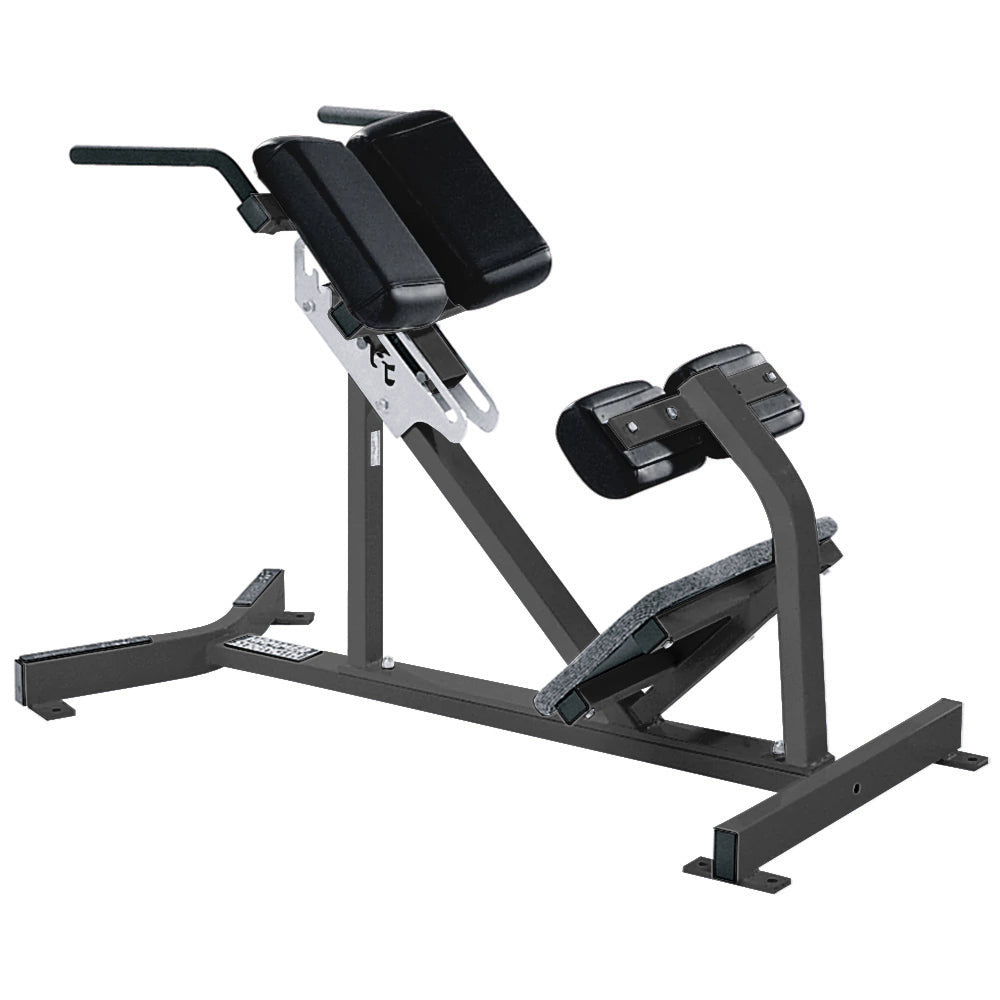
Using free weights with a hyperextension bench workout offers several benefits. Free weights help improve strength and muscle control. They make your workout more effective and dynamic. Combining these tools can enhance your overall fitness and help you target muscles better.
Increased Muscle Activation
Free weights require your muscles to work harder. They force stabilizer muscles to engage for balance. This leads to more muscle fibers being activated. Your body learns to control movements better. This activation helps build stronger and more defined muscles.
Versatility And Range Of Motion
Free weights allow a wide variety of exercises. You can move through natural motion paths. This reduces the risk of injury and improves flexibility. You can target muscles from different angles. This variety keeps workouts interesting and effective.
Functional Strength Development
Training with free weights mimics real-life movements. It improves your ability to perform daily tasks. Your muscles work together in a coordinated way. This builds practical strength, not just muscle size. Functional strength helps with balance, posture, and overall body control.
Combining Hyperextension Bench With Free Weights
Combining a hyperextension bench workout with free weights can boost your strength training. This mix targets your lower back, glutes, and hamstrings more intensely. Using free weights raises the difficulty and helps build muscle faster. Proper technique and safety are key to avoid injury.
How To Safely Add Weights
Start with light weights to learn balance and form. Hold a dumbbell close to your chest or behind your neck. Keep your movements slow and controlled. Do not overload yourself; increase weight gradually. Focus on keeping your back straight during the exercise.
Effective Exercise Variations
Try holding a plate or dumbbell while doing hyperextensions. You can also use kettlebells for a different grip and weight feel. Perform slow and steady reps to maximize muscle work. Mix in bodyweight sets to improve endurance and control. Change the angle of the bench for variety.
Common Mistakes To Avoid
Do not arch your back too much during the exercise. Avoid jerky or fast movements that strain your muscles. Do not hold weights that are too heavy for your strength. Avoid locking your knees or hips while lifting. Keep your neck aligned with your spine to prevent pain.
Sample Workout Routines
Combining hyperextension bench exercises with free weights can boost your workout. It helps build stronger back muscles and improves balance. Different skill levels need different routines. Below are sample workouts for beginner, intermediate, and advanced levels. Each plan mixes hyperextensions and free weight moves.
These routines are easy to follow. They target key muscles while keeping your body safe. Choose the one that fits your current fitness level.
Beginner Level
Start with bodyweight hyperextensions. Do 2 sets of 10 reps. Add light dumbbell rows with 5-pound weights. Perform 2 sets of 8 reps per arm. Finish with a plank hold for 20 seconds. Rest 30 seconds between exercises. Repeat the circuit twice.
Intermediate Level
Perform 3 sets of 12 hyperextensions with a 10-pound plate. Include dumbbell deadlifts using 15-pound weights, 3 sets of 10 reps. Add bent-over rows with 12-pound dumbbells, 3 sets of 10 reps. Rest 45 seconds between sets. Focus on steady movements and good form.
Advanced Level
Use a weighted hyperextension bench with a 20-pound plate. Do 4 sets of 15 reps. Combine with barbell deadlifts, 4 sets of 12 reps. Add single-arm dumbbell rows with 25-pound weights, 4 sets of 12 reps per side. Include weighted planks for 45 seconds. Take 60 seconds rest between exercises.
Tips For Maximizing Results
Combining a hyperextension bench workout with free weights can boost your strength and muscle growth. To get the best results, focus on key tips that improve your workout quality and keep you safe. These tips help you train smarter and see progress faster.
Proper Form And Technique
Start with a slow and controlled movement on the hyperextension bench. Keep your back straight and avoid arching too much. Hold free weights close to your chest or sides to keep balance. Use your lower back and glutes to lift, not your arms. Good form reduces injury risk and helps target the right muscles.
Progressive Overload Strategies
Increase the weight or reps gradually over time. Add small weights to your free weights or do more repetitions each session. Track your progress to avoid plateaus. Progressive overload forces your muscles to grow stronger and bigger with steady challenges.
Recovery And Injury Prevention
Rest is important after combining hyperextensions and weights. Give your muscles time to heal by taking breaks between workouts. Stretch before and after your sessions to stay flexible. Listen to your body and stop if you feel pain. Proper recovery keeps you safe and ready for the next workout.
Frequently Asked Questions
Can I Safely Combine Hyperextension Bench With Free Weights?
Yes, you can combine them safely by starting with light weights. Ensure proper form and avoid overloading your lower back to prevent injury.
What Are The Benefits Of Combining Hyperextension And Free Weights?
Combining both improves lower back strength, core stability, and overall muscle balance. It enhances workout variety and targets muscles more effectively.
How Do I Add Free Weights To A Hyperextension Workout?
Hold dumbbells or a weight plate close to your chest while performing hyperextensions. Gradually increase weight as your strength improves for better resistance.
Should I Warm Up Before Combining Hyperextensions And Free Weights?
Yes, warming up is essential to prepare muscles and prevent injury. Focus on dynamic stretches and light cardio before starting your workout.
Conclusion
Combining a hyperextension bench workout with free weights boosts strength and balance. This mix targets more muscles and improves your posture. It also helps prevent injuries by making your back stronger. Start with light weights to avoid strain. Gradually increase weight as you get comfortable.
This routine fits well in most fitness plans. It keeps workouts fresh and challenging. Try it regularly for better results. Small steps lead to big progress. Stay consistent and listen to your body. Your back will thank you.
