
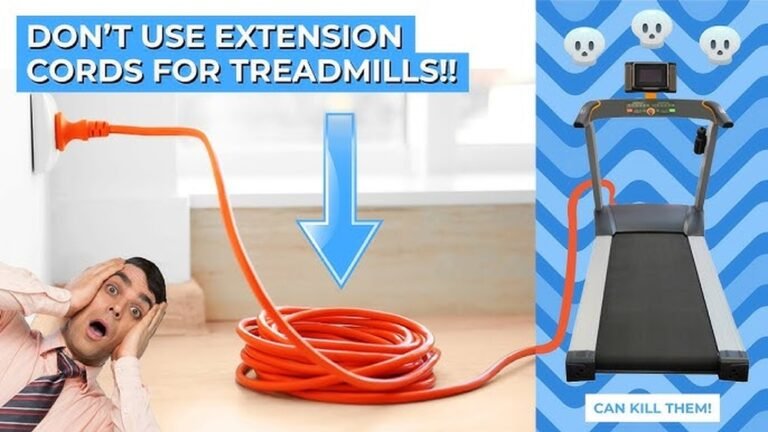
Are you thinking about plugging your treadmill into an extension cord? Before you do, it’s important to understand what that means for your safety and your machine’s performance.
Using the wrong setup can cause problems you didn’t expect — from tripped breakers to damage to your treadmill. You’ll discover the facts about extension cords and treadmills so you can protect your workout and your home. Keep reading to find out what you need to know before you plug in.
Treadmill Power Needs
Treadmills need the right power to work well and stay safe. Understanding their power needs helps you avoid problems. Using the correct electrical setup protects the machine and your home. Knowing the wattage and voltage is the first step. A dedicated power source is often necessary. This ensures smooth operation and reduces risks.
Typical Wattage And Voltage
Most treadmills use between 600 and 700 watts while running. Some models need more power during start-up. The voltage requirement is usually 110 to 120 volts in the US. Higher-end machines may require 220 volts. Checking your treadmill’s label gives exact power details. This helps you prepare the right power source.
Dedicated Circuit Importance
A dedicated circuit means the treadmill has its own power line. This prevents overloads from other devices sharing the circuit. It lowers the risk of tripped breakers and electrical fires. Many manufacturers recommend a dedicated circuit for safety. Using an extension cord can cause power drops and damage. A dedicated circuit keeps your treadmill running smoothly and safely.

Extension Cord Risks
Using an extension cord with a treadmill carries certain risks. These risks can affect the safety and performance of your equipment. Understanding these dangers helps you avoid accidents and damage. Below are some common risks linked to extension cords and treadmills.
Overheating Dangers
Extension cords can get hot if they carry too much power. Treadmills need a lot of electricity, which can overload thin cords. Overheated cords may melt the plastic coating. This can cause burns or electrical shocks.
Voltage Drop Issues
Long or thin extension cords can cause voltage drops. This means the treadmill may get less power than it needs. The machine may slow down or stop working properly. Low voltage can also damage the treadmill motor over time.
Fire Hazards
Damaged or overloaded extension cords are fire risks. Sparks can start fires in carpets or floors. Using the wrong cord increases the chance of a fire. Always choose cords rated for high power devices like treadmills.
Choosing The Right Extension Cord
Choosing the right extension cord for your treadmill is very important. A wrong cord can cause power loss or even damage your machine. It also can create safety risks. Knowing what to check helps you pick a safe and effective cord.
Two main things to consider are the thickness of the wire and the length of the cord. Also, the quality and safety certifications matter a lot. These factors ensure your treadmill gets the power it needs without problems.
Gauge And Length Considerations
Gauge means the thickness of the wire inside the cord. A lower gauge number means a thicker wire. Thicker wires carry more electricity safely. For treadmills, use cords with a gauge of 14 or 16. Thin wires can overheat and cause hazards.
The length of the extension cord affects power flow too. Longer cords lose power more than short ones. Keep the cord as short as possible to keep your treadmill working well. Avoid cords longer than 25 feet for best results.
Cord Quality And Certifications
Choose extension cords made with strong, durable materials. Look for cords with thick insulation to prevent damage. Cheap cords may break or wear out fast. This can cause shorts or shocks.
Check for safety certifications like UL or ETL marks. These show the cord passed safety tests. Certified cords reduce the risk of fire or electrical problems. Always buy cords from trusted brands or stores.
Manufacturer Recommendations
Manufacturers give clear advice about using extension cords with treadmills. Following these rules helps keep the treadmill safe and working well. Ignoring these guidelines can cause problems with performance and safety.
Treadmill Manual Guidelines
The treadmill manual usually says not to use extension cords. The machine needs a steady power flow. Extension cords can cause voltage drops and affect the treadmill motor. Some manuals allow only specific heavy-duty cords. Always check the exact cord type and power rating if allowed. Using the wrong cord risks damaging the treadmill.
Warranty Implications
Using an extension cord against manufacturer advice can void the warranty. The company may not fix damages caused by improper power supply. Repairs could become expensive without warranty coverage. Following manufacturer rules protects your investment. It ensures any issues are covered by warranty service.
Safe Usage Tips
Using a treadmill safely is very important. This includes how you use extension cords. Extension cords can cause risks if not handled right. Follow these safe usage tips to protect yourself and your equipment.
Proper Cord Placement
Keep the extension cord flat on the floor. Avoid placing it where people walk. This stops trips and falls. Do not run the cord under rugs or carpets. It can cause heat build-up and fire risks. Make sure the cord is not stretched tight or bent sharply.
Regular Inspection
Check the extension cord often. Look for cracks or worn areas on the cord. Damaged cords can cause electric shocks or fires. Test the cord plug to ensure it fits snugly in the outlet. Replace any cord that shows damage or wear immediately.
Alternative Power Solutions
Use a heavy-duty extension cord made for appliances. Normal cords may not handle treadmill power. Consider installing an outlet near your treadmill. This avoids the need for long cords. You can also use a surge protector to guard against power spikes. Choose solutions that keep power steady and safe.
Frequently Asked Questions
Can I Use An Extension Cord For My Treadmill?
Using an extension cord for a treadmill is generally not recommended. It may cause voltage drops, overheating, or fire risks. Always plug your treadmill directly into a grounded wall outlet for safety and optimal performance.
What Type Of Extension Cord Is Safe For Treadmills?
If necessary, use a heavy-duty extension cord rated for at least 15 amps and 14-gauge wire. Ensure it has a grounded three-prong plug to handle the treadmill’s power needs safely.
Why Is Plugging A Treadmill Into An Extension Cord Risky?
Extension cords can cause overheating and power fluctuations. These risks may damage your treadmill’s motor or create electrical hazards. Direct wall outlet connection prevents these issues and ensures consistent power supply.
Can A Long Extension Cord Affect Treadmill Performance?
Yes, long extension cords can reduce voltage and cause motor strain. This may lead to inefficient treadmill operation or damage. Keep extension cords as short as possible if you must use one.
Conclusion
Using an extension cord for your treadmill can be risky. Many treadmills need a strong, steady power source. A weak or wrong cord may cause damage or fire. Always check the treadmill’s power needs first. Choose a heavy-duty extension cord if needed.
Keep safety your top priority to protect yourself and your equipment. Stay informed and make smart choices for safe workouts.
