
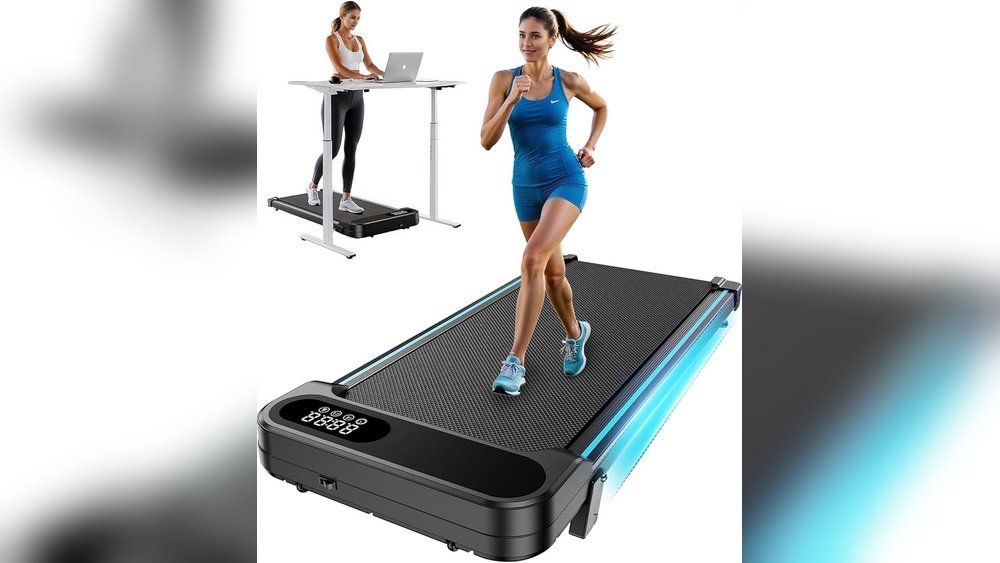
Are you thinking about getting a walking pad treadmill but worried it might disturb your peace with loud noises? You’re not alone.
Many people wonder if these compact machines are noisy enough to interrupt their daily routine or conversations. Understanding how loud a walking pad treadmill really is can help you decide if it fits your lifestyle. Keep reading to discover the truth about their noise levels and find out what to expect before you make your purchase.

Noise Factors In Walking Pads
Walking pad treadmills can make some noise during use. Understanding the reasons behind these sounds helps in choosing the right model. Noise levels depend on several key factors.
Each part of the walking pad contributes differently to the overall sound. Knowing these can help reduce noise and improve your workout experience.
Motor Sounds
The motor is the main source of noise in walking pads. Cheaper motors often sound louder and rougher. High-quality motors run quietly and smoothly. The size and power of the motor also affect noise levels.
Belt Movement
The belt moves continuously during use and can cause noise. A well-lubricated belt moves quietly. Worn or dry belts tend to squeak or rub loudly. Belt speed also changes the sound volume.
Surface And Placement
The floor surface under the walking pad affects noise. Hard floors like wood or tile can increase sound. Carpets or mats absorb noise and reduce vibrations. Placing the walking pad on a soft surface helps keep noise down.
User Weight And Pace
Heavier users create more noise due to stronger impact. Faster walking or jogging increases noise levels. Slower, steady pace produces less sound. Proper walking technique can also reduce noise.

Comparing Noise Levels
Noise is a key factor when choosing a treadmill for home use. Quiet machines make workouts more pleasant. Comparing noise levels helps find the best option. Walking pads and traditional treadmills differ in sound. Design and build quality also affect noise output.
Walking Pads Vs Traditional Treadmills
Walking pads produce less noise than traditional treadmills. They have smaller motors and simpler designs. The belt moves slower, reducing sound. Traditional treadmills use powerful motors for running. This creates more noise during use. Walking pads suit apartments or shared spaces. Their quiet operation avoids disturbing others.
Impact Of Design And Build Quality
Build quality impacts treadmill noise significantly. High-quality materials absorb sound better. Solid frames reduce vibrations that cause noise. Cheap treadmills often have loose parts. These parts rattle and increase noise. Well-designed walking pads use noise-dampening features. This includes better belts and cushioning systems. These details help keep noise levels low during workouts.
Choosing A Quiet Walking Pad
Choosing a quiet walking pad is important for a calm home environment. Noise can disturb others and reduce your comfort. Understanding key parts of the walking pad helps you pick a model that runs smoothly and quietly.
Focus on the motor, belt, and frame. Each affects noise levels differently. A quiet walking pad makes your exercise time peaceful and enjoyable.
Motor Type And Power
Brushless motors are quieter than brushed ones. They create less friction and run smoothly. Lower power motors usually produce less noise. Choose a motor that fits your walking speed and weight. This keeps noise low and performance steady.
Belt Material And Size
The belt is where your feet make contact. Softer belts reduce impact noise. Thicker belts also absorb sound better. A wider belt spreads your weight, lowering noise from footfalls. Check belt quality for a quiet walking experience.
Frame And Shock Absorption
A strong frame prevents vibrations and rattling. Look for frames with shock absorbers or cushioning systems. These parts absorb impact noise from walking. A stable frame keeps the machine steady and quiet during use.
Setting Up For Quiet Workouts
Setting up your walking pad treadmill correctly helps reduce noise during workouts. A quiet exercise space makes your routine more enjoyable. Small changes in placement and care can lower sounds and vibrations. Follow these tips to create a peaceful workout area.
Proper Placement
Place your walking pad on a flat, solid floor. Avoid wooden or hollow floors that can amplify noise. Keep it away from walls to stop sound from bouncing. A corner or open space works best for noise control. Positioning your treadmill right reduces shaking and thumping sounds.
Using Mats And Pads
Use a thick exercise mat under the walking pad. Mats absorb vibrations and stop floor damage. Rubber or foam mats are great choices. They cut down noise and keep your treadmill stable. Small pads under the machine’s feet also help reduce sound.
Routine Maintenance
Clean your walking pad regularly to keep it quiet. Dust and dirt can cause extra noise. Check bolts and screws to make sure they are tight. Lubricate the belt to reduce friction sounds. Regular care keeps your treadmill running smooth and silent.
Noise-reducing Tips During Use
Walking pad treadmills can sometimes produce noise during use. This noise can bother you or others nearby. Using simple tips can reduce these sounds. These methods help make your workout quieter and more pleasant.
Adjusting Walking Speed
Slowing down your walking speed lowers noise from footfalls. Faster speeds can cause louder thuds. Find a steady, moderate pace. This reduces impact and noise on the treadmill belt.
Wearing Suitable Footwear
Choose shoes with soft soles for walking pads. Hard soles make more noise on the belt. Cushioned shoes absorb shock better. This lowers noise and protects your feet.
Smooth Stride Techniques
Walk with a gentle, smooth step to cut noise. Avoid heavy stomping or sudden movements. Focus on rolling your foot from heel to toe. This makes each step quieter and more controlled.
Frequently Asked Questions
Are Walking Pad Treadmills Quieter Than Regular Treadmills?
Walking pad treadmills are generally quieter due to compact design and low motor power. They produce less noise, making them ideal for home use. Regular treadmills tend to be noisier because of their larger motors and higher speeds.
What Factors Affect Walking Pad Treadmill Noise Levels?
Noise depends on motor quality, belt material, and floor surface. Proper maintenance and lubrication also reduce sound. Using a mat underneath can further minimize noise and vibrations during use.
Can Walking Pad Treadmill Noise Disturb Neighbors?
Walking pad treadmills produce minimal noise, usually not disturbing neighbors. Their quiet operation suits apartments and shared spaces. However, placing them on hard floors without mats might increase sound transmission slightly.
How To Reduce Noise From A Walking Pad Treadmill?
Place a thick exercise mat beneath the treadmill. Keep the treadmill well-lubricated and regularly maintained. Avoid using it on hard, uneven surfaces to prevent amplified noise and vibrations.
Conclusion
Walking pad treadmills usually make little noise. This makes them good for homes and small spaces. Quiet machines help you focus and avoid bothering others. Some models run softer than others, so check reviews before buying. Keep the treadmill clean and well-maintained to reduce sound.
Noise levels depend on motor type and belt quality. Overall, walking pads offer a peaceful way to stay active indoors. Choose one that fits your noise needs and lifestyle. Enjoy walking without loud distractions.
