Have you ever wondered if leg press machines are noisy? Maybe you’re worried about disturbing others at the gym or at home.
Or perhaps you want to know what to expect before using one. Understanding the sounds these machines make can help you feel more comfortable and confident during your workout. You’ll discover why leg press machines can be noisy, what causes the noise, and simple tips to keep things quiet.
Keep reading—you might be surprised by what you learn!
Noise Sources In Leg Press Machines
Leg press machines can produce noise during workouts. Understanding where the noise comes from helps reduce it. Different parts of the machine create different sounds. Some noises are normal, while others might signal a problem.
Mechanical Components
The machine’s frame and moving parts can cause noise. Metal parts rubbing or hitting each other create sounds. Lack of lubrication makes these noises worse. Tightening bolts and adding oil can help quiet the machine.
Weight Stack And Plates
Weight plates hitting each other cause clanging sounds. Dropping or moving weights quickly increases noise levels. Loose plates or worn guides add to the problem. Ensuring plates fit well reduces the noise during use.
Cables And Pulleys
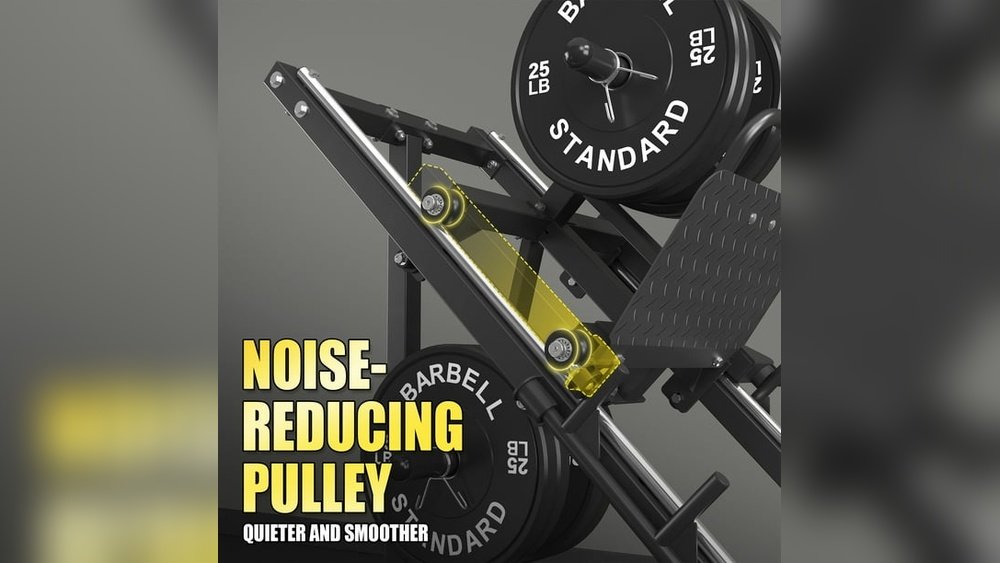
Cables moving over pulleys can create squeaky or creaking sounds. Worn cables or dry pulleys increase noise. Regular cleaning and lubrication keep these parts quiet. Replacing damaged cables also lowers the sound.
Factors Affecting Noise Levels
Noise levels of leg press machines vary widely. Several key factors decide how loud a machine gets during use. Understanding these factors helps users pick quieter equipment and reduce noise.
Machine Build Quality
Sturdy machines usually make less noise. Strong frames and quality parts reduce vibrations. Cheaper machines may rattle and creak more. The design of moving parts also affects sound. Well-built machines keep noise to a minimum.
Maintenance And Lubrication
Regular maintenance lowers noise significantly. Lubricating joints and moving components stops squeaks. Dirt and dust buildup can increase friction and sound. Checking bolts and screws keeps machines stable. Proper upkeep ensures smooth and quiet operation.
User Technique
How a person uses the machine matters. Sudden, jerky movements create more noise. Slow and controlled motions reduce sound. Placing feet correctly avoids extra strain on parts. Good technique protects the machine and lowers noise.
Comparing Noise: Leg Press Vs Other Gym Equipment
Noise levels in gyms can affect your workout experience. Some machines are louder than others. Understanding how noisy leg press machines are compared to other equipment helps you choose wisely. Here is a comparison of the leg press with free weights, cardio machines, and other resistance machines.
Free Weights
Free weights often make noise when dropped or set down hard. Plates clanking can be loud and sharp. This noise depends on how carefully users handle the weights. Leg press machines usually have smooth, guided movements. They rarely produce sharp clanking sounds. This makes leg presses quieter than free weights in many cases.
Cardio Machines
Cardio machines like treadmills and ellipticals have motors and moving parts. These parts can create steady humming or clicking noises. Some older machines can be loud due to worn components. Leg press machines do not have motors. Their noise comes mainly from moving parts and weight stacks. Leg presses are often quieter than running machines but can be louder than some ellipticals.
Other Resistance Machines
Resistance machines vary in noise depending on design and maintenance. Cable machines may produce snapping or clicking sounds. Weight stack machines can cause clanking when weights drop quickly. Leg press machines use a guided track and weight stacks too. Their noise level is similar to other stack machines. Proper lubrication and slow movements reduce noise on all these machines.
Tips To Reduce Leg Press Noise
Leg press machines can sometimes create noise that disturbs your workout or others nearby. Reducing this noise helps keep your gym quiet and comfortable. Simple steps can make a big difference in cutting down the sounds these machines produce. Follow these practical tips to lower leg press noise effectively.
Regular Maintenance
Check the machine often for loose parts or bolts. Tighten any screws and bolts to stop rattling sounds. Clean the machine to remove dust and dirt that cause friction. Lubricate moving parts with proper oil or grease. This keeps the machine running smooth and quiet.
Proper Usage
Use the machine with steady, controlled movements. Avoid dropping the weights suddenly or slamming the platform. Slow and smooth actions reduce impact noise. Make sure your feet are placed correctly on the platform. This helps balance the weight and lowers noise.
Upgrading Components
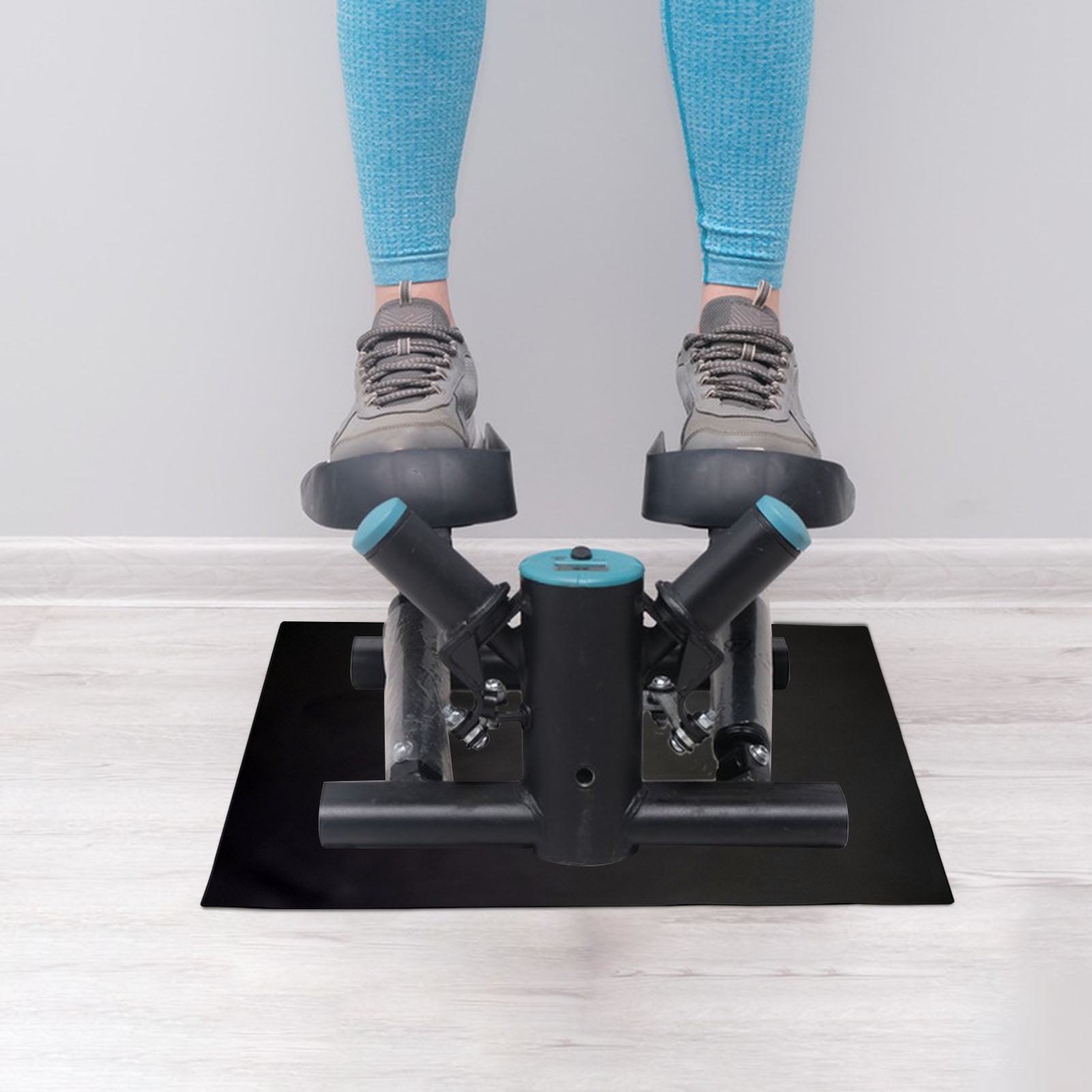
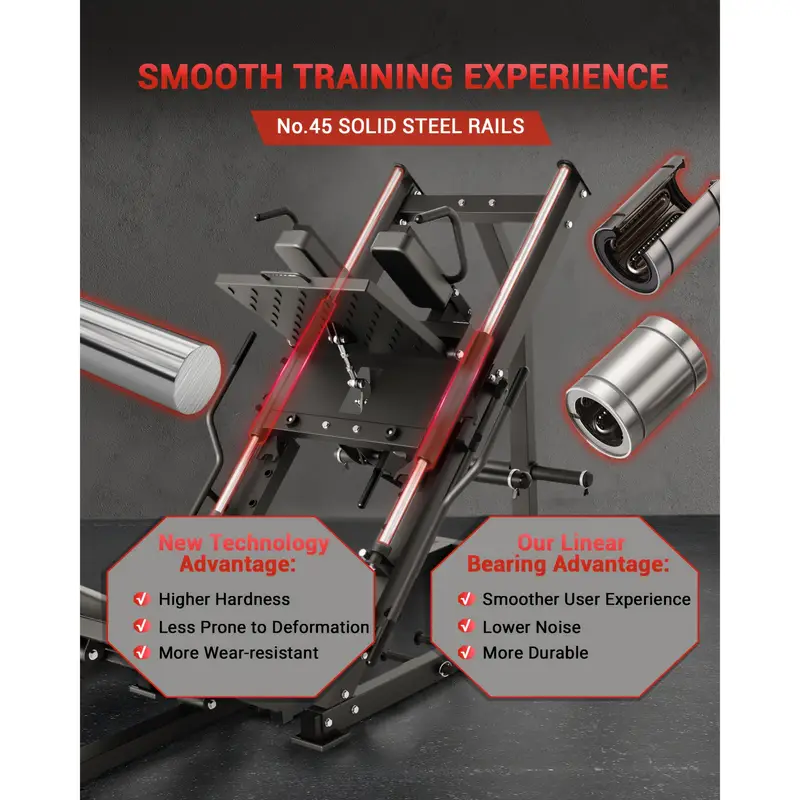
Replace worn or old parts that cause noise. Use rubber pads or mats under the machine to absorb sound. Consider upgrading to quieter bearings or bushings. New parts often run smoother and quieter than old ones. Small upgrades can greatly reduce noise levels.
When To Be Concerned About Noise
Leg press machines can make some noise during use. Not all sounds mean trouble. Knowing when noise signals a problem helps keep you safe. Pay attention to unusual sounds or changes in noise patterns. These can indicate damage or safety issues. Acting early can prevent bigger problems and injuries.
Signs Of Damage
Listen for grinding, squeaking, or clanking sounds. These noises may show worn or broken parts. Look for loose bolts or cracks in the frame. Check if the machine moves unevenly or sticks. These are clear signs the machine needs repair.
Safety Risks
Loud or strange noises can mean the machine is unsafe. Broken parts may cause sudden failure during exercise. This can lead to falls or injuries. Never ignore sharp or loud sounds. Safety should always come first when using gym equipment.
When To Seek Professional Help
Call a technician if noises persist or worsen. Avoid using the machine until it is checked. Professionals can find hidden problems and fix them properly. Regular maintenance helps keep the machine quiet and safe. Don’t wait for a serious breakdown to get help.
Frequently Asked Questions
Why Do Leg Press Machines Make Noise?
Leg press machines often make noise due to metal parts rubbing or loose bolts. Lack of lubrication can increase friction sounds. Proper maintenance, including tightening and oiling, reduces noise and ensures smooth operation.
Are Noisy Leg Press Machines Harmful?
Noisy leg press machines are not always harmful. However, excessive noise may indicate worn parts or poor maintenance. Ignoring this can lead to equipment damage or injury. Regular checks and repairs ensure safety and quiet use.
How Can I Reduce Leg Press Machine Noise?
To reduce leg press machine noise, lubricate moving parts regularly. Tighten any loose bolts and screws. Using rubber mats under the machine can also dampen sound. Proper upkeep extends machine life and creates a quieter workout.
Do Commercial Leg Press Machines Make More Noise?
Commercial leg press machines can be noisier due to heavier use. Frequent cleaning and maintenance in gyms help minimize noise. High-quality machines with better materials tend to operate quieter, even under heavy loads.
Conclusion
Leg press machines can make some noise, but it varies a lot. Older or poorly maintained machines tend to creak and squeak more. Newer models usually run quietly and smoothly. Regular cleaning and oiling can reduce most sounds. Noise should not stop you from using the machine.
Focus on your workout and enjoy the benefits. Quiet or noisy, leg press machines help strengthen your legs well. Choose a machine that fits your space and comfort. Keep it in good shape to avoid loud sounds. Simple care makes a big difference in noise levels.
