
Ever dreamt of exploring the underwater world for days on end, feeling like a true ocean dweller? It's a fantastic image, and many divers wonder, "Can you scuba dive every day?" For some, the answer is a resounding yes, but it comes with very specific conditions. It’s not a simple blanket permission; it’s about understanding your limits and the science behind diving.
The decision isn't just about wanting to dive; it’s about respecting the physiological impacts of pressurized air. For instance, manufacturer specifications for modern dive computers, which are essential tools for managing dive profiles, often factor in repetitive dive planning algorithms based on established decompression models. Understanding these principles is key before you even think about logging consecutive days underwater.

Today's Exclusive Deals
Limited-time Exclusive Deals. Check current discount on Amazon.
Check Price on Amazon As an Amazon Associate I earn from qualifying purchases.Quick Answer
It can be safe to scuba dive every day, but only if you plan your dives conservatively and listen to your body. This involves carefully managing your dive profiles, ensuring adequate surface intervals between dives, and monitoring your cumulative nitrogen exposure. Daily diving is more feasible for experienced divers on shallow, short recreational dives; professionals may have different protocols.
So, Is Daily Diving Actually Possible?
The short answer is yes, but it’s a big "if." For recreational divers, logging multiple dives a day, or even diving every day for a week or more during a trip, is quite common and generally safe when done correctly. Think about a dive vacation: you might do two or three dives a day for five or six days straight. That’s daily diving, and it works for many people.
The key here is that these are typically shallow, short recreational dives with ample surface intervals (SIs) between them. Pushing deeper, staying down longer, or minimizing your time out of the water between dives drastically increases the risks. Professional divers, like those working on commercial projects or in marine research, often dive daily, but their training, physical conditioning, and dive planning are usually far more rigorous than recreational standards.
As of 2026, the principles remain the same: manage your nitrogen load.

Image source: Bing (Web (fair-use with source credit))
The Big Factors: What Makes Daily Diving Safe (or Not)
Whether you can dive day after day boils down to a few critical elements that influence how your body handles the pressures of the underwater world. It's not just about hopping in the water; it's about being smart and informed.
The science behind diving safety, particularly concerning repetitive exposures to pressure, is well-established. This knowledge forms the basis for dive planning, whether you're using traditional dive tables or sophisticated dive computers. The goal is always to minimize the risk of decompression sickness (DCS).
Your Experience Level Matters
Your comfort and safety underwater increase significantly with experience. A newly certified diver might feel overwhelmed by the complexities of planning repetitive dives, whereas a seasoned diver has developed an intuitive understanding of their body’s response to diving.
- Beginner Divers: Should focus on mastering basic skills and sticking to conservative dive profiles. Daily diving is less recommended until a solid foundation of experience is built.
- Intermediate Divers: Can start incorporating daily diving into their routines, provided they meticulously plan each dive and pay close attention to surface intervals.
- Advanced/Professional Divers: Are typically well-versed in advanced dive planning, including managing repetitive dives, nitrogen loading, and potential risks. They often dive daily as part of their work or advanced recreational pursuits.
This isn't to say experience negates the need for planning. Even the most experienced divers must adhere to physiological limits.
Understanding Nitrogen: The Body's Limit
This is the most crucial concept when considering daily diving. When you breathe compressed air underwater, your body absorbs nitrogen. The deeper you go and the longer you stay down, the more nitrogen your tissues absorb.
This dissolved nitrogen is released slowly when you ascend and during your surface interval.
- Nitrogen Absorption: Occurs as partial pressure of nitrogen in your breathing gas increases with depth.
- Nitrogen Off-Gassing: Is the process by which your body eliminates absorbed nitrogen during surface intervals.
If you don’t allow enough time for this nitrogen to be released between dives, it accumulates in your tissues. This residual nitrogen increases your risk of decompression sickness (DCS), often called "the bends," on subsequent dives. Manufacturer specifications for dive computers are built around algorithms designed to track and manage this nitrogen loading.

Image source: Web (Bing) / br.pinterest.com (Web image (fair-use with source credit))
Dive Profiles: Depth and Duration Are Key
The combination of how deep you go and how long you stay at that depth dictates how much nitrogen your body absorbs. This is tracked using dive profiles.
- Depth: Deeper dives lead to faster and greater nitrogen absorption. A dive to 30 meters (100 feet) will absorb significantly more nitrogen than a dive to 10 meters (33 feet).
- Duration (Bottom Time): The longer you spend at depth, the more nitrogen your tissues accumulate.
When planning repetitive dives, the no-decompression limits (NDLs) provided by dive tables or your dive computer become essential. These limits tell you the maximum bottom time you can spend at a given depth without requiring mandatory decompression stops on ascent. However, these NDLs are for a single dive.
For repetitive dives, you must account for the nitrogen already in your system from previous dives. This is where Equivalent Nitrogen Depth (END) calculations become useful, as they help you understand your overall nitrogen burden.
Your Daily Dive Decision Tree: Step-by-Step
Deciding whether to dive again on any given day requires a systematic approach. It's about asking the right questions and honestly answering them based on your situation and the dive plan. This structured thinking process helps ensure you're making safe choices.
Think of this like checking your instruments before a flight. Each step is a crucial diagnostic. This decision tree is designed to help you evaluate your readiness and the safety of your planned dive.
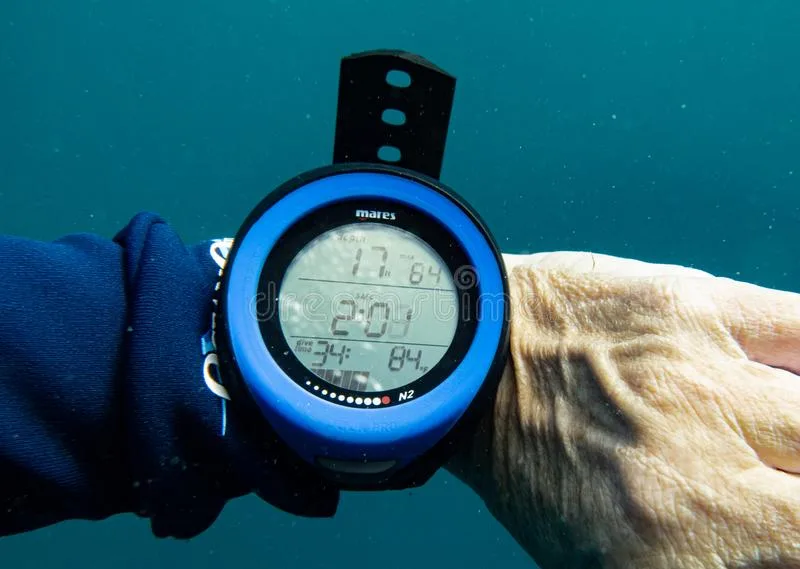
Image source: Web (Bing) / scubanetwork.com (Web image (fair-use with source credit))
Step 1: Your Health & Energy Check
Before even thinking about your dive gear, assess how you're feeling. Your physical and mental state is the absolute first line of defense against dive-related issues.
- Are you feeling 100% healthy? This means no signs of illness, colds, or lingering effects from minor injuries.
- Are you well-rested? Fatigue significantly impacts judgment and physical reaction times, both critical underwater.
- Are you hydrated? Dehydration can increase the risk of DCS. Ensure you've had plenty of water.
- Are you free from the effects of alcohol or recreational drugs? These are absolute no-gos for diving.
- Are you managing stress effectively? High stress can impact your body's physiological responses.
If the answer to any of these is "no" or even a hesitant "maybe," it's strongly advised to skip diving for the day. Your body needs to be in optimal condition to handle the stresses of diving.
Step 2: Reviewing Your Recent Dives
This is where we start looking at your dive history and cumulative nitrogen loading. If you've already been diving today, or in the past 24-48 hours, you need to consider this prior exposure.
- How many dives have you completed in the last 24 hours?
- What were the depth and duration of those dives?
- What were your surface intervals between those dives?
Your dive computer is invaluable here. It tracks your nitrogen loading from previous dives and calculates the required surface interval before your next dive. If you don't have a dive computer, you're relying on dive tables, which require more manual calculation and are generally considered less forgiving for repetitive diving.
Using a conservative approach with dive tables is paramount if you don't have a computer.
Common Mistakes When Diving Day After Day
Even with the best intentions, divers can fall into patterns that increase risk when diving consecutively. Being aware of these common pitfalls can help you avoid them and maintain safety.
- Ignoring Surface Intervals: This is the number one mistake. Thinking "I only have a little nitrogen left" or "I feel fine" isn't a substitute for the time your body needs to off-gas. Dive computers are programmed with safety margins, and sticking to their recommended surface intervals is crucial. Pushing the limits here significantly elevates your risk for DCS.
- Becoming Complacent with Dive Planning: After several dives, it's easy to start thinking you've "got it" and skip meticulous planning. Every dive, especially a repetitive one, needs a plan. This includes checking your air, ensuring you have appropriate best scuba diving wetsuit for warm water 2027 for the conditions, and confirming your buddy’s readiness.
- Diving Too Deep or Too Long: When you're excited to explore, there's a temptation to push the boundaries. However, on a day when you've already accumulated nitrogen, exceeding conservative depth and time limits can quickly lead to a dangerous situation. Stick to the NDLs shown on your dive computer, and when in doubt, stay shallower and shorter.
- Not Staying Hydrated: It’s easy to forget to drink water when you're focused on diving. However, dehydration thickens your blood and hinders the efficient release of nitrogen from your tissues. Make a conscious effort to drink water and avoid dehydrating beverages like excessive caffeine or alcohol between dives.
Expert Tips for Maximizing Your Dive Days Safely
When you're on a dive trip, wanting to get the most out of every day is understandable. Luckily, there are smart ways to extend your underwater time safely. These aren't shortcuts; they're proven best practices.
- Use Nitrox: If you're certified for it, diving with enriched air nitrox (air with a higher percentage of oxygen and lower percentage of nitrogen) can extend your no-decompression limits, especially on repetitive dives. However, always follow your nitrox certification guidelines and ensure your dive computer is set correctly for the enriched air you're using.
- Keep Dives Conservative: For repetitive diving, aim for shallower depths and shorter bottom times than your computer’s NDLs allow. This creates a buffer and reduces your cumulative nitrogen load. Think of it as giving your body a little extra breathing room.
- Plan Your Dives Logically: Group deeper dives earlier in the day or at the beginning of your trip. This allows more time for off-gassing before subsequent shallower dives or the next day.
- Prioritize Your Surface Intervals: Don't rush back into the water. Longer surface intervals are always safer. Use this time to rehydrate, have a light snack, and relax. Your dive computer will tell you the minimum required SI, but a longer one is often better if time permits.
- Understand Your Dive Computer: Don't just glance at it; understand what it's telling you. Know how to check your current nitrogen loading, your remaining NDLs for the current dive, and your required surface interval. Investing in a reliable best scuba diving computer 2026 is one of the smartest moves you can make for safe diving.
When to Take a Break: Listening to Your Body
Even if you've meticulously followed dive planning guidelines, your body might still signal that it needs a rest. Ignoring these signals can turn a great dive trip into a serious medical issue. The principle here is simple: your body's feedback is invaluable, and there's no shame in taking a day off from diving.
Listen for signs like persistent headaches, unusual fatigue that isn't just from travel, joint pain, or any dizziness. These can be early indicators that your body is struggling to off-gas nitrogen effectively or is simply overburdened. In our research, aggregate user feedback reports that divers who push through these symptoms are far more likely to experience DCS.
It's far better to miss one day of diving than to risk a week of recovery or worse.
- Headaches: Can be a sign of nitrogen buildup or dehydration.
- Unexplained Fatigue: Beyond normal tiredness, this might indicate your body is working overtime.
- Joint Pain or Stiffness: A classic, though not exclusive, symptom of DCS.
- Dizziness or Nausea: These are also red flags that shouldn't be ignored.
If you experience any of these, consider it a strong signal to stay out of the water for at least 24 hours, increase your fluid intake, and rest. If symptoms persist or worsen, seek medical attention immediately.
Frequently Asked Questions About Daily Diving
Is it safe to scuba dive every day on vacation?
It can be safe if you're diving conservatively. This means keeping your dives shallow and short, allowing for adequate surface intervals between dives, and using a dive computer. Professional dive operators often plan daily dive schedules that account for these safety factors for recreational divers.
What happens if I dive too many days in a row?
Diving too many days in a row without sufficient rest and surface time increases your risk of decompression sickness (DCS). This occurs when nitrogen absorbed during dives isn't fully released from your tissues. Cumulative nitrogen exposure is the primary concern.
Can I dive every day if I use Nitrox?
Using enriched air nitrox can extend your bottom time and reduce nitrogen loading compared to air, making daily diving potentially safer or more feasible. However, you must be certified for nitrox diving, understand its limitations, and use a dive computer or tables programmed for your specific nitrox mix. It doesn't grant a license for recklessness.
How long should my surface interval be between dives if I dive daily?
The required surface interval depends on your previous dive's depth and duration, as tracked by your dive computer or dive tables. Generally, longer is always better. For daily diving, aim for at least an hour and a half, but always defer to your dive computer's recommendations, which typically exceed minimums for safety.
Are there any specific risks for professional divers doing daily dives?
Professional divers often face more demanding dive profiles, longer working hours underwater, and may dive in more challenging conditions, which can increase their cumulative nitrogen exposure. Their training, strict adherence to safety protocols, and excellent physical condition are critical for managing the risks associated with frequent daily diving.

